

Big swap at Fort Carson: Abrams tanks and Bradley Fighting Vehicles for Strykers
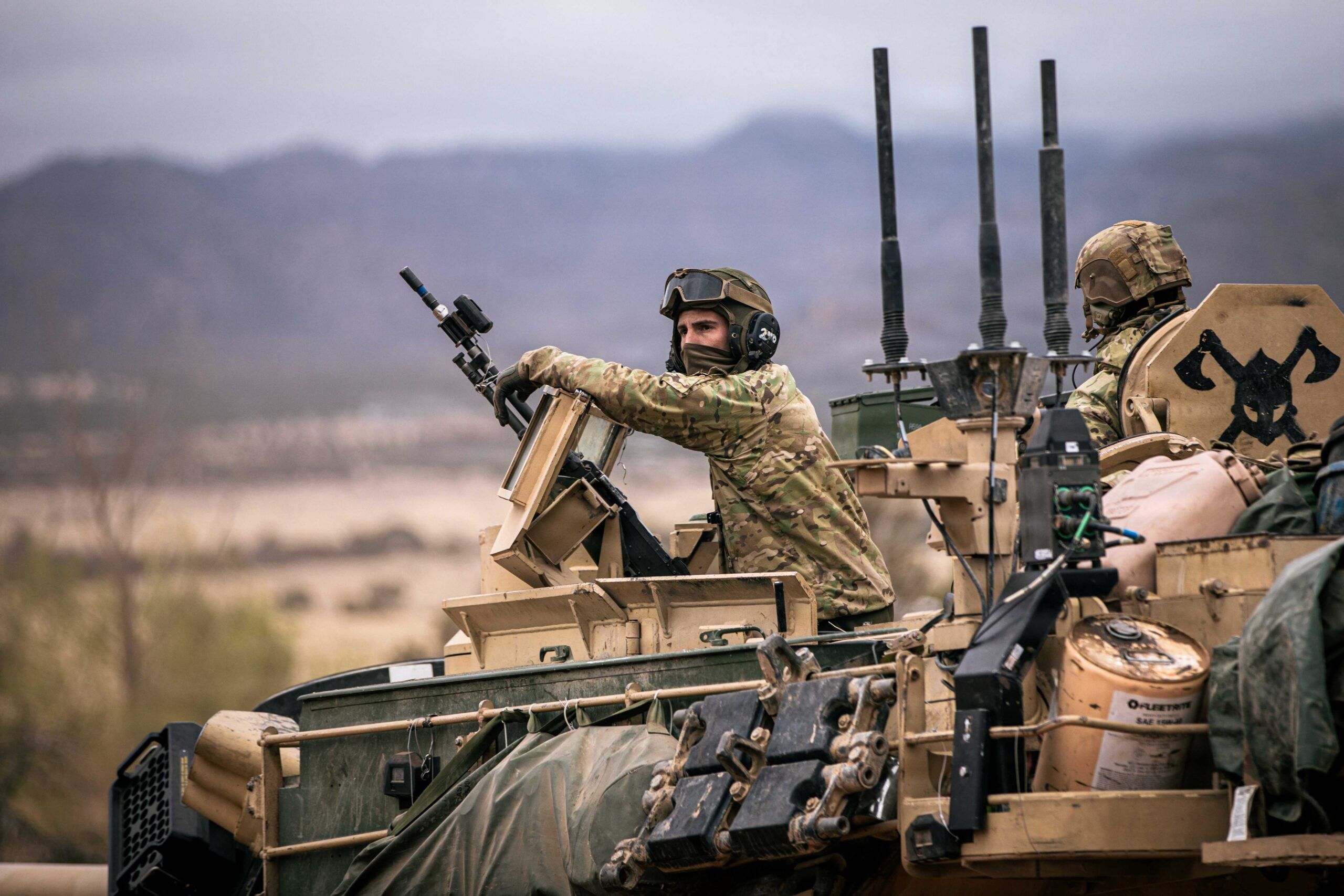
The armored fleet at Fort Carson will be departing this fall, as the 4th Infantry Division swaps tanks for brand new Strykers.
The change will mark a shift in identity for Fort Carson, which will house only Stryker brigades going forward as 3rd Armored Brigade gives up its tanks and Bradley Fighting Vehicles for the eight-wheeled vehicles that carry infantrymen into battle.
The 3rd Armored Brigade was outfitted with tanks when it arrived at Fort Carson in 1970 and served throughout the Iraq and Afghanistan wars with the heavy vehicles that gave the unit its nickname, Iron Brigade.
In relatively recent history, 3rd Brigade was deployed four times in seven years to Iraq starting in 2003. A few dozen soldiers stayed through all the deployments and in 2009 were hoping for an end to the conflict, The Gazette reported at the time.
The unit’s last deployment to the Middle East during those conflicts was in 2019 to Kuwait to support the fight against the Islamic State, according to Fort Carson’s history of the unit.
The unit has since served in Eastern Europe providing deterrence against Russian aggression.
The coming focus on Strykers at Fort Carson will streamline training and maintenance and ensure commanders can share ideas, said Col. Nick Sinclair, who leads 3rd Armored Brigade and will oversee the transition. Some, but not all, of the equipment and specialized personnel will flow to Fort Hood, in Texas, a base set to gain an armored brigade.
There’s “a lot of excitement within the Iron Brigade with this conversion,” Sinclair said.
The unit will also trade in its Iron Brigade name, with the new moniker set to be unveiled at the end of the month, Sinclair said, as the brigade caps off its last training exercise with its armored vehicles at the National Training Center alongside the two existing Stryker brigades at Fort Carson.
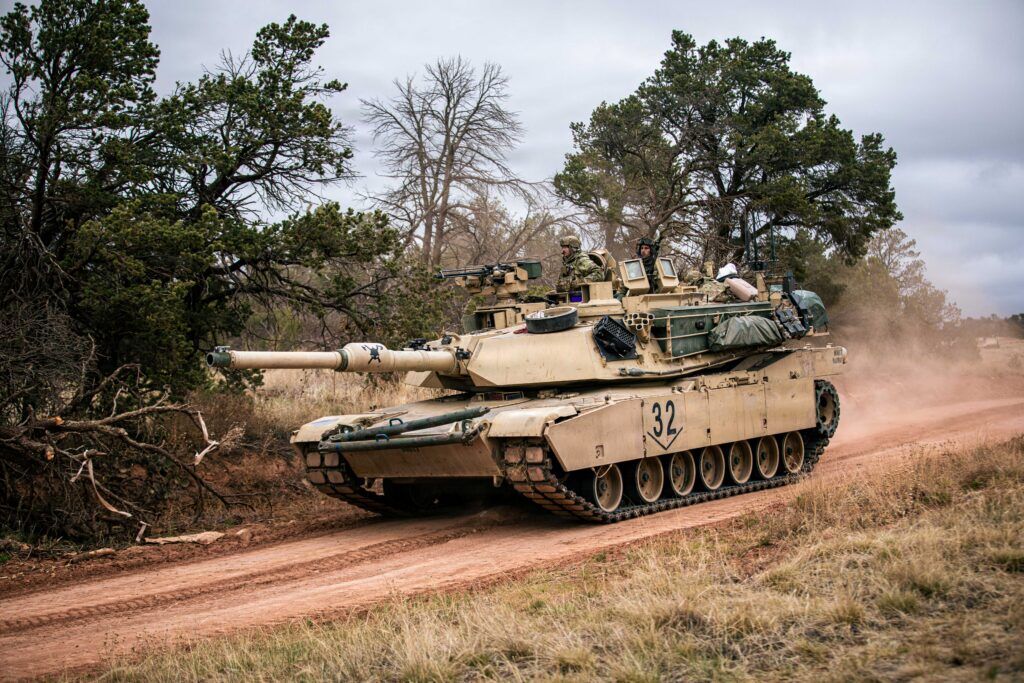
The training focused on testing new communications technology that will be used across the Army is the culmination of many months of work between Fort Carson soldiers and the companies that are developing the modern system. Anduril Industries is leading the work to develop the system called Next Generation Command and Control that is helping to integrate communications systems and ensure communications can survive an electromagnetic attack.
Lt. Gen. Michael McCurry, commanding general of the Army Futures and Concepts Command, who is overseeing the training, said in a news release he expected the training would test 100 emerging technologies.
It’s important for armored vehicles to take part in the tests before the new communications system is distributed across the other 10 armored brigades in the Army, Sinclair said.
Once training is complete, soldiers will start sending in vehicles to get refurbished and new Strykers will arrive, Sinclair said.
The armored fleet includes fighting vehicles and their necessary support vehicles, including equipment like the M888 Recovery Vehicle, essentially an armored crane used to move combat vehicles.
The brigade will also get restructured as part of the transition because the 4th Squadron 10 Cavalry Regiment will be deactivating, reducing the brigade from five battalions to four.
The Army is restructuring cavalry regiments dedicated to reconnaissance as it prepares for large-scale war.
The transition away from armored vehicles is not expected to impact training because once soldiers return from the National Training Center, the cycle starts over and the focus will be on individual and small-unit exercises, Sinclair said.
However, the base could see a larger outflow of soldiers leaving, as those with specialized skills related to armored vehicles are reassigned and more new young infantrymen arrive, he said.
“The biggest tranches are going to move out over the next year, and likewise, we hope to be investing in infantry soldiers over the next year as well,” he said.
Sinclair and his team will stay in their positions over the next year to oversee the transition, he said.

Colorado House ethics committee issues ‘stern letter’ to Democrat over caucus funds mismanagement
Marianne Goodland
marianne.goodland@coloradopolitics.com
Updated 2 days ago
The Colorado House ethics committee on Friday voted unanimously to issue a “stern letter” to Rep. Mandy Lindsay, D-Aurora, regarding her mismanagement of House Democratic caucus funds. The committee further voted to request that Lindsay resign as Democratic Caucus co-chair...

Regulators knew this marijuana product was harming people. It stayed on shelves for more than a year
Christopher Osher
chris.osher@gazette.com
Updated 22 hours ago
Colorado’s Marijuana Enforcement Division can take months or even years to issue formal safety warnings about marijuana products even when it receives reports that the products are harming people’s health, The Denver Gazette and ProPublica found. This article was produced...
Douglas County commissioners reject challenge to ballot language for 3 to 5 petition
Nicholas Fogleman
nicholas.fogleman@denvergazette.com
Updated 4 days ago
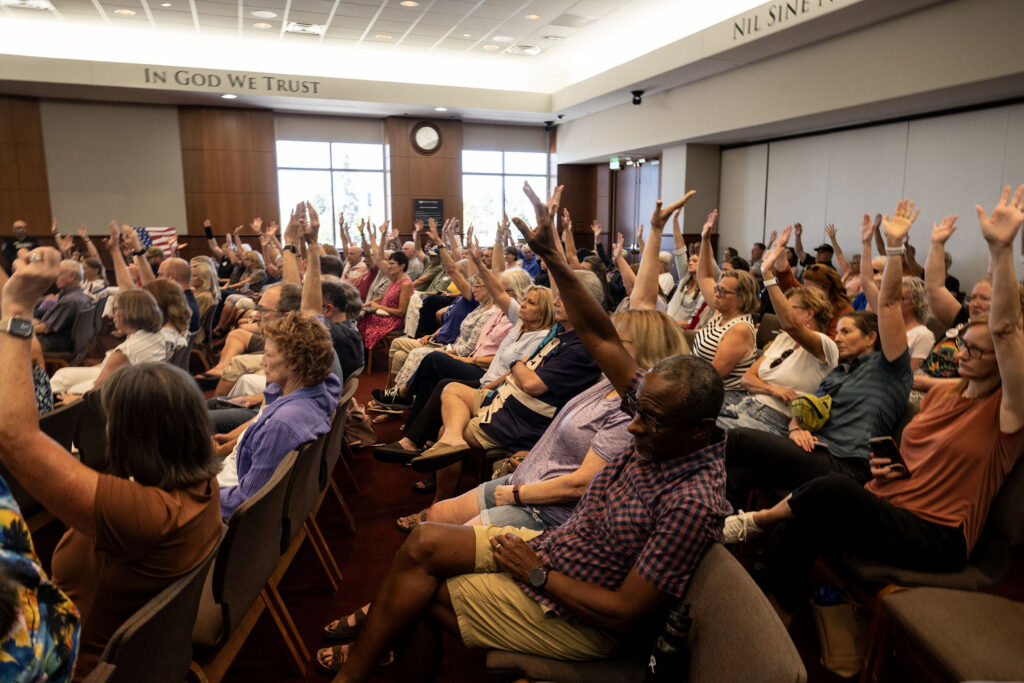
Douglas County commissioners denied a challenge Thursday to the language of a ballot initiative that would expand the board from three to five members. Following a contentious hearing that saw multiple audience members escorted out by police for disruptions, commissioners...

Favorability rating of Mayor Mike Johnston, Denver City Council slides
Nico Brambila
nico.brambila@denvergazette.com
Updated 4 days ago
Denver Mayor Mike Johnston’s favorability rating fell 7 percentage points over the past year, while the City Council’s favorability rating dropped 3 percentage points, a new poll has found. A little more than a year after taking office, Johnston had...

Judge orders home confinement for Barry Morphew
Dennis Huspeni
dennis.huspeni@gazette.com
Updated 5 days ago
An Alamosa County district judge has ordered home confinement for Barry Morphew, who is accused of murdering his wife. Barry Morphew, 59, faces a first-degree murder charge in the death of his wife, Suzanne Morphew, who disappeared Mother’s Day weekend...

Ikon Pass company Alterra to move into former Denver Post building, create downtown ‘outdoor hub’
Bernadette Berdychowski
bernadette.berdychowski@denvergazette.com
Updated 5 days ago
What was once the home of two of Colorado’s longest-running daily newspapers could soon become a central location for the state’s ski resort and outdoor companies, city and state leaders said Thursday. Alterra Mountain Co. is moving its headquarters to...
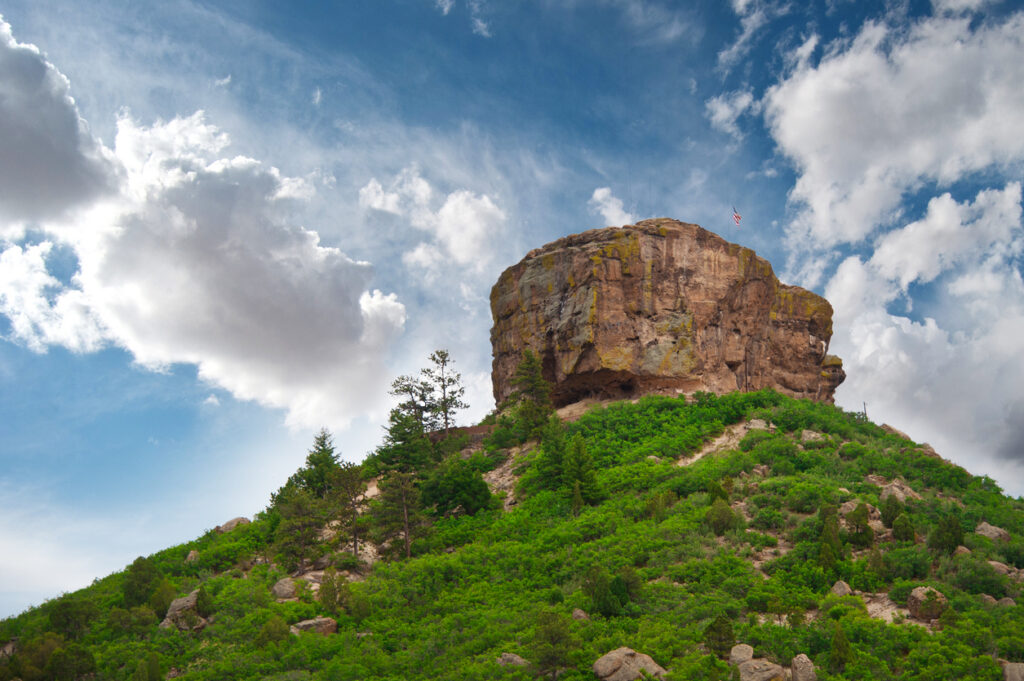
Castle Rock Town Council passes measure expanding authority over school-designated land and funds
Nicholas Fogleman
nicholas.fogleman@denvergazette.com
Updated 5 days ago
The Castle Rock Town Council passed an ordinance Tuesday that gives the council broader authority to repurpose land and cash designated for school facilities. Douglas County School District officials argue the move would allow the town to do so without...

Denver plans to spend $50M on improvements to Sloan’s Lake
Nicole C. Brambila
nicole-c-brambila@coloradopolitics.com
Updated 6 days ago
Denver plans to spend $50 million for Sloan’s Lake improvements. Mayor Mike Johnston and Councilmembers Amanda P. Sandoval and Jamie Torres announced the project’s launch steps from the lake’s shore near the jetty in the park on Wednesday morning. “After...
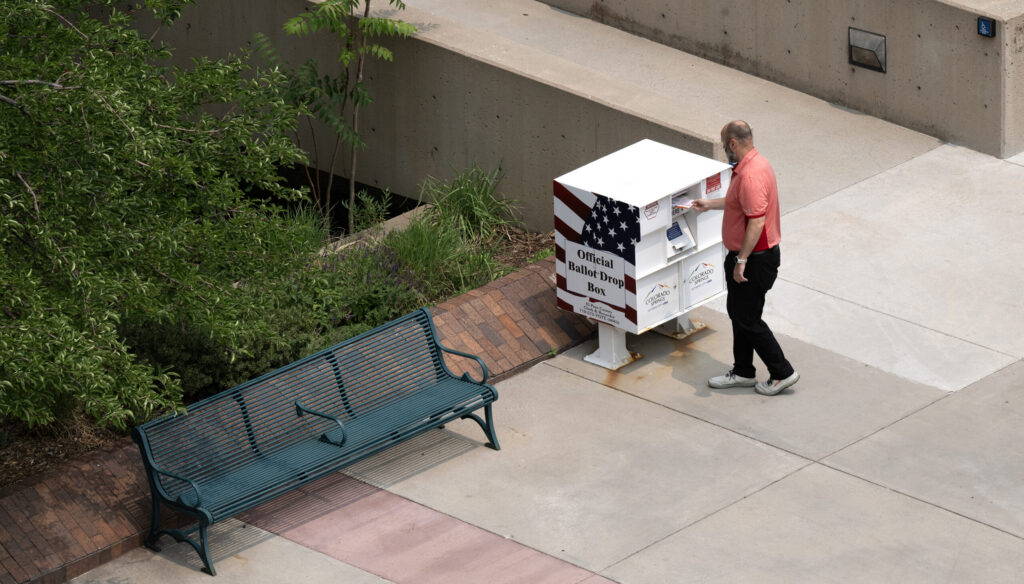
Petitions seek to place noise restrictions, surveillance cameras and water limits on Colorado Springs ballot
Brennen Kauffman
brennen-kauffman@coloradopolitics.com
Updated 5 days ago
Petitioners in Colorado Springs are preparing to gather signatures to place restrictions on noise levels, developments that use a large volume of water and surveillance cameras that use automatic tracking technology. The City Clerk’s office on Monday gave final approval...

Douglas County sheriff warns of scam impersonating officer
Nicholas Fogleman
nicholas.fogleman@denvergazette.com
Updated 6 days ago
The Douglas County Sheriff’s Office is warning residents about an ongoing scam in which a caller impersonates a sheriff’s office commander in an attempt to solicit payment. Officials said the scammer is posing as Sheriff’s Office Commander Chad Walker and...
PREV
PREVIOUS

Will Colorado Gov. Jared Polis’ independent streak define his legacy?
Sometimes aligned with his party and at other times apart from it, Colorado Gov. Jared Polis has spent much of his tenure charting his own course. That independent streak carried through fights over labor policy, rural anger over wolf reintroduction and ultimately his decision to commute Tina Peters’ sentence, a move that reshaped his standing […]
Trump reduces size of 2 national monuments in Utah amid public lands revamp | OUT WEST ROUNDUP
UTAH Trump shrinks national monuments President Donald Trump on July 13 sharply reduced the size of two national monuments in Utah, undoing protections established by his Democratic predecessors on public lands that are sacred among many Native Americans. Bears Ears and Grand Staircase-Escalante national monuments in southern Utah have ancient cliff dwellings, petroglyphs and scenic […]