

Routt County DA’s office faces multiple investigations after it drops high-profile rape case

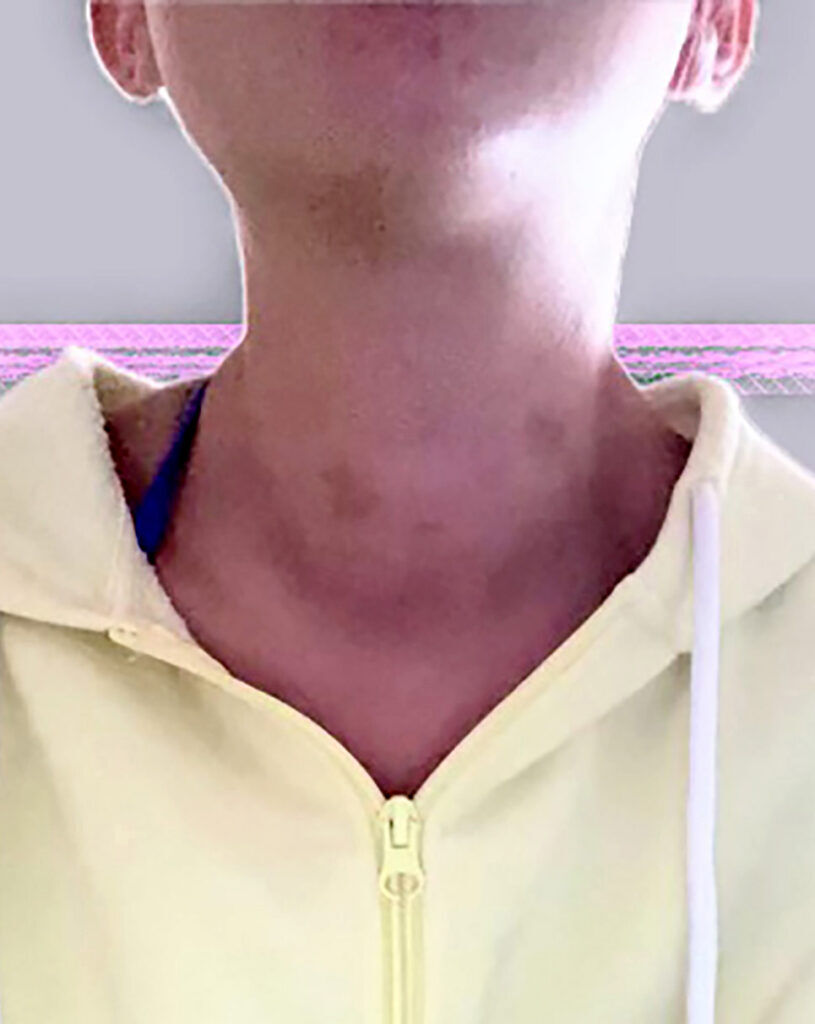
Routt County’s district attorney and deputy district attorney are now under increasing scrutiny on multiple fronts for their handling of the alleged drugging, rape and near-strangulation of a nationally ranked cross-country skier.
The fallout from their decision not to prosecute the suspect in Kiersten May’s sexual assault case despite medical, forensic and toxicology evidence that her family says corroborates her account has now prompted numerous state investigations and captured the attention of victim advocates and a nationally recognized legal expert.
On May 26, 2024, the then-18-year-old May told the Routt County Sheriff’s Office she was sexually assaulted at a high school graduation party and campout near Steamboat Springs by a young man she knew casually from competitive skiing. She said he put a substance on her tongue, telling her it was a harmless stimulant he used in workouts.
Although she acknowledged she had been drinking, she said she soon felt markedly woozy, unable to think straight and ultimately drifting in and out of consciousness.
The suspect, also 18 at the time, allegedly sexually assaulted her twice, she said. May told both law enforcement and The Gazette she felt unable to stop him. The second time, she said, he squeezed her neck so hard she blacked out.
But despite assurances from the sheriff’s deputy that an arrest was coming, almost exactly a year later, in May 2025, the District Attorney’s Office in the 14th Judicial District dropped the case.
The suspect, who is not being named because he was not charged, said in a statement he gave to the District Attorney’s Office that May was willing and their encounter was consensual, according to the law enforcement investigative file obtained by The Gazette.
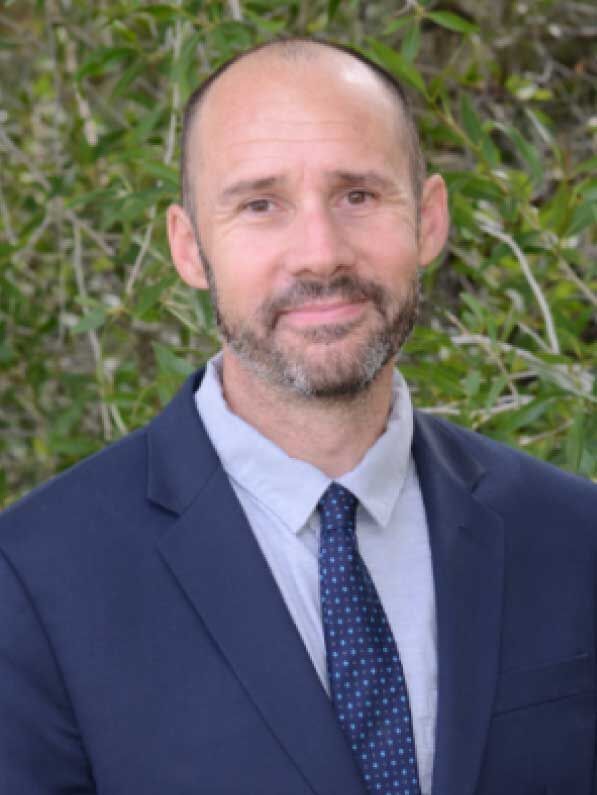
In the 14 months since the case was dropped, a total of four misconduct complaints were filed with the Colorado Office of Attorney Regulation against District Attorney Matthew Karzen and Deputy District Attorney Joseph Bucci for their handling of the case.
Karzen said in an email to The Gazette the complaints are “unfounded.”
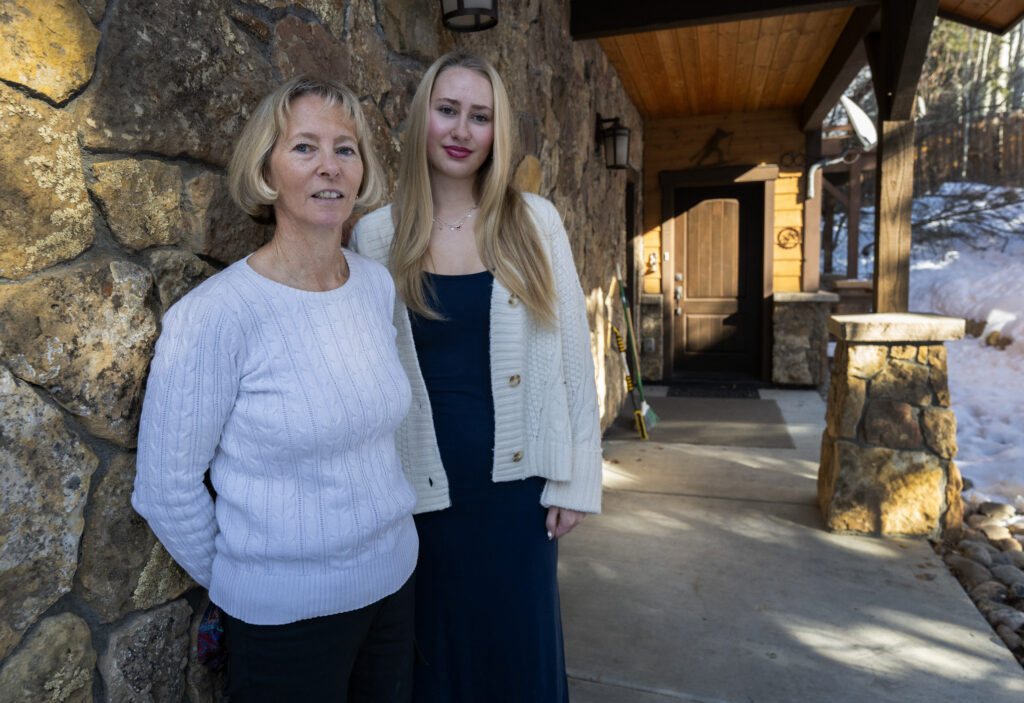
Kiersten May’s mother, Ramona May, filed two of the complaints, one each against Karzen and Bucci. She alleged ethical violations, including dishonesty, the lack of a thorough investigation and failure to adequately interview her daughter and communicate with their family.
Additionally, Elizabeth Wittemyer, a Steamboat Springs attorney representing the family, has filed two complaints of her own with the Office of Attorney Regulation, also one each against Karzen and Bucci. Her complaints are based on the treatment of May and her family, Wittemyer said in an interview.
Colorado’s Office of Attorney Regulation is an independent division of the state’s supreme court that oversees lawyers and paralegals, including investigating reports of misconduct. While rare, an upheld complaint can lead to serious consequences including license suspension or disbarment.
All of the complaints are currently pending, according to those involved.
Karzen said in his email to The Gazette he was aware of three of the complaints but not the most recent one against him filed by Wittemyer earlier this year.
The attorney reviews come on the heels of a separate state investigation late last year of the same case by the Crime Victim Service Advisory Board for the Colorado Division of Criminal Justice. A subcommittee found the district attorney’s office violated the state’s Victim Rights Act when it failed to treat the May family “with fairness, respect and dignity,” according to the decision.
While the Colorado Victim Rights Act does not have the power to change charging decisions, the staff at the District Attorney’s Office were ordered to undergo specialized training to better understand how to react with trauma victims, especially in sexual assault cases.
Karzen told The Gazette the mandatory training has been completed and was “excellent.” He said it helped “balance our ethical and substantial legal obligations as public prosecutors with the needs and experience of a victim.”
But on Thursday he said he still stood by his office’s decision not to prosecute the suspect.
“The assessment of a case for prosecution can only be based on an objective evaluation of the facts and the law, not on the preferences of any involved party, special interest group, or political agenda,” Karzen said by email.
The details of the case continue to raise troubling questions, victim advocates say.
Evidence gathered by law enforcement was chronicled in an investigative report obtained by The Gazette. It included:
- UCHealth medical records from May’s hospital rape exam showed significant bruising on her neck from being choked as well as a 1-inch gash on her labia.
- A toxicology report found the presence of a strong muscle relaxant known to suppress the central nervous system. May said the last time she took a muscle relaxant was weeks before to treat a sports injury, and it would not still be in her system, potentially pointing to her being drugged.
- A forensic analysis by the Colorado Bureau of Investigation showed a single source of male DNA on May’s genitalia that matched the suspect.
- The suspect’s phone revealed an internet search asking, “Can you give consent while drunk?” and “Will research chemicals show on a blood test?”
- Also on his phone was a series of text messages between the suspect and his mother in which he said May was not impaired and consented to the sexual activity. His mother responded, “I swear to God we have discussed choking” and “Are you telling me you get a thrill from it? Taking someone close to death?” Her son replied, “I’m sorry.”
The suspect later acknowledged in his statement to prosecutors he had put his hands on May’s neck but only “for all of three seconds.” He refused to be interviewed by law enforcement.
His lawyer did not respond to a request for comment by The Gazette.
In his five-page declination decision, Bucci wrote that, under guidelines from the National District Attorneys Association, the case would not be pursued.
“There is no good faith basis to believe that the Office can prove beyond a reasonable doubt that the suspect knew the victim was incapable of appraising the nature of her conduct,” he wrote.
The case was highlighted by The Gazette in an investigation published Feb. 27 examining the lack of arrests in Colorado sexual assault cases. The Gazette found that statewide over the past decade, for every 10 reports of rape, attempted rape, sodomy or rape with an object, there was only one arrest, according to an analysis of CBI crime data.
In Routt County, in 2024 there were 14 reports of rape but only one arrest, The Gazette analysis found.
In addition to the multiple state inquiries into the May case, the U.S. Center for SafeSport has also launched an investigation since both she and the suspect are student athletes and ski competitively on the college level.
The U.S. Center for SafeSport is a national nonprofit organization that tracks and investigates reports of sexual abuse of minors and amateur athletes who participate in Olympic sports. While it holds no law enforcement or judicial power, it can impose up to a lifetime ban of a person from a sport.
A spokesperson for the organization declined to comment on the status of its investigation.
The case has also caught the attention of victim rights advocates and a noted national legal expert in sexual assault.
Emily Tofte Nestaval, executive director of the Rocky Mountain Victim Law Center, a Denver-based nonprofit that provides free legal advice to crime victims and advocates for their rights, recently took an interest.
Although she has not directly reviewed all of the facts in the case, she said based on her conversations with the Mays she thought it appeared there was enough substantial evidence for some kind of charge. “The jury can’t make a decision if you don’t let them,” she said.
Paul Cassell, a former federal judge and federal prosecutor who is now a law professor at the University of Utah specializing in victim rights, said he also believed there was “strong evidentiary basis to move forward” with a prosecution. He called the decision to drop the case “surprising.”
Cassell is now advising the May family without fee.
He said the lack of prosecution in sexual assault cases is a systemic problem nationwide. In Utah, he helped spearhead a first-of-its-kind “Second Look” law that allows victims of unprosecuted serious sex crimes to ask the state attorney general to review the case and possibly change the charging decision.
He added that Colorado would benefit from a similar measure.
While not intended to be punitive toward district attorneys, Cassell said a “fresh set of eyes” can be beneficial, especially in smaller judicial districts that may be understaffed or lack the expertise for thorny cases.
“There can be mistakes made, innocent or otherwise, and having a review process is helpful,” he said.
Last month Kiersten and Ramona May, along with their attorney Wittemyer, and Nestaval met with Janet Drake, a Colorado assistant attorney general, to discuss their concerns. They also talked about the possibility of a “Second Look” law in the state.
A spokesperson for the Attorney General’s Office declined to comment on the meeting but said in an email that it is not uncommon to meet with victims.
Ramona May said Drake told her at the meeting there is not much currently the attorney general’s office can do in cases where a declination is disputed. Still, May said she was glad for the meeting.
“I felt like I was heard,” she said, adding that she will continue to fight for justice for her daughter.
Kiersten May, now a pre-med student, said she was always taught speaking up and reporting a crime was the right thing to do. She’s not sure she would recommend it to others anymore.
Still, she won’t allow herself to give up. At least not yet. “I definitely get discouraged,” she said last month after her meeting with the assistant attorney general, “But I can’t just accept it and move on.”

2 Colorado State troopers shot near Woodland Park; suspect killed
DEBBIE KELLEY
debbie-kelley@coloradopolitics.com
Updated 7 hours ago
Two Colorado State Patrol troopers were hospitalized, and a suspect is dead after a shooting during a traffic stop Tuesday. The initial incident happened at about 7:15 a.m., when a resident reported suspicious activity in the area near milepost 286...

Aurora moves forward with data center regulations
Kyla Pearce
kyla.pearce@gazette.com
Updated 8 hours ago
The Aurora City Council approved moving forward with two new regulations on data centers and directed staff to come back at the next study session with others. At a council meeting in early August, council members directed city management to...

Aurora City Council considers stricter food truck regulations
Kyla Pearce
kyla.pearce@gazette.com
Updated 8 hours ago
The Aurora City Council is considering passing laws to limit the number of food trucks on properties in the city and how and when they operate. Councilmember Angela Lawson, who sponsored the ordinance, said she understands the importance of food...
Colorado lawmaker, House leaders named in workplace-retaliation lawsuit
Marianne Goodland
marianne.goodland@coloradopolitics.com
Updated 8 hours ago
A former legislative aide has filed a lawsuit alleging she was mistreated, illegally directed to perform campaign work and harmed by a House leadership structure she charged was fragmented, politicized and ineffective at protecting employees. The lawsuit, filed by Jennifer...

Denver auditor finds oversight failures in $175.6M 16th Street project
Nico Brambila
nico.brambila@denvergazette.com
Updated 8 hours ago
Surprise historic sewer discovery delayed completion a year, cost $18M The Denver Auditor recently found significant oversight and contracting problems with the $175.6 million 16th Street Improvement Project, including an $18 million contract increase and a nearly one-year extension that...

Denver Public Schools welcomes 89,000 students back to the classroom
Elizabeth Pond
elizabeth.pond@denvergazette.com
Updated 7 hours ago
A swarm of students — some happily greeting teachers and reuniting with friends, others nervously clinging to their parents’ legs and rubbing bleary eyes — kicked off the first day of the new school year on Monday at Newlon Elementary...

Healthcare Freefall: Longer drives, fewer options for maternity care in Colorado
Thelma Grimes
thelma.grimes@coloradopolitics.com
Updated 2 days ago
Editor’s Note: Colorado’s healthcare system is entering a period of accelerating instability — a “tsunami,” as multiple leaders describe it — driven by collapsing hospital finances, shrinking Medicaid reimbursements, disappearing services and a political fight over who is responsible for...
Polis requests federal disaster declaration for Colorado wildfires and floods
9News
9news@coloradopolitics.com
Updated 1 day ago
On Sunday, Gov. Jared Polis officially requested a Major Disaster Declaration from President Donald Trump and the Federal Emergency Management Agency to support recovery from two wildfires and the subsequent flooding and debris flows on both burn scars. Polis requested a declaration...

Operation Foster helps ensure troops can return home to their pets
Mary Shinn
mary-shinn@coloradopolitics.com
Updated 2 days ago
As more troops have been sent overseas, more pets are in need of temporary care while they await their owner’s return home. Operation Foster, a nationwide nonprofit, helps provide some of that care by connecting service members with volunteers willing...
Operation Foster helps ensure troops can return home to their pets
Mary Shinn
mary-shinn@coloradopolitics.com
Updated 2 days ago
As more troops have been sent overseas, more pets are in need of temporary care while they await their owner’s return home. Operation Foster, a nationwide nonprofit, helps provide some of that care by connecting service members with volunteers willing...
PREV
PREVIOUS

Colorado hospitals poised to receive $455 million Medicaid funding boost
After years of losing out on the federal dollars, Colorado has been approved to tap a well-known Medicaid financing tool that is expected to bring more than $450 million to hospitals. Colorado did not pursue the financing tool until more recently, with hospital system executives earlier saying that decision had “set Colorado back.” The Centers […]

Denver to introduce biennial budget legislation, hear zoning changes for five neighborhoods
The Denver City Council will consider asking voters to overhaul parts of the city budget process, including an amendment to the City Charter to move to an optional two-year budget cycle and new requirements for public engagement. Two proposed linked “Budget Together Denver” measures will be introduced Monday, allowing the city to use either a […]