

Aspen Acres fire destroys 850 structures, including 254 homes in Pueblo County
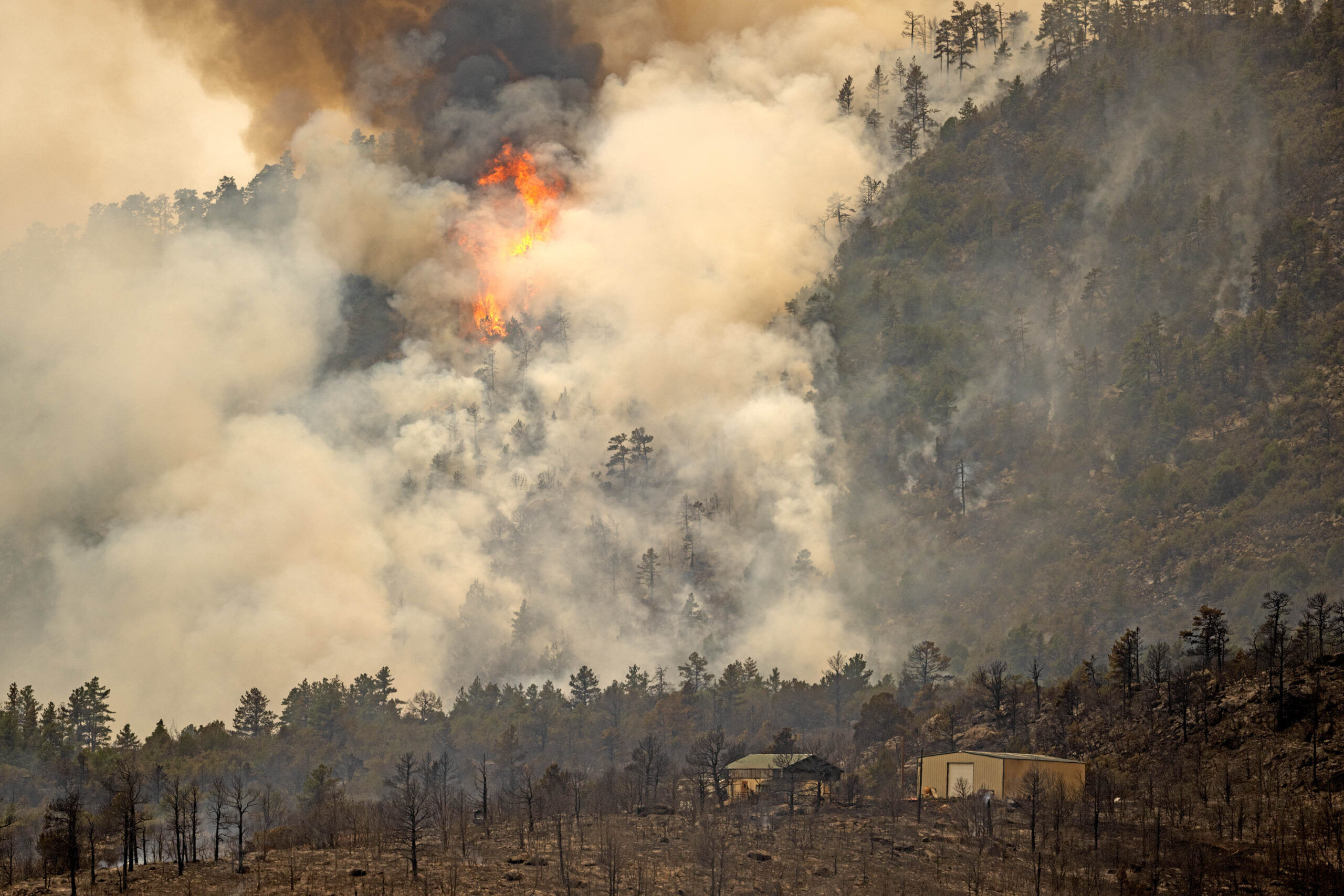
The Aspen Acres fire has destroyed about 850 structures, making it among the most destructive in state history, fire officials said Friday.
Firefighters count all structures lost in a fire, including barns and sheds, while county officials have focused on tallying homes.
Despite the number of structures lost, “There were a lot of good saves,” said Brad Washa, section chief for the incident management team overseeing the fire response.
The Pueblo County Sheriff’s Office has evaluated 661 properties inside the burn scar, and 254 homes have been destroyed, spokeswoman Gayle Perez said. Four businesses also burned in the fire. She said the number of properties inside the burn scar could rise.
In Custer County, 83 homes burned, about 2% of all the homes in the county, Sheriff Rich Smith said earlier this week.
The 2021 Marshall fire was the state’s most destructive, destroying 1,084 homes in Boulder County, according to the Colorado Division of Fire Prevention and Control.
The Aspen Acres fire has burned 97,083 acres and is 28% contained on its eastern and southeastern boundary near Colorado City, a significant jump from recent days, the incident team’s report said. It was 20% contained Thursday night.
About 1,900 people are assigned to the fire, a number that’s been steadily rising since the fire started June 29. The team now includes nine hotshot crews, more than 130 engines, 26 dozers and more than 15 aircraft, said Incident Commander Jake Livingston.
The Pueblo County Sheriff’s Office lifted evacuation orders across a large area on the southeastern side of the fire during the day Friday, allowing many people to return home.
Deputies lifted evacuation orders for 3R Road, Signal Mountain, Colorado City, Lake Beckwith to Crow Cutoff and locations east of Colorado 165 to Ray Boulevard.
The areas remain under pre-evacuation, Sheriff David Lucero said, and residents should remain ready to leave.
He acknowledged that residents in Rye and Beulah are likely eager to return home, but fire conditions must stabilize before that’s allowed, he said.
“We understand how difficult and stressful this situation has been,” he said.
The Red Cross is supplying residents returning home with kits to help protect them from the carcinogens left behind by the fire, said John Seward, a spokesman for the nonprofit. Residents can pick up the kits at each of the reentry points, he said.
The kits include gloves, masks, trash bags and other protective gear for residents to use as they determine what they can salvage from their homes, he said.
The kits are designed for homes that were not completely lost.
The homes that burned hot may not have much left in them to salvage, he said, as fire will consume wood, plastic and ceramic.
He advised residents to protect their lungs and skin from the contaminants.
“Put some separation between the air you are breathing and the soot and the ash,” he said.
Clothes worn while working on sites can also pick up contaminants and should be washed, he said.


Colorado to get $615M from Meta child safety settlement
Thelma Grimes
thelma.grimes@coloradopolitics.com
Updated 3 hours ago
The parent company of Facebook and Instagram will pay hundreds of millions of dollars to Colorado, part of an $18 billion multistate deal, in which the company also agreed to adopt extensive child-safety changes to its operations. The settlement ended...

Golden to pay $155,000 to fired city manager
Matt Kyle
matt.kyle@denvergazette.com
Updated 5 hours ago
The Golden City Council on Tuesday approved a roughly $155,000 severance payout to former city manager Scott Vargo, who was fired earlier this month following a “racist incident” at a city fire station. The payout is part of a separation...

Douglas County Schools puts $54M mill levy override on November ballot
Nicholas Fogleman
nicholas.fogleman@denvergazette.com
Updated 6 hours ago
The Douglas County School District board unanimously approved a resolution Tuesday to place a $54 million mill levy override on the November ballot, sending the funding request to voters after months of discussion about the district’s financial challenges. The proposed...

Drones rejoin Aspen Acres fire response amid stable containment entering 9th week
Cleo Westin
cleo-westin@coloradopolitics.com
Updated 7 hours ago
Unmanned aircraft systems have begun roaming areas of rough terrain where the 77% contained Aspen Acres fire continues to burn to aid firefighters, incident command announced on Monday and Tuesday. Wyoming Type 3 Incident Management Team 7 requested their help...
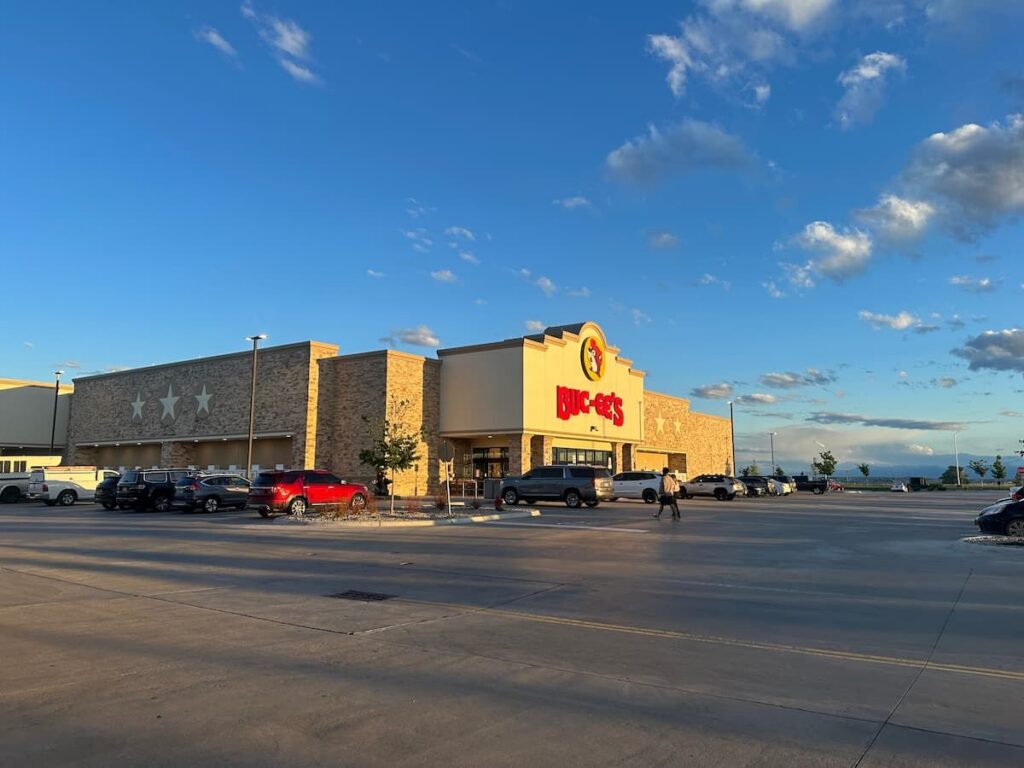
Buc-ee’s and El Paso County: What to know ahead of the public hearing
Savannah Eller
savannah-eller@coloradopolitics.com
Updated 7 hours ago
Controversial plans for the second Colorado location of the Texas travel chain Buc-ee’s are making their debut in El Paso County’s public hearing process. Interest in the project has been high from the start, defining over a year of local...

Aurora councilmembers apologize after passing police, firefighter raises on anniversary of McClain killing
Kyla Pearce
kyla.pearce@gazette.com
Updated 7 hours ago
Several Aurora City Councilmembers apologized to the public at the end of Monday night’s meeting after approving pay raises for police and firefighters on the anniversary of Elijah McClain’s death. McClain, 23, was killed in 2019 while walking home from...

Clear Creek, Jefferson County officials give inside look on wildfire preparations
Matt Kyle
matt.kyle@denvergazette.com
Updated 7 hours ago
When it comes to fighting wildfires, the best methods are proactive, not reactive. For officials in Clear Creek and Jefferson counties, it’s not a matter of if a wildfire happens, but when. With a large number of wildfires devastating parts...
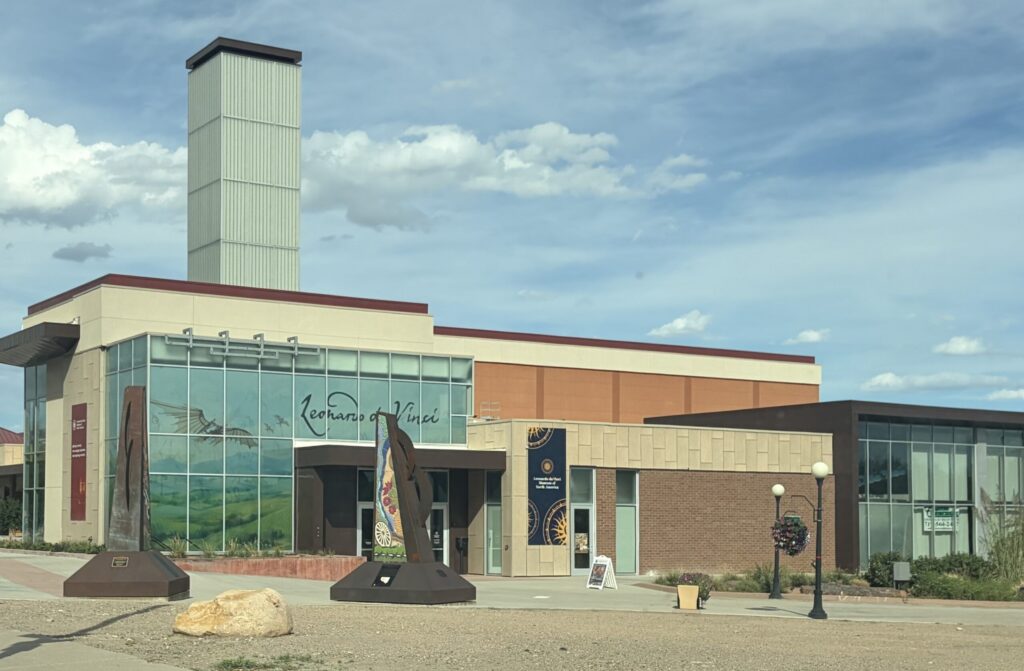
Pueblo City Council postpones vote on $885,000 funding for Leonardo da Vinci Museum
O'Dell Isaac
odell.isaac@gazette.com
Updated 7 hours ago
In a highly contentious meeting that included outbursts, raised voices and several calls for decorum, the Pueblo City Council on Monday postponed its vote on the Leonardo da Vinci Museum’s request for $885,000 in funding from the city’s $60 million...
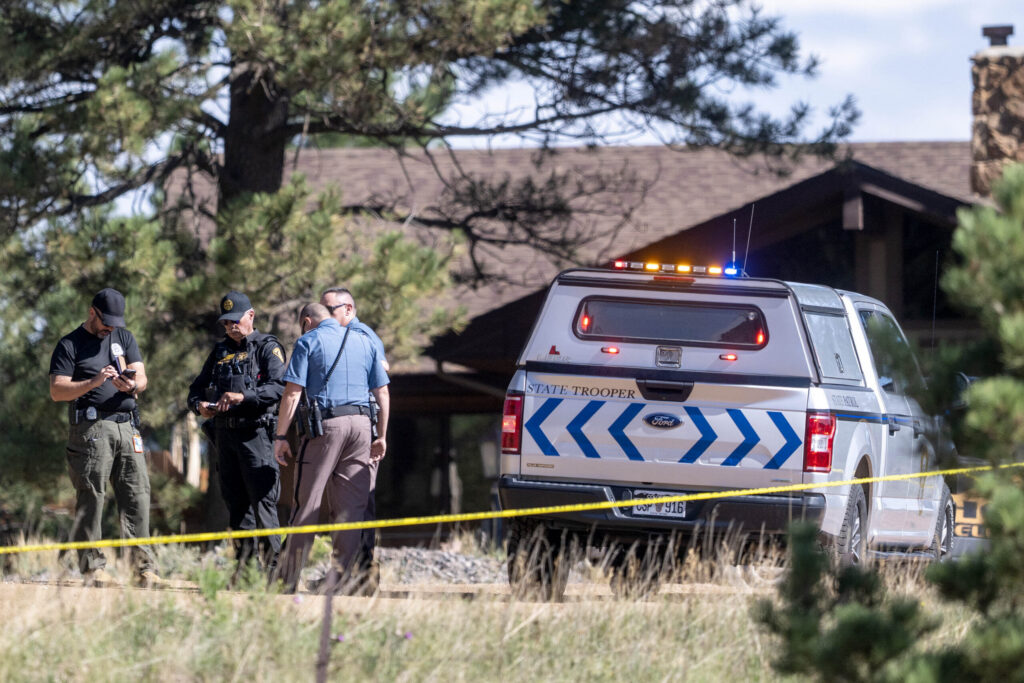
2 Colorado State troopers shot near Woodland Park; suspect killed
DEBBIE KELLEY
debbie-kelley@coloradopolitics.com
Updated 1 day ago
Two Colorado State Patrol troopers were hospitalized, and a suspect is dead after a shooting during a traffic stop Tuesday. The initial incident happened at about 7:15 a.m., when a resident reported suspicious activity in the area near milepost 286...

Aurora moves forward with data center regulations
Kyla Pearce
kyla.pearce@gazette.com
Updated 1 day ago
The Aurora City Council approved moving forward with two new regulations on data centers and directed staff to come back at the next study session with others. At a council meeting in early August, council members directed city management to...
PREV
PREVIOUS

Turnout surges and winning margins stretch as final returns post in Colorado's 2026 primary
County clerks finished posting unofficial results in Colorado’s primary election on Friday, drawing a line under a series of nominating contests that witnessed upsets, surprises and outright shockers by the time the votes were tallied. While the outcome changed in only one major, top-ticket race after the initial returns were reported on June 30, several […]

Lamm explains to Coloradans they already had enough tax relief; RMGO defies Owens and Tancredo | A LOOK BACK
Forty-five years ago this week: “Voting against tax relief is politically sensitive,” wrote Gov. Dick Lamm in a column in The Colorado Statesman. “But my conscience and my responsibility for Colorado’s fiscal health required a veto.” Lamm decided to personally author the opinion editorial as a way to explain to Coloradans why he felt the […]