

Appeals court reverses ‘particularly brutal’ sex assault convictions due to flawed warrant
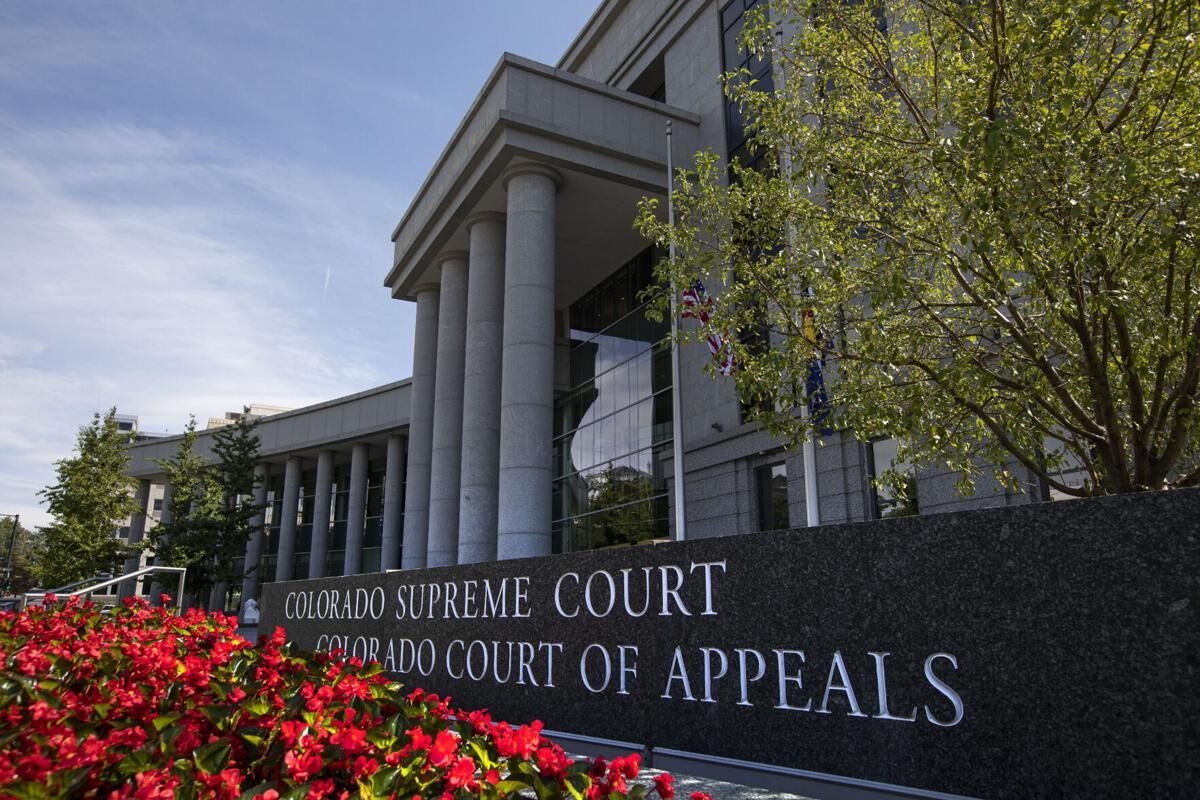
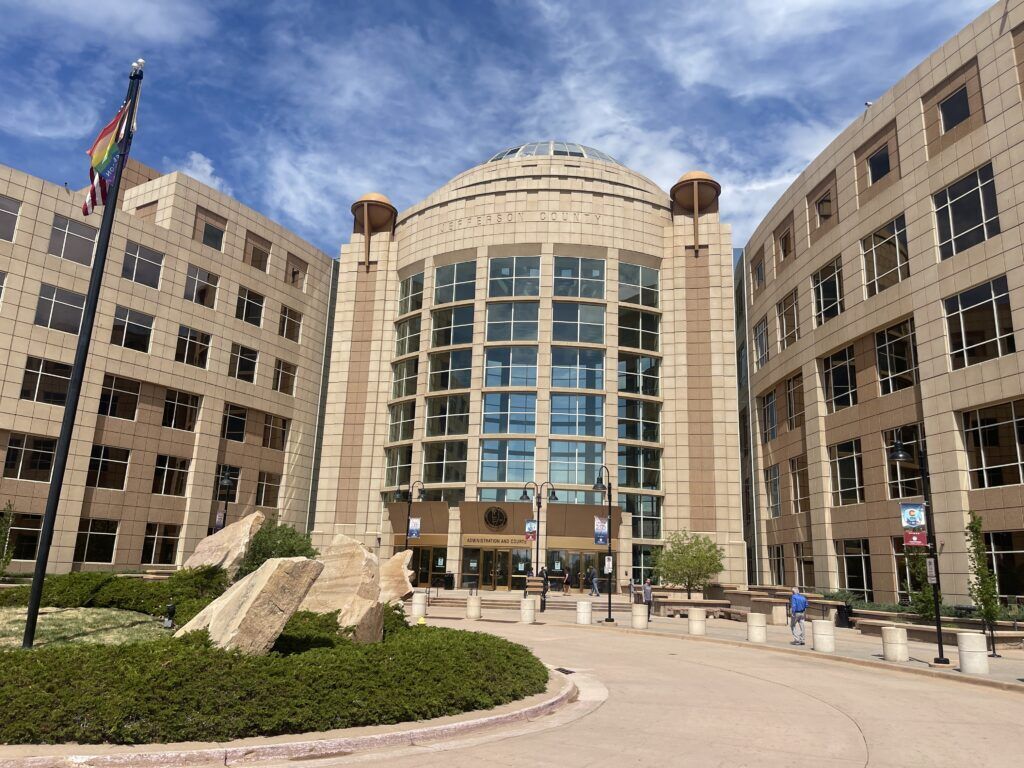
Colorado’s second-highest court reversed a Jefferson County defendant’s sexual assault and kidnapping convictions last month after concluding that police relied on an unconstitutionally broad search warrant to obtain evidence from the man’s cell phone.
Jurors convicted Joseph Gabriel Van Eck of abducting multiple women near Colfax Avenue, driving them toward the mountains, and sexually assaulting them. He received a sentence of at least 162 years in prison.
But a three-judge Court of Appeals panel concluded most of his convictions required reversal because the warrant that police relied upon failed to provide probable cause to search Van Eck’s phone for various types of evidence.
“We recognize the particularly brutal nature of the crimes involved here,” wrote Judge Terry Fox in the June 11 opinion, adding that evidence must be obtained in a constitutional manner. “Because that did not happen here, we must reverse.”
Case: People v. Van Eck
Decided: June 11, 2026
Jurisdiction: Jefferson County
Ruling: 3-0
Judges: Terry Fox (author)
Jerry N. Jones
Stephanie Dunn
After police arrested Van Eck, they drafted a warrant to search his cell phone. The warrant sought “any communication through social media platforms” related to sexual assaults, text messages, call logs, contact lists, and “photo and video files” to identify “interactions with possible victims.” A magistrate authorized the search.
The defense moved to exclude the cell phone evidence from trial, arguing the warrant was too broad and did not establish a connection between the criminal allegations and the listed information. District Court Judge Jason Carrithers determined the warrant was constitutional and permitted prosecutors to use the evidence.
But the Court of Appeals panel reached a different conclusion.
For the portion of the warrant seeking “any communication through social media platforms,” Fox noted there was no suggestion that Van Eck used social media to commit the charged crimes. Instead, he met them in person.
“Overall, the affidavit lacked evidence that Van Eck used social media to communicate with victims, about victims, or about his sexual activity,” she wrote.
Second, the panel believed the authorization to search all text messages, call logs, and contact lists was problematic because there was no limitation on the scope.
Finally, despite the warrant’s authorization for a search of “photo and video files,” there was no indication that investigators knew whether Van Eck took photos or videos during the assaults. Instead, the author of the warrant application wrote that it is “not uncommon for serial criminals to document their activities and crimes with their phone through the use of photos and videos, which are commonly shared through text messages.”
“The reference to ‘serial criminals’ could just as accurately have been replaced with ‘most people who own cell phones,'” wrote Fox. “We conclude that broad, generalized assertions about how criminals use their phones — even when based on an officer’s purported training and experience — are generally insufficient to provide probable cause.”
Although the appellate panel found multiple sections of the warrant problematic, it did not believe that all of the recovered evidence necessarily merited exclusion. For example, a photo suggesting Van Eck had robbed one of the victims did not likely affect his convictions, Fox wrote, because Van Eck had “effectively admitted to theft” when he testified.
However, the panel decided that videos Van Eck took while he assaulted two of the victims could not be used against him. Further, because police had identified one of the victims only after searching Van Eck’s videos, all subsequent evidence about her was improper, including her testimony at trial.
“At sentencing, the court said, “(M)y imagination couldn’t have equaled the horror that I saw on those videos,'” Fox wrote, describing the video of Van Eck’s rape of a 19-year-old victim as “harrowing.”
“Given the videos’ graphic nature and the clear implication that the women did not consent,” she continued, “there is a reasonable possibility that they may have contributed to Van Eck’s sexual assault and sexual contact convictions for all four victims.”
The panel ordered a new trial for seven of Van Eck’s convictions, while letting the remaining convictions stand.
The case is People v. Van Eck.

Federal judge postpones CU regent’s request to lift censure restrictions
Michael Karlik
michael.karlik@coloradopolitics.com
Updated 1 minute ago
A federal judge on Thursday canceled an upcoming hearing to decide whether to block the restrictions the University of Colorado’s governing body has placed on one of its members, indicating that he would instead pivot to the defendants’ motion to...
Colorado Supreme Court intervenes in 3 ongoing cases
Michael Karlik
michael.karlik@coloradopolitics.com
Updated 17 hours ago
The Colorado Supreme Court recently intervened in the prosecution of a juvenile defendant and will decide whether he is entitled to have prosecutors demonstrate probable cause at a hearing after a grand jury already determined probable cause existed. The justices...
Appeals court clarifies meaning of ‘at-risk’ victim based on breathing disability
Michael Karlik
michael.karlik@coloradopolitics.com
Updated 1 day ago
Colorado’s second-highest court clarified last month that victims qualify as “at-risk” under state law if they required mechanical assistance to breathe on the date of the offense against them. El Paso County prosecutors charged Jon Claude Crow with third-degree assault,...
Ex-attorney cannot remain anonymous while suing Colorado judicial branch, says 10th Circuit
Michael Karlik
michael.karlik@coloradopolitics.com
Updated 2 days ago
The Denver-based federal appeals court concluded last month that a former attorney cannot mask her identity while suing the Colorado Judicial Department for alleged improprieties in her disability and disbarment proceedings. “Jane Roe,” representing herself, sued the Judicial Department and...
Appeals court reverses convictions after judge blocked defendant’s character witnesses
Michael Karlik
michael.karlik@coloradopolitics.com
Updated 2 days ago
Colorado’s second-highest court reversed a defendant’s convictions for forgery and attempting to influence a public servant last month because a Boulder County judge improperly blocked him from calling witnesses who could testify about his truthfulness. A three-judge Court of Appeals...
Colorado Supreme Court accepts child neglect, unlawful search appeals
Michael Karlik
michael.karlik@coloradopolitics.com
Updated 2 days ago
The Colorado Supreme Court recently announced that it will decide whether a series of missteps led an El Paso County judge to improperly terminate a father’s parental rights, and whether a police officer defendant bears the burden of proving that...

Colorado Attorney General sues HUD over changes to homeless funding
Matt Kyle
matt.kyle@denvergazette.com
Updated 3 days ago
Colorado Attorney General Phil Weiser on Tuesday joined the attorneys general of several other states to sue the federal government over an attempt to cap funding for permanent housing projects. The change would result in tens of thousands of people...
10th Circuit upholds dismissal of ex-Teller County fire chief’s First Amendment lawsuit
Michael Karlik
michael.karlik@coloradopolitics.com
Updated 2 days ago
The Denver-based federal appeals court agreed on Tuesday that the former chief of the Florissant Fire Protection District could not prevail on the claim that his 2023 firing was retaliation for his First Amendment-protected activity. Erik Holt alleged the Teller...

10th Circuit agrees Colorado Springs paramedic, officer not liable for constitutional violations in man’s death
Michael Karlik
michael.karlik@coloradopolitics.com
Updated 2 days ago
The Denver-based federal appeals court decided on Monday that a Colorado Springs paramedic and police officer could not be held liable for constitutional violations for their roles in restraining a man in a mental health crisis, leading to his death....

Prosecutor plans to enter physical abuse evidence in Barry Morphew murder trial
Carol McKinley, Special to The Denver Gazette
carol.mckinley@gazette.com
Updated 3 days ago
The prosecutor in the Barry Morphew murder trial told a judge on Monday that she plans to introduce evidence of physical abuse in the couple’s marriage, which ended when Suzanne Morphew disappeared on Mother’s Day in 2020. Morphew has been...
PREV
PREVIOUS

Many U.S. Jewish adults have experienced assault or harassment over the past year, poll finds
WASHINGTON • Many Jewish adults feel unsafe in the United States, a new AP-NORC poll finds, with a majority saying they feel less safe than they did before Hamas’ Oct. 7, 2023 attack on Israel. The survey from The Associated Press-NORC Center for Public Affairs Research points to how Jewish adults’ attitudes toward their own […]

Federal judge postpones CU regent’s request to lift censure restrictions
A federal judge on Thursday canceled an upcoming hearing to decide whether to block the restrictions the University of Colorado’s governing body has placed on one of its members, indicating that he would instead pivot to the defendants’ motion to dismiss. CU Regent Wanda James is suing her fellow Board of Regents members over their […]