

Colorado Supreme Court intervenes in 3 ongoing cases
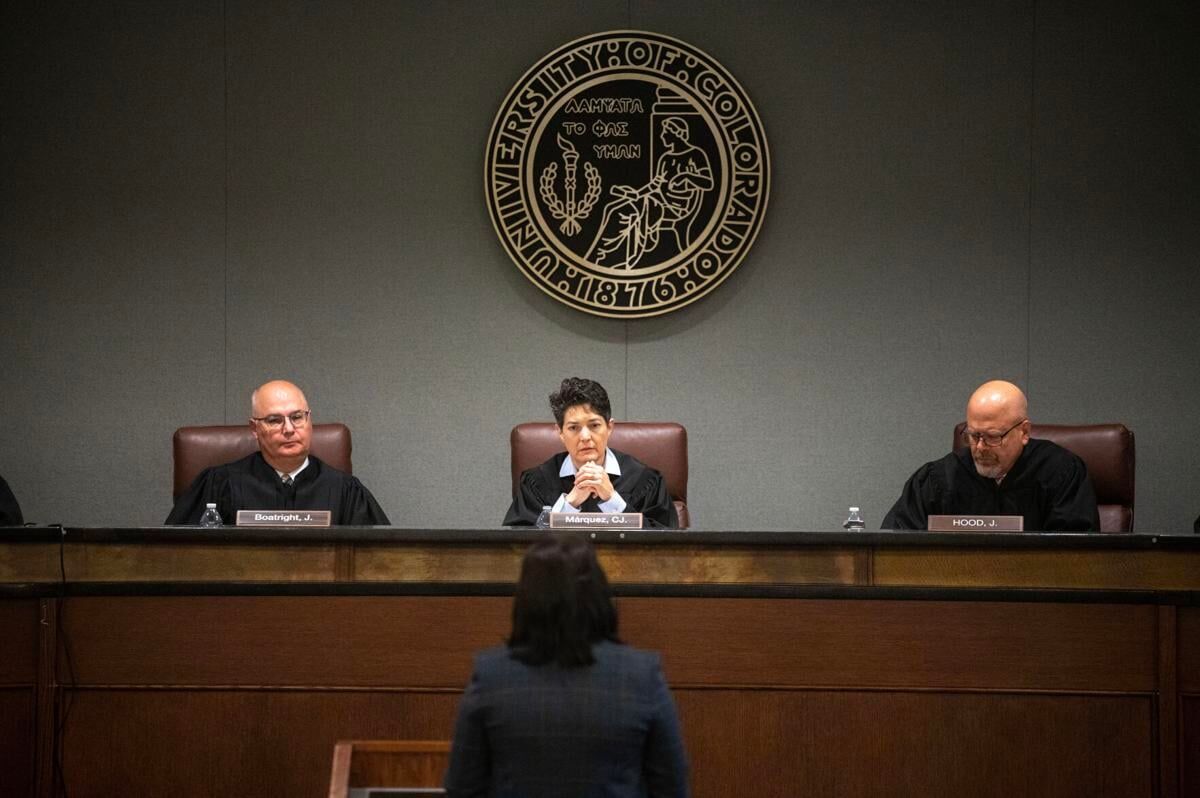
The Colorado Supreme Court recently intervened in the prosecution of a juvenile defendant and will decide whether he is entitled to have prosecutors demonstrate probable cause at a hearing after a grand jury already determined probable cause existed.
The justices also will determine whether a judge correctly ordered a defendant back into jail until he was competent to proceed, and if the 30-day window for challenging a public entity’s issuance of bonds applies to a dispute over a large-scale Commerce City development.
At least four of the court’s seven members must agree to hear a case outside of the normal appeals process.
Probable cause
In April, Larimer County prosecutors obtained a grand jury indictment against five adults allegedly involved in a criminal drugs-and-guns operation to benefit a street gang. The indictment also found probable cause existed for offenses committed by a 17-year-old, identified as A.E.R.
Ordinarily, when a grand jury finds probable cause to indict an adult for a crime, the defendant is not entitled to a preliminary hearing at which the prosecution must prove probable cause exists to bring the defendant to trial.
The prosecution argued that A.E.R. was not entitled to a preliminary hearing because, even though the indictment was not directed at him, there was still a finding of “probable cause by an independent body through a different, but just as reliable mechanism.”
The defense believed otherwise.
“Adult criminal proceedings can be initiated by a grand jury indictment, because the adult criminal rules and procedures specifically allow this. Where an adult criminal proceeding is initiated through a grand jury indictment, a defendant does not also have a constitutional right to a preliminary hearing,” wrote A.E.R.’s attorney. “However, juvenile delinquency proceedings cannot be initiated by a grand jury indictment, because the juvenile delinquency rules and procedures do not allow this.”
District Court Judge Joseph D. Findley agreed that A.E.R. was not entitled to a hearing on probable cause, as “the purpose of a preliminary hearing has been accomplished by the grand jury indictment.”
The defense turned to the Supreme Court, arguing no prior case answered the question of A.E.R.’s entitlement to a preliminary hearing under the circumstances.
“Because a grand jury indictment is not a legally recognized procedure for commencing a juvenile delinquency proceeding, any indictment returned by a grand jury has no legal effect on the juvenile proceeding,” wrote A.E.R.’s lawyers. “Therefore, the existence of a grand jury indictment cannot alter or diminish the procedural rights afforded to a juvenile.”
The Supreme Court ordered a response to the defense’s petition.
The case is People in the Interest of A.E.R.
Competency evaluation
Pueblo County prosecutors charged Dalton Rincon in April 2024 with assaulting two sheriff’s deputies. Quickly, his lawyer raised concerns that Rincon was unable to “perceive, relate, and process information,” and requested a competency evaluation.
Rincon remained incarcerated for months while a psychologist determined he was incompetent to proceed and likely required treatment in custody. In April 2025, another evaluator found Rincon remained incompetent and recommended antipsychotic medicine.
Then, in August 2025, the original psychologist determined Rincon was now competent to proceed in his case. Three days later, Rincon posted bond and was released from jail.
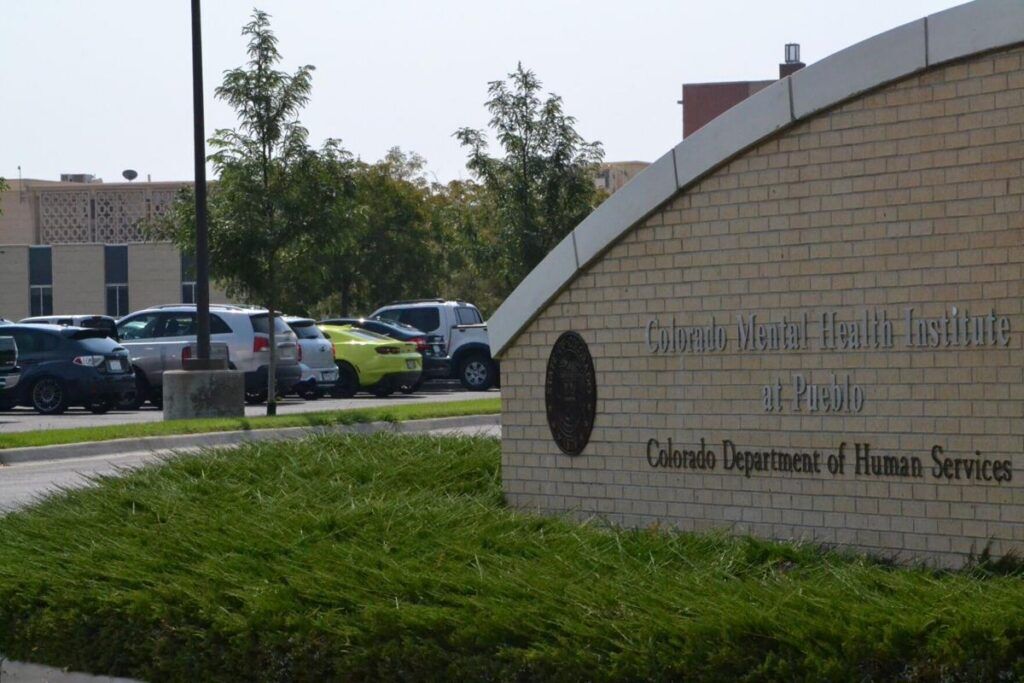
However, his lawyer once again raised concerns about Rincon’s mental ability to participate in his case, and asked for another competency evaluation. A third evaluator agreed Rincon lacked competency, and opined that psychiatric treatment could occur out of custody.
At a Dec. 17 hearing before District Court Judge Thomas Flesher, the prosecution did not object to the evaluator’s findings or recommendation. Yet, Flesher was “not comfortable” that Rincon would abide by the treatment plan out of custody.
“I appreciate the fact that Mr. Rincon has been coming to court and respectfully staying out of trouble, but I believe inpatient restoration is the appropriate way to go here,” he said in ordering Rincon back to jail.
Rincon’s lawyer quickly withdrew and his new public defender asked Flesher to reconsider, citing the portion of Colorado law requiring judges to order out-of-custody competency restoration services unless an evaluator recommends otherwise. Flesher declined to modify his order.
Rincon then sought the Supreme Court’s intervention.
“The Colorado legislature has made it clear that the trial court does not have boundless authority to incarcerate individuals at will, without limitation, simply because findings are made about an individual’s ability to understand the legal procedures of a criminal case,” wrote public defender Alexander G. Brock. “To incarcerate anyone who is found incompetent to proceed places individuals with a history of mental health concerns in a jail which exacerbates those health concerns and cruelly subjects them to undue hardships.”
The Supreme Court directed Flesher and the district attorney’s office to respond.
The case is People v. Rincon.
Special district bonds
There are roughly 2,800 special districts in Colorado, which are local governments that perform specific functions within a geographic area. Most are metropolitan districts, which can finance new infrastructure.
In 2000, the Reunion Metropolitan District formed in Commerce City to facilitate a 3,100-acre mixed-use development. Reunion was the “service district,” meaning it would construct and manage the public improvements, and a handful of other districts would finance the project over time.
In 2016, the entities entered into the Mill Levy Equalization and Pledge Agreement, which they amended the following year to authorize Reunion to issue $21.6 million in bonds for debt related to the development.
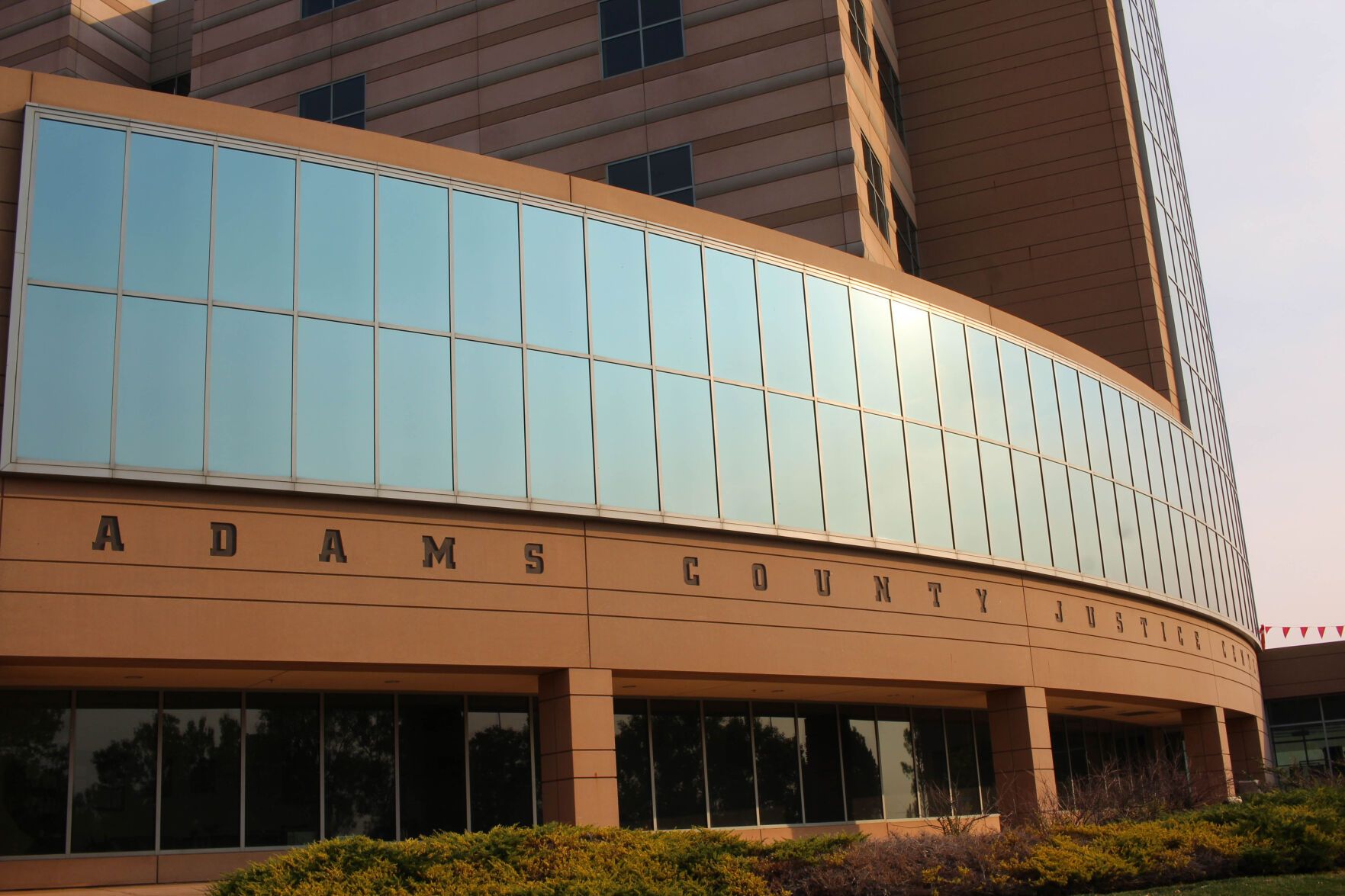
Then, in 2022, two of the financing districts sought to invalidate the agreement. Reunion filed suit in Adams County to enforce the agreement. It moved to dismiss the financing districts’ claim of invalidity by citing the Supplemental Public Securities Act, a state law that prohibits challenges to the issuance of securities after 30 days. “Securities” encompass financial contracts, notes, and bonds issued by a public entity.
“The Court acknowledges Plaintiff’s argument that the Mill Levy Equalization and Pledge Agreement (‘MLEPA’) constitutes a financial contract connected to the issuance of traditional security instruments,” wrote District Court Judge Toni J. Wehman in declining to dismiss the financing districts’ challenge. “The Court is not persuaded, however, that the legislature intended the term ‘security’ under the Act to encompass the MLEPA.”
She added that, in her view, the agreement was an intergovernmental arrangement for the provision of services, and that the 30-day challenge window did not apply.
After Wehman declined to let Reunion seek immediate Court of Appeals review, Reunion turned to the Supreme Court to argue that her interpretation would have significant implications for the $8 billion debt carried by special districts under similar agreements.
The Metro District Education Coalition, the Special District Association of Colorado, the Colorado Municipal Bond Dealers Association and other groups also urged the Supreme Court to step in and prevent disruption to existing publicly financed projects.
The securities act “has served as a necessary source of certainty for these transactions: public entities can work with each other and the finance market to promote growth and development, so long as investors know the transactions — including, critically, the underlying pledge agreements between financing governments and issuers — are beyond challenge,” the groups argued.
The Supreme Court directed the financing districts to respond.
The case is Reunion Metropolitan District et al. v. North Range Metropolitan District No. 1 et al.


Denver murder conviction reversed for incomplete self-defense instruction
Michael Karlik
michael.karlik@coloradopolitics.com
Updated 8 hours ago
Colorado’s second-highest court reversed a defendant’s murder conviction last week because a Denver judge gave an incomplete instruction to the jury about the man’s right to self-defense. Donald R. Gonzales and Gary McLaughlin met up in a Capitol Hill parking...
Colorado lawmaker, House leaders named in workplace-retaliation lawsuit
Marianne Goodland
marianne.goodland@coloradopolitics.com
Updated 11 hours ago
A former legislative aide has filed a lawsuit alleging she was mistreated, illegally directed to perform campaign work and harmed by a House leadership structure she charged was fragmented, politicized and ineffective at protecting employees. The lawsuit, filed by Jennifer...
Federal judge hears arguments about Colorado’s 3-day gun purchase waiting period
Michael Karlik
michael.karlik@coloradopolitics.com
Updated 15 hours ago
A federal judge heard arguments on Monday about the constitutionality of a 2023 Colorado law that generally imposes a three-day waiting period on firearm purchases after the initiation of a background check. The test that the U.S. Supreme Court created...

Colorado Supreme Court intervenes in Weld County prosecution dismissed due to Missy Woods misconduct
Michael Karlik
michael.karlik@coloradopolitics.com
Updated 7 hours ago
The Colorado Supreme Court ordered a Weld County trial judge last week to respond to the district attorney’s claim that he improperly dismissed a criminal case because of “outrageous” conduct by the Colorado Bureau of Investigation. Daniel Lee Eatinger stood...
Schoolchildren’s presence at child sex-related trial did not harm Arapahoe County defendant, appeals court says
Michael Karlik
michael.karlik@coloradopolitics.com
Updated 3 days ago
Colorado’s second-highest court decided on Thursday that the presence of a group of schoolchildren on the first day of a child sexual exploitation trial did not violate an Arapahoe County defendant’s constitutional right to a fair trial. Prosecutors charged Jerry...
Appeals court cites week-old Colorado law to reinstate child neglect case at child, father’s request
Michael Karlik
michael.karlik@coloradopolitics.com
Updated 3 days ago
Colorado’s second-highest court invoked a new state law for the first time on Thursday and reinstated a child neglect case that both the child and her father wished to reopen. House Bill 1227 took effect on Aug. 12, reversing a...
Colorado Supreme Court names William Hood as next chief justice
Michael Karlik
michael.karlik@coloradopolitics.com
Updated 4 days ago
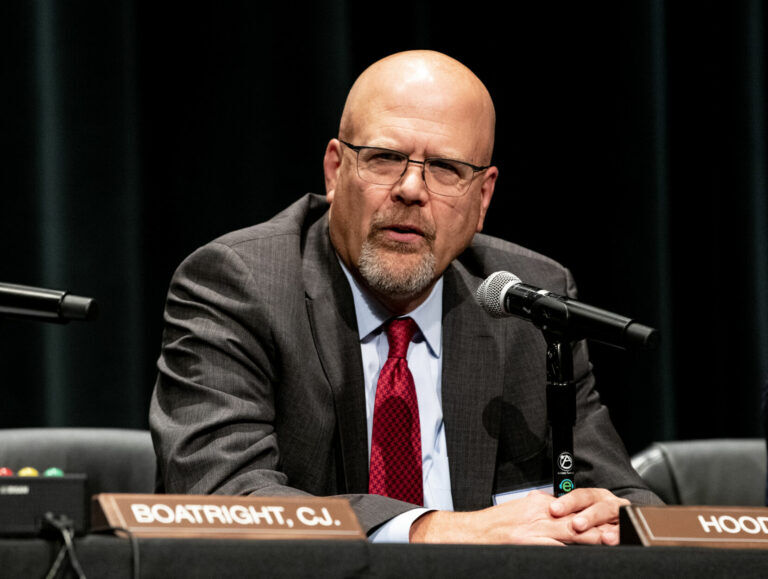
The Colorado Supreme Court has selected Justice William W. Hood III to be the next chief justice, the judicial branch announced on Friday. Hood will succeed Chief Justice Monica M. Márquez, who took over the role in July 2024. “I...
Family of slain Lakewood teacher releases statement as murder suspect makes first court appearance
Matt Kyle
matt.kyle@denvergazette.com
Updated 2 days ago
Patrick Theodore Barnett, the Lakewood man accused of killing his wife, a Jeffco Public Schools art teacher, made his first court appearance Friday morning as his wife’s family looked on. The status conference hearing was held before District Court Judge...
Appeals court upholds Park County trophy hunting conviction
Michael Karlik
michael.karlik@coloradopolitics.com
Updated 4 days ago
Colorado’s second-highest court clarified on Thursday that a defendant may stand convicted under the state’s trophy hunting laws if he abandons a bear carcass but returns later to remove the meat. Under Colorado law, it is a felony to detach...
Judge grants partial injunction to GEO in fight against state health inspection law
Kyla Pearce
kyla.pearce@gazette.com
Updated 5 days ago
A judge ruled Thursday that The GEO Group does not have to follow parts of a new state law requiring more frequent health and safety inspections at the U.S. Immigration and Customs Enforcement processing center in Aurora. Under the order...
PREV
PREVIOUS

Denver launches $100 million effort to support 10,000 new jobs
The City of Denver is aiming to support 10,000 quality jobs citywide over the next three years, Mayor Mike Johnston announced on Thursday. The Denver Jobs Agenda is a new city-backed strategy that will invest $100 million to support in-demand job training and attract and grow more small businesses. “Denver’s economy thrives when the city helps employers […]

Rate reductions force Jefferson Center to close key recovery program as Colorado reimbursement rates change
A second Front Range community mental health center is eliminating services due to new reimbursement rates set by the Colorado Department of Health Care Policy and Financing that will go into effect on Oct. 1. The Jefferson Center for Mental Health announced Tuesday it is closing its adult residential recovery program, which annually serves about […]