

We have the chance to change Colorado’s cancer outcomes | PODIUM
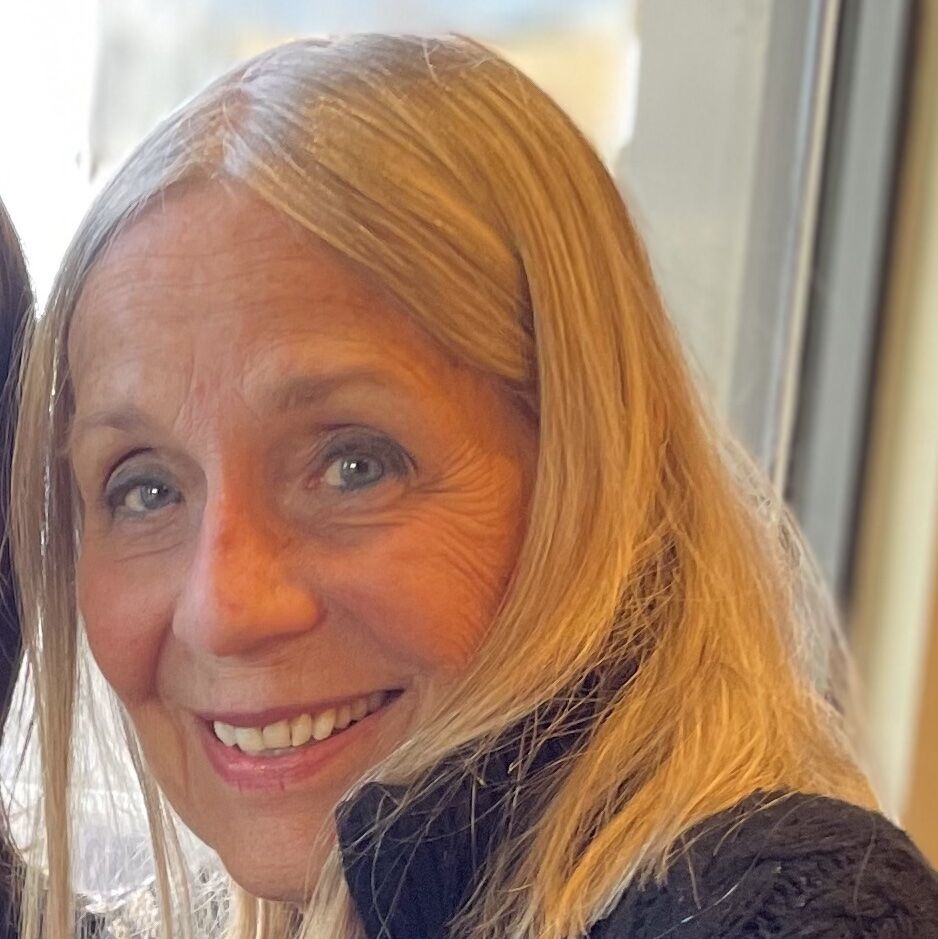
By Erika Hanson Brown
Colorado ranks among the healthiest states in the nation by nearly every measure. Yet even here — amid the Rocky Mountains and our deeply rooted culture of health and activity — cancer casts a long and painful shadow, remaining the leading cause of death in our state. Each year, more than 20,000 Coloradans hear the words, “you have cancer,” and far too often it comes at a late stage, when treatment is most difficult. In a state known for its commitment to health, prevention and innovation, there is a growing reason for hope: new breakthroughs are beginning to change what is possible for patients and families across Colorado.
June is National Cancer Survivors Month, which honors millions of people who have survived cancer and highlights the ongoing medical, emotional, and practical realities of survivorship.
As a cancer survivor myself and as someone who works closely with patients every day, I’ve seen firsthand how quickly a diagnosis can change the course of someone’s life. There is nothing more heartbreaking than sitting with someone newly diagnosed — and even more so when that diagnosis is Stage IV. We encourage recommended cancer screenings, we promote prevention, but for far too many cancers such as ovarian or pancreatic, early detection tools simply didn’t exist until now.
A new generation of cancer-screening tools holds the potential to transform how we detect cancer — finding more cancers, and at earlier stages, when treatment is more effective and outcomes can improve. A large-scale clinical study recently reported deeply encouraging news, showing these tests are detecting cancers earlier and reducing late-stage diagnoses for some of the deadliest forms of the disease. This represents an important step forward in how we approach cancer detection and care.
For Colorado families, these advances represent more than a medical breakthrough; they offer hope fewer people will face the devastating reality of a late-stage cancer diagnosis.
And there is already meaningful progress. Congress recently advanced legislation to pave the way for Medicare to cover these blood tests once they are approved by the Food and Drug Administration. Colorado’s own U.S. Sen. Michael Bennet was one of the authors of this critical policy and worked tirelessly to bring this vision closer to reality.

The need for this progress is clear. Today, seven of every 10 cancer deaths come from cancers with no recommended screening available. This leaves far too many people vulnerable, living without symptoms, unaware cancer is silently progressing. As a result, many patients are diagnosed only after the disease has advanced, when treatment options are more limited and outcomes less favorable.
Counselors at my organization have had agonizing interactions with patients who are informed their cancers are at advanced stages and their cancer journey will be incredibly challenging. Late-stage cancer is not just a diagnosis — it is a life-altering reality filled with grueling treatments and profound emotional and physical tolls.
Multi-cancer early-detection tests offer something we have long hoped for: a chance to find cancer sooner, to treat it more effectively, and to give people more time to enjoy every moment. Earlier detection can expand treatment options and improve quality of life for many patients, enabling more early diagnoses and improving the chances for successful treatment and a healthier life. This is truly a turning point.
The leadership shown by Sen. Bennet and his colleagues in Congress has brought us closer than ever to making these tools broadly available. The legislation keeps new cancer-detection tools from getting hung up in unnecessary bureaucratic delays, but our work is not yet done until these tests are accessible to those who need them.
Cancer has affected far too many families across Colorado and across the nation. Now, we have an opportunity within reach to change that story.
Now is the time to build on this progress by embracing innovation, ensuring access and advancing earlier detection so more patients can be diagnosed sooner and have better outcomes.
Erika Hanson Brown is the founder and KAPA-in-chief of One Cancer Place, a nonprofit focused on improving the cancer patient experience. She is also a stage-3C colon cancer survivor with more than 23 years of no evidence of disease.


Colorado, like America, past due for generational change in politics | Miller Hudson
Miller Hudson
miller-hudson@coloradopolitics.com
Updated 13 hours ago
I was 27 before I ever voted for president. At 19, in 1964, the Constitution had not yet been amended establishing 18-year-old voting eligibility. In 1968, I was serving overseas with the U.S. Navy at a time when there was...

Farmers and ranchers win on NIETC cancellation | Rachel Gabel
Rachel Gabel
rachel-gabel@coloradopolitics.com
Updated 13 hours ago
The Department of Energy rolled into Lamar last week and Office of Electricity Assistant Secretary Katie Jereza stood in her neat, green suit in front of a room filled with farmers, ranchers and landowners. The crowd was filled with straw...

Going after the wrong butts | Jon Caldara
Jon Caldara
jon-caldara@coloradopolitics.com
Updated 3 days ago
Mayor Mike Johnston proclaimed, “It is past time Big Tobacco cleaned up the big mess it’s created.” Yep. Denver is suing tobacco companies for the cigarette butts littering the city. Because Denver’s Big Mess couldn’t possibly be the fault of...
Three districts that will answer key Colorado political questions | Paula Noonan
Paula Noonan
paula-noonan@coloradopolitics.com
Updated 4 days ago
Colorado’s legislature used to be a place where neither party was dominant. Dozens of seats were competitive and House and Senate majorities switched regularly. From 2010 to 2020, the House was predominantly Democratic with one two-year assembly under Republicans. The...

Hunting is a privilege, not a constitutional right | PODIUM
Colorado Politics
colorado-politics@coloradopolitics.com
Updated 4 days ago
By Roland Halpern Colorado voters may soon be asked to place hunting and fishing in the state constitution. Proposition 302 would establish the right to hunt, fish and take wildlife using “traditional methods,” while declaring hunting and fishing are the...

DEA’s Miguel Chino describes Colorado’s place on the ‘fentanyl pill superhighway’ | The OpEdge Podcast
Tony Olivero
tony.olivero@gazette.com
Updated 6 days ago
Miguel Chino, Acting Special Agent in Charge of the Drug Enforcement Administration’s Rocky Mountain Field Division, joins The OpEdge to paint the picture of Colorado’s place on America’s “fentanyl pill superhighways.” Chino updates Gazette and Colorado Politics Deputy Opinion Editor...
A right to buy a product? | Hal Bidlack
Hal Bidlack
hal-bidlack@coloradopolitics.com
Updated 6 days ago
A recent story in Colorado Politics caught my eye, as I learned of a “citizen initiative” that has qualified for the November ballot. It seems supporters of Initiative 177 have collected enough signatures, 146,165 legitimate ones out of a total...

Fourteen years after Aurora — we can’t afford to go backward | GUEST COLUMN
Colorado Politics
colorado-politics@coloradopolitics.com
Updated 6 days ago
By John Hickenlooper and Gabby Giffords Two Saturdays ago, a gunman shot and killed three people and wounded several others in Twin Falls, Idaho. This latest deadly shooting comes only days after we remembered the lives we lost 14 years...

A daring and fearless rescuer — is afraid of a debate | Dick Wadhams
Dick Wadhams
dick-wadhams@coloradopolitics.com
Updated 1 week ago
Victor Marx, the Republican nominee for governor who says he can exorcize demons and who claimed he has fearlessly rescued 45,000 women and children during 150 “high-risk” missions around the world, appears to be intimidated by the notion of debating...
Colorado’s ballot-initiative process again a battleground for deep pockets, special interests — not the people | Miller Hudson
Miller Hudson
miller-hudson@coloradopolitics.com
Updated 4 days ago
The Oxford English Dictionary defines a constitution as, “The set of fundamental principles according to which a state is constituted and governed, a body of rules prescribing the major elements of the structure and activities of any organization.” Somewhere in...
PREV
PREVIOUS

Colorado has a playbook for youth mental health — our next governor must use it | GUEST COLUMN
By Karen Ron-Li Liaw From the rural communities on the western slope to the eastern plains, to the major urban regions on the Front Range, Colorado families are navigating an all-too-familiar crisis: kids are struggling, and Colorado’s mental health system can’t keep up. More than one in seven young Coloradans reported poor mental health in […]
Who gets to decide Colorado's economic future? | GUEST COLUMN
By Sarah Blackhurst Colorado’s prosperity depends on industries that grow our food, build our future and power our homes. But today, these sectors face an invisible threat from 5,000 miles away: the European Union’s Corporate Sustainability Due Diligence Directive (CS3D). This foreign regulation requires companies to mitigate environmental and human-rights effects throughout their entire global […]