

Delaying clean energy isn’t the affordable choice for Colorado Springs | OPINION

By June C. Waller
This year, state legislation (Senate Bill 26-022) has put the energy transition front and center for Colorado Springs residents. As someone who has lived and worked in Colorado Springs for 60-plus years, I’ll be the first to reinforce our community deserves energy that is affordable, reliable and built for the future. That means clean air, healthy communities, honest conversations about the decisions in front of us, and the foresight to adapt to change.
In his recent column, “Senate Bill 22 critical to keeping energy costs affordable, power reliable,” Brian Wortinger argues Senate Bill 26-022 is critical to keeping energy costs affordable. He also states the bill is to protect families from rising electricity costs and reliability risks.
Wortinger misses a critical part of the equation. The information from utilities is not complete. The argument for the bill hinges on affordability without offering real data about the energy options on the table. What are the costs of options needed to replace the coal plant? What are the costs of delaying moving from fossil fuels or replacing the coal plant? Lastly, what are the immediate costs of delaying the transition from coal to clean energy?
Wortinger’s framing leaves out a critical part of the story: the fact Colorado Springs Utilities has not yet been transparent about the cost of options for replacing the coal plant, as well as the very real and immediate costs of delaying the transition away from fossil fuels.
SB 26-022 would allow Colorado Springs Utilities (CSU) — and other utilities across the state — to delay established clean energy targets by up to a decade and limit the authority of public health agencies to act to address pollution. The bill would also allow CSU to keep the Ray Nixon coal plant open past its planned closure by 2030. That’s not a minor adjustment — it’s a major step backward.
SB 26-022 fails to consider the added costs of health complications such as asthma attacks, emergency room visits, missed workdays, and long-term health conditions caused by air pollution. As a community, we cannot ignore these costs when health care expenses increase yearly. These effects are not abstract. Keeping coal plants like Ray Nixon online longer means more years of pollution in our air — pollution that disproportionately affects children, seniors and people with underlying health conditions.
We’re also asked to assume delaying the transition is the more practical path forward. But compared to what? Continuing to rely on aging fossil fuel infrastructure carries extreme risks, including volatile fuel prices and rising maintenance costs.
Solar and wind energy, by contrast, already offers stability and predictability. With thoughtful planning, we can move forward in a way that protects both public health and the long-term interests of our community without putting progress on hold.
There is also a basic accountability issue. Colorado Springs Utilities has yet to present a clear, credible plan to follow through on its long-term energy plan from 2020. Before delaying the goal of meeting the state’s 80% emissions reduction target by 2030, the public deserves transparency. Without it, claims about cost and reliability are hard for us to assess.
Finally, the idea this bill is a “modest, responsible adjustment” deserves scrutiny. Colorado has already made significant progress toward its climate goals while maintaining reliability. The solution isn’t to weaken those goals — it’s to continue investing in the tools and infrastructure that help us meet them.
We also recognize delaying action on pollution and climate comes with consequences; therefore, we do not want a delay. We don’t have to choose between affordability and clean energy. Our community can — and must — do both.
Colorado Springs is a community that values both practicality and responsibility. Granting Colorado Springs Utilities broad discretion to delay climate targets and limiting oversight from public health agencies is not a modest change, it’s foolhardy. It shifts decision-making away from science-based processes and good planning, and is costly in time, energy, money, health and climate.
SB 26-022 moves us backwards. Colorado Springs deserves better.
June C. Waller is a retired affordable housing professional. In her more than 60 years in Colorado Springs, she has advocated for democracy, and a healthy community for children and seniors.


Taxpayers donate to tax increase campaign | Jon Caldara
Jon Caldara
jon-caldara@coloradopolitics.com
Updated 3 days ago
Give the man his due. President Donald Trump has undeniable talents. Colorado politicians are learning. Chief among The Don’s skills is taking the self-serving, ethically dubious behavior of previous politicians and putting it on steroids. Or, to borrow from the...
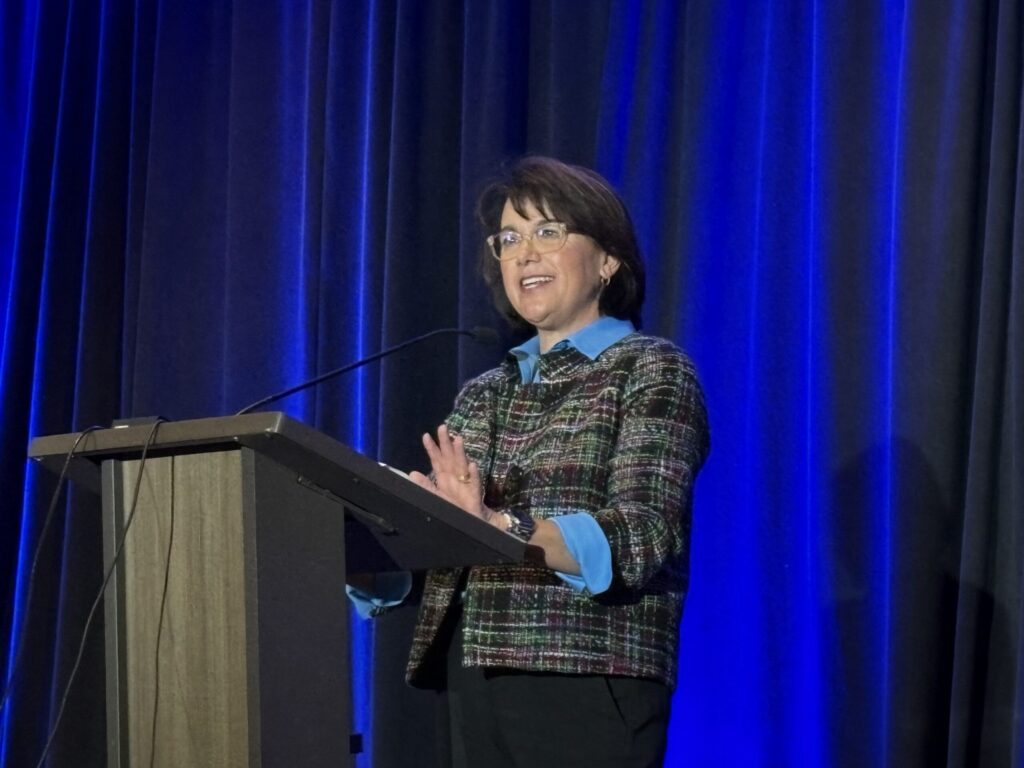
Democratic candidate in Colorado’s 4th CD urges long-term water planning
Marianne Goodland
marianne.goodland@coloradopolitics.com
Updated 17 hours ago
The Democrat hoping to become the next representative of Colorado’s 4th Congressional District on Thursday made her case on the final day of Colorado Water Congress in Steamboat Springs. Eileen Laubacher, who spent 34 years in the U.S. Navy and...

Proposal to cap Colorado income tax rate qualifies for November ballot
Thelma Grimes
thelma.grimes@coloradopolitics.com
Updated 5 hours ago
Election officials on Thursday confirmed that the proposal to cap the state’s income tax at the current rate submitted signatures and voters will consequently decide its fate this November. The fight over tax rates is part of the tug and...
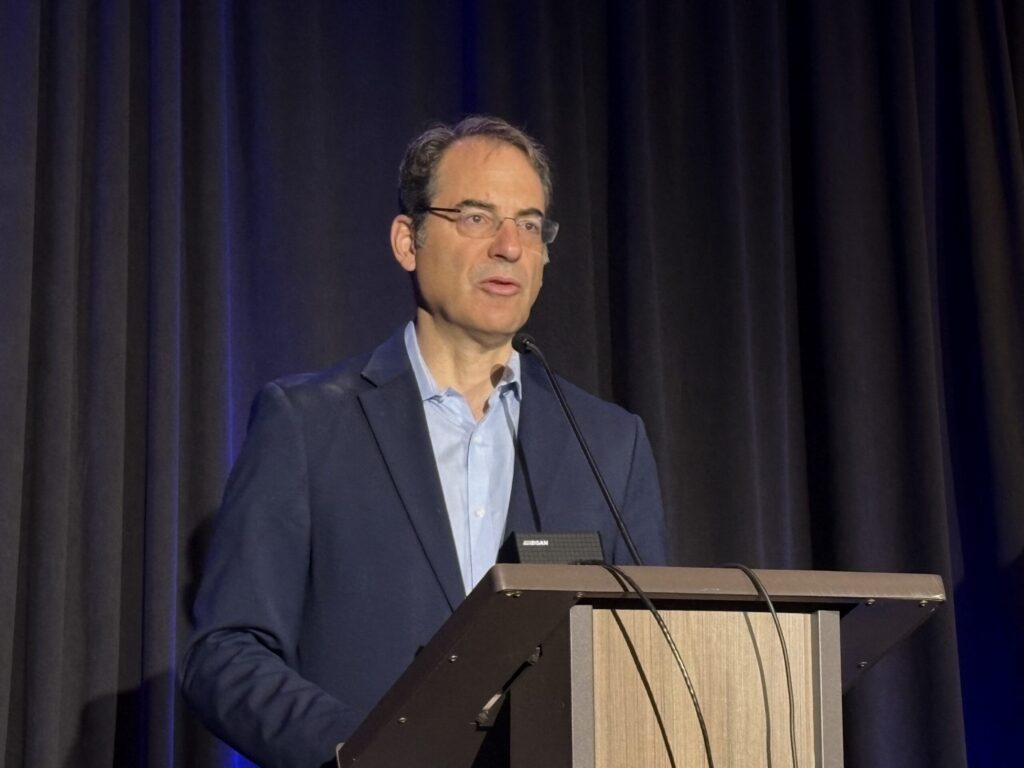
Democratic gubernatorial candidate Phil Weiser promises to appoint rural outreach director, water adviser
Marianne Goodland
marianne.goodland@coloradopolitics.com
Updated 2 days ago
Democratic gubernatorial candidate and current Attorney General Phil Weiser told the Colorado Water Congress Thursday he intends to appoint a rural outreach director and a water policy adviser should he win the election in November. Weiser’s speech at the Steamboat...
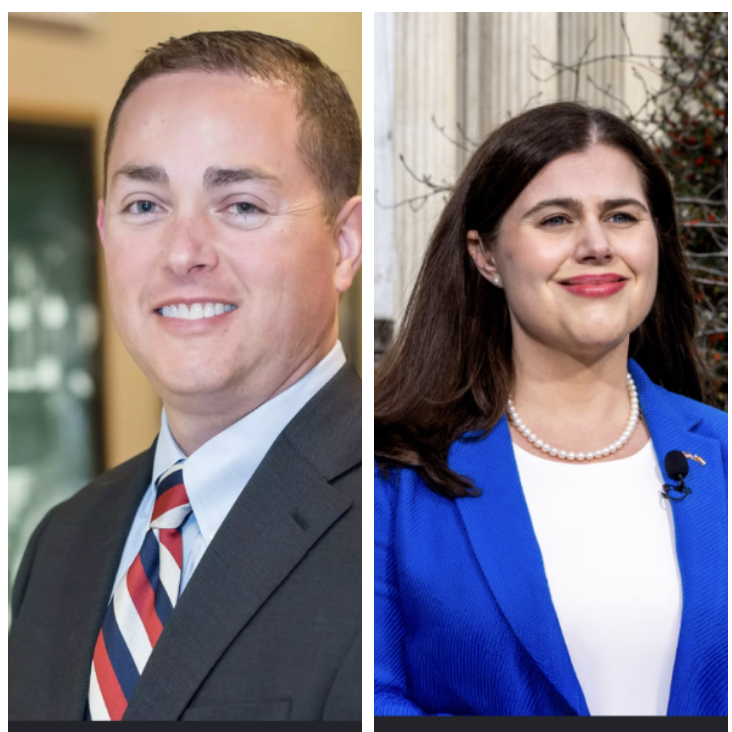
Attorney general candidates present priorities at Colorado Water Congress
Marianne Goodland
marianne.goodland@coloradopolitics.com
Updated 2 days ago
The two major-party candidates for attorney general — Republican Michael Allen, the district attorney for Teller and El Paso counties, and Democratic Secretary of State Jena Griswold — on Thursday outlined their priorities at the Colorado Water Congress. Griswold attended...
State money diversion scheme the unsurprising downfall of ERBOCES scam | Paula Noonan
Paula Noonan
paula-noonan@coloradopolitics.com
Updated 3 days ago
Falcon School District 49, aka El Paso County School District 49, has finally cut bait, thrown the fishing pole into the lake and sunk the canoe. The longtime enabler of the Education Reenvisioned BOCES’ (ERBOCES) schemes to fund private Christian...
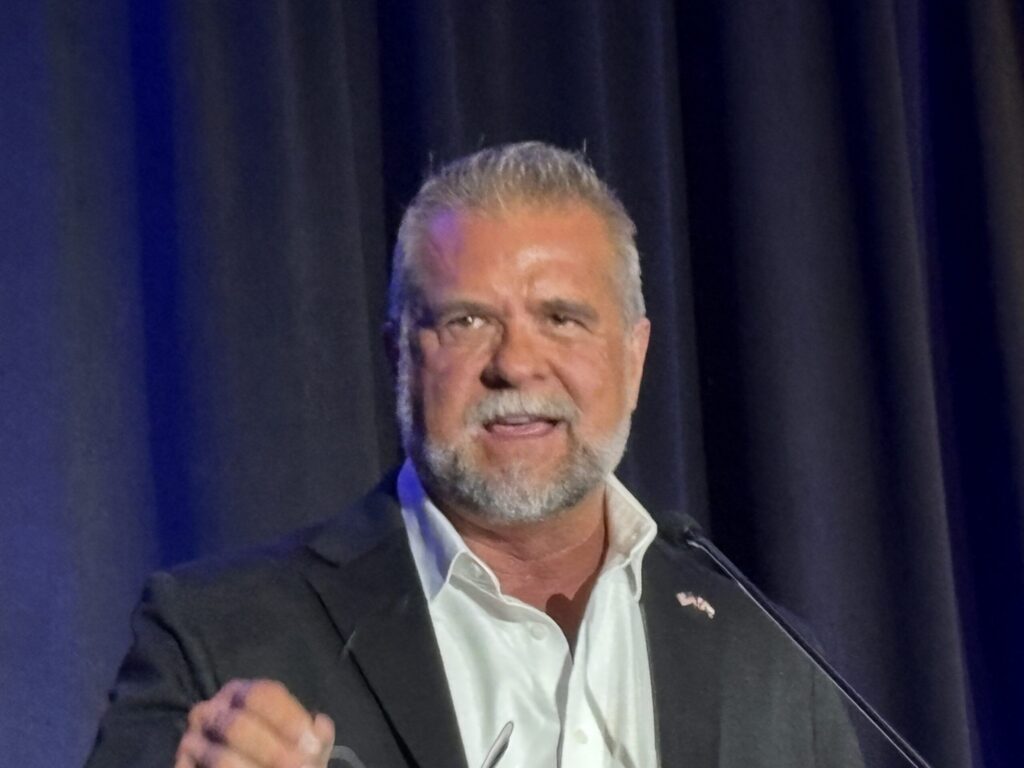
GOP gubernatorial candidate Victor Marx pushes aggressive water-storage expansion at Colorado Water Congress
Marianne Goodland
marianne.goodland@coloradopolitics.com
Updated 3 days ago
Victor Marx, the Republican nominee for governor, took the spotlight Wednesday during the opening day of the Colorado Water Congress, laying out how he says the state should approach its water future. Marx told the standing-room-only audience in Steamboat Springs...
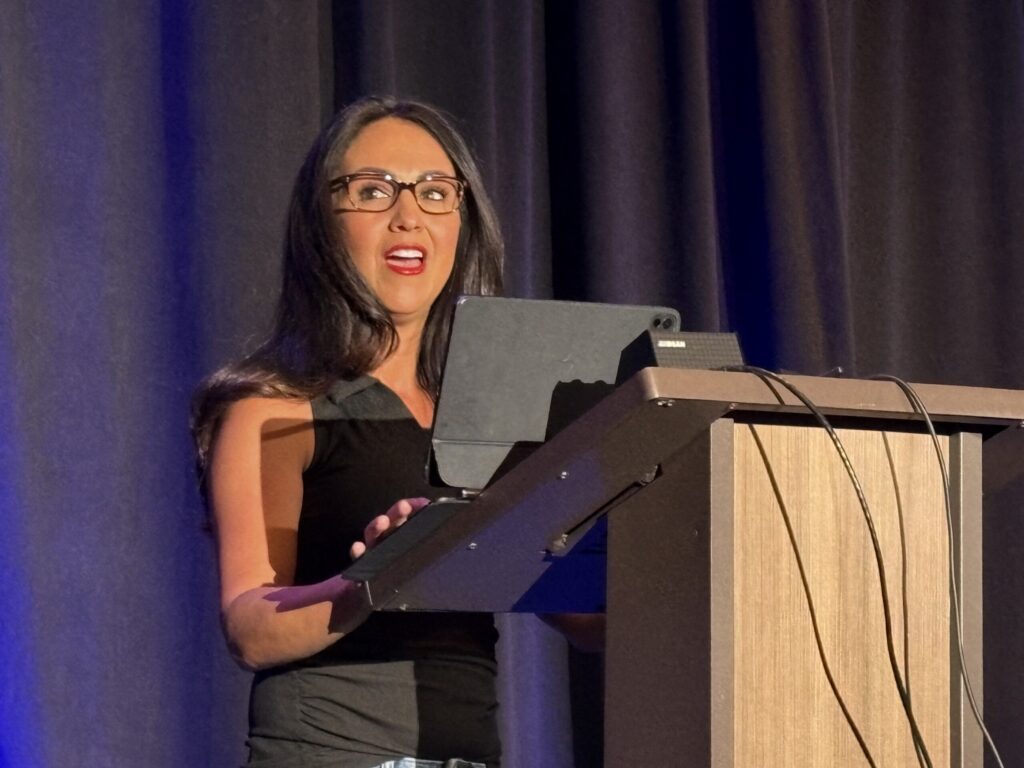
U.S. Rep. Lauren Boebert stresses storage, forest health and Upper Basin rights at Colorado Water Congress
Marianne Goodland
marianne.goodland@coloradopolitics.com
Updated 3 days ago
Republican U.S. Rep. Lauren Boebert used her brief Wednesday appearance at Colorado Water Congress to tout her record on delivering water projects for the state and her district. Boebert, who is running for her second term representing the 4th Congressional...

Steve Schuck on the ‘magic’ of school choice | The OpEdge Podcast
Tony Olivero
tony.olivero@gazette.com
Updated 4 days ago
Parents Challenge co-founder and longtime school choice advocate Steve Schuck joins The OpEdge to discuss expanding educational opportunities and ensuring parents are in charge of their kids’ education. Schuck tells investigative columnist and host Jimmy Sengenberger why he believes Colorado...

Do lobbyists add value to policymaking? | PODIUM
Colorado Politics
colorado-politics@coloradopolitics.com
Updated 4 days ago
By Corky Kyle I was recently asked a straightforward question: are lobbyists a valuable component in the development of public policy? After more than four decades working with the Colorado General Assembly, state agencies, local governments, associations and businesses, my...
PREV
PREVIOUS

Colorado body reviews redistricting proposals as battle heats up nationwide
With 60 proposals on the April 15 agenda, Colorado’s title board wrapped up its final initial hearing for the 2026 election cycle, sending forward a slate of measures that could reshape workers’ compensation and reignite partisan battles over congressional redistricting. After the title board approves the wording of a proposed initiative, supporters must collect 124,000 […]

Don’t expand Colorado Lottery into online gaming | OPINION
By Peggy Brown As someone who works every day with Coloradans struggling to recover from gambling addiction, I have seen firsthand how quickly a moment of chance can spiral into a life-altering crisis. That is why I am deeply concerned about efforts to expand lottery operations into online platforms that include casino-style games like roulette […]