Pinnacol split from Colorado, congressional redistricting battle dominates final title board hearing
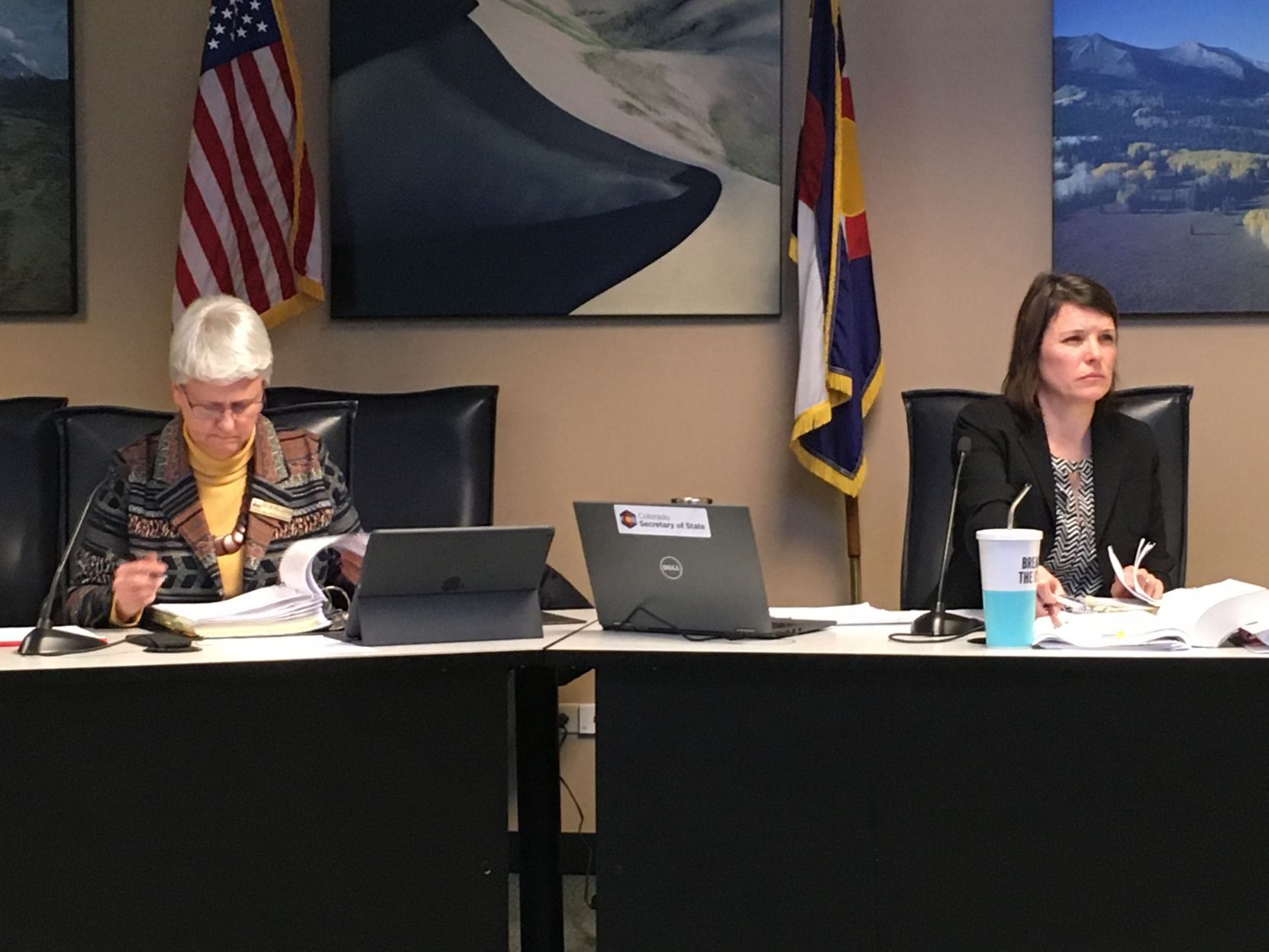
With 60 proposals on the April 15 agenda, Colorado’s title board wrapped up its final initial hearing for the 2026 election cycle, sending forward a slate of measures that could reshape workers’ compensation and reignite partisan battles over congressional redistricting.
After the title board approves the wording of a proposed initiative, supporters must collect 124,000 signatures for it to qualify for the 2026 election ballot.
Pinnacol measures advance
Five measures have already been approved for the 2026 general election, and another five have cleared the petition‑language process and are now moving on to signature gathering. Among them is a proposal that would allow Pinnacol Assurance to separate from the state.
Colorado Succeeds, the proponent behind the already approved measure, submitted a second version that also won title‑board approval last week. The key difference between approved measure No. 249 and the newly approved No. 317 is that No. 317 keeps Pinnacol as the state’s workers’ compensation insurer of last resort, requiring it to cover any employer that needs the insurance, regardless of risk. Under the proposal, Pinnacol would remain in that role until Jan. 1, 2029.
It will now be up to Colorado Succeeds to decide which version will move forward.
Congressional redistricting measures
The title board also reviewed several potential congressional redistricting measures, an issue gaining traction in many states ahead of 2026. Across the country, states are advancing ballot proposals to redraw legislative districts in ways that could advantage either Democrats or Republicans.
Colorado is no exception. The board previously approved six congressional redistricting proposals: three backed by Democrats that would redraw maps in ways they hope could shift three of Colorado’s four Republican‑held U.S. House seats, and three countermeasures from Advance Colorado aimed at prohibiting gerrymandering.
Two additional redistricting proposals reviewed last week would apply only to the 2028 and 2030 elections, after which authority would revert to an independent congressional redistricting commission.
4 GOP‑backed measures approved
The board also approved four Republican‑backed ballot measures. Because all four would amend the state constitution, they must receive 55% voter approval and gather signatures from 2% of voters in each of Colorado’s 35 Senate districts.
Three of the measures—Nos. 324 325, and 326—would change the criteria used in congressional redistricting without requiring new maps for the 2028 and 2030 elections. These proposals focus on redefining geographic “communities of interest” and eliminating the use of partisan voter‑registration data and partisan electoral performance as redistricting criteria.
The proposed communities of interest divide the state into seven regions:
- Eastern Plains
- Western Slope
- Denver
- Boulder and Larimer counties
- Douglas and Elbert counties
- El Paso County
- Pueblo County and the San Luis Valley counties
Measure No. 326 would also require “precise mathematical equality between districts,” based on citizen population counts from the U.S. Census Bureau.
The fourth measure, No. 327, contains a new congressional map that would take effect for the 2028 and 2030 elections. Proponents say it will only move forward if the Democratic‑backed map proposals also make the ballot.


Colorado title board rejects government transparency measure, backers plan appeal
Marianne Goodland
marianne.goodland@coloradopolitics.com
Updated 6 minutes ago
A broad coalition’s push for stronger government transparency hit a major setback last week when Colorado’s title board rejected a proposed ballot measure that would allow more public access to most legislative deliberations. The three‑member title board on April 15...
U.S. Supreme Court will hear challenge from Colorado Catholic preschools on state funding exclusion
Lindsay Whitehurst
lindsay.whitehurst@associatedpress.com
Updated 10 minutes ago
WASHINGTON (AP) — The Supreme Court will hear from Catholic preschools that say Colorado violated their religious rights by excluding them from a state-funded “universal” pre-kindergarten program over their admission policies. The court agreed on Monday to take up the...

Colorado company ready to build the lunar base, provide ‘lunar mobility’
alex-edwards
alex.edwards@gazette.com
Updated 3 hours ago
Original concepts for a moon base ranged from believable to outlandish. Following the success of Artemis II, which launched four astronauts around the moon over the course of 10 days, NASA is looking ahead as it attempts to take another...
DougCo commissioners challenging open meetings violation
Nicholas Fogleman
nicholas.fogleman@denvergazette.com
Updated 1 hour ago
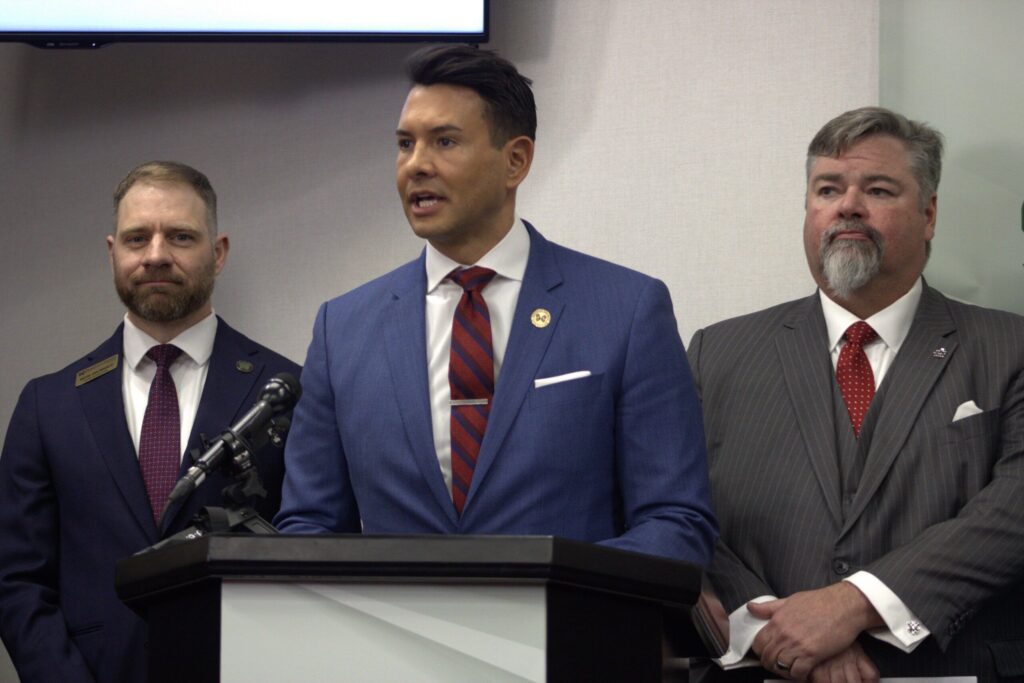
The Douglas County Board of Commissioners is challenging a recent court decision that found the board violated Colorado Open Meetings Law. County commissioners filed a petition Thursday seeking a rehearing from the Colorado Court of Appeals. On April 2, the...

Colorado lawmakers advance bill to tackle Colorado’s prison capacity issues
Marianne Goodland
marianne.goodland@coloradopolitics.com
Updated 1 day ago
As lawmakers work to complete the next state budget, they are intensifying efforts to address overcrowding and capacity challenges within the Department of Corrections and related agencies — issues that have contributed to increased spending in the budget. The state...
Denver City Council eyes millions for infrastructure, airport spending
Deborah Grigsby
deborah.smith@denvergazette.com
Updated 5 hours ago
The Denver City Council meeting Monday will be light, with no required public hearing set, but it does have several big-ticket infrastructure and airport spending items on the agenda. A lot of money is on the table this week, with...
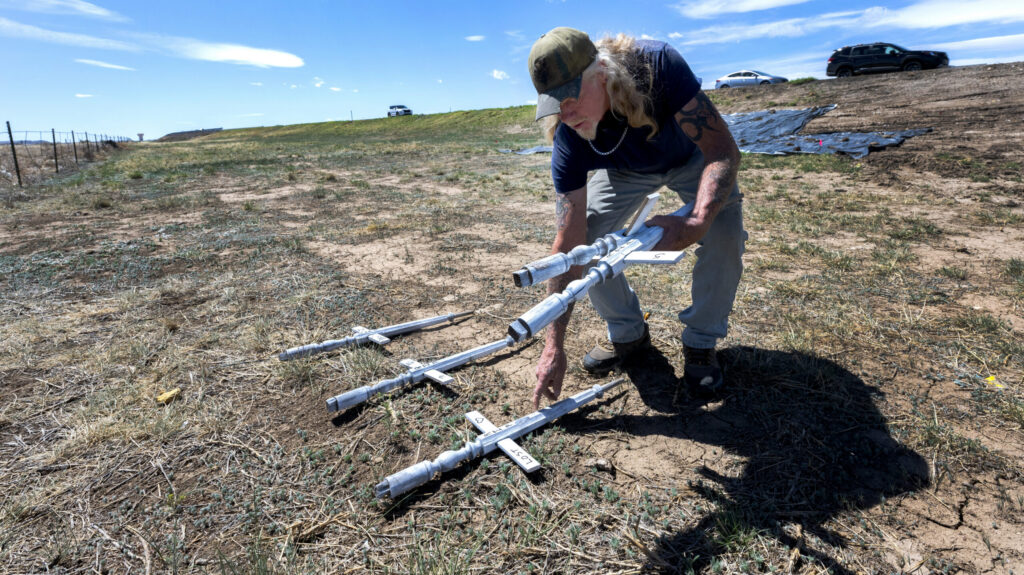
Death in the dust: Downburst wind, dry lakebeds and disaster at milepost 92
Stephanie Earls
stephanie.earls@gazette.com
Updated 5 hours ago
Pueblo County Emergency Management Coordinator Josh Johnson was on the road, negotiating details of a public safety power shutoff due to high winds when the first 911 dispatch came in, just before 10 a.m. on Tuesday, Feb. 17. Seconds later,...
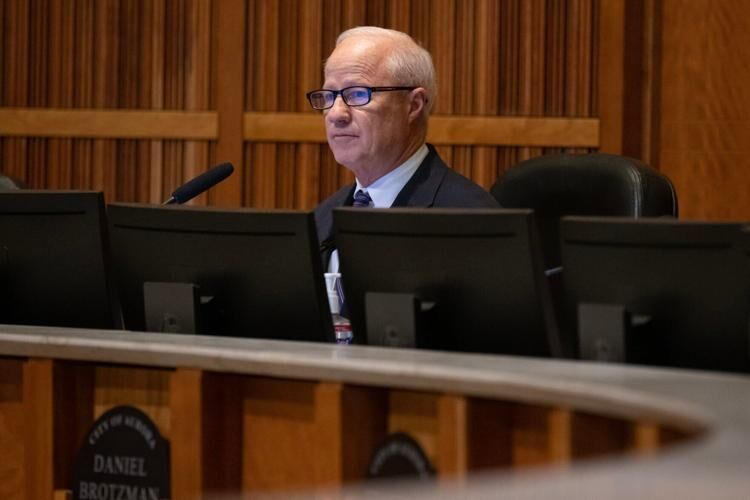
Aurora City Council to discuss statement of ‘mourning’ for police shooting victims
Kyla Pearce
kyla.pearce@gazette.com
Updated 5 hours ago
In Monday night’s Aurora City Council study session, councilmembers will discuss a resolution that, if passed at a future regular meeting, would state that the City Council “stands in mourning” with people who have lost loved ones to officer-involved shootings....
A happier budget week | Capitol M | Week of April 18, 2026
Marianne Goodland
marianne.goodland@coloradopolitics.com
Updated 4 days ago
It’s budget time at the state Capitol, and generally, it’s a humorless situation. It certainly was that way in the House last week, with a 15-hour reading of the long bill at 661 pages that resulted in lawmakers having to...
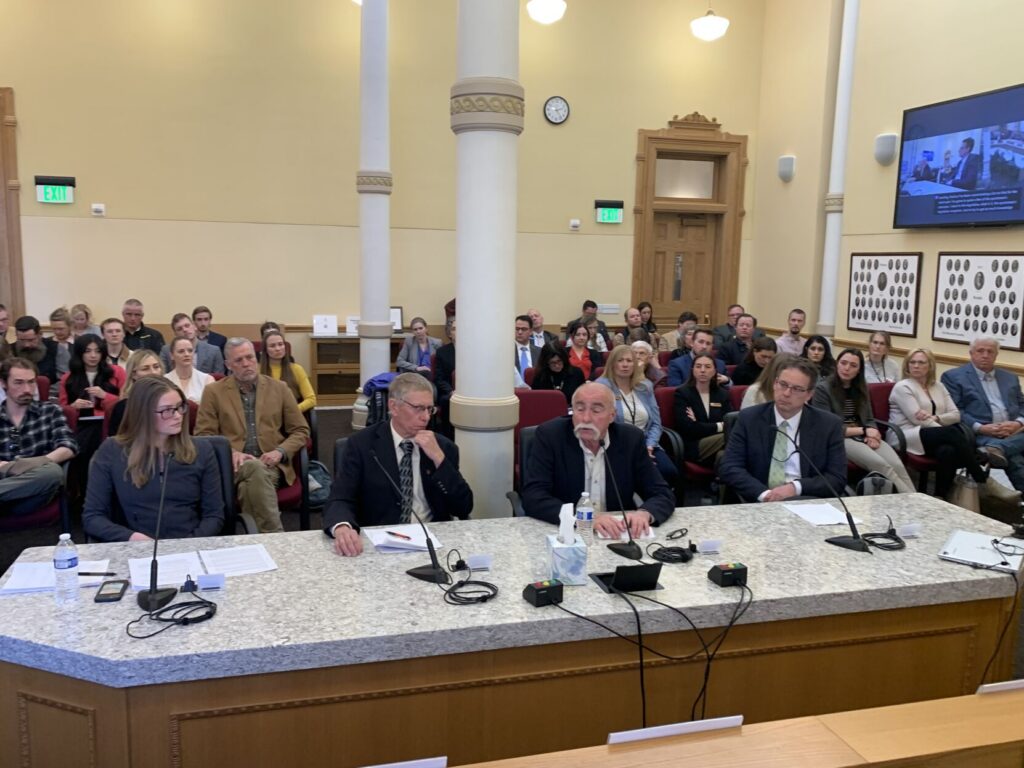
Governor’s wildlife commission picks face pushback ahead of Colorado Senate hearing
Marianne Goodland
marianne.goodland@coloradopolitics.com
Updated 22 hours ago
Colorado’s largest coalition of hunters, anglers, and wildlife conservation groups is urging state lawmakers to reject two of Gov. Jared Polis’ latest nominees to the Colorado Parks and Wildlife Commission, setting up a contentious confirmation hearing before the Senate Agriculture...