

Colorado title board rejects government transparency measure, backers plan appeal

A broad coalition’s push for stronger government transparency hit a major setback last week when Colorado’s title board rejected a proposed ballot measure that would allow more public access to most legislative deliberations.
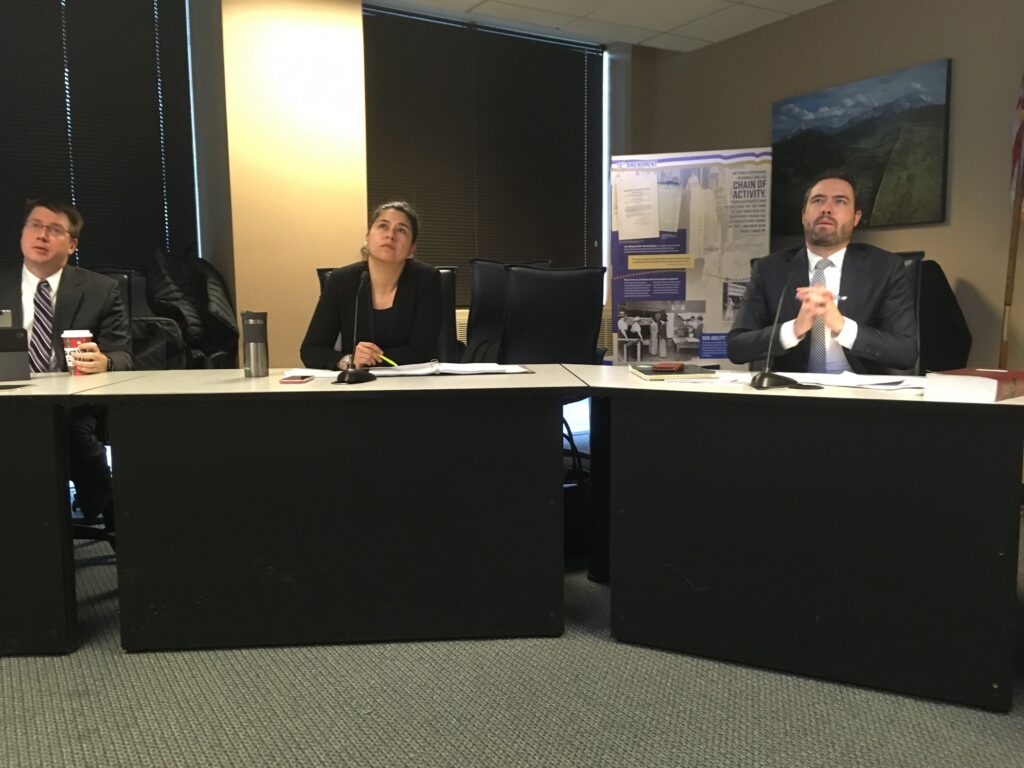
The three‑member title board on April 15 voted 2–1 to reject Measure No. 286, ruling that it violated the state constitution’s single‑subject requirement.
Colorado’s single‑subject rule requires that every ballot initiative deal with only one main issue. The rule is designed to keep measures simple and prevent unrelated ideas from being bundled together.
Supporters of No. 286 say they plan to appeal and will continue pressing forward. The deadline to appeal is April 22.
The title board is made up of representatives from the Secretary of State’s Office, the Attorney General’s Office and Legislative Legal Services, which serves as the General Assembly’s legal arm. Its main responsibility is to determine whether proposed ballot initiatives contain only one subject, though it also frequently revises ballot language.
Measure No. 286, which the title board narrowly rejected, would ask voters to amend the state constitution’s Bill of Rights to declare that “the fundamental right of the public to know the affairs of all levels of state and local government shall apply to all public records and public meetings.”
The initiative is being supported by groups that aren’t always on the same side, including the Colorado Press Association, the Colorado Broadcasters Association, Colorado Public Radio, the ACLU, Colorado Common Cause, the Independence Institute, League of Women Voters of Colorado and the Colorado Freedom of Information Coalition, along with advocates on all sides of the political spectrum.
In February, John Caldara of the Independence Institute told Colorado Politics, “It’s either wildly encouraging or scary that the breadth of this coalition is truly ideologically opposed in every way, yet everyone sees the same danger.”
The proposed initiative also states that any local ordinance, rule, regulation, charter or statute that conflicts with the new section is declared inapplicable. That would include the 2024 law that largely exempted lawmakers from the state’s open meetings law.
The coalition argues that the measure has a single, straightforward purpose: “the right of the public to know the affairs of government through access to public records and public proceedings.”
But the majority of the title board said the proposal sweeps too broadly.
Jon Caldara told the board the initiative is modeled on similar constitutional provisions in California and Montana and is intended to apply across all levels of government.
Teresa Conley, representing the Secretary of State’s Office on the title board, countered that the measure would reach every governmental agency and appeared to extend beyond open records and public meetings into broader categories of information not limited to public documents.
Conley said the measure’s broad reach was concerning, and she warned it could even undermine attorney‑client privilege.
Caldara responded that the drafters focused on government deliberations and records, and he disputed the privilege issue, noting that similar provisions in other states have not created such conflicts.
Caldara told the board that courts would ultimately determine how the measure should be applied, with additional clarification likely to come from the legislature.
But Kurt Morrison, representing the Attorney General’s Office on the title board, warned that the proposal could open the door to litigation over a wide range of matters currently handled in executive session, including trade secrets, contracting and procurement decisions, and hiring discussions.
Shayne Madsen, an attorney for the Independence Institute, noted that Colorado’s system already contains numerous exemptions that keep certain information from being disclosed under open‑meetings laws. That reality, she said, underscores the need for a balancing test.
Conley, in addition to concerns over attorney-client privilege and for law enforcement, which she said was not excluded under the measure, pointed out that the burden of proof would shift to the government, a much higher standard.
Conley argued that the measure was so broad that voters would not understand what they were being asked to approve or reject. She added that its many intertwined elements made it too expansive to meet the state’s single‑subject requirement.
Caldara countered, “We have a right to free speech,” a right to keep and bear arms and a right to religion that is broad. “We build laws and court cases around those broad principles.”
He added, “Every taxpayer is part of the government…all of us are owners of the government…and we should be able to understand the basic things and have a right to know what’s going on in our enterprise.”
Not swayed, Conley maintained that the measure reached far beyond public records and public meetings in its pursuit of information, reinforcing her argument that it violated the single‑subject rule and should be rejected.
At least seven states, including California, Florida, Illinois, Louisiana, Montana, New Hampshire, and North Dakota, guarantee in their constitutions the public’s right to inspect government documents or attend government meetings.
In addition to rejecting Measure No. 286, the title board held its final scheduled meeting for initial ballot‑measure reviews on April 15. The agenda was packed, with 60 proposals awaiting consideration during that session.
Beyond the transparency measure, the board also reviewed proposals on congressional redistricting, allowing Pinnacol Assurance to separate from the state, income taxes, oil and gas operations, gaming, hunting and fishing, elections, and even a measure to repeal the constitutional right to abortion.

Pinnacol split from Colorado, congressional redistricting battle dominates final title board hearing
Marianne Goodland
marianne.goodland@coloradopolitics.com
Updated 7 minutes ago
With 60 proposals on the April 15 agenda, Colorado’s title board wrapped up its final initial hearing for the 2026 election cycle, sending forward a slate of measures that could reshape workers’ compensation and reignite partisan battles over congressional redistricting....
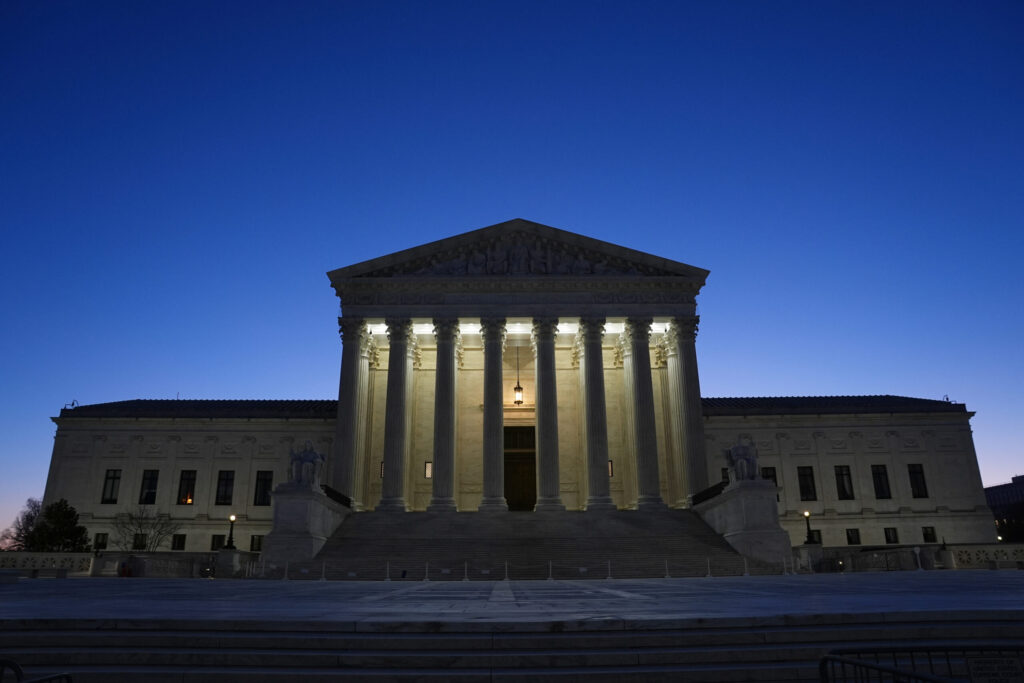
U.S. Supreme Court will hear challenge from Colorado Catholic preschools on state funding exclusion
Lindsay Whitehurst
lindsay.whitehurst@associatedpress.com
Updated 18 minutes ago
WASHINGTON (AP) — The Supreme Court will hear from Catholic preschools that say Colorado violated their religious rights by excluding them from a state-funded “universal” pre-kindergarten program over their admission policies. The court agreed on Monday to take up the...
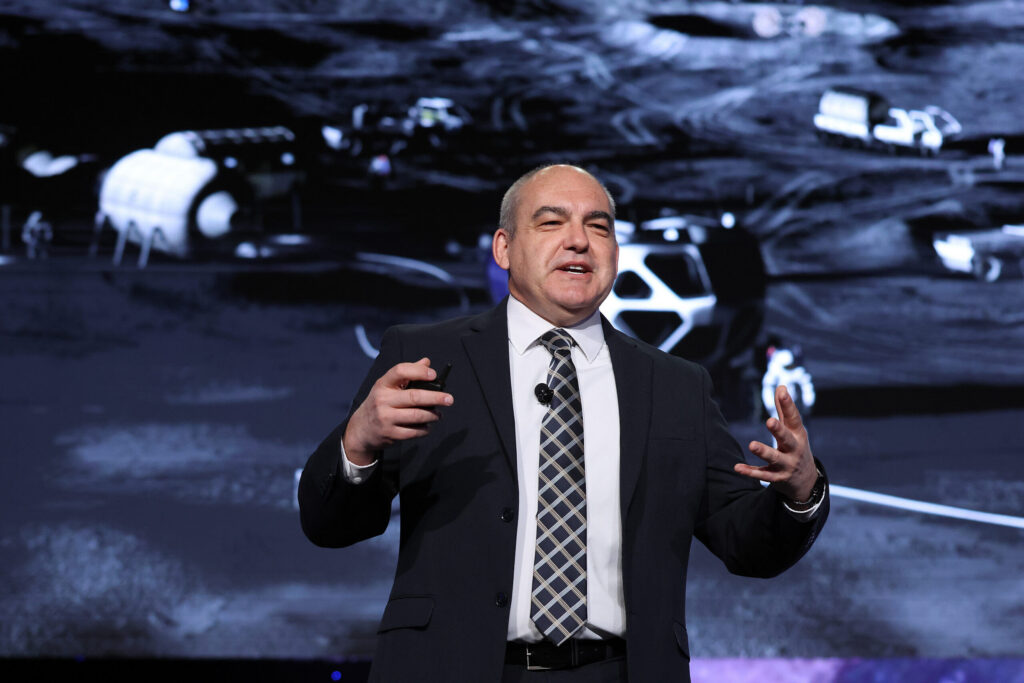
Colorado company ready to build the lunar base, provide ‘lunar mobility’
alex-edwards
alex.edwards@gazette.com
Updated 3 hours ago
Original concepts for a moon base ranged from believable to outlandish. Following the success of Artemis II, which launched four astronauts around the moon over the course of 10 days, NASA is looking ahead as it attempts to take another...
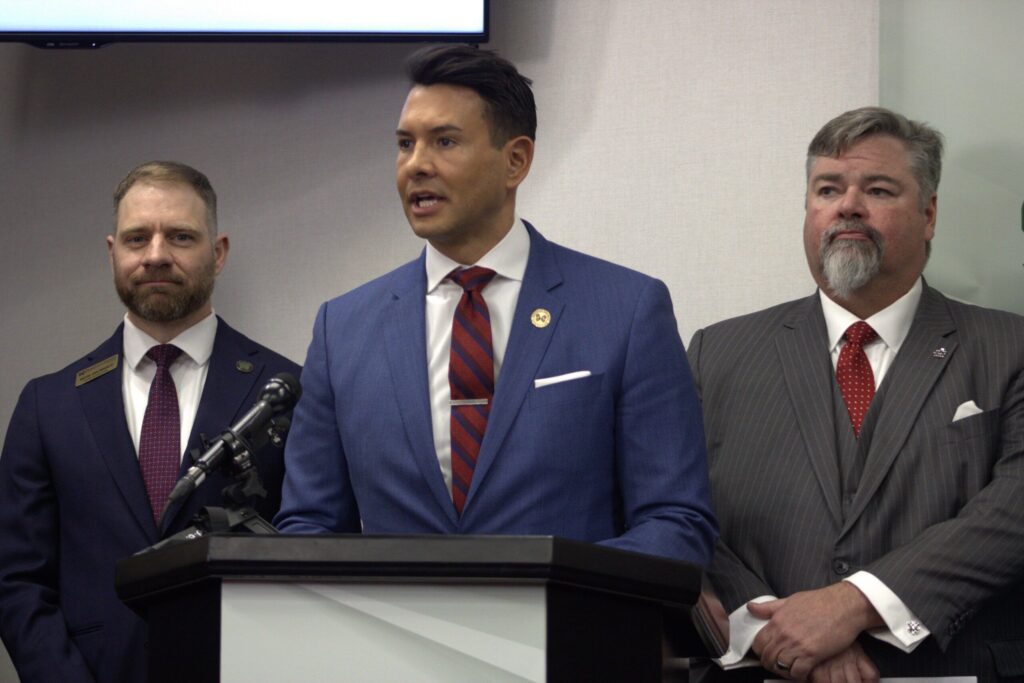
DougCo commissioners challenging open meetings violation
Nicholas Fogleman
nicholas.fogleman@denvergazette.com
Updated 2 hours ago
The Douglas County Board of Commissioners is challenging a recent court decision that found the board violated Colorado Open Meetings Law. County commissioners filed a petition Thursday seeking a rehearing from the Colorado Court of Appeals. On April 2, the...

Colorado lawmakers advance bill to tackle Colorado’s prison capacity issues
Marianne Goodland
marianne.goodland@coloradopolitics.com
Updated 1 day ago
As lawmakers work to complete the next state budget, they are intensifying efforts to address overcrowding and capacity challenges within the Department of Corrections and related agencies — issues that have contributed to increased spending in the budget. The state...
Denver City Council eyes millions for infrastructure, airport spending
Deborah Grigsby
deborah.smith@denvergazette.com
Updated 5 hours ago
The Denver City Council meeting Monday will be light, with no required public hearing set, but it does have several big-ticket infrastructure and airport spending items on the agenda. A lot of money is on the table this week, with...
Death in the dust: Downburst wind, dry lakebeds and disaster at milepost 92
Stephanie Earls
stephanie.earls@gazette.com
Updated 5 hours ago
Pueblo County Emergency Management Coordinator Josh Johnson was on the road, negotiating details of a public safety power shutoff due to high winds when the first 911 dispatch came in, just before 10 a.m. on Tuesday, Feb. 17. Seconds later,...
Aurora City Council to discuss statement of ‘mourning’ for police shooting victims
Kyla Pearce
kyla.pearce@gazette.com
Updated 5 hours ago
In Monday night’s Aurora City Council study session, councilmembers will discuss a resolution that, if passed at a future regular meeting, would state that the City Council “stands in mourning” with people who have lost loved ones to officer-involved shootings....
A happier budget week | Capitol M | Week of April 18, 2026
Marianne Goodland
marianne.goodland@coloradopolitics.com
Updated 4 days ago
It’s budget time at the state Capitol, and generally, it’s a humorless situation. It certainly was that way in the House last week, with a 15-hour reading of the long bill at 661 pages that resulted in lawmakers having to...
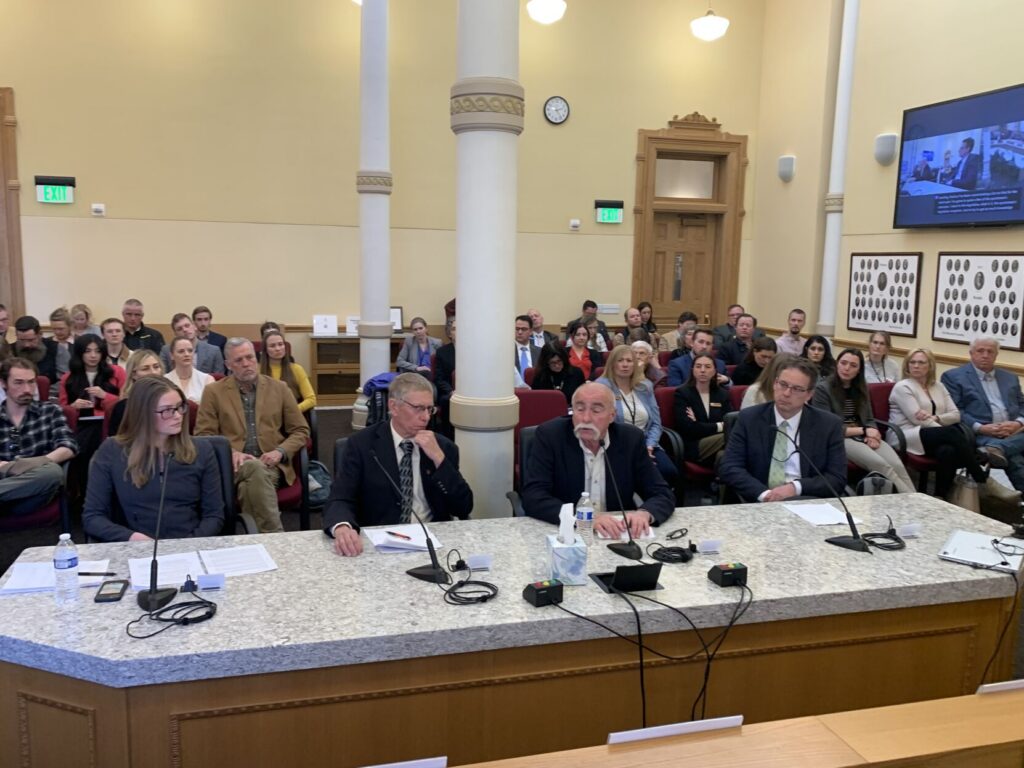
Governor’s wildlife commission picks face pushback ahead of Colorado Senate hearing
Marianne Goodland
marianne.goodland@coloradopolitics.com
Updated 22 hours ago
Colorado’s largest coalition of hunters, anglers, and wildlife conservation groups is urging state lawmakers to reject two of Gov. Jared Polis’ latest nominees to the Colorado Parks and Wildlife Commission, setting up a contentious confirmation hearing before the Senate Agriculture...
PREV
PREVIOUS

What we know about nearly a dozen scientists who went missing, died, or were murdered
The Trump administration is probing concerns surrounding nearly a dozen scientists said to be connected to highly secretive space research whose deaths and disappearances are under increasing scrutiny. President Donald Trump called the situation “pretty serious stuff” last Thursday, revealing he had just attended a meeting about the scientists and promised the government would probe […]
Pinnacol split from Colorado, congressional redistricting battle dominates final title board hearing
With 60 proposals on the April 15 agenda, Colorado’s title board wrapped up its final initial hearing for the 2026 election cycle, sending forward a slate of measures that could reshape workers’ compensation and reignite partisan battles over congressional redistricting. After the title board approves the wording of a proposed initiative, supporters must collect 124,000 […]