

Federal judge dismisses lawsuit seeking to force Colorado secretary of state to screen out scam filings
A federal judge dismissed a lawsuit last week that sought to require Colorado’s secretary of state to verify corporate filings in the state’s database to reduce the risk of future fraud.
Bernard Butts of Florida, who was 83 when he filed suit last year, alleged that he contacted a company listed in the state’s business registry because he was “seeking investment opportunities.” The company’s registered address appeared to be in a former government office building, which created “an air of governmental legitimacy to its operations.”
The company allegedly induced Butts to invest nearly $21,000 in 2023. When he attempted to withdraw the money a few months later, the company demanded an additional $10,500. Butts ended up losing his entire investment in the “pig butchering” scheme, a term for scams that entice investors and charge exorbitant withdrawal fees.
Butts sued Secretary of State Jena Griswold and Colorado itself for negligence and consumer protection-related claims. He alleged the state’s policy of not verifying business filings for potential fraud created a danger to the public. Butts sued on behalf of himself and anyone who recently lost money in fraudulent cryptocurrency investments through entities registered in Colorado.
In seeking to dismiss the lawsuit, the defendants pointed out that state law explicitly requires Griswold’s office to accept filings that meet the basic requirements. The office also has no duty to determine whether the filings comply with other laws. Finally, the acceptance of a document does not create “a presumption that the document is valid or invalid or that information contained in the document is correct or incorrect.”
“Any injury alleged by Butts is not ‘fairly traceable’ to an alleged ‘non-verification’ policy because Colorado’s business filing regime is governed not by a discretionary policy but by state law,” wrote the Colorado Attorney General’s Office.
“Defendants’ failure to take any actions with respect to the basic validity of corporate filings is, at best, a clear policy not to verify, and at worst — as alleged — a willful and wanton disregard for their duties and public safety,” responded attorney Robert V. Cornish Jr. for Butts. “If one scam artist is leveraging Colorado’s corporate registration apparatus, knowing that no one in Denver checks the bonafides of anything that is filed, rest assured that other scam artists, whether in California or Cambodia, are doing the same and will continue to do so without relief from this Court.”
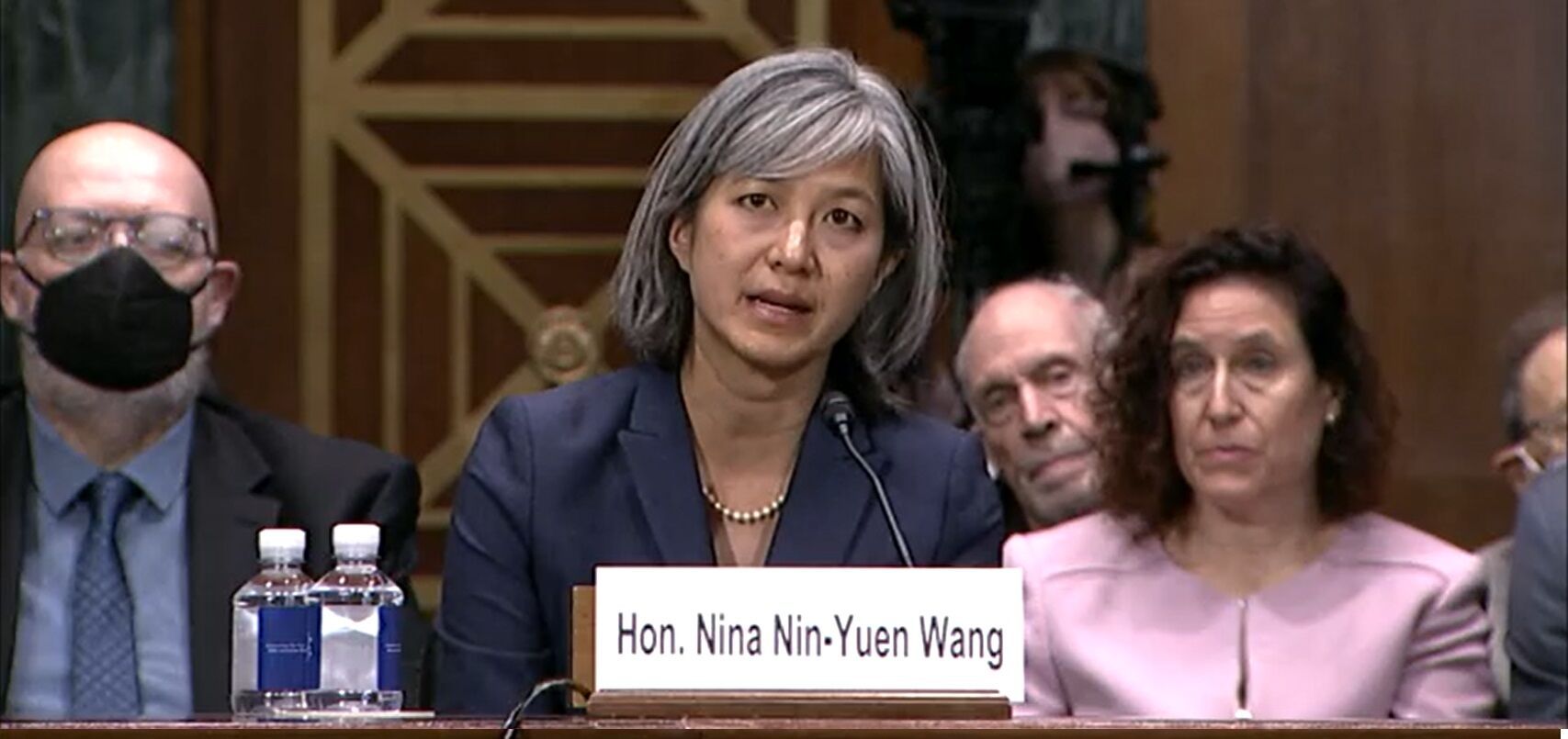
U.S. District Court Judge Nina Y. Wang concluded that the defendants were entitled to various forms of immunity for several of Butts’ claims. While she disagreed that the requirements of Colorado law prevented her from providing relief to Butts, Wang determined that Butts lacked standing because he had not outlined how a court order would prevent future injury.
“Critically, Plaintiff does not allege that he intends to again rely on the Secretary of State’s public database to determine whether to invest in a company,” Wang wrote in a March 31 order. “Instead, Plaintiff asks the Court to simply assume that he will repeat his past conduct, that he will unwittingly invest in a fraudulent company, and that he will lose money as a result.”
Because she could not address Butts’ request to require the state to verify business filings going forward, Wang dismissed his lawsuit.
The case is Butts v. State of Colorado et al.


Weiser joins lawsuit challenging changes to Endangered Species Act
Marissa Ventrelli
marissa.ventrelli@coloradopolitics.com
Updated 11 minutes ago
Colorado Attorney General Phil Weiser has joined a coalition of state attorneys general challenging the Trump administration’s proposed changes to the Endangered Species Act, his office announced Wednesday. The pair of lawsuits challenge new rules made under Interior Secretary Doug...
10th Circuit orders second look at immunity for Kiowa County deputy over fatal vehicle crash
Michael Karlik
michael.karlik@coloradopolitics.com
Updated 4 hours ago
The Denver-based federal appeals court directed a trial judge on Tuesday to further analyze whether a Kiowa County deputy and the sheriff’s office may be sued for a fatal vehicle collision. The Colorado Governmental Immunity Act generally shields government entities and public...
Colorado justices to hear appeal in Kendrick Castillo death lawsuit, ‘fugitive’ rule
Michael Karlik
michael.karlik@coloradopolitics.com
Updated 22 hours ago
The Colorado Supreme Court announced on Tuesday that it will decide whether it was proper to dismiss a lawsuit over the 2019 shooting death of Kendrick Castillo after the defendants paid the maximum amount of damages available to Castillo’s parents,...
Federal judge dismisses Douglas County’s challenge to collective bargaining law
Nicholas Fogleman
nicholas.fogleman@denvergazette.com
Updated 6 hours ago
A federal judge dismissed claims brought by the Douglas County Board of Commissioners alleging that a state law granting county employees the right to organize and join labor unions violates free speech protections and conflicts with federal labor law. Douglas...

Arapahoe County judge’s frustration with defense lawyer not grounds for new trial
Michael Karlik
michael.karlik@coloradopolitics.com
Updated 23 hours ago
Colorado’s second-highest court decided last week that an Arapahoe County judge’s repeated rebukes of a defense attorney and orders to “be quiet” did not rise to the level of bias or a violation of the defendant’s due process rights. A...

Divided appeals court upholds vehicle theft conviction despite unclear origin of car’s value
Michael Karlik
michael.karlik@coloradopolitics.com
Updated 19 hours ago
Colorado’s second-highest court upheld a defendant’s conviction for aggravated motor vehicle theft last week, even though it was unclear how the Thornton Police Department estimated the value of the stolen car. Officer Marc Faivre encountered Ashley Shelee Gibbens-Martinez in a...
Disgraced ex-CBI analyst Missy Woods sentenced to prison in DNA scandal
Jenny Deam
jenny.deam@gazette.com
Updated 23 hours ago
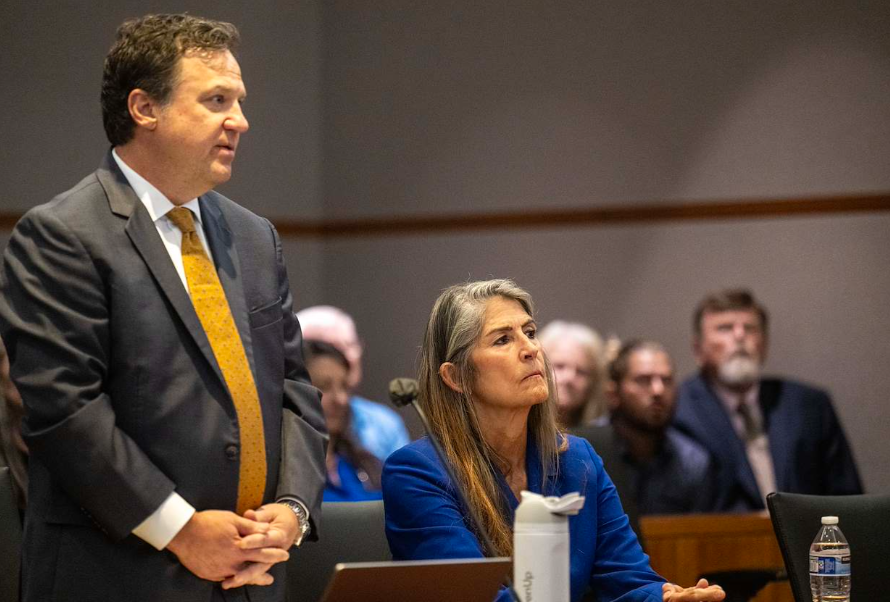
A Jefferson County district court judge on Tuesday sentenced a disgraced former Colorado Bureau of Investigation DNA analyst to a decade in prison for altering and deleting data in scores of criminal cases over several years. Jefferson County District Judge...

Parenting from prison: Inmates hope to be present in their children’s lives, while physically absent
Marianne Goodland
marianne.goodland@coloradopolitics.com
Updated 1 day ago
The room was decorated with balloons, the tables sparking bright with colors as the smell of pizza and cake wafted through the air. As did music. This was, after all, a father-daughter dance. Except this was not a typical father-daughter...
Appeals court confirms Colorado judges can compel electronic records from out of state
Michael Karlik
michael.karlik@coloradopolitics.com
Updated 3 days ago
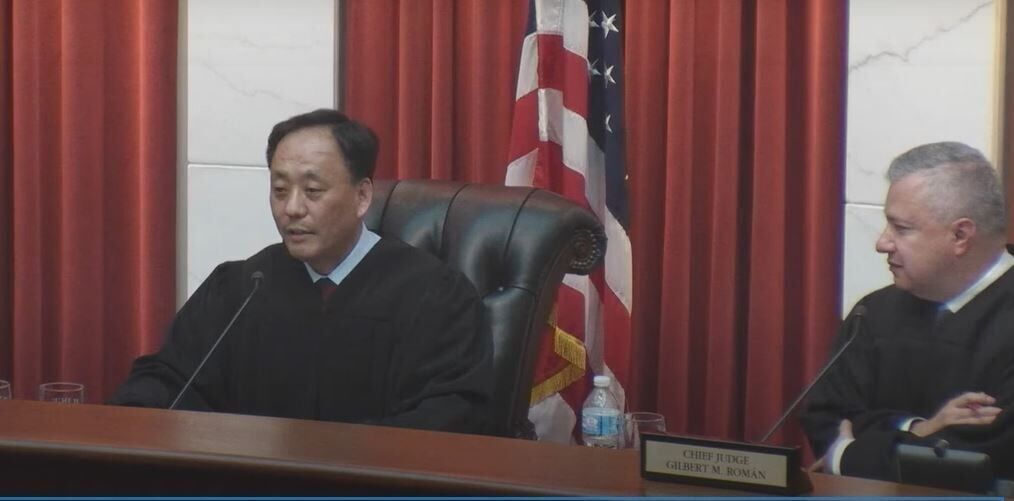
Colorado’s second-highest court clarified on Thursday that judges are empowered to compel out-of-state companies to produce electronic records under state law. El Paso County jurors convicted Mischa Jargowsky on three counts of money laundering and one violation of Colorado’s organized...
10th Circuit upholds finding of no racial discrimination against family at Denver Chili’s
Michael Karlik
michael.karlik@coloradopolitics.com
Updated 5 days ago
The Denver-based federal appeals court agreed on Wednesday that a Black plaintiff failed to show that a Chili’s manager’s request for her family to provide valid payment at the outset of their meal amounted to racial discrimination. Markesha Futrell-Smith filed...
PREV
PREVIOUS

Colorado Democrats eye new fee on home insurance companies
Colorado Democrats are reviving a proposal to levy a new fee on home insurance companies, with the aim of distributing grants to fund “resilient” roofing. Introduced by Sen. Kyle Mullica, D-Thornton, Senate Bill 155 creates a government “enterprise,” which would collect a 0.5% fee of the total premium collected by an insurer on what’s called […]

Officials, residents respond to Lakewood rezoning special election results
Nearly 17,000 residents fought back against Lakewood zoning changes on Tuesday, reversing the ordinances put in place that sought to allow for more housing density. The City of Lakewood’s special election regarding the zoning code changes put in place in October was held Tuesday after nearly a year of debate. About 16,700 residents voted to […]