

Federal judge blocks evidence from Aurora police’s unconstitutional search
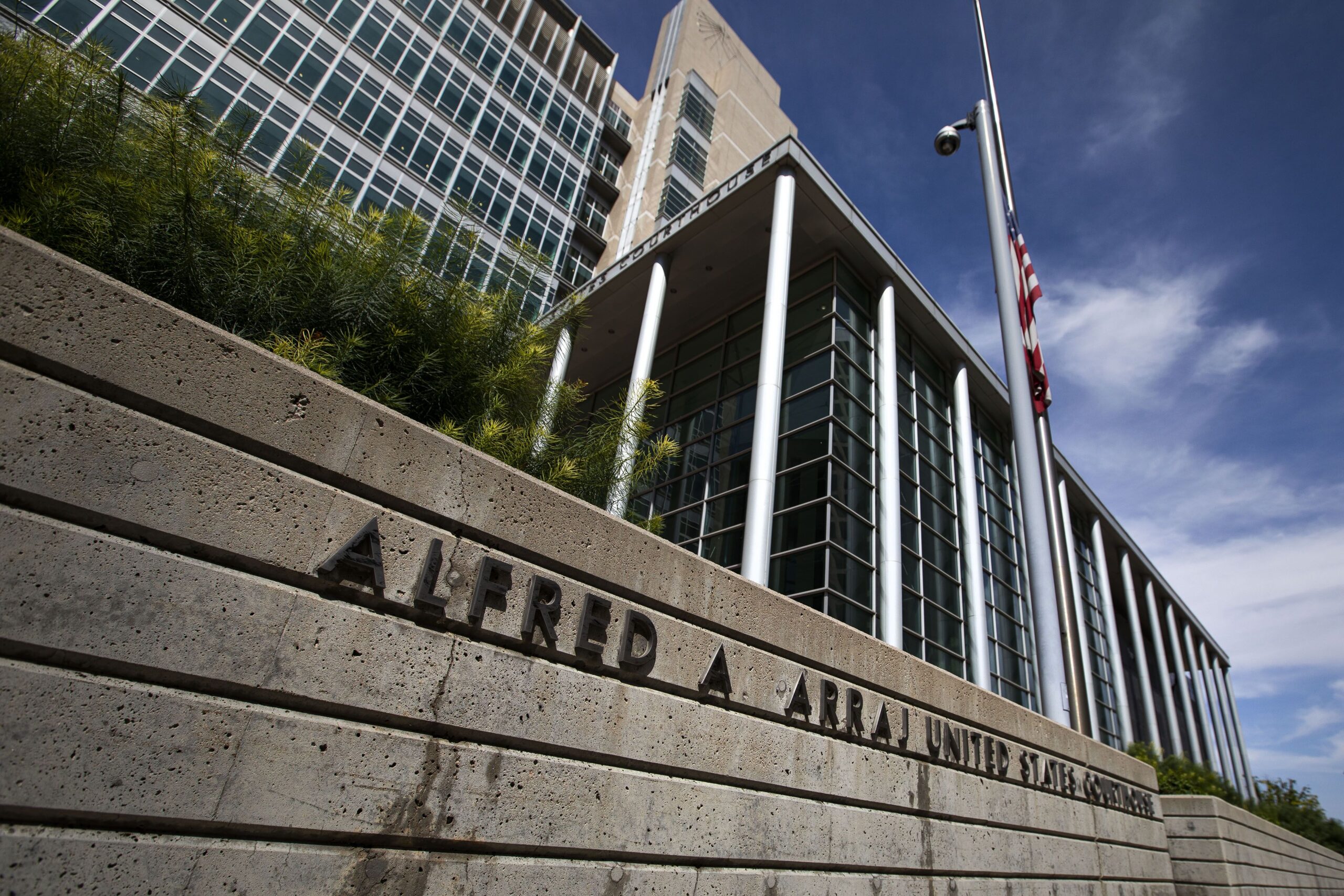
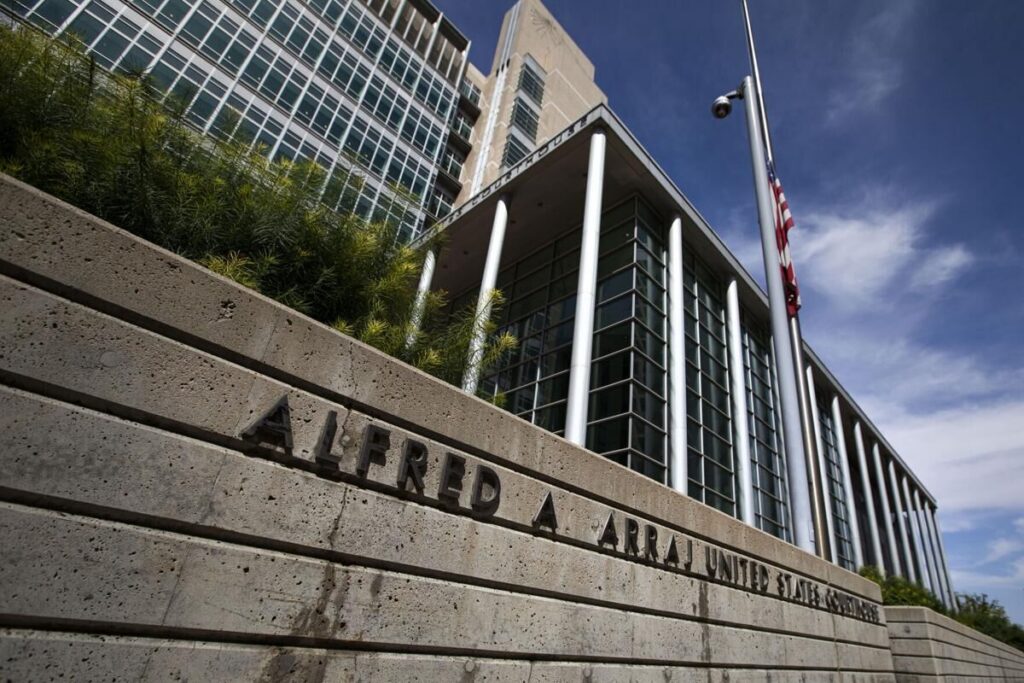
A federal judge ruled last month that prosecutors cannot use firearm evidence against a defendant because Aurora police searched him without having any reasonable basis to believe he was armed and dangerous.
In evaluating the constitutionality of the search, U.S. District Court Senior Judge William J. Martínez noted that police officers were called to a scene where women were allegedly fighting. The only man alleged to have a gun did not match the description of defendant Raquan Johnson. Nonetheless, police patted Johnson down and found a gun.
“The animating purpose behind a frisk, however, is not to aid officers in collecting evidence for a later prosecution; rather, frisks are deployed to keep officers safe,” Martínez wrote in a March 26 order. “Without more, the Court concludes that the officers lacked reasonable suspicion to believe Johnson was dangerous. Therefore, the frisk of his person and subsequent search of his truck were unlawful.”
Early one morning in May 2025, a man called 911 to report a fight at his home. One woman had hit him, and other women were screaming and fighting throughout the call. The caller also stated that a woman threw him down the stairs. Further, a woman had pulled out a pistol, but passed it off to a “tall Black male with dreads” who was wearing all black. During the call, the participants in the fight left the victim’s house.
Two Aurora officers arrived and approached a pickup truck in the parking lot. Inside were two women and Johnson, who had short hair, yellow pants, and a black polo shirt. The officers asked if anyone had a gun, to which the occupants said no. The officers said they were going to pat everyone down because “someone is supposed to have a gun.”
Before they could do so, they noticed a Black man on the sidewalk with dreads, wearing all black. It turned out to be the victim. Police searched him and found him to be unarmed.
Meanwhile, the officers permitted Johnson to calm down his crying wife, who was one of the women in the pickup truck. Then, an officer identified as “Officer Aspras” pulled Johnson out of the truck and patted him down. Police found a gun in Johnson’s pants and another gun in the truck.
A grand jury indicted Johnson for being a felon in possession of a firearm and ammunition.
Johnson moved to bar the evidence from being used against him, arguing the search was constitutionally unreasonable.
“To be clear – Mr. Johnson did not match the description provided by the 911 caller,” wrote public defender Summer Woods. “But law enforcement also had no information that any male on scene (including Mr. Johnson) was dangerous. The information received by officers was that females were involved in a physical altercation inside the residence.”
Even if officers did not have information that Johnson was involved in criminal activity, countered Assistant U.S. Attorney Leah Perczak, “they had reasonable suspicion that the two females were involved in the assaults that had been reported. Courts have relied on the connection of a companion to someone suspected to be armed and dangerous to support reasonable suspicion as to the companion.”
However, days after Perczak submitted her filing to Martínez, the U.S. Court of Appeals for the 10th Circuit ruled that a vehicle occupant cannot be deemed armed and dangerous solely because of their connection to another occupant who is the focus of police attention. The 10th Circuit rejected the “criminality-by-association test” and reiterated the need to look at the totality of the circumstances when evaluating a person’s dangerousness.

Martínez found the 10th Circuit’s decision relevant to Johnson’s case.
While the officers may have had reason to believe the women in the pickup truck were involved in the fight, “Johnson was never alleged to have acted violently during that incident. He was also polite and compliant throughout his interaction with the police,” wrote Martínez.
He added that the officers allowed Johnson to calm his wife down before searching him.
“In the Court’s view, a reasonable officer would not have acquiesced to such a request if they believed a suspect posed a present threat to their safety,” Martínez wrote.
Overall, he concluded the officers lacked reasonable suspicion that Johnson was dangerous. The 911 caller identified only the women as being violent, and the man who allegedly took possession of a gun largely did not match Johnson’s description.
“In other words, beyond being a black man, Johnson did not share any of the characteristics associated with the man who allegedly possessed a gun,” wrote Martínez.
The case is United States v. Johnson.

Federal judge green-lights civil trial against ex-Fort Collins DUI officer
Michael Karlik
michael.karlik@coloradopolitics.com
Updated 2 days ago
A federal judge ruled on Thursday that Fort Collins’ former “DUI officer” will face a civil trial for allegedly investigating a motorist for impaired driving without any reasonable suspicion to do so. In recent years, several people arrested by Officer...

Colorado Supreme Court suspends Mesa County judge pending misconduct investigation
Michael Karlik
michael.karlik@coloradopolitics.com
Updated 23 hours ago
The Colorado Supreme Court suspended Mesa County Court Judge Michael J. Grattan on Thursday amid a misconduct investigation. The court’s Sept. 10 order gave Grattan 21 days to explain why his paid suspension should not continue through the end of...
Colorado Supreme Court changes course, dismisses case about special district bonds
Michael Karlik
michael.karlik@coloradopolitics.com
Updated 23 hours ago
The Colorado Supreme Court declined on Friday to decide a dispute between a large-scale Commerce City development and the various districts financing it, after initially showing interest in the ongoing case. Colorado has roughly 2,800 special districts, which are local...
10th Circuit tosses GEO Group’s pretrial appeal in human trafficking lawsuit
Michael Karlik
michael.karlik@coloradopolitics.com
Updated 3 days ago
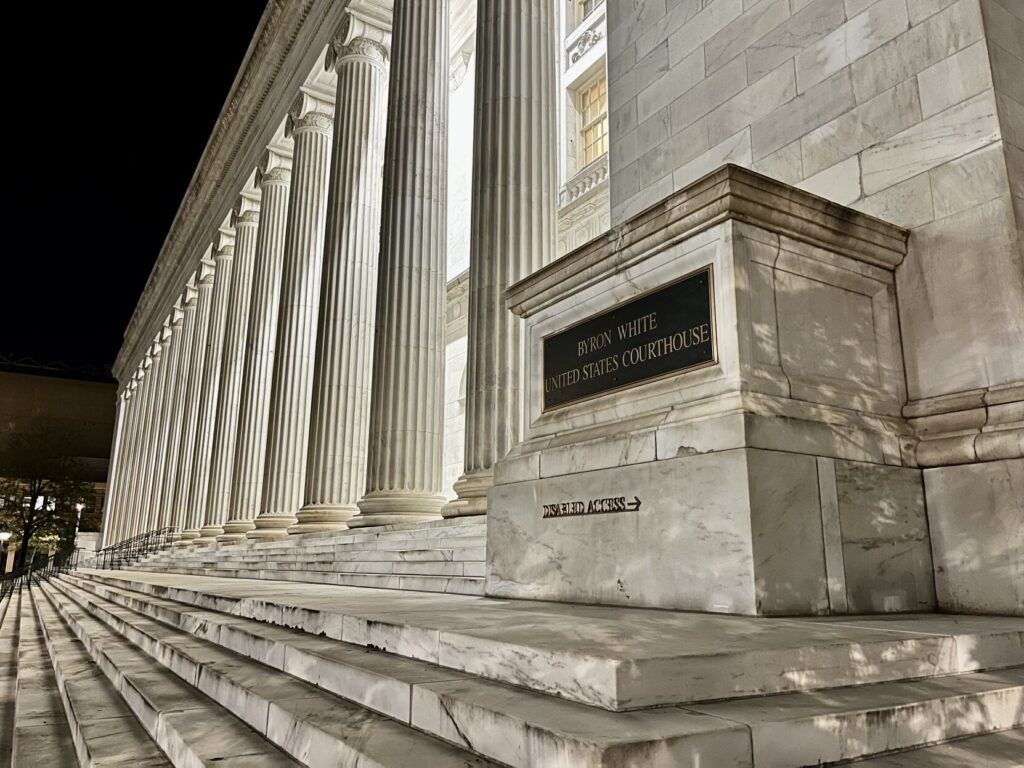
The Denver-based federal appeals court dismissed an attempt by The GEO Group on Wednesday to appeal a trial judge’s non-existent decision two months before the company is scheduled to face a civil trial over alleged trafficking violations at the Aurora...
Denver sues Trump to block armed ICE agents from polling sites
Deborah Grigsby
deborah.smith@denvergazette.com
Updated 3 days ago
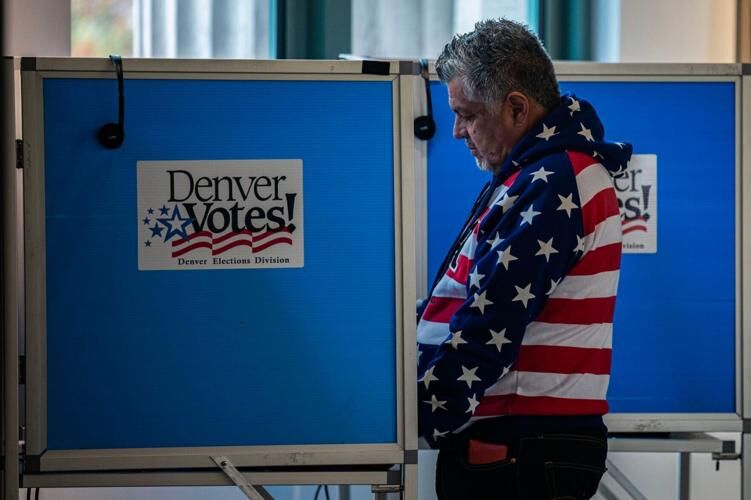
The city of Denver, along with several groups, sued the Trump administration Thursday, seeking to block U.S. Immigration and Customs Enforcement officers who are armed from polling sites during the upcoming midterm elections. In fact, there are no official orders...

Federal judge takes no action against ICE in Colorado after hearing about mistakes, not ‘blatant violations’
Michael Karlik
michael.karlik@coloradopolitics.com
Updated 21 hours ago
A federal judge declined to take action against U.S. Immigration and Customs Enforcement on Thursday after hearing that a pattern of alleged lawbreaking amounted to mistakes and a misunderstanding of the government’s position in court. For nearly a year, Colorado’s...
Colorado doctors, dentists challenge state law on gender‑transition services in new federal lawsuit
Marissa Ventrelli
marissa.ventrelli@coloradopolitics.com
Updated 17 hours ago
A group of Christian doctors and dentists has filed a federal lawsuit challenging a Colorado law they say requires them to provide gender‑transition services that conflict with their religious and ethical beliefs. The lawsuit, filed by the Christian Medical and...
Federal judge directs plaintiff to revise complaint alleging Denver officers’ constitutional violations
Michael Karlik
michael.karlik@coloradopolitics.com
Updated 20 hours ago
A federal judge directed a plaintiff to revise his allegations on Wednesday to more precisely state what two Denver officers and the city itself allegedly did to violate his constitutional rights by facilitating his prosecution for murder until prosecutors dropped...

Lawsuit challenges Douglas County commissioners’ ballot actions
Nicholas Fogleman
nicholas.fogleman@denvergazette.com
Updated 3 days ago
A new lawsuit against Douglas County commissioners seeks to invalidate the board’s intervention in efforts to expand the commission from three members to five and restore the original ballot language approved by more than 20,000 petition signers. The suit marks...
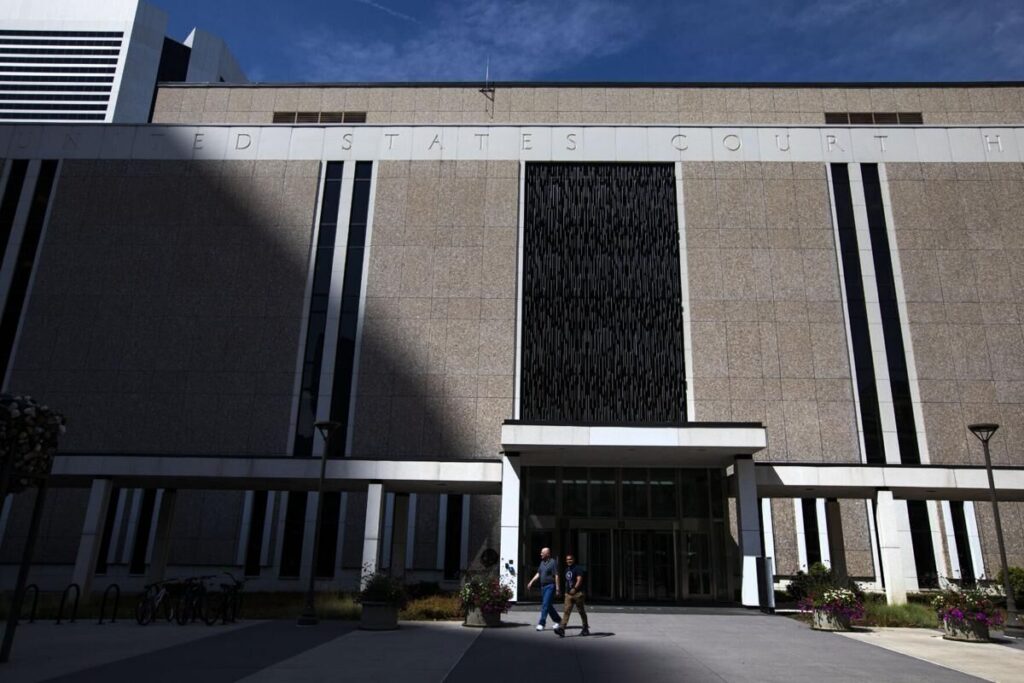
Federal judge explores new sanctions against ex-Colorado judicial discipline director
Michael Karlik
michael.karlik@coloradopolitics.com
Updated 23 hours ago
A federal judge on Wednesday directed Colorado’s former judicial discipline director, for the third time this year, to explain why she should not sanction him for his latest conduct in his litigation against the state’s judiciary. Christopher S.P. Gregory, who served...
PREV
PREVIOUS
Public comment period opens as federal review targets Colorado's wolf reintroduction program
Federal wildlife officials have opened a formal review of Colorado’s wolf reintroduction program, launching a public comment period to assess how the state has handled rising conflicts between wolves and livestock. A notice from the U.S. Fish and Wildlife Service was published in the Federal Register on Monday, setting a June 5 deadline for the comments. The […]

Senate-passed farmworkers overtime bill easily clears Colorado House committee
A proposal to ease Colorado’s overtime requirements for agricultural employers cleared a key House committee Monday, setting up a broader fight over whether the state should scale back a labor policy adopted just five years ago. The House Agriculture, Water and Natural Resources Committee approved the bill Monday to raise the threshold for overtime pay […]