

Under fire from legislators and critics, Colorado’s top Medicaid official resigns
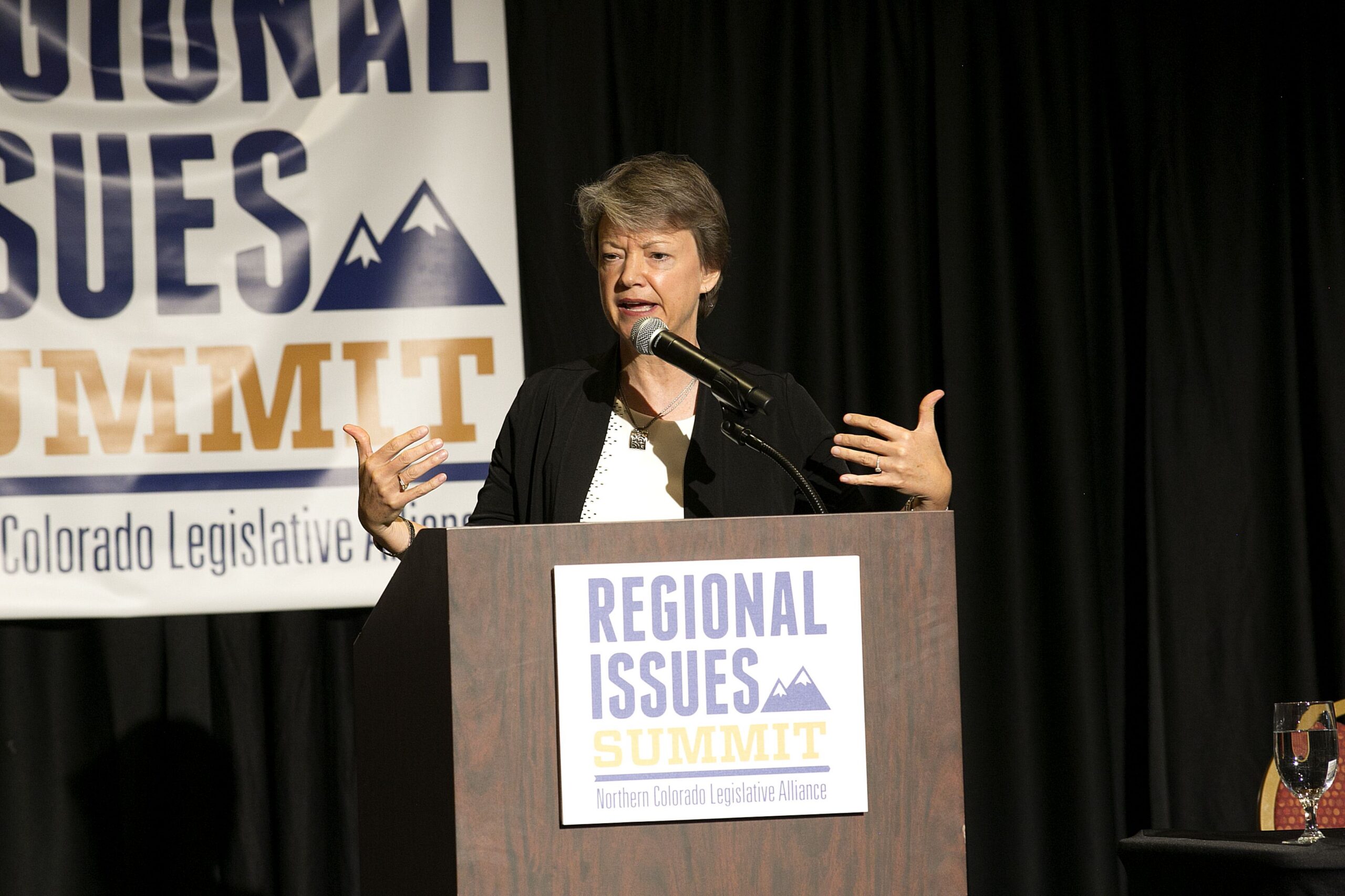
Kim Bimestefer resigned Monday as Colorado’s top Medicaid official, stepping down just as a bipartisan bloc of state senators prepared to formally urge Gov. Jared Polis to remove her over what they called years of mismanagement, waste and costly errors inside the state’s largest agency.
In her resignation statement released by the governor’s office, Bimestefer said, “It has been a true blessing to serve the State of Colorado as the Executive Director of HCPF, as a member of Governor Polis’ Cabinet and Lt. Governor Primavera’s Health Cabinet. Across my career, this public service chapter has proven to be the most important and meaningful, and I am honored to have had this opportunity. I have had the privilege of advancing systems that help Coloradans – often in the most difficult times in their lives – get the care and support they need to rise and thrive. Working alongside HCPF leaders, staff and stakeholders, we have navigated one unprecedented challenge after another for over 8 years to protect the state’s most vulnerable, with this current chapter proving to be incredibly difficult. Under the Governor’s and the Lt. Governor’s leadership, I am confident that my successor, in collaboration with HCPF’s outstanding leaders and staff, will continue to successfully navigate the challenging terrain ahead.”
In accepting her resignation on Monday, Polis said in a statement, “Kim has been leading on health care in Colorado for decades and has committed her career to serving her fellow Coloradans. I am incredibly grateful for her passion and commitment to making our state a better place for everyone, and for her unrelenting quest to really move the needle on health care costs and efficiency.”
In total, 27 of the chamber’s 35 senators were prepared to introduce a resolution on Monday, calling for Bimestefer’s removal. The resolution was authored by Sen. Kyle Mullica, D-Thornton.
Mullica said Monday, “I, along with a number of my colleagues in the legislature, have raised serious concerns about the management of HCPF. This leadership change is a necessary step toward accountability and gives us a critical opportunity to stabilize the department and put Colorado’s Medicaid program on a sustainable long-term path.”
Colorado Politics obtained a copy of the resolution scheduled to be introduced in the Senate on Monday. The resolution cites the following examples in questioning Bimestefer’s leadership:
- The “erroneous” removal of 575,605 Coloradans or 33.4% of the state’s Medicaid population from May 2023 to May 2024, “creating a preventable state health-care crisis.” A 2025 report by the Colorado Association of Health Plans said the state’s “overall dis-enrollment rate of 53% is also close to the worst among states with available data, despite it seeing fewer dis-enrollments than Texas and Florida.”
- Overpayment of hundreds of millions of dollars for nonemergency transportation between 2021 and 2024, reimbursing providers at 10 times the rates they should have charged, and ignoring alerts from those same providers for overpayments.
- Overpaying non-wheelchair transportation providers, at an additional cost, according to a JBC analysis, of $33 million in the 2025-26 budget.
- Reimbursing autism providers more than $285 million for improper fee-for-service payments of “dubious value” in 2022 and 2023, according to a Feb. 25 report from the Office of Inspector General for the U.S. Department of Health and Human Services. The state was required to refund the federal government $42.6 million for those improper payments. The OIG noted that Colorado’s fee-for-service Medicaid payments for Applied Behavioral Analysis services in 2019 totaled $60.1 million, and by 2023 these payments had increased to $163.5 million. Those payments did not comply with federal and state law, the report said, and at least $77.8 million of those payments were “improper.” The OIG also recommended that the state review another $112 million in payments (federal share) to determine if they complied with state and/or federal law.
- A March 3 letter from the U.S. House Committee on Energy and Commerce, asking Colorado to explain how the state’s spending on Medicaid had surpassed $14.6 billion, of which $8.6 million came from the federal government, and doubling the agency’s spending on Medicaid over the past decade, when enrollment grew by only 7% in the same time period.
- The state agency’s response to the federal government was due on March 17. Colorado Politics has submitted an open records request for that response.“The cumulative effect” of Bimestefer’s “mal-administration” of HCPF has cost Colorado hundreds of millions of dollars and “shifted burdens of care to hospitals and other providers,” the resolution stated.
- As a result, Bimestefer no longer enjoys the confidence of the state Senate, the resolution said, urging Polis to remove her and appoint a successor “who could rebuild confidence in the department.”
The state agency responded by March 17, disputing some of the federal government’s claims.
“The cumulative effect” of Bimestefer’s “mal-administration” of HCPF has cost Colorado hundreds of millions of dollars and “shifted burdens of care to hospitals and other providers,” the resolution stated.
As a result, Bimestefer no longer enjoys the confidence of the state Senate, the resolution said, urging Polis to remove her and appoint a successor “who could rebuild confidence in the department.”
The resolution came on the heels of the state’s Medicaid program nabbing headlines in recent weeks with allegations of a fraudulent billing ring, improper payments for autism therapy, and exploding costs in a relatively new program meant to provide health care to pregnant women and children illegally staying in the U.S.
The Department of Health Care Policy and Financing has blamed “outrageous behaviors” among providers, while at the same time acknowledging that assumptions — such as the health of the immigrant population covered by the new program — have been wrong.
Every Republican in the Senate supported the resolution, along with a majority of the chamber’s Democrats, a mix of both progressive and moderate members.
Overspending by HCPF on the Medicaid portion of its budget has been blowing holes in the state budget for at least two years, with an additional $600 million in general funds in 2024-25 and at least $150 million in the 2025-26 budget.
By law, the state must cover that overspending, which state officials have said is tied to higher utilization of health care services by older Coloradans with more expensive health care needs.
Mullica told Colorado Politics it’s been obvious that HCPF is mismanaged.
“As policymakers, we are having to make some really difficult decisions, making cuts to care for some really vulnerable folks,” he said.
The issue of mismanagement has been compounded by fraud, waste and abuse, he said.
“It’s across the board, and it’s in the hundreds of millions of dollars, if not billions,” he said.
Going forward, Mullica said lawmakers have to figure out how to take care of Medicaid, including in the wake of H.R. 1, the Trump administration’s 2025 budget bill, which will mandate low-income recipients either work or attend school at least half-time, or be enrolled in training or volunteering for at least 80 hours per month. In addition, certain Medicaid recipients will be required to be re-certified for benefits every six months instead of once a year, and both requirements could result in loss of coverage.
Supporters of the federal work requirements have argued that they would promote self-sufficiency, reduce government spending, and ensure that welfare programs are sustainable and help those who truly need assistance. Critics said they are unlikely to achieve their purported aims, while cutting off millions of Americans from the help they need.
“I don’t want that hole to be dug any deeper,” and, in the wake of the upcoming Medicaid changes, make the job any harder due to mismanagement by the agency, he said.
“We’re not going to turn a blind eye,” Mullica said. “This isn’t about politics. This is about doing what’s right for the people of Colorado, making sure dollars are best utilized and having accountability.”
He noted mistrust of government, especially when taxpayers think something is being swept under the rug and that their tax dollars aren’t being used properly.
“I hope this is an example that we don’t ignore it,” he said. “And that we take accountability and we take action, no matter the letter next to somebody’s name.”
Those savings, however, have been elusive. Instead, the agency’s Medicaid budget has doubled in the past five years, along with reports of waste, fraud and abuse, and allegations that Bimestefer failed to properly manage the agency.
Maureen Tarrant, an HCA HealthONE vice president and a former hospital CEO, said the lack of oversight points to deeper failures.
“(T)his is the largest line item in the state budget and you have that kind of mismanagement,” Tarrant said during a forum in February. “That’s not fraud, waste and abuse. That’s mismanagement.”
While Medicaid costs are rising nationwide, Colorado stands out for the share of its budget devoted to the program. Only New Hampshire’s share is higher than Colorado.
Last month, federal prosecutors charged two Medicaid transportation providers with fraud and bilking taxpayers of more than $500,000 in proceeds used for luxury vehicles, jewelry and cosmetic surgery. State officials also said they detected $25 million in abnormal billing — a surge that prompted a new state law and the suspension of dozens of providers.
A federal audit also found Colorado made $77.8 million in improper Medicaid payments for autism therapy after program spending for Applied Behavior Analysis (ABA) surged. ABA is a therapeutic approach that centers on managing symptoms by improving social and communication skills.
“Colorado and the nation are battling unacceptable cost increases due to outrageous behaviors and practices by a subset of disruptive and revenue-maximizing ABA providers,” Marc Williams, a HCPF spokesperson, has said.
Meanwhile, the program that covers pregnant women and children illegally staying in the U.S. was assumed to cost only $27 million. Spending blew past that. It is expected to cost $112 million in the next fiscal year’s budget.
Bimestefer, who has not been directly interviewed by a local news organization on the allegations of fraud and runaway spending, previously served for four years as president and general manager of Cigna’s Mountain States Region, where she began as president of the company’s Taft-Hartley and federal business segment in 2001. Her reasons for leaving Cigna are unknown.
She was removed from her role as president and general manager in 2016, though the reasons are unclear.
This is a developing story.


Colorado Gov. Polis signs bill requiring social media scaled-back social media warrant bill after last year’s veto
Marissa Ventrelli
marissa.ventrelli@coloradopolitics.com
Updated 29 minutes ago
Colorado law enforcement will soon have faster access to digital evidence after Gov. Jared Polis signed a pared‑down bill requiring social media companies to acknowledge and respond to search warrants on a tight timeline, a shift from a broader proposal...
Power grid shutdowns in Colorado bring protection — and problems
Scott Weiser
scott.weiser@gazette.com
Updated 4 hours ago
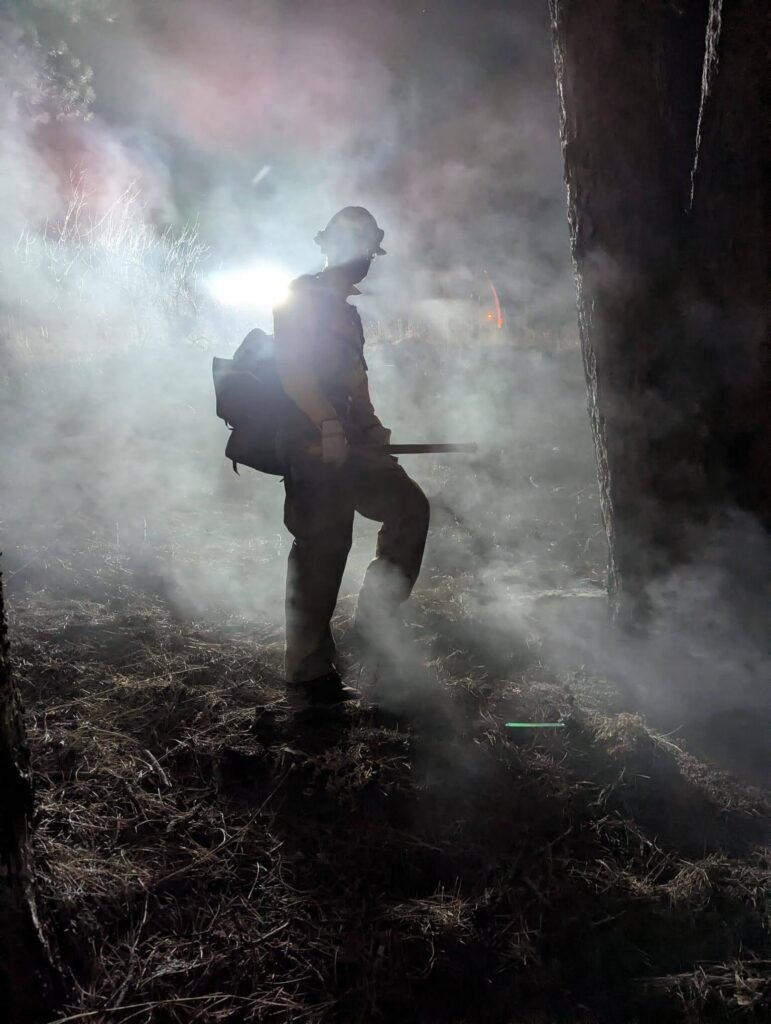
A downed power line in Sunshine Canyon in the mountains west of Boulder in December posed an electrocution risk to firefighters and bystanders after Xcel Energy re-energized it without repairing it, despite being notified of the break the day before....
Aurora wildland fire contained at Buckley Space Force Base
Nicholas Fogleman
nicholas.fogleman@denvergazette.com
Updated 4 hours ago
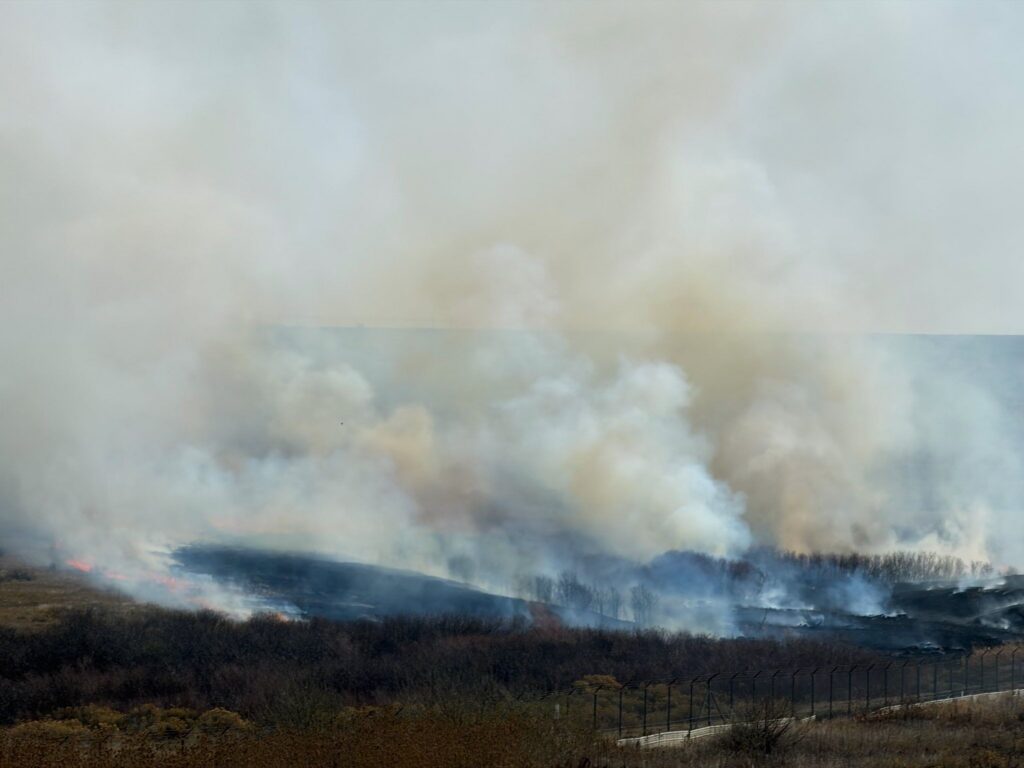
A wildland fire burned Sunday morning on the southwest end of Buckley Space Force Base in Aurora, authorities said. The fire no longer posed a threat and crews were clearing the scene as of 10:53 a.m., according to Aurora Fire...

Unsustainable: How Colorado’s Medicaid spending exploded
Nico Brambila
nico.brambila@denvergazette.com
Updated 6 hours ago
The state’s Medicaid program — which covers about one in four Coloradans — is poised for its largest single-year jump in at least two decades, with officials proposing a $2.3 billion increase, even as lawmakers face a $1.5 billion budget...

Phil Weiser wins top spot in Colorado’s Democratic gubernatorial primary at party’s state assembly
Ernest Luning
ernest.luning@coloradopolitics.com
Updated 2 days ago
Attorney General Phil Weiser’s name will appear first on Colorado’s Democratic gubernatorial primary ballot after his overwhelming win Saturday at the party’s state assembly in Pueblo. Weiser joins U.S. Sen. Michael Bennet in the June 30 primary for the office...

‘No Kings’ protest draws tens of thousands to Colorado state Capitol
Matt Kyle
matt.kyle@denvergazette.com
Updated 2 days ago
The third round of the national No Kings Day protests hit Denver Saturday, when tens of thousands gathered near the Colorado state Capitol to criticize the Trump administration. Organizers addressing the crowd estimated there were 30,000 present for the Saturday...
Denver Democrat Diana DeGette trails challenger Melat Kiros at assembly as both qualify for primary
Ernest Luning
ernest.luning@coloradopolitics.com
Updated 2 days ago
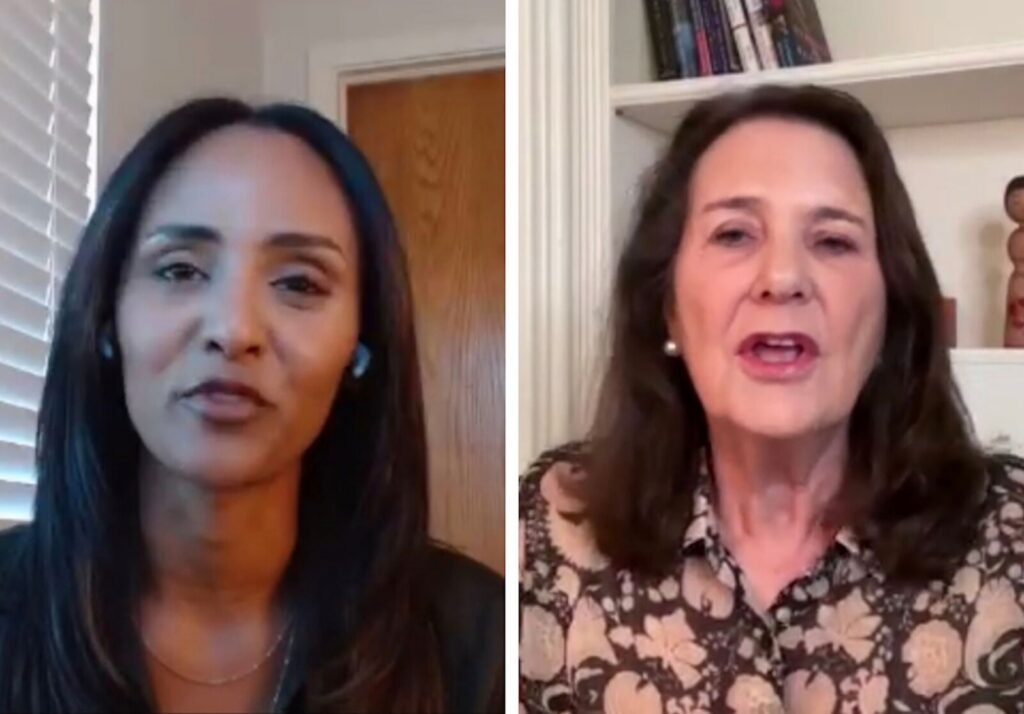
U.S. Rep Diana DeGette, a Denver Democrat, qualified for Colorado’s June primary by the skin of her teeth Friday at the party’s district assembly, where the 15-term incumbent received fewer than half as many delegate votes as her challenger, 28-year-old...
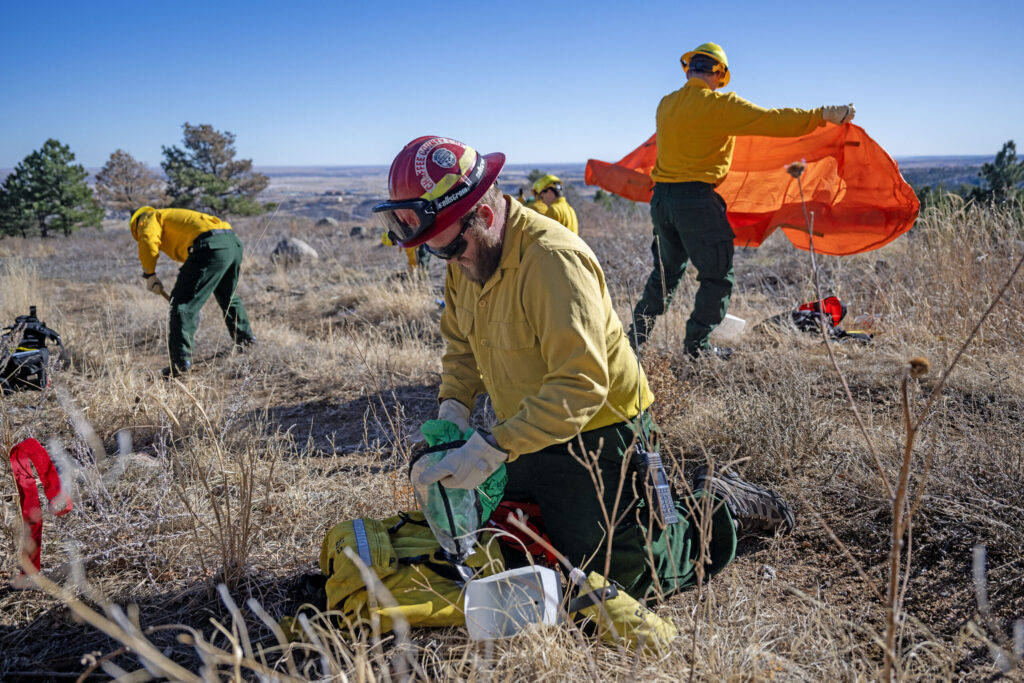
Jeffco adopts updates to wildfire resiliency code
Sage Kelley
sage.kelley@denvergazette.com
Updated 4 hours ago
Jefferson County is one of the most at-risk counties for wildfires in the country, and the board of commissioners is attempting to lessen the danger. The Jefferson County commissioners approved updates to the Wildfire Resiliency Code on March 10, including...
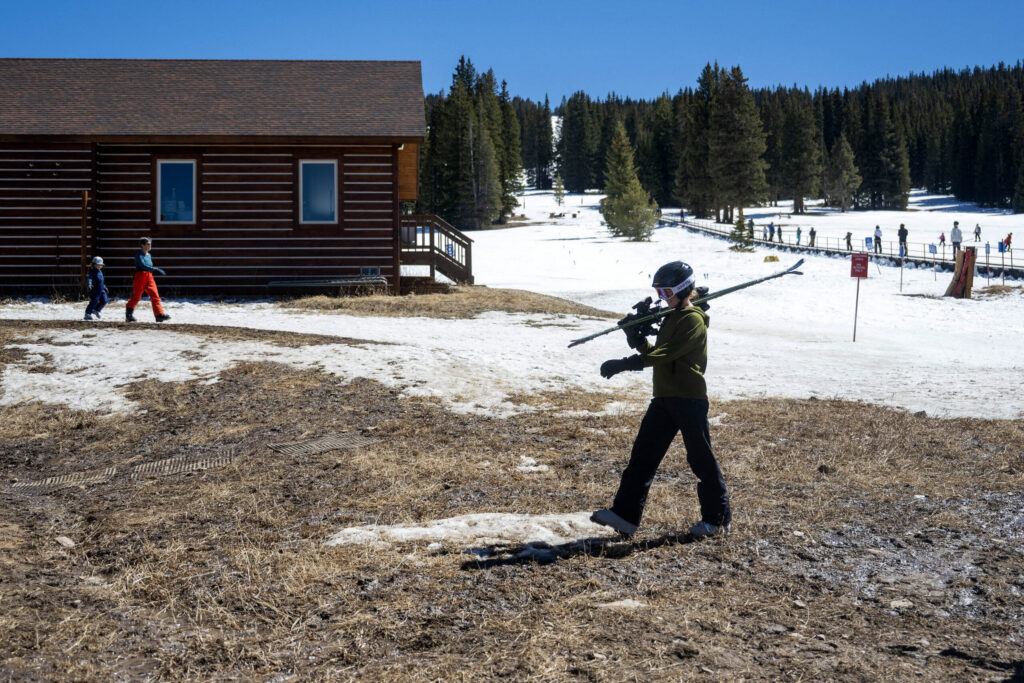
Colorado ski resorts announce early closures amid historic snowpack lows, high temperatures
Kyla Pearce
kyla.pearce@gazette.com
Updated 3 days ago
As Colorado’s historically low snowpack year comes to a close and spring conditions take over the mountains, the state’s major ski resorts are announcing closing dates — some of which are weeks before historic closing dates. Most of Colorado’s ski...

Boulder police investigate sexual assault, ‘drugging’ at bar near CU
Matt Kyle
matt.kyle@denvergazette.com
Updated 3 days ago
The Boulder Police Department is investigating reports of sexual assault and “suspected drugging” involving underage girls at a bar. There may be additional victims who have not yet come forward, the department said in a news release. The bar, Scrooge...
PREV
PREVIOUS

Out-of-state judges address ex-discipline director's lawsuit, Colorado justices accept federal invitation | COURT CRAWL
Welcome to Court Crawl, Colorado Politics’ roundup of news from the third branch of government. A pair of out-of-state judges got down to business in a lawsuit brought by Colorado’s former judicial discipline director, plus the state Supreme Court has accepted a federal judge’s invitation to answer a question about Colorado law. Heard on appeal […]

Colorado Gov. Polis signs bill requiring social media scaled-back social media warrant bill after last year's veto
Colorado law enforcement will soon have faster access to digital evidence after Gov. Jared Polis signed a pared‑down bill requiring social media companies to acknowledge and respond to search warrants on a tight timeline, a shift from a broader proposal he vetoed last year. Senate Bill 011, sponsored by Sens. Dylan Roberts, D-Frisco, and Lisa […]