

Jeffco adopts updates to wildfire resiliency code
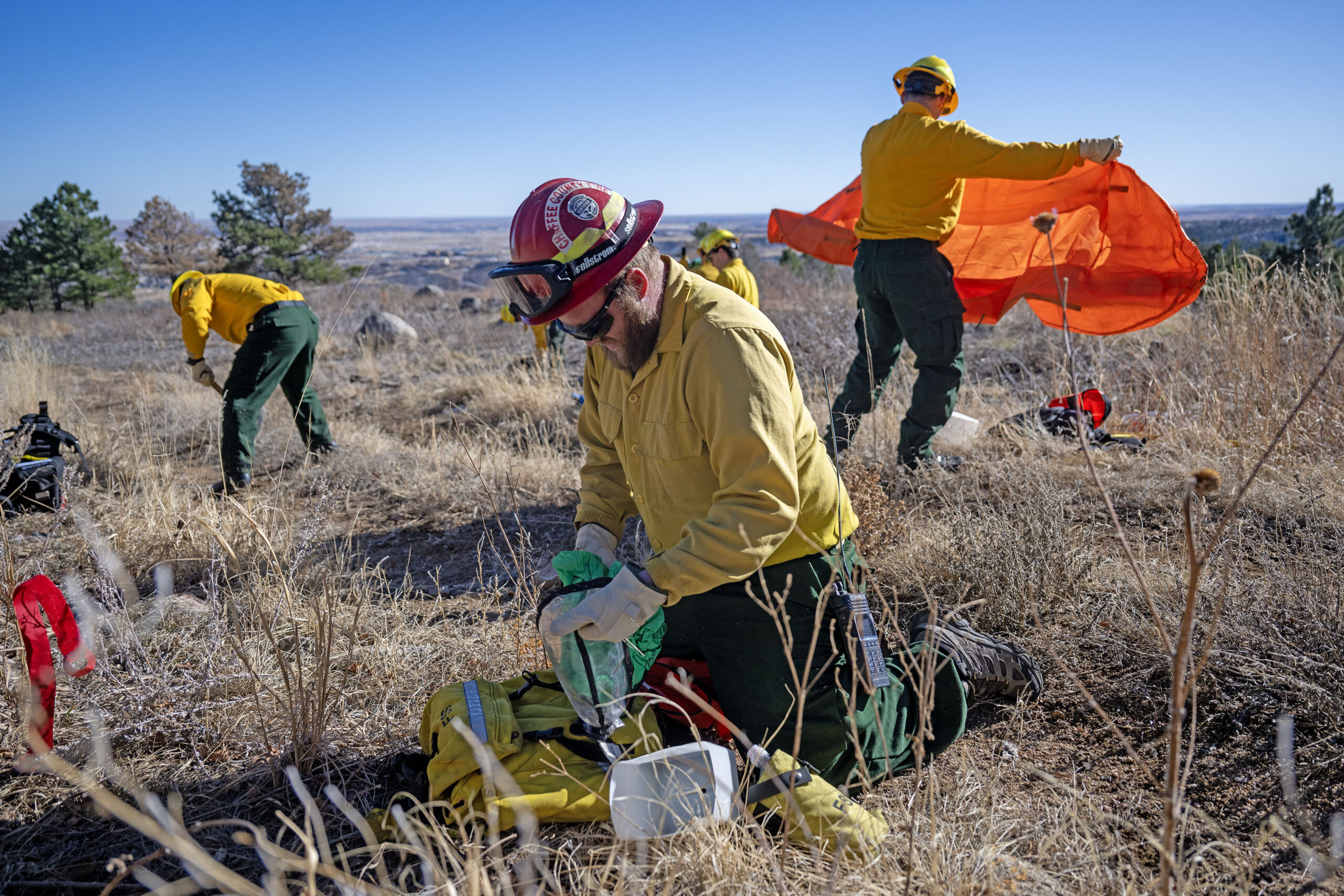
Jefferson County is one of the most at-risk counties for wildfires in the country, and the board of commissioners is attempting to lessen the danger.
The Jefferson County commissioners approved updates to the Wildfire Resiliency Code on March 10, including creating buffering areas around structures and tougher building requirements.
The changes will go into effect on July 1, working to help mitigate wildfires in a county with a higher risk for fires than 98% of counties in the country, according to Wildfirerisk.org.
“Jefferson County is one of the highest fire-risk counties in the country. Record low snowpack, unseasonably high temperatures and other factors contribute to the sense of urgency to act now,” Commissioner Lesley Dahlkemper told The Denver Gazette. “The wildfire fire threat in Jefferson County requires us to think differently about how we build, what we plant and how we protect our communities.”
The changes were made and approved to meet the requirements of the state’s Wildfire Resiliency Code, which was established on July 1, 2025, with a deadline of April 1.
Cities within Jefferson County, like Lakewood, have already approved updates to their specific resiliency codes ahead of the deadline.
The updates regarding Jefferson County’s Wildland Urban Interface Overlay District mean someone can build a structure but must hire a certified fire specialist to verify the structure has a “defensible space” — cleared and thinned vegetation around the structure — and that roads and driveways meet access standards so emergency vehicles can reach the location.
These defensible space permits expire every three years, and property owners are legally required to maintain their clearings from vegetation growth.
Ronda Scholting, spokesperson for West Metro Fire, said the adoption “is a vital step in addressing the growing wildfire risk facing our communities.”
Einar Jensen, risk reduction coordinator with Evergreen Fire Rescue, told The Denver Gazette that while the updates are important to create consistency between areas in the state, efforts must still be completed by owners.
“Even with the new codes in place, home and other property owners remain responsible for maintaining their buildings and landscaping, removing dead vegetation, planning for evacuations and registering for their county’s reverse notification systems. Community safety requires all of us to do our parts,” Jensen said.
The changes related to building homes include requiring fire-resistant materials for new homes and case-specific improvements to existing homes.
For example, gutters must be made of noncombustible materials, attics must have ventilation openings and decks must be made of ignition-resistant materials.
“The 2020 big wildfires (in Colorado) and the Marshall fire have set an impetus for action,” said Anne Miller, director of the Colorado Resiliency Office, at a panel in 2025.
The changes come at the same time as one of Colorado’s driest winters on record and wind gusts already reaching nearly 80 mph in the county — similar conditions to 2021 when Colorado’s most destructive wildfire, the Marshall fire, burned more than 1,000 homes and businesses in Boulder, Louisville and Superior and killed two people.
“Wildfire doesn’t know the difference between county lines,” Dahlkemper. “We are all in this together.”
More information can be found at Jeffco.us.
Denver Gazette reporter Bernadette Berdychowski contributed to this report.

Under fire from legislators and critics, Colorado’s top Medicaid official resigns
Marianne Goodland
marianne.goodland@coloradopolitics.com
Updated 12 minutes ago
Kim Bimestefer resigned Monday as Colorado’s top Medicaid official, stepping down just as a bipartisan bloc of state senators prepared to formally urge Gov. Jared Polis to remove her over what they called years of mismanagement, waste and costly errors...
Power grid shutdowns in Colorado bring protection — and problems
Scott Weiser
scott.weiser@gazette.com
Updated 3 hours ago
A downed power line in Sunshine Canyon in the mountains west of Boulder in December posed an electrocution risk to firefighters and bystanders after Xcel Energy re-energized it without repairing it, despite being notified of the break the day before....
Aurora wildland fire contained at Buckley Space Force Base
Nicholas Fogleman
nicholas.fogleman@denvergazette.com
Updated 3 hours ago
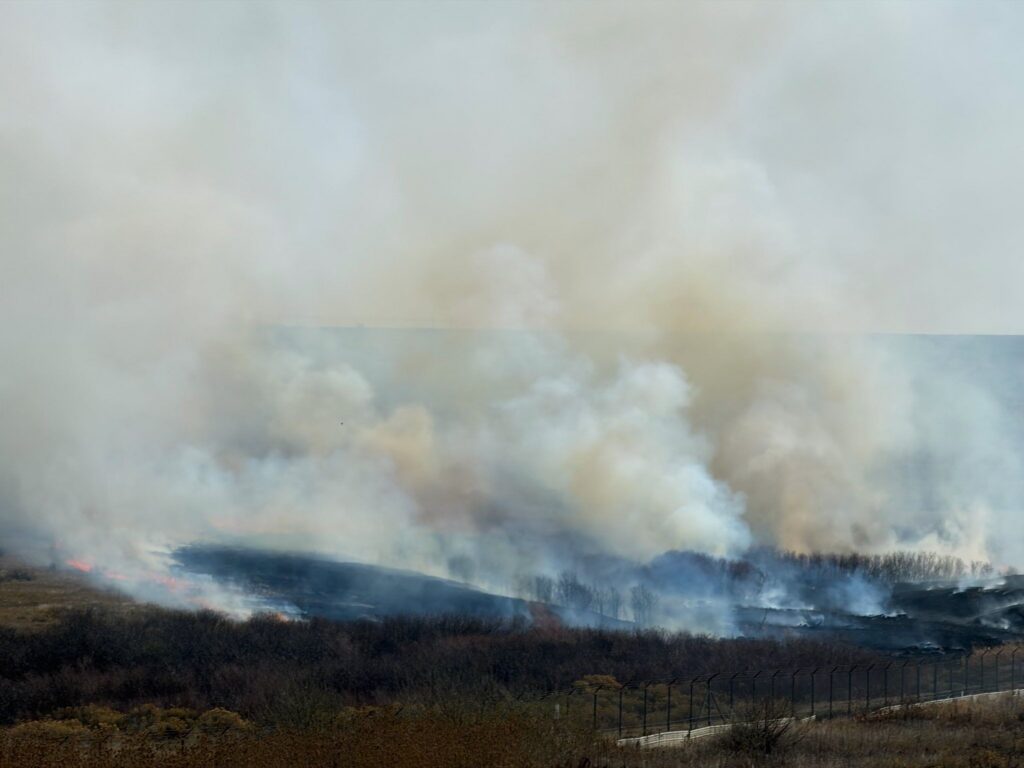
A wildland fire burned Sunday morning on the southwest end of Buckley Space Force Base in Aurora, authorities said. The fire no longer posed a threat and crews were clearing the scene as of 10:53 a.m., according to Aurora Fire...

Unsustainable: How Colorado’s Medicaid spending exploded
Nico Brambila
nico.brambila@denvergazette.com
Updated 5 hours ago
The state’s Medicaid program — which covers about one in four Coloradans — is poised for its largest single-year jump in at least two decades, with officials proposing a $2.3 billion increase, even as lawmakers face a $1.5 billion budget...
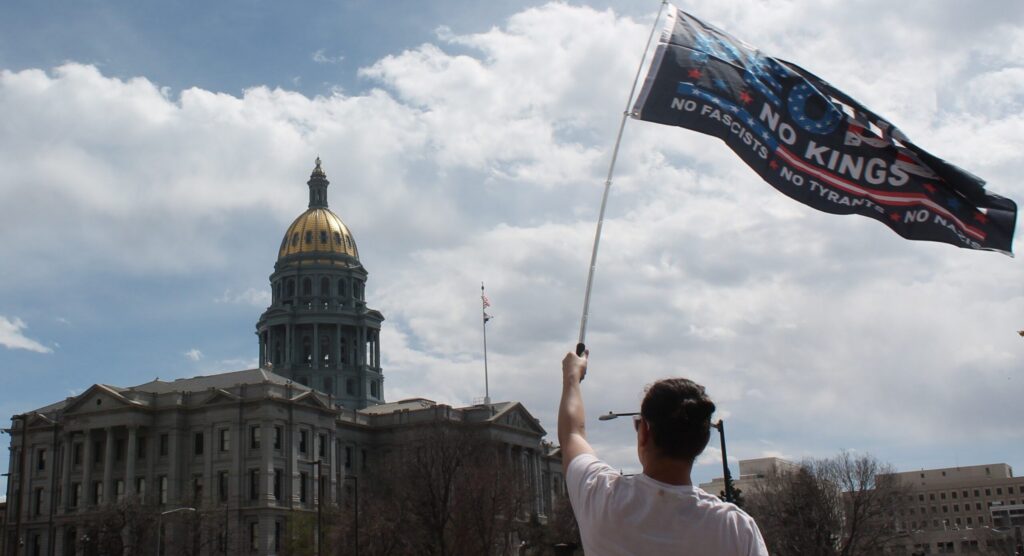
‘No Kings’ protest draws tens of thousands to Colorado state Capitol
Matt Kyle
matt.kyle@denvergazette.com
Updated 2 days ago
The third round of the national No Kings Day protests hit Denver Saturday, when tens of thousands gathered near the Colorado state Capitol to criticize the Trump administration. Organizers addressing the crowd estimated there were 30,000 present for the Saturday...
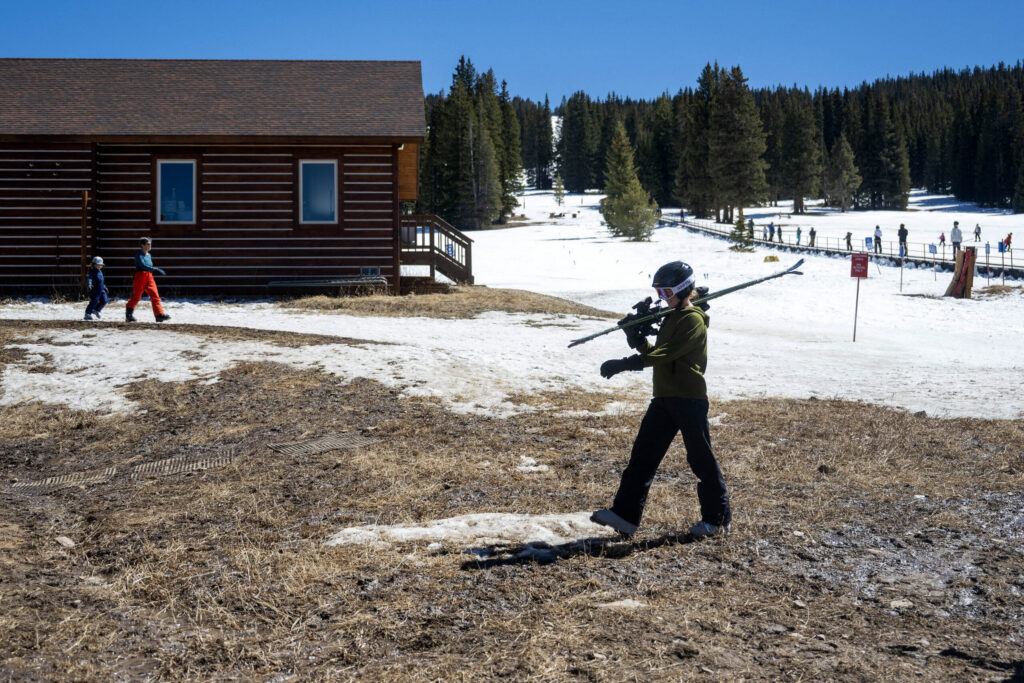
Colorado ski resorts announce early closures amid historic snowpack lows, high temperatures
Kyla Pearce
kyla.pearce@gazette.com
Updated 3 days ago
As Colorado’s historically low snowpack year comes to a close and spring conditions take over the mountains, the state’s major ski resorts are announcing closing dates — some of which are weeks before historic closing dates. Most of Colorado’s ski...

Boulder police investigate sexual assault, ‘drugging’ at bar near CU
Matt Kyle
matt.kyle@denvergazette.com
Updated 3 days ago
The Boulder Police Department is investigating reports of sexual assault and “suspected drugging” involving underage girls at a bar. There may be additional victims who have not yet come forward, the department said in a news release. The bar, Scrooge...
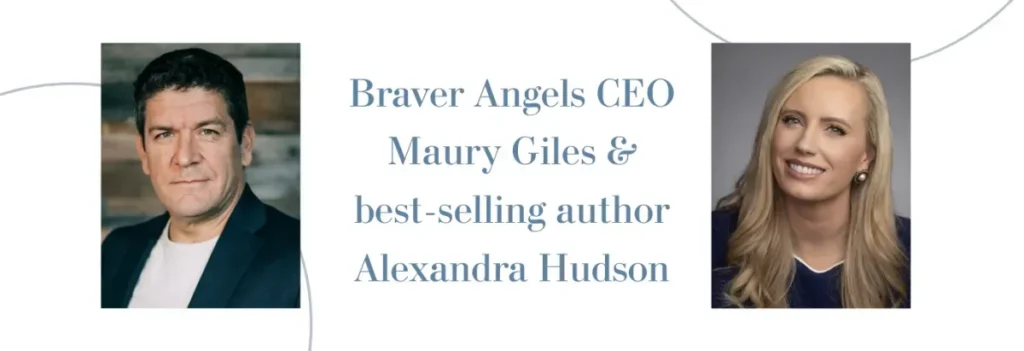
‘Civility in the City’ event with two national experts to be held Monday at UCCS
DEBBIE KELLEY
debbie-kelley@coloradopolitics.com
Updated 3 days ago
Two notables working on the front lines of civic and cultural repair will discuss “Civility in the City” on Monday at the University of Colorado’s Colorado Springs campus. The event will feature Maury Giles, CEO of Braver Angels, and Alexandra...

Thornton police investigating homicide
Matt Kyle
matt.kyle@denvergazette.com
Updated 4 days ago
Police in Thornton are investigating a homicide that happened late Wednesday night. Thornton Police Department officers responded just before 11 p.m. near the intersection of East 88th Avenue and Grant Street after a 911 caller reported someone bleeding. Upon arrival,...

Denver residents question funding, local transport aspects of Front Range Passenger Rail
Matt Kyle
matt.kyle@denvergazette.com
Updated 3 days ago
Funding, local transit focus and how exactly the Front Range Passenger Rail will serve Coloradans are a few topics Denver residents have on their minds regarding an upcoming project meant to bring 180 miles of passenger rails to the Interstate...
PREV
PREVIOUS
Appeals court rejects theory that existing tax revenue undermines need for new fees
Colorado’s second-highest court rejected a plaintiff’s claim on Thursday that the tax revenue generated by an existing activity should prevent local governments from imposing new fees aimed at regulating the activity. The question stemmed from Colorado’s unique constraints on taxation under the 1992 Taxpayer’s Bill of Rights. The constitutional amendment generally requires voter approval of […]

Federal judge upholds constitutionality of Colorado campaign contribution limits
A federal judge upheld Colorado’s individual campaign contribution limits as constitutional on Thursday, finding that three Republican plaintiffs failed to prove the campaign finance framework violates their First Amendment rights. U.S. District Court Senior Judge John L. Kane recognized that Colorado’s limitations on individual contributions to state political candidates are among the lowest in the […]