

Democratic bill would let recipients of ‘conversion therapy’ sue Colorado providers with no statute of limitations

Colorado lawmakers have advanced a proposal that would allow people who underwent conversion therapy to sue licensed providers for damages, moving the measure forward on a party-line vote in the House Judiciary Committee.
House Bill 1322, proposed by Democratic Reps. Alex Valdez of Denver and Karen McCormick of Hygiene will move to a full-floor debate in the House.
Conversion therapy aims to change an individual’s sexual orientation or gender identity. Its critics have questioned its legitimacy, while proponents have countered that such decisions should be left to families without governments wading into the issue.
Conversion therapy on minors was banned in Colorado in 2019. A lawsuit challenging the ban’s constitutionality is currently awaiting an opinion from the U.S. Supreme Court.
Valdez and McCormick’s bill would create a cause of action for claims of injury caused by a licensed conversion therapy provider with no statute of limitations.
Valdez, who is gay, said many of his peers growing up either experienced or were threatened with conversion therapy.
Sending a young person to conversion therapy implies that something is wrong with them and needs to be changed, Valdez said.
“Something is not wrong with you. Something has never been wrong with anybody, and there should have never been anybody who was attempted to be converted,” he said.
Valdez alleged that while conversion therapy is now banned for minors, there are tens of thousands of adults in Colorado living with the psychological impacts of what they experienced, and many of them may not have realized what happened to them was wrong until years later, which is why the bill has no statute of limitations.
Colleen Enos of Christian Home Educators of Colorado called the bill “blatantly unconstitutional,” arguing that banning conversion therapy violates practitioners’ rights to free speech and freedom of religion.
“Licensed mental health providers with sincerely-held religious beliefs who offer counseling to individuals according to those beliefs are punished by this bill, and that is the point of this bill — to punish those who disagree and to monitor therapists’ speech,” Enos said, referencing the U.S. Supreme Court case, in which a Colorado Springs therapist has argued the conversion therapy ban prevents her from providing “religiously informed care.”
“Painful interactions with faith do not justify making conversations illegal,” Enos said. “Disagreement is not a criminal offense.”
The case before the U.S. Supreme Court deals with the 2019 Colorado law, under which conversion therapy is defined as a practice or treatment by a licensed physician aimed at changing a person’s sexual orientation or their gender identity, or to otherwise eliminate feelings of attraction toward members of the same sex.
In the lawsuit, Kaley Chiles, a licensed counselor and practicing Christian in Colorado Springs, described her as working with adults who voluntarily seek “Christian counseling” and children who are “internally motivated to seek counseling.” Chiles argued Colorado’s ban on conversion therapy for minors forces her to limit her speech about sexuality, for fear of violating the law.
In late 2022, a trial judge declined to grant a preliminary injunction blocking the law. U.S. District Court Judge Charlotte N. Sweeney found the state was within its rights to prohibit specific treatment by those who obtain a professional license.
Then in 2024, the U.S. Court of Appeals for the 10th Circuit agreed by 2-1 that the law is a regulation on professional conduct that only “incidentally” affected speech. The dissenting judge, Harris L Hartz, believed the state is effectively regulating Chiles’ speech and he cast doubt on the scientific consensus against conversion therapy.
Reporter Michael Karlik contributed to this article.

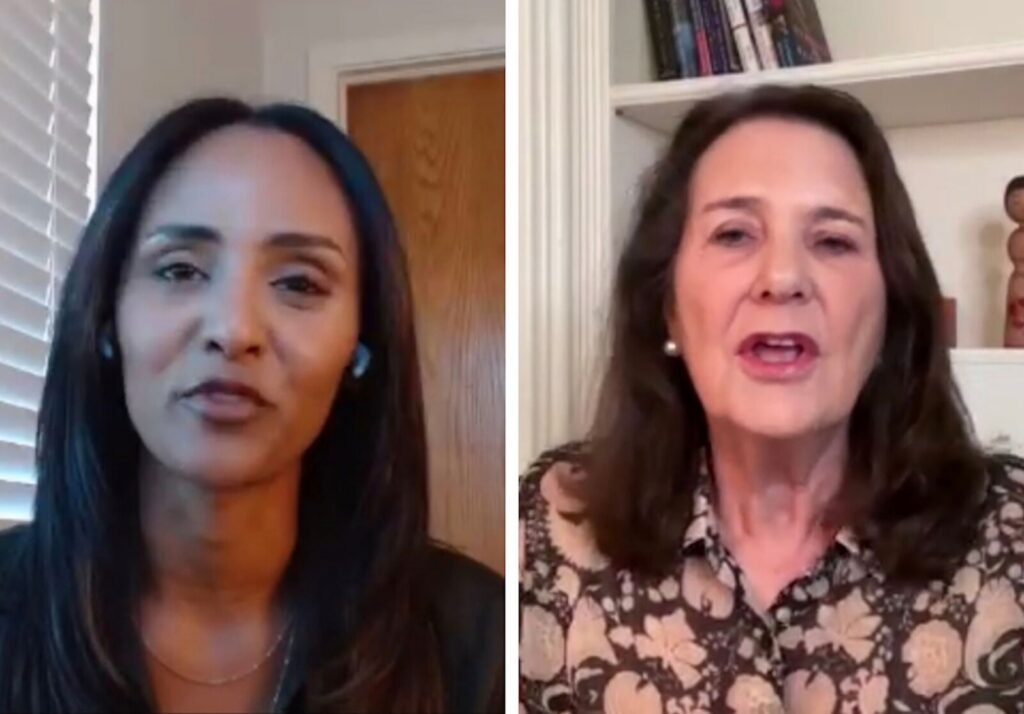
Denver Democrat Diana DeGette trails challenger Melat Kiros at assembly as both qualify for primary
Ernest Luning
ernest.luning@coloradopolitics.com
Updated 38 minutes ago
U.S. Rep Diana DeGette, a Denver Democrat, qualified for Colorado’s June primary by the skin of her teeth Friday at the party’s district assembly, where the 15-term incumbent received fewer than half as many delegate votes as her challenger, 28-year-old...
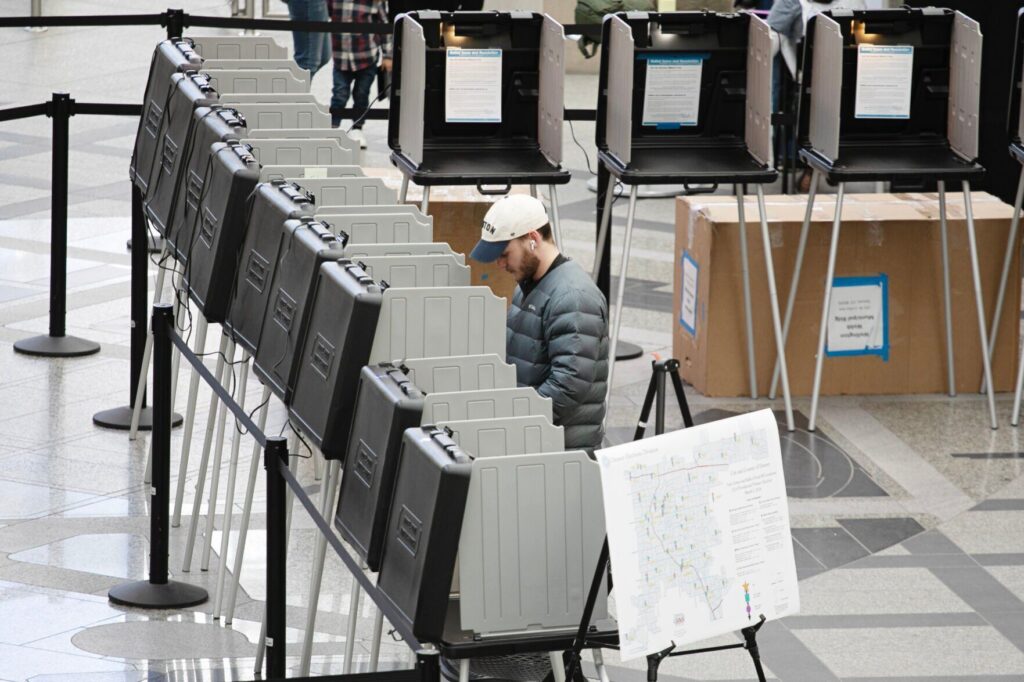
Federal judge upholds constitutionality of Colorado campaign contribution limits
Michael Karlik
michael.karlik@coloradopolitics.com
Updated 13 hours ago
A federal judge upheld Colorado’s individual campaign contribution limits as constitutional on Thursday, finding that three Republican plaintiffs failed to prove the campaign finance framework violates their First Amendment rights. U.S. District Court Senior Judge John L. Kane recognized that...
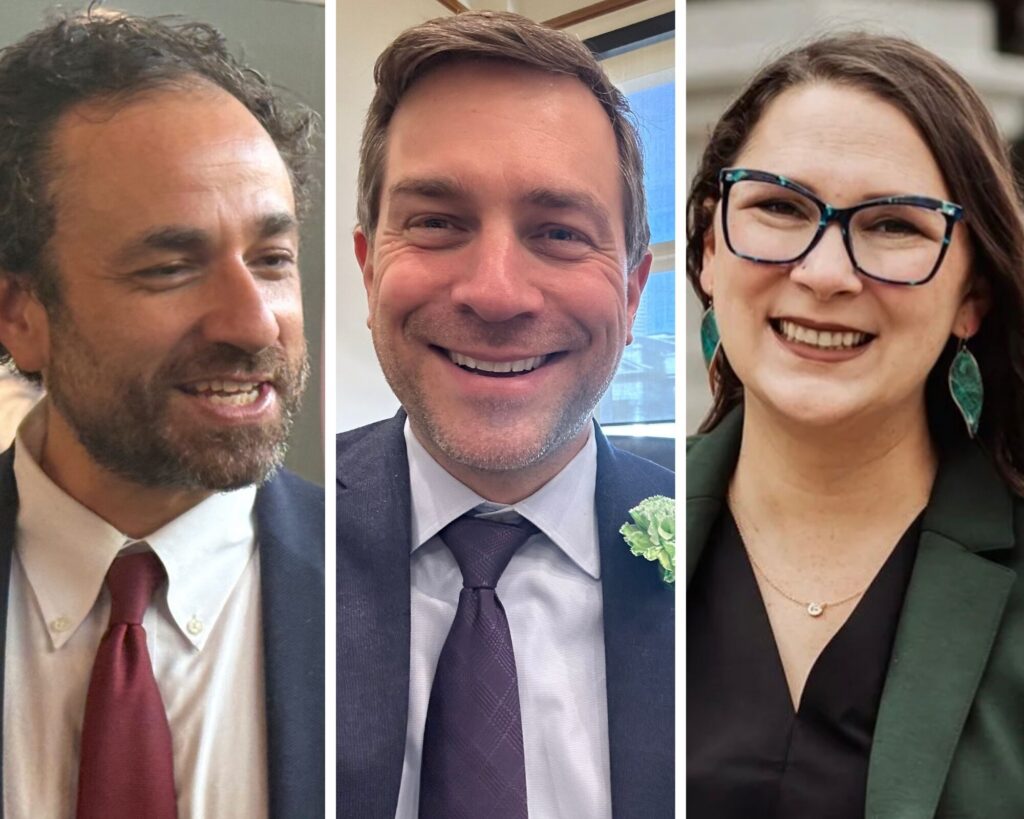
Seligman, Bridges, Gonzales lead downballot races heading into Colorado Democrats’ state assembly
Ernest Luning
ernest.luning@coloradopolitics.com
Updated 18 hours ago
As Colorado Democrats prepare to designate candidates to the June primary ballot at the party’s state assembly in Pueblo on Saturday, three candidates appear poised to win top-line designation in downballot statewide races, according to data compiled by the state...
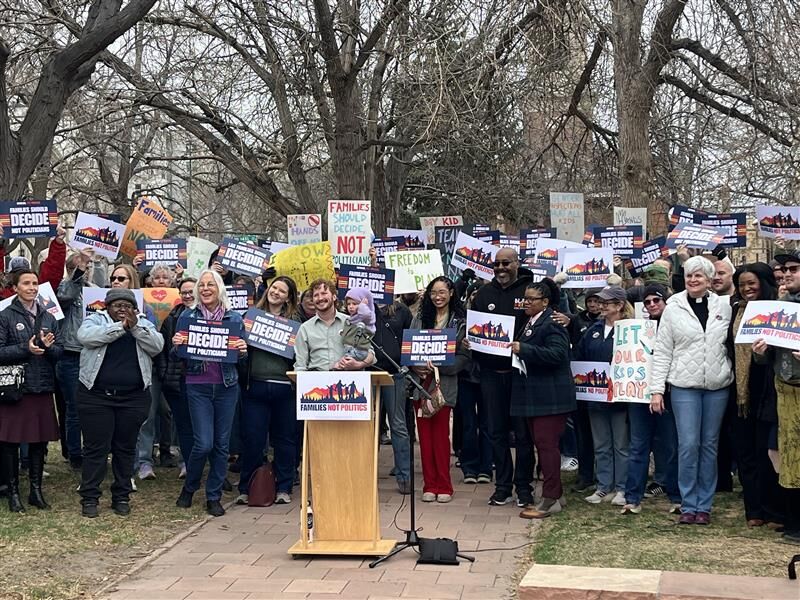
Planned Parenthood, groups launch campaign against transgender ballot measures in Colorado
Marissa Ventrelli
marissa.ventrelli@coloradopolitics.com
Updated 17 hours ago
Planned Parenthood and other groups have launched a coalition to oppose two ballot measures that would ban transgender surgeries among children and require student athletes to only join sports teams that correspond to their biological sex. The two measures will...
From pause to progress — a better path on AI policy | OPINION
Colorado Politics
colorado-politics@coloradopolitics.com
Updated 1 day ago
By Brittany Morris Saunders and Loren Furman Last year, following the Special Legislative Session, we wrote in Colorado Politics that delaying Colorado’s AI Act was not a setback. It was an opportunity. We asked state leaders to pause, bring more...
Cutting Prop 123 would cost Colorado far more than it saves | OPINION
Colorado Politics
colorado-politics@coloradopolitics.com
Updated 1 day ago
By Luke Teater Colorado’s legislative budget writers are about to receive updated revenue forecasts and begin making final cuts to close a historic budget gap, and Proposition 123’s affordable housing financing tools are on the chopping block. But in their...

Democratic US Sen. John Hickenlooper qualifies for Colorado primary by petition, will skip assembly
Ernest Luning
ernest.luning@coloradopolitics.com
Updated 2 days ago
U.S. Sen. John Hickenlooper has qualified for Colorado’s Democratic primary after the first-term incumbent submitted enough valid petition signatures to make the ballot, state officials said. Hickenlooper is facing primary challenges from state Sen. Julie Gonzales, D-Denver, and university professor...
Pinnacol separation bill delayed as Colorado budget remains in flux due to $1.5B deficit
Marianne Goodland
marianne.goodland@coloradopolitics.com
Updated 2 days ago
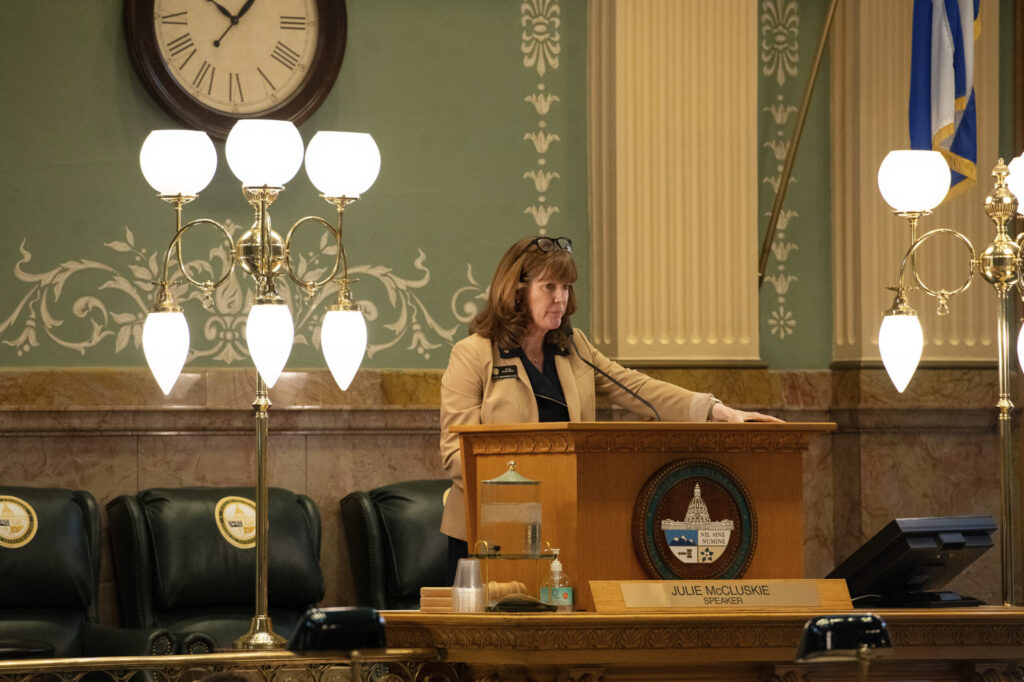
A bill that would allow Pinnacol Assurance to formally sever its remaining ties with the state appears unlikely to emerge anytime soon, as House leaders juggle a massive budget shortfall, unresolved negotiations with key stakeholders, and growing doubts about whether...
U.S. Sen. Michael Bennet qualifies by petition for Colorado’s Democratic gubernatorial primary
Ernest Luning
ernest.luning@coloradopolitics.com
Updated 2 days ago
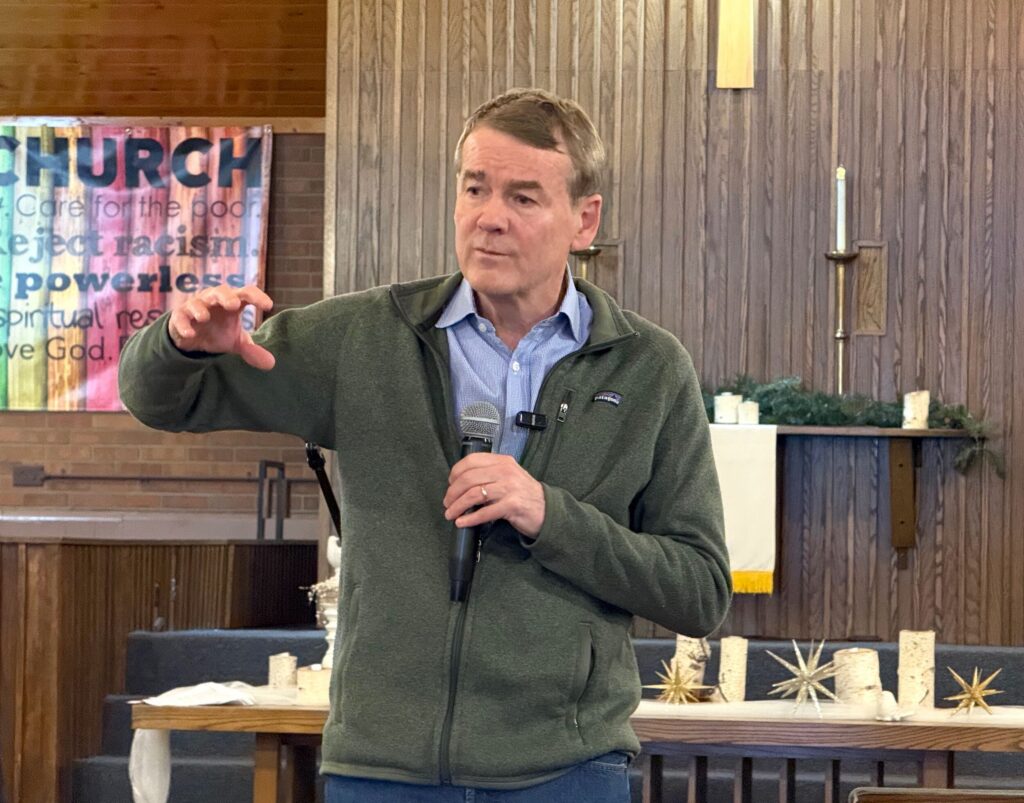
U.S. Sen. Michael Bennet on Tuesday became the first gubernatorial candidate to qualify for Colorado’s June primary ballot after state election officials determined the three-term Democrat’s campaign submitted enough valid petition signatures. Bennet is running against Attorney General Phil Weiser...
Colorado’s place in President Trump’s oil-and-gas approach | Paula Noonan
Paula Noonan
paula-noonan@coloradopolitics.com
Updated 2 days ago
Head spinning is the unwanted reality of today’s world. Let’s start at the international level. The wars in the Middle East since the 1950s have never ended. Though religion and ethnicity are factors, oil and gas access is always predominant...
PREV
PREVIOUS

Pinnacol separation bill delayed as Colorado budget remains in flux due to $1.5B deficit
A bill that would allow Pinnacol Assurance to formally sever its remaining ties with the state appears unlikely to emerge anytime soon, as House leaders juggle a massive budget shortfall, unresolved negotiations with key stakeholders, and growing doubts about whether the insurer’s proposed $400 million payment could be counted on to help balance next year’s […]

'Civility in the City' event with two national experts to be held Monday at UCCS
Two notables working on the front lines of civic and cultural repair will discuss “Civility in the City” on Monday at the University of Colorado’s Colorado Springs campus. The event will feature Maury Giles, CEO of Braver Angels, and Alexandra Hudson, best-selling author of “The Soul of Civility.” The doors open at 6:30 p.m. at […]