

10th Circuit dismisses challenge to Colorado legislature’s decorum rules
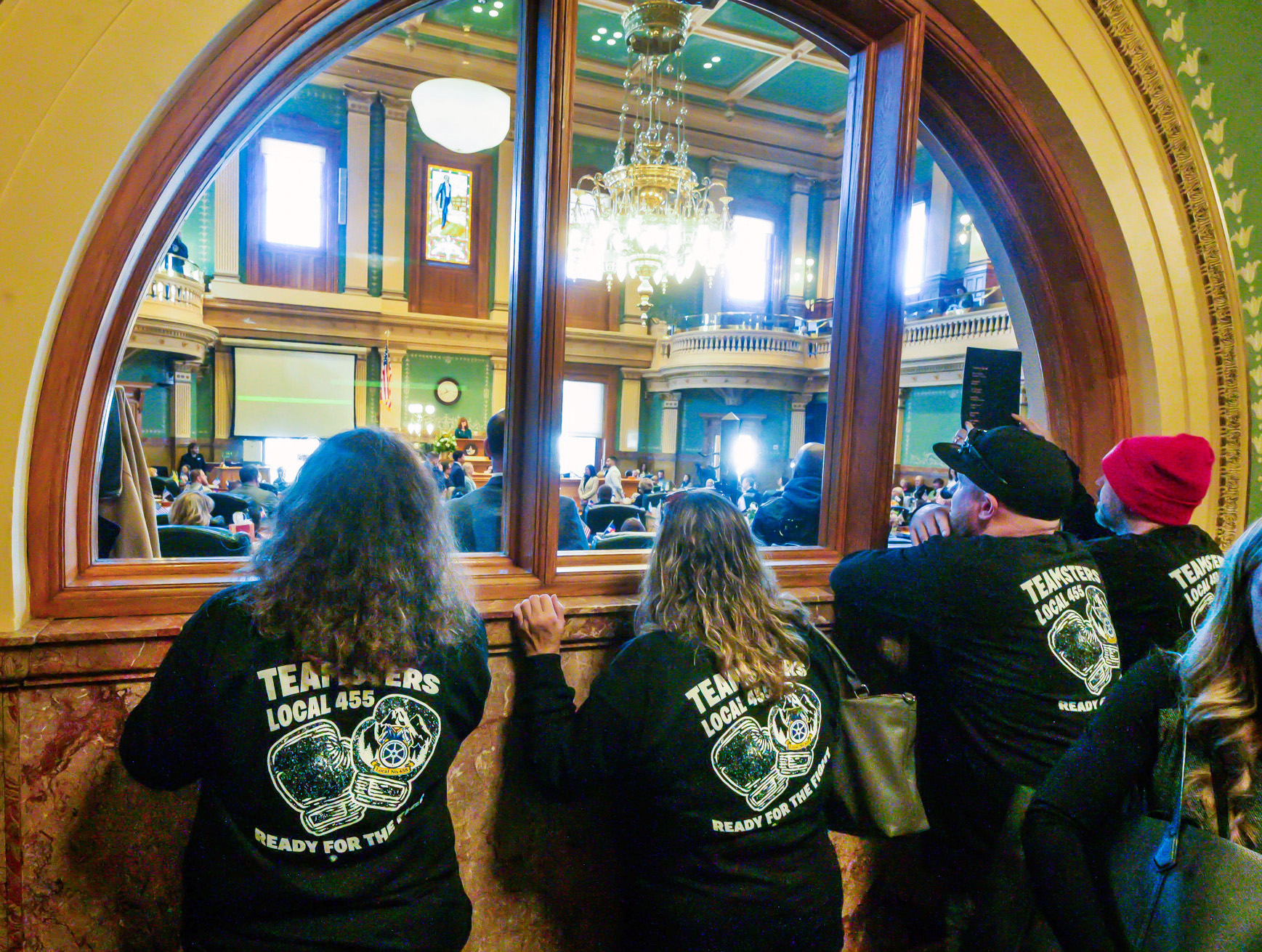
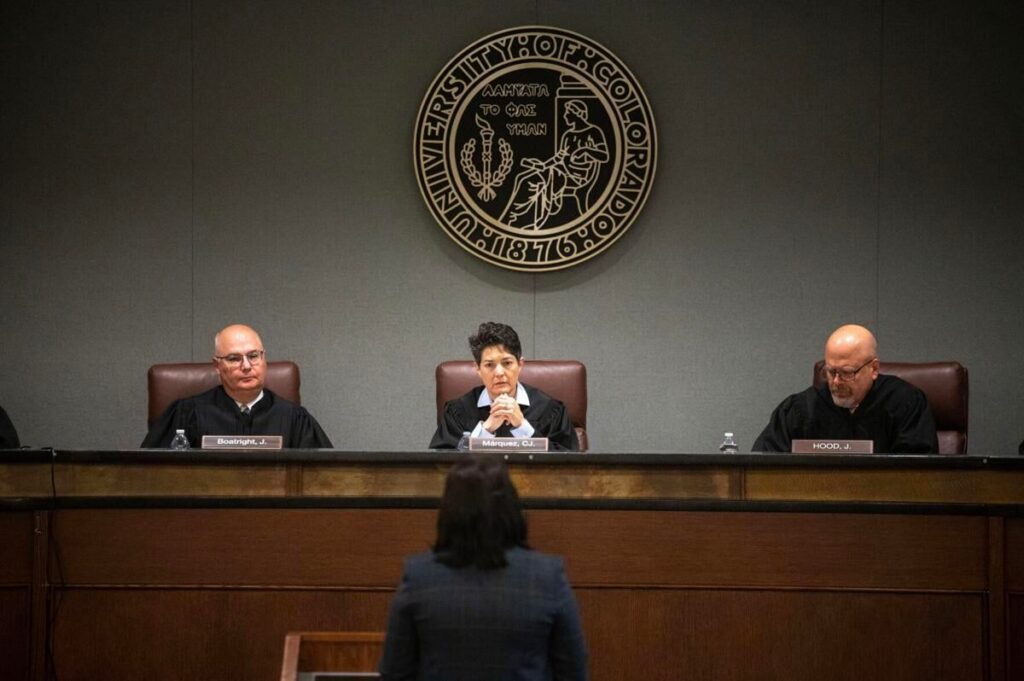
The Denver-based federal appeals court concluded on Tuesday that Colorado lawmakers cannot be sued for creating and enforcing rules of decorum that circumscribe the public commentary allowed at legislative committee hearings.
A three-judge panel of the U.S. Court of Appeals for the 10th Circuit agreed that the concept of legislative immunity extends to the establishment and enforcement of decorum rules, and it does not matter whether lawmakers are sued individually or as arms of the state.
“The legislative process is inherently political, and therefore not easily amenable to federal judicial inquiry. People injured by this process are generally not free to sue legislators for their legislative acts,” wrote Judge Richard E.N. Federico in the panel’s March 10 opinion. “The entire purpose of adopting committee rules was to govern conduct at legislative hearings. That adoption would be meaningless if legislators, as the ones overseeing such hearings, could not enforce those rules in the very forum they were designed for.”
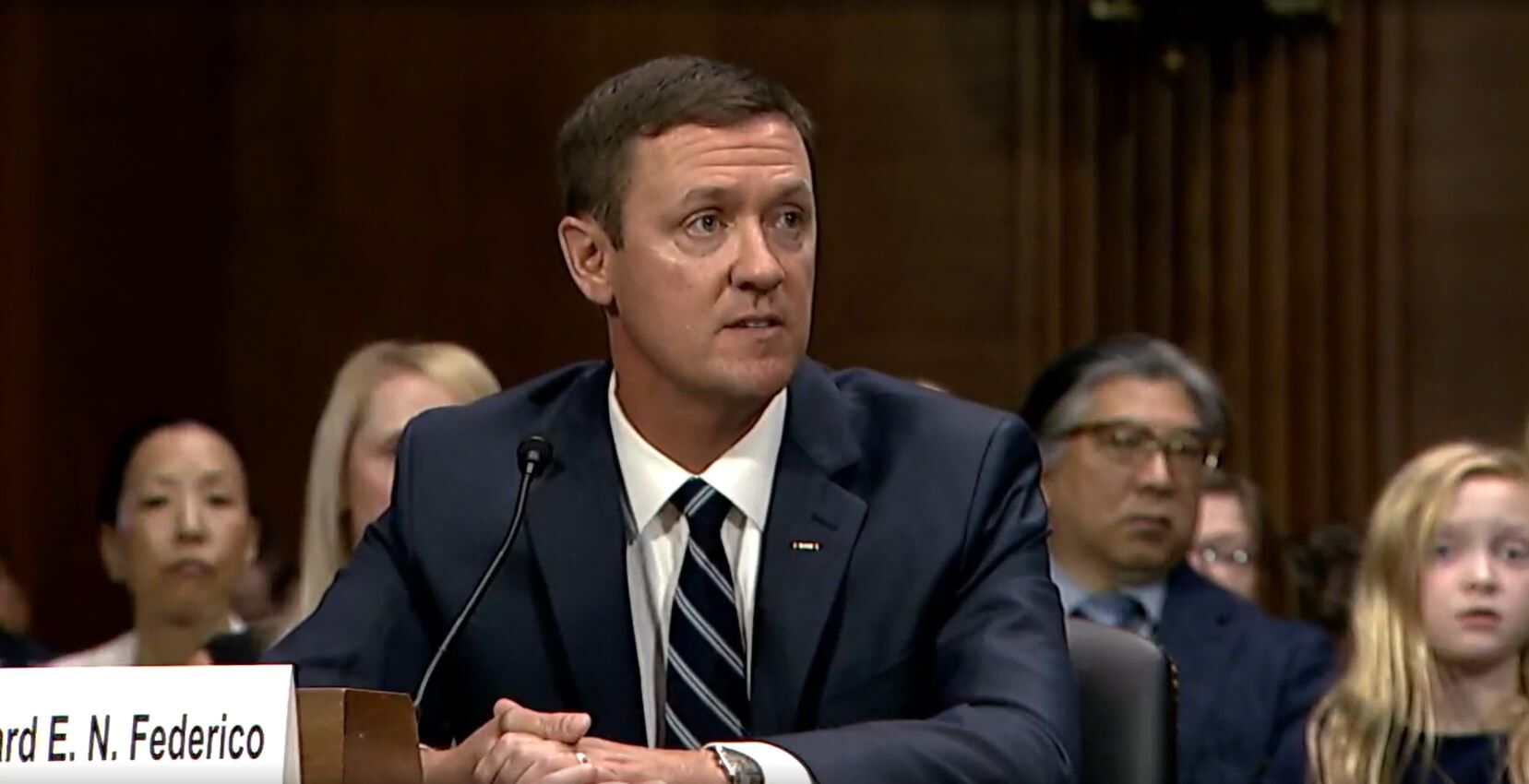
Judge Joel M. Carson III wrote separately, acknowledging that case law supported the application of legislative immunity to the rules of decorum. But he described the undesirable consequences that could flow from insulating lawmakers who engage in overreach.
“The opinion allows legislative bodies to create rules under the guise of decorum that essentially silence opposition in legislative hearings. Are the people whose opinions are excluded in such an instance left with the ballot box as their only remedy? Likely so,” Carson wrote.
In the underlying case, Rich Guggenheim and Christina Goeke testified, or attempted to testify, in 2024 regarding House Bill 1071. The measure, which became law, enabled people convicted of felonies to change their names to align with their gender identities.
Then-House Judiciary Committee Chair Mike Weissman, D-Aurora, called a recess during Goeke’s testimony as her repeated references to a trans woman and her statements that “gender is nothing” generated boos from the audience. Similarly, Senate Judiciary Committee Chair Julie Gonzales, D-Denver, interrupted Goeke and Guggenheim as they referred to trans people using names and pronouns that conflicted with the decorum rules.
U.S. District Court Judge Regina M. Rodriguez dismissed the plaintiffs’ lawsuit against Weissman, Gonzales, and other lawmakers. She noted that neither the 10th Circuit nor the U.S. Supreme Court had addressed whether lawmakers are entitled to legislative immunity for enforcing decorum rules during public testimony.
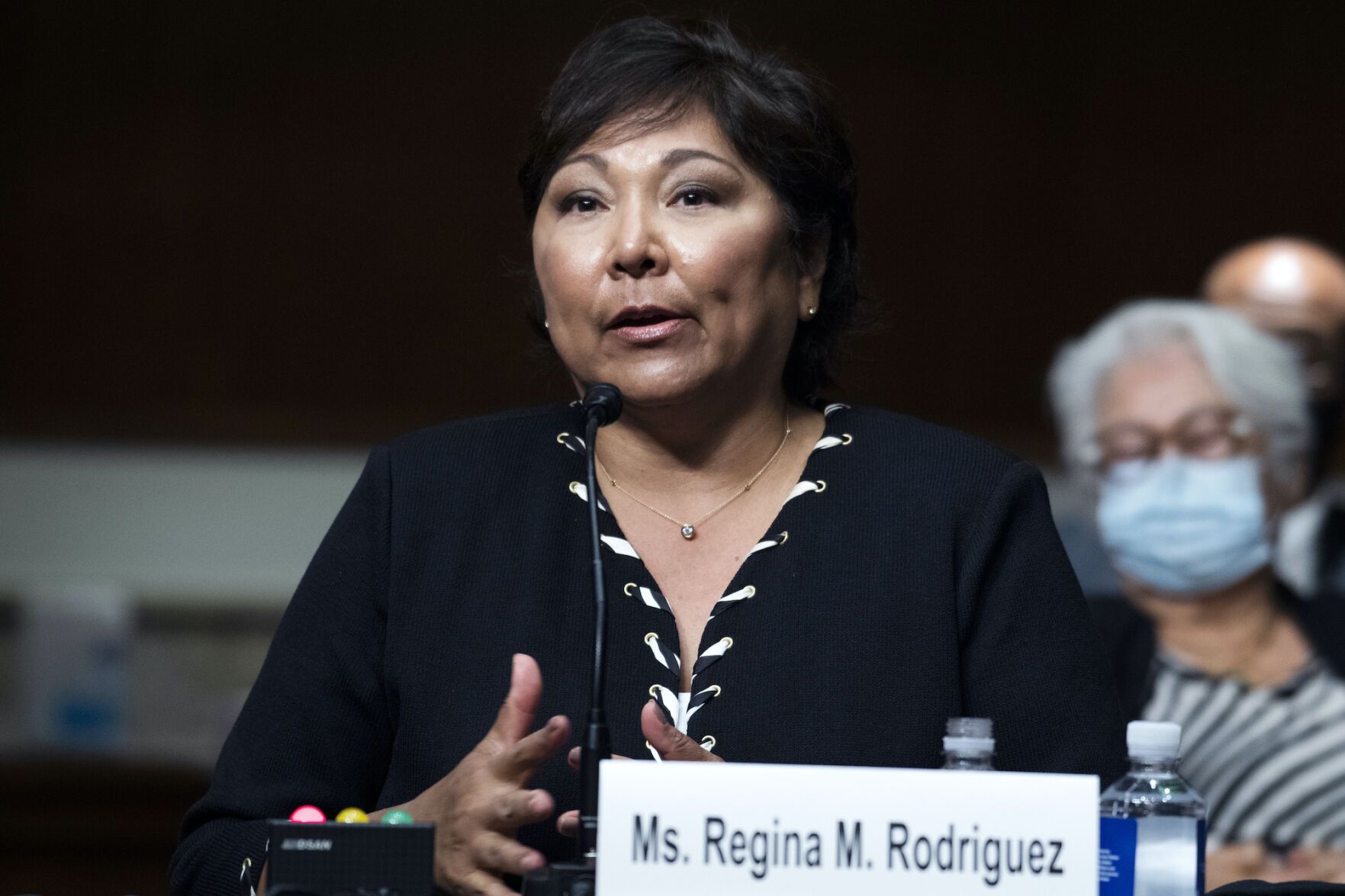
“Under the circumstances of this case, the Court finds that Defendants’ alleged acts were related to Defendants’ legislative function of overseeing public testimony on pending legislation and gathering relevant information and input from the public. These are ‘integral steps in the legislative process,'” wrote Rodriguez, a Joe Biden appointee.
Because the defendants were acting in the “sphere of legitimate legislative activity,” she dismissed the lawsuit. Rodriguez also determined that, since the legislative session had ended and the rules may change in the future, the case was moot.
Appealing to the 10th Circuit, the plaintiffs warned that state legislators cannot be placed “above the First Amendment.”
“We would submit that here, they were enforcing a censorship regime. It is functionally tantamount to excluding somebody or denying them the right to speak,” said plaintiffs’ attorney Endel Kolde during oral arguments in September.
“Could the legislature say, ‘In testimony before us, nobody is gonna use the N word if we’re talking about racial questions.’ Could they say that?” asked Senior Judge David M. Ebel.
Kolde said, “It depends” on the speaker’s intent.
The legislative defendants relied on a 1951 Supreme Court decision addressing an allegedly improper investigation by the California legislature. There, the Supreme Court held that a “claim of an unworthy purpose does not destroy” legislative immunity, so long as lawmakers are acting in the sphere of “legitimate” activity.
“So, in your view, you can discriminate against viewpoints as long as it’s in a legislative hearing and people are invited to speak? And it’s absolutely immune?” asked Carson.
Based on the Supreme Court’s precedent, lawmakers “can do whatever they wanna do,” said attorney Edward T. Ramey.
Case: Gays Against Groomers v. Garcia
Decided: March 10, 2026
Jurisdiction: U.S. District Court for Colorado
Ruling: 3-0
Judges: Richard E.N. Federico (author)
David M. Ebel
Joel M. Carson III (concurrence)
Federico, a Biden appointee, concluded the adoption of the decorum rules fell within the type of “wide-ranging prohibitions on honest, protected expression” that lawmakers can engage in.
“The legislature’s time is its own. The Legislators’ interruption of and early termination of Goeke and Guggenheim’s time to speak no more exceeded the legislative function than a judge exceeds the judicial function by interrupting or cutting off counsel during oral argument,” wrote Federico for himself and Ebel, a Ronald Reagan appointee.
He added that the conclusion might differ if Colorado’s lawmakers took more extreme measures, such as prohibiting the plaintiffs from ever speaking to the legislature again.
Carson, a first-term appointee of President Donald Trump, argued that it would not necessarily compromise the legislature’s independence if courts could review certain conduct.
“Although it troubles me that a legislative body can effectively silence speech and leave the party whose speech is compelled or prohibited without a judicial remedy, the relevant authorities allow it,” he wrote. “And the result in favor of one viewpoint in this case will apply equally if a legislative body in another state flips the script and allows only the opposite viewpoint to be expressed in its hearings. But the legislative immunity doctrine purposely imposes harsh consequences.”
The case is Gays Against Groomers et al. v. Garcia et al.

Colorado board permits state to appeal injunction against arthritis drug price cap
Marissa Ventrelli
marissa.ventrelli@coloradopolitics.com
Updated 11 hours ago
A Colorado board voted Friday to allow the Attorney General’s Office to fight an injunction against a price cap on a drug that treats arthritis. A U.S. district court judge had granted the company Amgen a preliminary injunction, temporarily blocking...

Federal judge rejects constitutional claims, ‘expressions of hatred’ by Club Q defendant
Michael Karlik
michael.karlik@coloradopolitics.com
Updated 11 hours ago
A federal judge rejected a defendant’s claims that he received constitutionally ineffective assistance of counsel while facing federal hate crime and firearms charges for murdering five people at a Colorado Springs LGBTQ nightclub in 2022. Anderson Lee Aldrich is serving...

Divided 10th Circuit upholds Colorado congestion fee on car rentals
Michael Karlik
michael.karlik@coloradopolitics.com
Updated 8 hours ago
The Denver-based federal appeals court concluded on Monday that a 2024 “congestion impact fee” that lawmakers imposed on short-term vehicle rentals did not conflict with a federal prohibition on certain airport-related charges. Beginning in the 1970s, Congress began limiting the...
10th Circuit dismisses woman’s lawsuit following 10-year attempt to undo restraining order
Michael Karlik
michael.karlik@coloradopolitics.com
Updated 3 days ago
The Denver-based federal appeals court rejected a woman’s challenge on Friday to a restraining order imposed on her more than a decade ago, finding that she cannot credibly claim she will be prosecuted for violating the restraining order through her...
10th Circuit dismisses woman’s lawsuit following 10-year attempt to undo restraining order
Michael Karlik
michael.karlik@coloradopolitics.com
Updated 4 days ago
The Denver-based federal appeals court rejected a woman’s challenge on Friday to a restraining order imposed on her more than a decade ago, finding that she cannot credibly claim she will be prosecuted for violating the restraining order through her...
Colorado equal pay law does not require plaintiffs to allege gender-based retaliation, appeals court finds
Michael Karlik
michael.karlik@coloradopolitics.com
Updated 3 days ago
The 2019 Colorado law aimed at rooting out pay discrimination on the basis of sex does not require a plaintiff to allege their employer retaliated against them for sex- or gender-related reasons, the state’s second-highest court decided on Thursday. Lawmakers...
Hudson faces lawsuit over ICE detention facility
Nicole C. Brambila
nicole-c-brambila@coloradopolitics.com
Updated 4 days ago
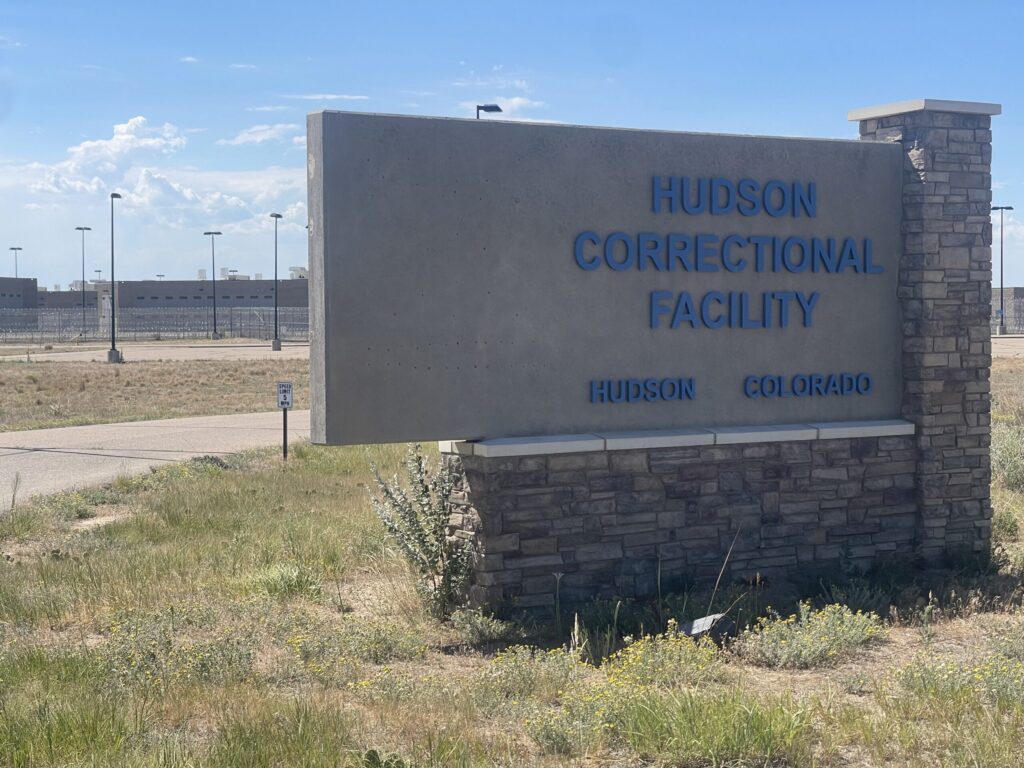
A nonprofit organization filed a lawsuit against the Town of Hudson Wednesday, challenging plans to reopen a former federal prison in the town as a U.S. Immigration and Customs Enforcement detention facility. Together Colorado, along with Janet E. Carlson, filed...
Senate committee advances Trump’s 10th Circuit nominee, as Domenico responds to questions about delays
Michael Karlik
michael.karlik@coloradopolitics.com
Updated 4 days ago
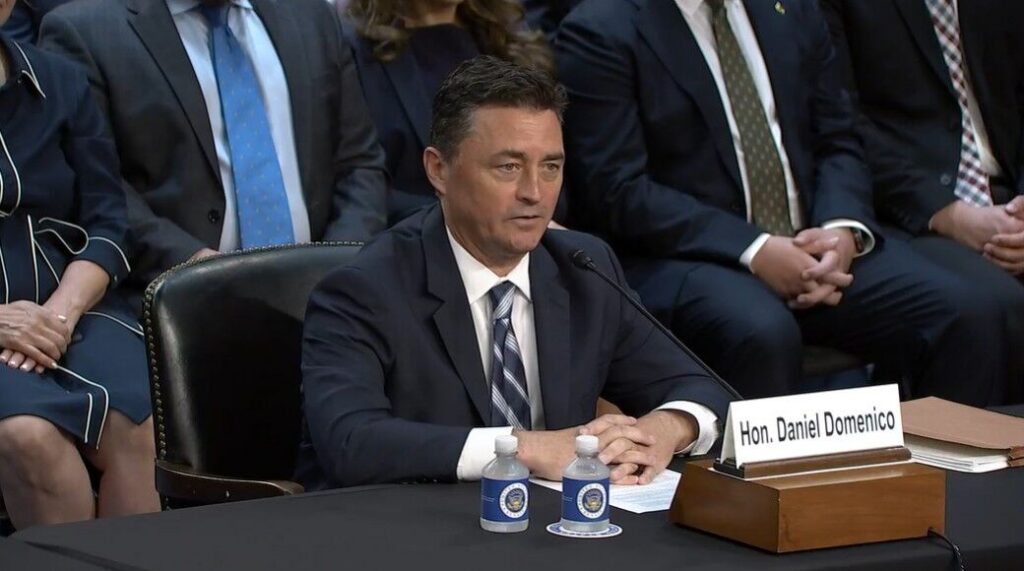
The U.S. Senate Judiciary Committee advanced President Donald Trump’s nominee to the Denver-based federal appeals court on Thursday by a party-line vote of 12-10. U.S. District Court Judge Daniel D. Domenico, who was Trump’s first-term appointee to Colorado’s federal trial...
Colorado justices to hear embryonic donation dispute
Michael Karlik
michael.karlik@coloradopolitics.com
Updated 4 days ago
The Colorado Supreme Court announced on Monday that it will decide whether lower court judges properly applied its framework for adjudicating disputes over the fate of pre-embryos, in which one person wants to use them to become a parent and...
Isolation, emotion, persona: Colorado judicial programming prepares people for life on the bench
Michael Karlik
michael.karlik@coloradopolitics.com
Updated 4 days ago
As a trial judge and now as a member of the Colorado Supreme Court, Justice Carlos A. Samour Jr. has heard the view that being a judge is isolating. “In neither court have I felt isolated. I’ve always interacted a...
PREV
PREVIOUS

U.S. energy secretary warns Colorado's energy policies could drive up prices, deter businesses
U.S. Energy Secretary Chris Wright on Monday warned that Colorado’s energy policies could lead to higher electricity prices and deter businesses, such as data centers, from locating in the state. Wright, a former executive of a Colorado-based energy company tapped by the Trump White House to lead the energy department, urged state policymakers to focus […]

Federal judge hears ICE agents' confusion about law, injunction on warrantless arrests
A federal judge heard testimony on Tuesday from U.S. Customs and Immigration Enforcement agents in Colorado, who had trouble describing the requirements of his recent injunction and the training they received on making warrantless arrests pursuant to the law. On Nov. 25, U.S. District Court Senior Judge R. Brooke Jackson found that ICE’s warrantless arrests […]