

Colorado can be a gamechanger in regulating GLP-1 weight loss drugs | OPINION

By Nancy Glick
“As goes California, so goes the nation” is a phrase reflecting California’s reputation as a bellwether in setting regulations that often become a precedent for national policy.
Now, Colorado can play this role, setting new safety standards that will protect 1.4 million Coloradans with obesity from harm if they take a GLP-1 weight loss drug.
The opportunity at hand is SB066, proposed legislation under consideration in the Colorado state Senate that, if enacted into law, could be a gamechanger for consumers. This is because the bill would put stringent guardrails on the manufacture and sale of unapproved compounded GLP-1 drugs the Food and Drug Administration (FDA) warns could cause serious harm due to dosing errors and reactions to harmful ingredients. Underscoring the potential health consequences for patients, as of Sept. 9, 2025, the FDA has received 1,424 reports of adverse events associated with compounded GLP-1 drugs, including reports of hundreds of hospitalizations and 23 deaths.
Understanding what brought us to this point is helpful to appreciate the significance of SB066 in solving the problem. Currently, FDA regulates compounded drugs as one-of-a-kind medications modified when a person needs a different form or dosage. This is the primary purpose for a compounded drug, which is why these drugs are not FDA-approved and why the agency exempts licensed compounding pharmacies from meeting rigorous safety standards required for other prescription medicines, such as clinical testing and labeling with risk information.
Yet these exemptions also apply when compounders mass produce modified drugs to fill a supply gap during a shortage, meaning sellers can take advantage of regulatory loopholes to make massive profits. This was the case between 2022 and early 2025 when there was a shortage of the GLP-1 drugs semaglutide and tirzepatide. Because booming consumer demand for GLP-1s was a primary reason for the shortages, it was a gold rush situation for compounders who made full use of regulatory gaps to build a large secondary market for their compounded GLP-1s by advertising the benefits without disclosing the risks.
The shortage also highlighted the problem the active pharmaceutical ingredients (API) used by compounders often come from China, where quality standards vary widely and the API may go uninspected. According to a Brookings Institution report, fewer than one-quarter of Chinese facilities marketing bulk semaglutide have been inspected by the FDA, despite significant shipments to the U.S.
Yet, consumers were not aware of these safety concerns, they believed the advertising claims, and profits soared. Thus, despite FDA announcing the end of the GLP-1 drug shortage in March 2025 and setting May 22 as the last day when compounded versions could be sold, the large-scale production of compounded GLP-1s continues unabated. Moreover, now, the market features “personalized” formulations with added vitamins or microdoses of GLP-1s that have never been evaluated as well as patches, gummies and drops that are not actual GLP-1 products.
The good news is the FDA is starting to remove questionable active ingredients from the GLP-1 market and is cracking down on telehealth companies making false and misleading advertising claims. Similarly, the U.S. Congress is considering legislation to strengthen FDA oversight, close regulatory loopholes and require reforms that will protect consumers from misinformation and inferior products.
Yet states are equal partners with FDA when it comes to compounding practices and can regulate drug compounding to tighten state controls and impose new oversight measures. For this reason, SB066 can be the change agent at the state level that will protect consumers and safeguard patient safety.
Of special importance to the National Consumers League, the bill would prohibit false and misleading advertising of compounded GLP-1s; compel labels that clearly list all ingredients, their quantities, and their country of origin; require a warning the medication is not FDA-approved; and ensure patients receive information about risks and side effects. Additionally, SB066 addresses safety concerns about the source of the API in compounded GLP-1s by setting strict standards for how the ingredients are manufactured, including the facilities where the medications are made must be registered with and inspected by the FDA.
All of these provisions are “must-haves” that will have a meaningful effect for Coloradans and the public at large.
Nancy Glick is director of Food and Nutrition Policy for the National Consumers League, a position she has held since September 2020.


Not-so-public comment in Douglas County | Paula Noonan
Paula Noonan
paula-noonan@coloradopolitics.com
Updated 3 hours ago
Let’s do some high and low history. First, the high history. England’s King George III didn’t like the complaining he heard from the American colonies, so he went to war to shut the people up. President Donald Trump doesn’t like...

Why Colorado should stop charging swipe fees on sales taxes | OPINION
Colorado Politics
colorado-politics@coloradopolitics.com
Updated 3 hours ago
By William Lindstedt, Iman Jodeh, Julie McCluskie and Monica Duran Small businesses across Colorado are working harder than ever right now to keep their doors open, hire local workers and serve their communities. But every day, they are forced to...

Colorado can be a gamechanger in regulating GLP-1 weight loss drugs | OPINION
Colorado Politics
colorado-politics@coloradopolitics.com
Updated 3 hours ago
By Nancy Glick “As goes California, so goes the nation” is a phrase reflecting California’s reputation as a bellwether in setting regulations that often become a precedent for national policy. Now, Colorado can play this role, setting new safety standards...

As parents claim some AI chatbots encourage teen suicide, Colorado legislators eye regulation
Marissa Ventrelli
marissa.ventrelli@coloradopolitics.com
Updated 8 hours ago
Juliana Peralta of Thornton was a vibrant, happy kid, said her mom, Cynthia Montoya. Then, in the final months of 2023, Cynthia began to notice a change in her 13-year-old daughter. Peralta had become more withdrawn and was on her...

Judge declines to block potential Boebert challenger from going through assembly process in Colorado’s 4th CD
Ernest Luning
ernest.luning@coloradopolitics.com
Updated 12 hours ago
Congressional candidate Eileen Laubacher, one of the Democrats seeking to challenge Republican U.S. Rep. Lauren Boebert, can participate in the party’s caucuses and assemblies pending a court hearing later this month, a Denver judge ruled Tuesday in response to a...

Colorado Gov. Jared Polis ignites fierce debate after raising clemency questions in Tina Peters case
Marianne Goodland
marianne.goodland@coloradopolitics.com
Updated 7 hours ago
Gov. Jared Polis ignited a political firestorm Tuesday night after weighing in on the prison sentences of two former Colorado officials — a Democrat and a Republican — convicted of attempting to influence a public servant. The comments quickly fueled...

The public health hazards in sports betting | PODIUM
Colorado Politics
colorado-politics@coloradopolitics.com
Updated 1 day ago
By Brandon Zelasko As Colorado lawmakers revisit sports betting policy this session, the state has an opportunity to widen the lens. Beyond revenue projections and regulatory frameworks lies a critical question: Are we fully reckoning with the human effect of...

Colorado’s public lands are not for sale | OPINION
Colorado Politics
colorado-politics@coloradopolitics.com
Updated 1 day ago
By Jonathan Houck Our state is defined by its public land. It shapes our communities, our economy and our Colorado way of life. Just driving through Gunnison County, where I have lived for more than 30 years, sometimes I can’t...

Gov. Jared Polis, Upper Basin states criticize federal draft plan for managing the Colorado River
Marianne Goodland
marianne.goodland@coloradopolitics.com
Updated 9 hours ago
With no agreement among the seven Colorado River states, which missed multiple federal deadlines, the Upper Colorado River Commission on Monday sharply criticized the U.S. Department of the Interior’s draft plan for managing the river after the current guidelines expire...
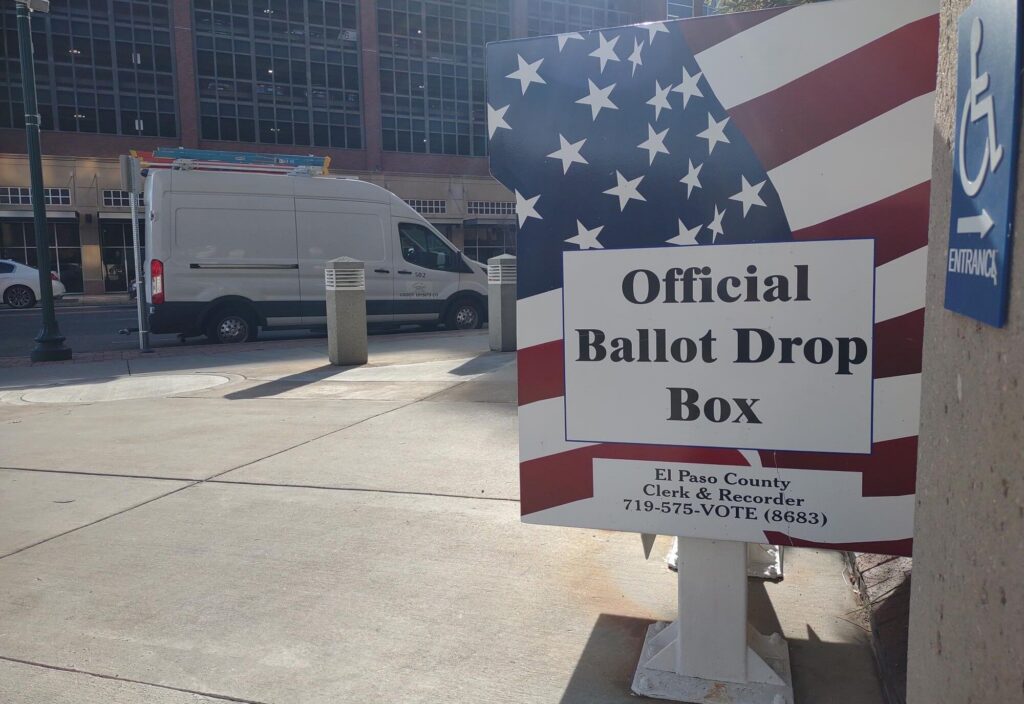
Bills on ballot access, dual office ban move swiftly through Colorado legislature
Marianne Goodland
marianne.goodland@coloradopolitics.com
Updated 9 hours ago
With an eye on the 2026 election cycle and mounting tensions with the Trump administration, Colorado lawmakers are fast-tracking a pair of election bills they say will protect the state’s mail ballot system and tighten rules for elected officials. The...
PREV
PREVIOUS

Colorado can be a gamechanger in regulating GLP-1 weight loss drugs | OPINION
By Nancy Glick “As goes California, so goes the nation” is a phrase reflecting California’s reputation as a bellwether in setting regulations that often become a precedent for national policy. Now, Colorado can play this role, setting new safety standards that will protect 1.4 million Coloradans with obesity from harm if they take a GLP-1 […]

Why Colorado should stop charging swipe fees on sales taxes | OPINION
By William Lindstedt, Iman Jodeh, Julie McCluskie and Monica Duran Small businesses across Colorado are working harder than ever right now to keep their doors open, hire local workers and serve their communities. But every day, they are forced to pay costly, hidden fees on money that was never theirs to begin with. It’s time […]