

Modern public safety tools strengthen the freedoms we cherish | OPINION
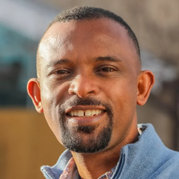
By Samuel G. Michael
As someone who has spent years working alongside Ethiopian families across Colorado, I’ve heard a common story. Many of us came to this country seeking two things that define the American promise — safety and freedom. We came because America offers the promise you can raise your children without fear, build a business through hard work, and live in a community where your rights are respected. These freedoms are precious to us, and we are protective of them.
That is exactly why we support the responsible, widespread use of license plate recognition (LPR) technology across Colorado. LPRs do not infringe on the freedoms we cherish. In fact, they help protect them by giving law enforcement an essential tool to keep our communities safe.
Crime affects people differently, but working families and immigrant communities often bear the brunt of it. A stolen car isn’t just an inconvenience. It can mean missed shifts, lost income, cancelled medical appointments, or a child who can’t get to school. For small business owners, repeated theft can undo years of sacrifice. When crime disrupts stability, it threatens the very opportunity people came here to pursue.
LPRs make a real, measurable difference. They help police recover stolen vehicles, identify suspects in serious crimes, and prevent repeat offenses. And they do so with precision: LPRs read license plates, not faces. They cannot identify who is in the car or track the personal details of someone’s life. They simply flag vehicles linked to crimes. That narrow function is why communities nationwide are adopting this tool and seeing meaningful results.
My support for LPRs is grounded in both experience and principle. I’ve spoken with families who felt helpless after losing their only vehicle. I’ve seen how crime can undermine a newcomer’s sense of belonging. And I believe safety is not at odds with freedom — it is essential to it. A person cannot fully pursue opportunity if they are constantly worried about the security of their home, their business, or their transportation.
When cities pair LPRs with transparency and clear guardrails, community trust grows. We have seen how smart policy — like the thoughtful guardrails recently put in place in Denver — can ensure safety tools are used fairly and effectively. These guardrails are not complicated: establish safeguards to make sure cameras are used solely for public safety purposes and communicate openly with residents. These steps strengthen confidence without sacrificing effectiveness.
But the core point stands regardless of any one city’s policy — LPRs are a valuable, modern tool that help protect everyday people. Colorado has an opportunity to show how they can be used responsibly and effectively to support safer neighborhoods, stronger communities and the freedom to build a better life.
My perspective comes from working within the Ethiopian community, listening to concerns, and understanding the hopes so many families carry. Our community wants what every community wants — to live in neighborhoods that are safe, fair and respectful. We want our seniors to walk without fear, our workers to get to their jobs reliably, and our children to grow up in a Colorado where opportunity is not derailed by avoidable crime. And we believe LPR technology is an important tool for keeping Colorado safe.
Safety and freedom are not opposites. They rely on each other. And with tools like LPRs used responsibly, Colorado can strengthen both.
Samuel G. Michael is president of the Ethiopian Community of Colorado which has more than 3,500 members.

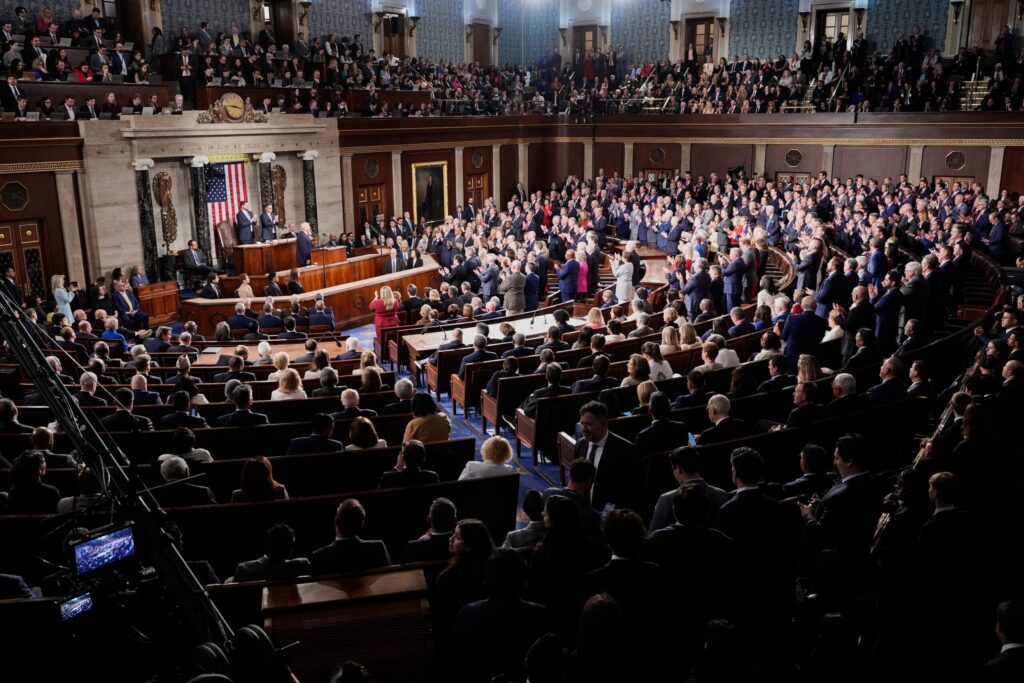
Colorado delegation’s plus-one picks convey messages at Donald Trump’s State of the Union | TRAIL MIX
Ernest Luning
ernest.luning@coloradopolitics.com
Updated 9 minutes ago
It’s become a tradition for members of Congress to deliver messages of their own at the State of the Union address, though this year none of the Colorado lawmakers shouted at the president during the speech, nor did the delegation...

Colorado Democrat John Hickenlooper becomes first statewide candidate to submit nominating petitions
Ernest Luning
ernest.luning@coloradopolitics.com
Updated 28 minutes ago
U.S. Sen. John Hickenlooper on Thursday became the first statewide candidate to submit petition signatures for Colorado’s June Democratic primary, according to his campaign and the Colorado Secretary of State’s Office. Seeking reelection to a second term, Hickenlooper is facing...

Colorado single-payer study lacks transparency | OPINION
By Lisa Frizell
by-lisa-frizell@coloradopolitics.com
Updated 12 hours ago
Coloradans have a right to expect transparency, accountability and fiscal responsibility from public institutions. Unfortunately, the ongoing single-payer health care study commissioned last year under SB25-45 is raising more questions than answers. Despite repeated warnings from voters and prior analyses,...
Big-box retailers push credit-card legislation undermining local economies | OPINION
Colorado Politics
colorado-politics@coloradopolitics.com
Updated 11 hours ago
By Brett Wyss Having spent more than two decades in community banking, including guiding a local institution through the Great Recession, I’ve seen firsthand how fragile financial confidence can be and how essential community trust is to a healthy economy....

When fear replaces facts — what Gabel leaves out about rodenticide bill | IN RESPONSE
Colorado Politics
colorado-politics@coloradopolitics.com
Updated 11 hours ago
Rachel Gabel claims SB26-062 “prioritizes rodents over people” and “strips tools away” from professionals. That framing is rhetorically sharp — but misstates the bill and the toxicology. The column follows a familiar pattern: deploy a vivid public-health anecdote, inflate disease...
Colorado district attorneys oppose bipartisan bill limiting government access to bought data
Marissa Ventrelli
marissa.ventrelli@coloradopolitics.com
Updated 21 hours ago
A bipartisan coalition of Colorado lawmakers is advancing a bill that would prohibit police from purchasing personal consumer data without a warrant, setting up a clash with prosecutors who warn the measure could hamper criminal investigations. House Bill 1037, sponsored...

Lawmakers propose raising excise taxes on alcohol, marijuana to fund mental health spending
Marissa Ventrelli
marissa.ventrelli@coloradopolitics.com
Updated 21 hours ago
Colorado lawmakers hope to refer a measure to the November ballot that would increase excise taxes on alcohol and marijuana, with the revenue going toward mental health and civil commitment facilities around the state. House Bill 1301, sponsored by Rep....
Boulder’s bleak oil-and-gas legal entanglements | Paula Noonan
Paula Noonan
paula-noonan@coloradopolitics.com
Updated 20 hours ago
Good neighbor policy in the fossil-fuel-energy industry stops at Boulder’s door. If any other county or municipality decides to rumble with Exxon Mobil and Suncor Energy over their legal exposure to climate lawsuits, those entities will no doubt face “Bleak...
How a mobile STEM lab showed lawmakers the power of online schools | OPINION
Erika Taylor
erika-taylor@gazette.com
Updated 1 day ago
If you want lawmakers to get online school, don’t hand them a brochure. Put them next to a student who can show real work and explain why it matters. That’s the smart lesson from the Colorado Coalition of Cyberschool Families’...
Rural communities built Colorado, data centers can help build what comes next | OPINION
Colorado Politics
colorado-politics@coloradopolitics.com
Updated 1 day ago
By Duane Nava Rural Colorado has always known how to build things that last. Our towns powered this state for generations. We built the power plants, the grid and the communities that kept Colorado moving. That same skill and work...
PREV
PREVIOUS

U.S. Sen. Michael Bennet, Colorado Attorney General Phil Weiser clash at Democratic gubernatorial forum
Things got a little chippy Saturday at a union hall north of Denver, as Democratic gubernatorial candidates U.S. Sen. Michael Bennet and Colorado Attorney General Phil Weiser sparred over the effectiveness of their respective responses to President Donald Trump’s second administration in their first joint campaign appearance ahead of this year’s primary. The two leading […]
Free speech isn't a presidential call | Hal Bidlack
There are so many things I want to write about this week. My kindly editor strongly desires that, in Colorado Politics, I write on Colorado politics (Ed: absolutely!). That’s quite reasonable and he is the boss so here goes… So, about President Donald Trump (don’t worry, a Colorado connection is coming). I’ve oft penned remarks […]