

When fear replaces facts — what Gabel leaves out about rodenticide bill | IN RESPONSE
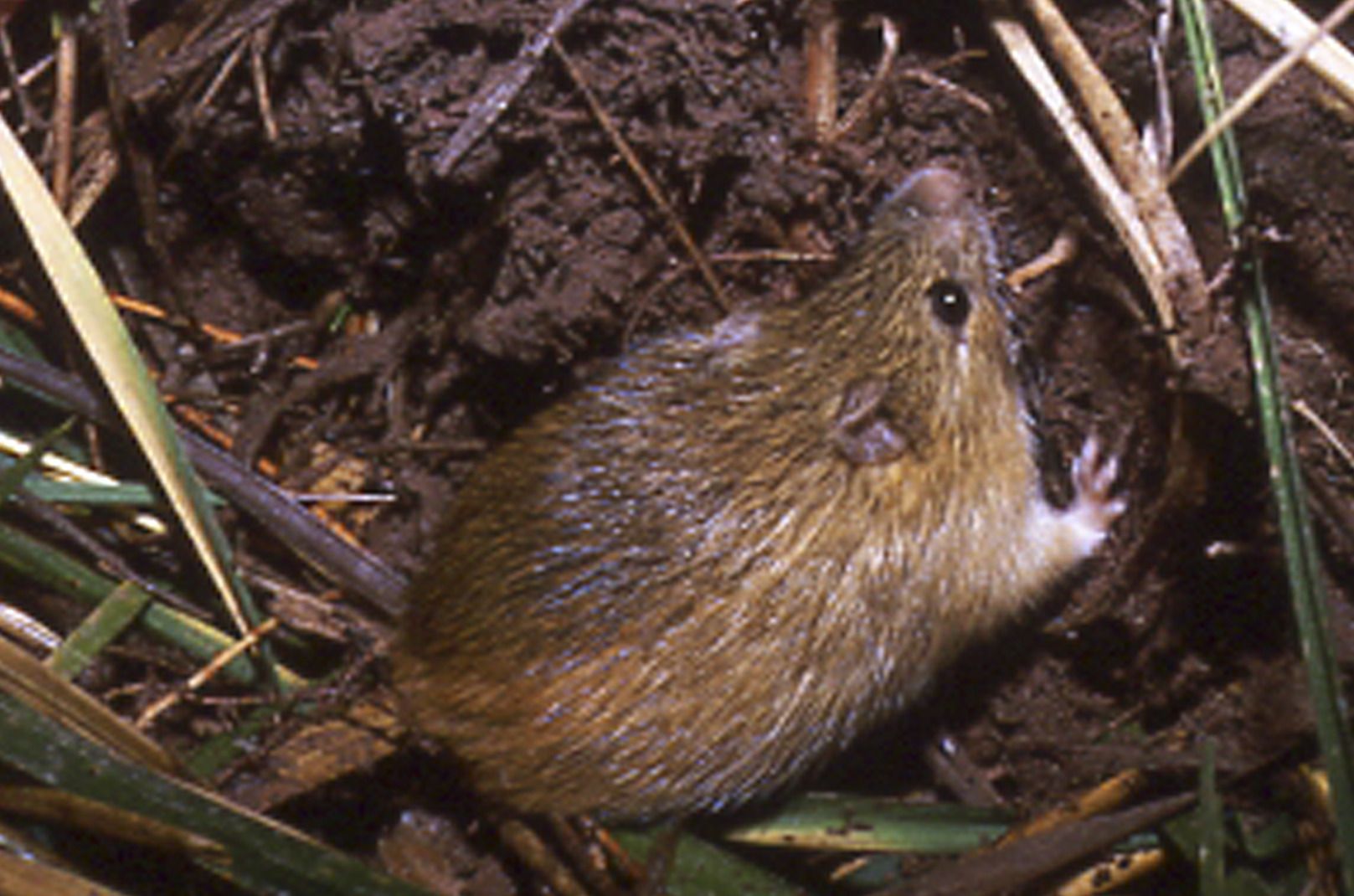
Rachel Gabel claims SB26-062 “prioritizes rodents over people” and “strips tools away” from professionals. That framing is rhetorically sharp — but misstates the bill and the toxicology. The column follows a familiar pattern: deploy a vivid public-health anecdote, inflate disease fear, caricature the bill as a “ban,” and then discount contamination evidence by attacking affiliations rather than mechanisms. The result invites readers to accept routine use of compounds SB26-062 is trying to constrain precisely because they spread harm beyond the target.
Gabel foregrounds Denver’s Lincoln Park encampment and lists worst-case diseases to imply Colorado faces a standing rodent-borne disease emergency requiring broad access to the most hazardous rodenticides. Yes, Denver cleared Lincoln Park in January 2020 citing rats and health hazards. But that illustrates a systems failure, not proof Colorado should normalize routine, landscape-level poisoning. Poison can reduce rodents temporarily; it doesn’t change the conditions that set carrying capacity — so the problem returns while toxicants radiate.
Colorado public health messaging is more precise than the column suggests. Jefferson County Public Health notes rats are generally a nuisance and not a public health risk in Colorado, while acknowledging disease transmission pathways. That prevents disease lists from substituting for evidence of a statewide emergency — and aligns with SB26-062’s structure: prevention first, narrow escalation when public-health authorities determine it’s necessary.
Gabel’s most consequential “scientific” claim — “short half-life” baits are safe for predators — fails. Brodifacoum and Difenacoum have hepatic (liver) half-lives on the order of months (e.g., ~113.5 and ~128 days in rat liver). Long half-life plus repeated exposure means bioaccumulation equals poisoned rodents become contaminated prey.
Finally, the harm is not “urban-only.” Monitoring shows anticoagulant residues across landscapes, consistent with exposures from barns, feed storage, outbuildings and other rural infrastructure.
Bottom line: SB26-062 does not eliminate rodent control. It shifts routine poisoning to accountable use; convenience to responsibility. The sixth mass extinction is unfolding; future generations won’t ask what argument felt satisfying — they’ll ask why we ignored the evidence and added preventable harm to food webs we were already unraveling.
Rainer Gerbatsch
Arvada
Send us your feedback: Click here.

A path toward justice and public safety | PODIUM
Anthony Hartsook
ahartsockop@gmail.com
Updated 14 hours ago
Strangulation can be one of the most dangerous forms of assault; despite the lack of visible ailments it is accompanied by. Though strangulation leaves no broken bones, bruises or visible wounds, it is one of the strongest predictors of future...

From moving people to managing them | GUEST COLUMN
Michael Hancock
michael-hancock@coloradopolitics.com
Updated 14 hours ago
Transportation policy used to have a fairly uncomplicated purpose: move people safely, efficiently and reliably. Build roads where people drive. Maintain bridges before they fail. Add capacity where growth overwhelms the system. Provide transit where it makes sense. Infrastructure was...
Disgraced ex-CBI analyst Missy Woods sentenced to prison in DNA scandal
Jenny Deam
jenny.deam@gazette.com
Updated 20 hours ago
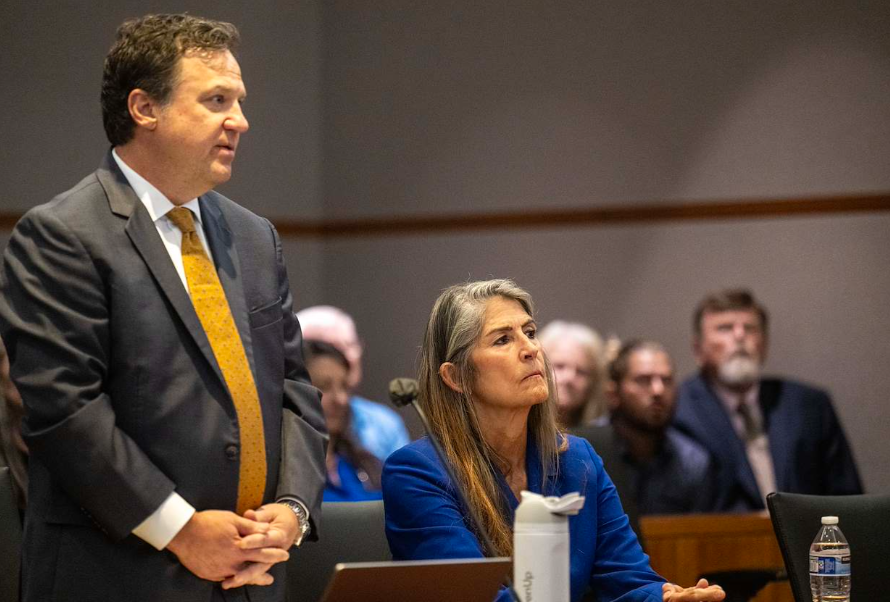
A Jefferson County district court judge on Tuesday sentenced a disgraced former Colorado Bureau of Investigation DNA analyst to a decade in prison for altering and deleting data in scores of criminal cases over several years. Jefferson County District Judge...
Jason Crow endorses Democrats up and down Colorado’s ballot, chips in $100K for campaign efforts
Ernest Luning
ernest.luning@coloradopolitics.com
Updated 20 hours ago
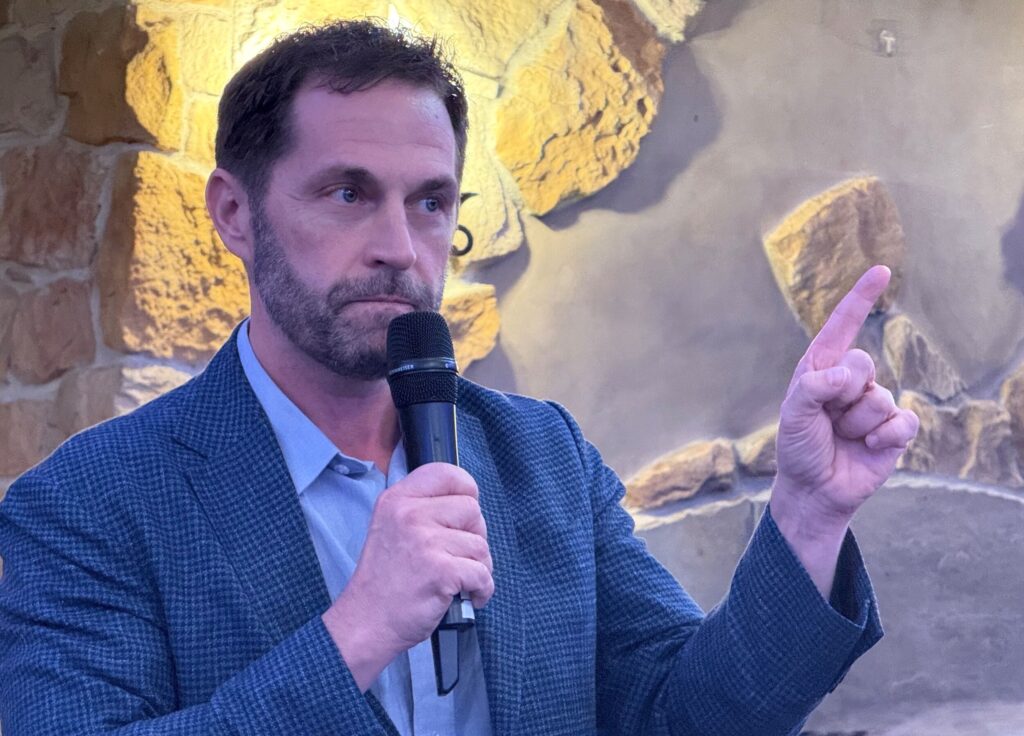
Democratic U.S. Rep. Jason Crow on Tuesday formally endorsed more than 60 Democrats running up and down Colorado’s ballot and said he’s putting $100,000 into statewide and county campaigns and organizing programs to drive turnout in the fall election. Crow,...

Trumpicans thumb their nose at the Constitution | Hal Bidlack
Hal Bidlack
hal-bidlack@coloradopolitics.com
Updated 2 days ago
As is all too often the case, there are again too many interesting things appearing in Colorado Politics for me to comment on all of them. So let me tell you what I won’t be talking about before I get...

CoComandering? | Miller Hudson
Miller Hudson
miller-hudson@coloradopolitics.com
Updated 3 days ago
At 8 a.m., Friday morning, Aug. 28, 70 or 80 mostly bleary-eyed visitors to the Transportation Technology Center outside Pueblo packed a conference room to attend the Front Range Passenger Rail District’s (FRPRD) Board meeting. With the exception of those...

Even Dem court couldn’t abide theft of GOP seats | Dick Wadhams
Dick Wadhams
dick-wadhams@coloradopolitics.com
Updated 3 days ago
Thanks to the Colorado Supreme Court, Colorado voters will be able to reaffirm their support for the Independent Congressional Redistricting Commission after the court struck down the Democratic scheme to steal three Republican congressional seats. Billionaire-funded national Democratic groups from...

Chaotic meeting began with attempt to squelch public comment | Rachel Gabel
Rachel Gabel
rachel-gabel@coloradopolitics.com
Updated 3 days ago
When Attorney General Phil Weiser takes the governor’s office in January, he must immediately address the chaos of the latest round of appointees to the Colorado Parks and Wildlife Commission to assure stakeholders he’s willing to put pressure on the...

Graduated income tax proposal is a flat tax in disguise | Jon Caldara
Jon Caldara
jon-caldara@coloradopolitics.com
Updated 6 days ago
“Youth is wasted on all the wrong people.” That’s one of my favorite lines from “It’s a Wonderful Life.” The older I get, the less it sounds like a joke. Every generation inherits victories it did not win. Young Americans...

AI optimism vs. anxiety — podcasters debate this every night | Tom Cronin
Tom Cronin
tom-cronin@coloradopolitics.com
Updated 4 days ago
President Donald Trump, CNBC’s “Mad Money” host Jim Cramer and entrepreneurial “accelerationists” celebrate the AI revolution and the infrastructure data-center build-out. Cramer recently gushed, “I like data centers so much that I wish I lived in one.” Trump criticized any community...
PREV
PREVIOUS

Colorado legislators, prosecutors clash over proposal to limit access to third-party data
A coalition of Colorado lawmakers is pushing to prohibit the police from purchasing personal consumer data without a warrant, setting up a clash with prosecutors who warn the measure could hamper criminal investigations. The legislators backing the measure frame it as a privacy issue, citing the Fourth Amendment, which protects citizens against unreasonable government searches […]

Big-box retailers push credit-card legislation undermining local economies | OPINION
By Brett Wyss Having spent more than two decades in community banking, including guiding a local institution through the Great Recession, I’ve seen firsthand how fragile financial confidence can be and how essential community trust is to a healthy economy. Stable, secure financial systems matter to families and business owners alike. In Colorado, small businesses […]