

Colorado chose politics over public safety and now our communities pay the price | PODIUM
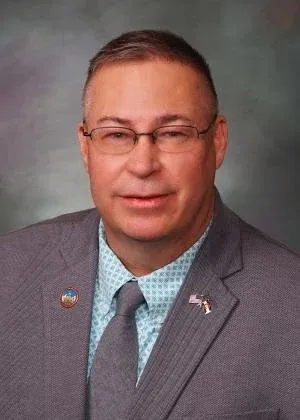
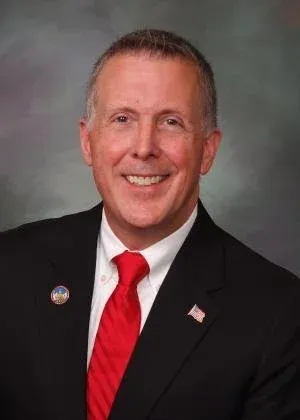
By Chris Richardson and Max Brooks
This week, federal authorities arrested Jose Barrera-Bolanos in Denver. He is an illegal immigrant who had already been convicted of sexually assaulting a child. That fact alone should stop every parent, grandparent and lawmaker in Colorado in their tracks.
This was not a minor offense. This was not a paperwork issue. This was a violent crime against a child. Yet this individual remained in our community long enough for federal authorities to have to track him down later. That reality raises a simple and important question. Why was someone with a serious criminal conviction not removed sooner?
The answer lies in Colorado law.
During the last decade, state lawmakers have passed a series of policies that limit cooperation between local law enforcement and federal immigration authorities. These laws were marketed as compassionate and protective. In practice, they have made it harder to remove dangerous criminals from our streets, even after they have been arrested and convicted of serious crimes.
Last year, we tried to change that.
We sponsored legislation, SB25-047 “Enforcement of Federal Immigration Law”, that would have restored basic cooperation between Colorado law enforcement and federal immigration officials when dealing with criminal offenders. The bill was narrowly focused. It did not authorize random stops. It did not allow profiling. It did not target people who are working, raising families, or otherwise following the law.
It focused on criminals.
Under our bill, when someone was arrested for a crime and there was probable cause to believe they were in the country illegally, law enforcement could notify federal authorities. That is it. No roundups. No street sweeps. Just communication so violent offenders would not be quietly released back into the same communities they had already harmed.
Democrats at the Capitol rejected that bill.
Instead, current law prevents officers from sharing information in many situations, restricts cooperation in courthouses and blocks agreements that would allow dangerous offenders to be held for federal pickup. The result is predictable. Criminals are released. Federal authorities are not notified in time. Communities are left vulnerable.
The arrest in Denver shows what happens when the system fails. Federal agents eventually stepped in, but only after a child had already been victimized. Law enforcement should not have to play catch up after the damage is done.
Supporters of these policies often claim cooperation with federal immigration authorities creates fear in immigrant communities. That argument ignores the reality of cases like this one. No family feels safer knowing someone convicted of a violent crime against a child was allowed to remain in the community because of political choices made at the Capitol.
There is also a financial cost Coloradans rarely hear about. State prisons, county jails and local police departments are paying to house and supervise criminal offenders who should be transferred to federal custody. Taxpayers pick up the tab while victims and communities pay an even higher price.
Our bill also made clear what it did not do. It did not expand police authority. It did not allow stops without probable cause. It did not authorize immigration enforcement against people who had not committed crimes. Those protections were written directly into the legislation.
Colorado can be welcoming and still draw a firm line when it comes to violent crime. These goals are not in conflict. Protecting victims and removing dangerous offenders should be the bare minimum responsibility of government.
The Denver arrest should be a wake-up call. Policies passed with good intentions have real consequences when they ignore public safety. Lawmakers now have a choice. Continue defending laws that make cooperation harder, or fix a system that is failing the people it is supposed to protect.
We know which choice Colorado families expect their leaders to make.
Chris Richardson represents Colorado House District 56, covering the Aurora, Ponderosa Park, Strasburg, Burlington and Bennett communities. Max Brooks represents Colorado House District 45, covering Castle Rock, The Pinery and Castle Pines Village.


The First Amendment protects the Second | Jon Caldara
Jon Caldara
jon-caldara@coloradopolitics.com
Updated 3 days ago
It’s not an attack on the Second Amendment, but the First Amendment. I know this is going to sound crazy but, there was a time when liberals, not conservatives, were the champions of free speech. Today? Now in Colorado it...

What Gallup polls teach us about presidents | Cronin & Loevy
Tom Cronin Bob Loevy
tom-cronin-bob-loevy@coloradopolitics.com
Updated 1 day ago
The Gallup organization, founded by George Gallup, announced Feb. 11 they will no longer conduct their well-known polls that rate whether the Americans approve or disapprove the way presidents handle the job. Gallup began these polls in the late 1930s...
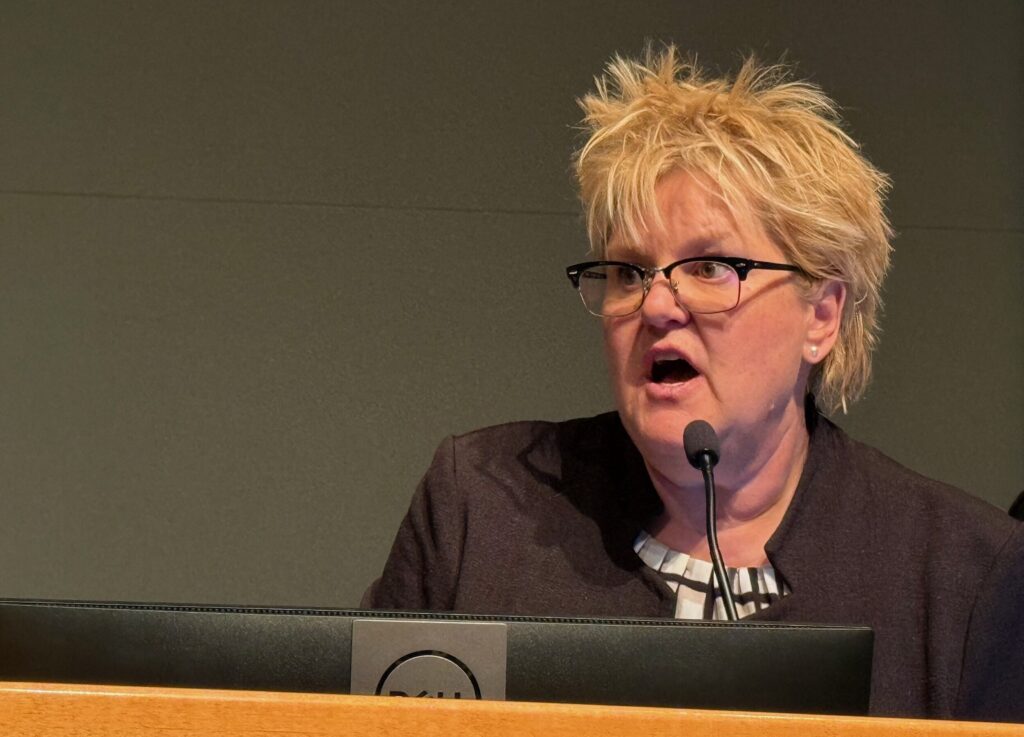
In a meeting Colorado GOP chair Brita Horn calls ‘illegal,’ Republicans vote to demand her resignation
Ernest Luning
ernest.luning@coloradopolitics.com
Updated 24 hours ago
Roughly half the membership of the Colorado Republican Party’s state central committee on Saturday voted overwhelmingly to approve a resolution expressing “no confidence” in state GOP Chairman Brita Horn’s leadership and calling for her immediate resignation in an online meeting...
Meeker rancher leads one of Colorado’s earliest attempts to transfer federal lands | A LOOK BACK
Rachael Wright, Special to Colorado Politics
rachael.wright@coloradopolitics.com
Updated 3 days ago
Forty-Five Years Ago This Week: Former state Rep. Nick Theos, R-Meeker, was one of several people testifying before the Senate Agriculture Committee on Senate Bill 81-170, which would transfer ownership of public lands from the federal government to state control....

Democrats Michael Bennet, Phil Weiser make their cases to be Colorado’s next governor ahead of primary
Ernest Luning
ernest.luning@coloradopolitics.com
Updated 3 days ago
Nearly eight months before ballots will be counted in Colorado’s race for the its open gubernatorial seat, voters are lining up behind two of the state’s leading Democrats, who are facing off in a primary that will likely determine which...
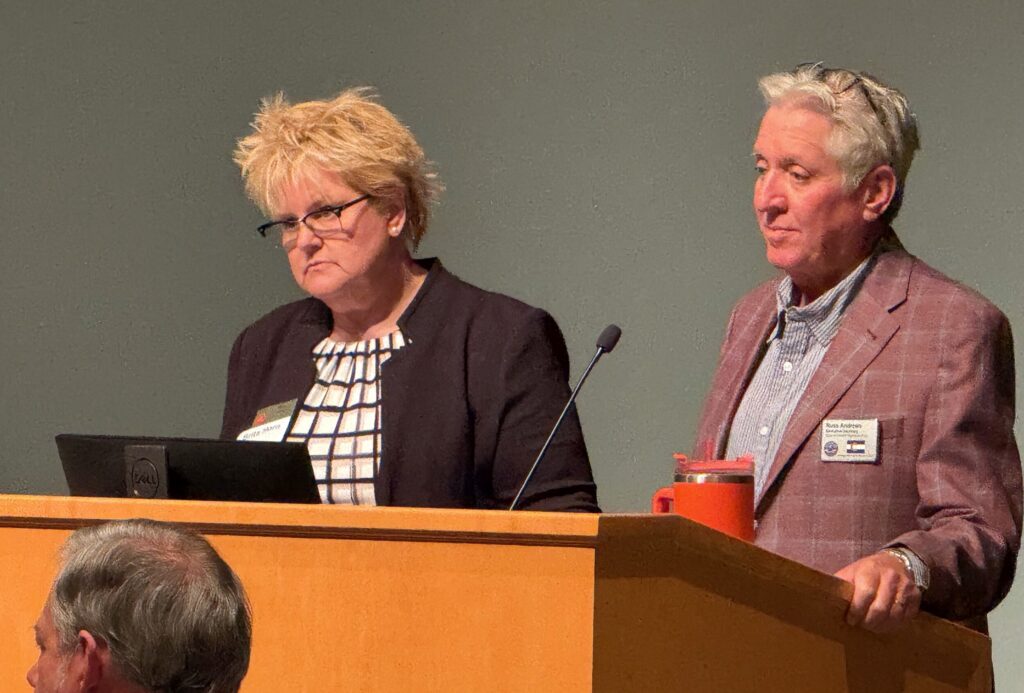
Colorado GOP officers set competing meetings to hold ‘no-confidence’ votes on state chair Brita Horn
Ernest Luning
ernest.luning@coloradopolitics.com
Updated 2 days ago
Once again, members of the Colorado Republican Party’s central committee have scheduled separate, competing meetings to consider whether the state GOP’s governing body supports its chair, but this time neither meeting will be held under a bridge. State GOP Chair...
Colorado Democratic candidate submitted 1,600 signatures — only 29 were valid
Marianne Goodland
marianne.goodland@coloradopolitics.com
Updated 23 hours ago
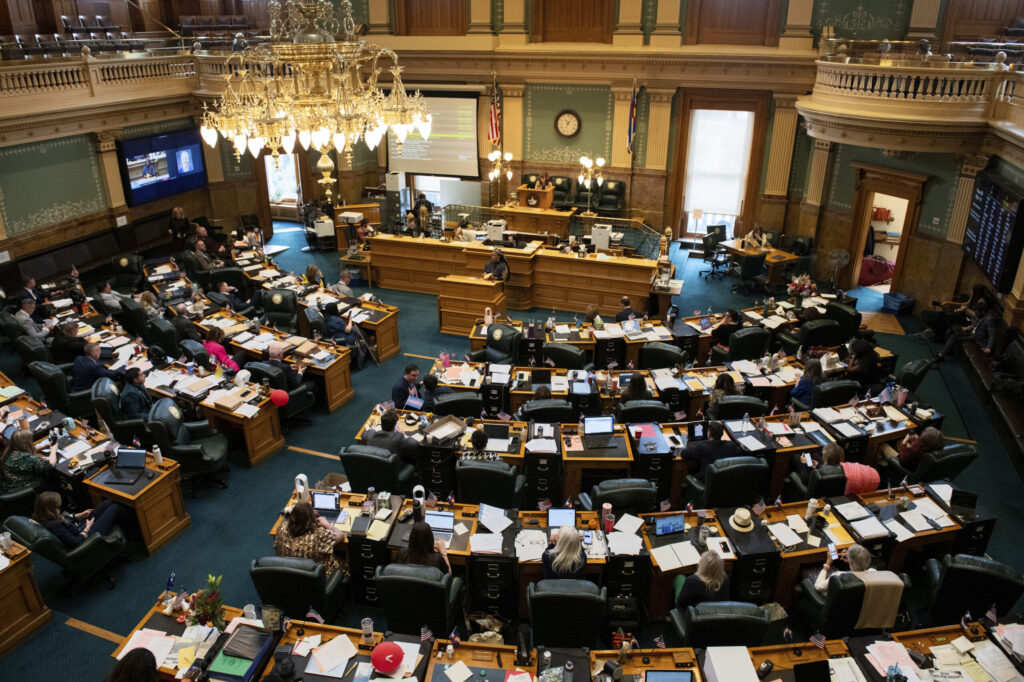
When he turned in some 1,600 signatures last month, Eric Nelson said it demonstrated “strong grassroots support from voters” across the district and a “growing momentum” for his “inclusive, community-centered leadership.” On Thursday, the Secretary of State rejected Nelson’s petition...
Colorado bill disqualifies former ICE agents from getting job in local law enforcement | Bills in Brief
Marissa Ventrelli
marissa.ventrelli@coloradopolitics.com
Updated 2 days ago
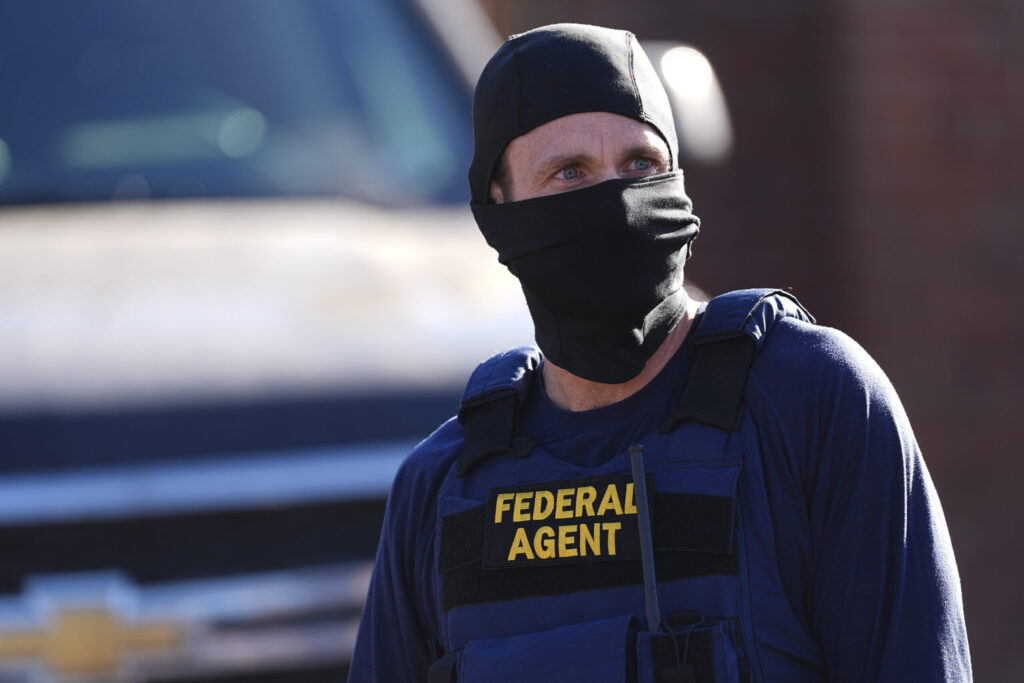
Colorado lawmakers introduce hundreds of bills each year. Bills in brief cuts through the noise by explaining which proposals matter, what’s at stake, and how decisions at the Capitol could affect everyday life across the state. Colorado legislators are pushing legislation to...
This bill’s bogus title is the real deception | OPINION
Mark Hillman
mark-hillman@coloradopolitics.com
Updated 3 days ago
Among the most absurd bills currently under consideration by the Colorado legislature is House Bill 1012, deceptively titled “Concerning Consumer Protections to Promote Fair Market Pricing.” The first absurdity is the claim this legislation and promoting free-market pricing have anything...
Colorado’s municipal jails should follow same standards as county jails | OPINION
Colorado Politics
colorado-politics@coloradopolitics.com
Updated 3 days ago
By Michael Carter Coloradans have the right to safe, humane and lawful jail facilities, regardless of where they’re held. However, the state law requiring jails in Colorado to meet those basic standards doesn’t apply to all the jail facilities in...
PREV
PREVIOUS

Helping close Colorado school children's literacy gaps | OPINION
By Ellen Gelman Imagine being a high school student sitting in a room where everyone around you seems to understand texts that to you feel like a foreign language. Imagine knowing you’re smart, knowing you have ideas worth sharing, but feeling locked out because the words on the page won’t cooperate. That was Eddy’s daily […]
Urban vs. rural, labor vs. business: Battles are brewing ahead of the 2026 Colorado legislative session
Grab your popcorn — it’s going to be an interesting 2026 legislative session in Colorado. There’s not much you can count on these days, but if you’ve been around the state Capitol long enough, you’ve probably seen your fair share of disagreements, both friendly and unfriendly — and you can be sure you’ll see even […]