

Colorado congressman backs bills to help veterans
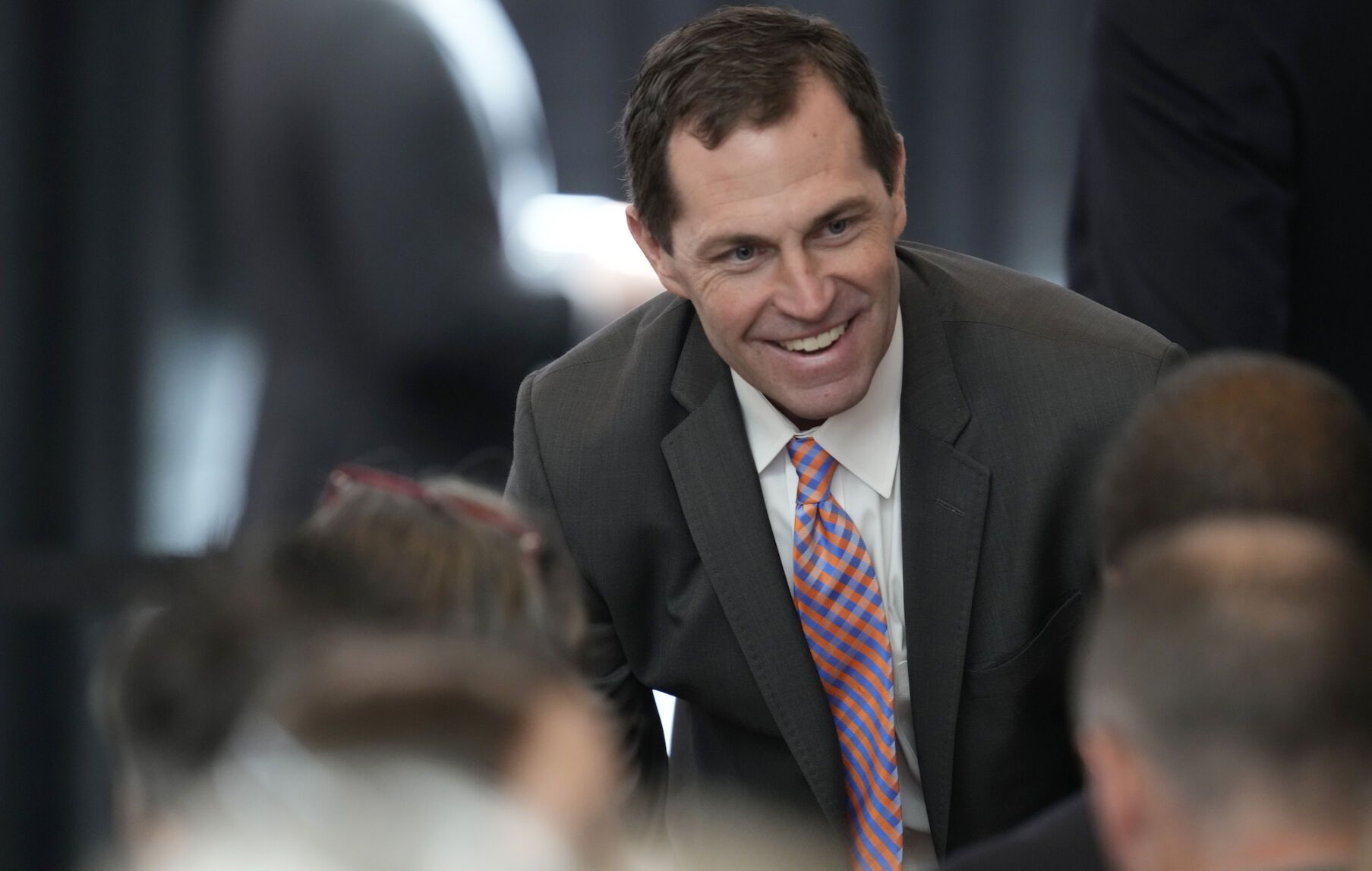
Colorado Congressman Jason Crow, D-Aurora, is working with Republicans on a slate of bills to help address tough issues facing veterans, such as high rates of ALS and suicide.
The bills were expected to be introduced this week as the United States marks Veterans Day. They’re expected to target specific gaps in care and education benefits, along with helping address the number of veterans who are incarcerated.
“I went to war three times for this country, and throughout my time in Congress, I have worked hard to ensure my fellow veterans are equipped to transition to civilian life,” Crow said in a news release.
Researching ALS
Since veterans are twice as likely to develop ALS as those who have not served, Crow and three other lawmakers are calling on the Department of Veterans Affairs to study ALS and create a strategy to improve access to clinical trials for treatment through the Veterans with ALS Reporting Act. ALS is a fatal neurodegenerative disease that causes loss of muscle control.
The VA runs a Biorepository Brain Bank where it collects tissue from veterans with ALS to further research into the disease.
Mental health care gaps
To address the need for mental health care, Crow is introducing the Building Resources and Access for Veterans’ Mental Health Engagement Act, or BRAVE Act, to ensure the VA is meeting the needs of rural and female veterans.
The bill calls for a report to Congress to ensure that vet centers in rural areas are meeting residents’ needs and for additional research into how best to help prevent female veterans from dying by suicide.
Past studies have found suicide prevention and outreach messaging campaigns should by tailored to women, the news release said.
The bill would also increase funding for the Staff Sgt. Parker Gordon Fox Suicide Prevention Grant Program from $750,000 to $1 million and extend it for three years. The grant program supports community organizations that provide peer support, case management and outreach to identify those at risk of suicide, among other services.
In a separate bill called the Veterans’ Sentinel Act, Crow would like to see an analysis of deaths on VA campuses. The proposed legislation would require an annual report to Congress detailing on-campus suicides, suicide attempts and recommendations for improved prevention. Between October 2017 and September 2019, 55 veterans took their lives on VA campuses. A similar bill was introduced in 2023.
Suicide among U.S. veterans is down from a peak of 6,722 deaths in 2018, which marked an all-time high since at least 2001, according to a VA report. During 2020, the country saw the number of veterans dying by suicide dip to 6,326, the lowest since 2007. The most recent data shows 6,407 veterans died by suicide in 2022.
Education benefit transfer fix
To expand access to education benefits to veterans’ families, Crow is introducing the Veterans Earned Education Act to reduce the burden of transferring benefits for certain people who qualify. For post 9/11 veterans to transfer their education benefits to dependents and spouses, they must have served six years and agree to serve four more years from the date of the transfer request. A similar bill was introduced in 2023.
The bill will allow servicemembers with 17 years of service or more to transfer their education benefits without serving an additional four years. Medically retired servicemembers would also be allowed to transfer their benefits, according to the news release.
Reaching incarcerated vets
To better reach incarcerated veterans with services, the Justice Involved Veterans Support Act would offer grants and technical assistance to state prisons and local jails to improve documentation of inmates who are veterans, and to increase the number of veterans referred to a specialized court focused on connecting veterans to therapy. A similar bill was introduced in 2021.
Rep. Don Bacon, R-Neb., a member of the House Armed Services Committee, is co-sponsoring the bill.
About 181,000 veterans are involved in the criminal justice system, and more than half have mental health or substance abuse disorders, such as post-traumatic stress disorder, depression, alcoholism or drug addiction, according to a news release.
In El Paso County, Veterans Trauma Court has helped connect local residents with inpatient treatment through the VA for substance abuse.

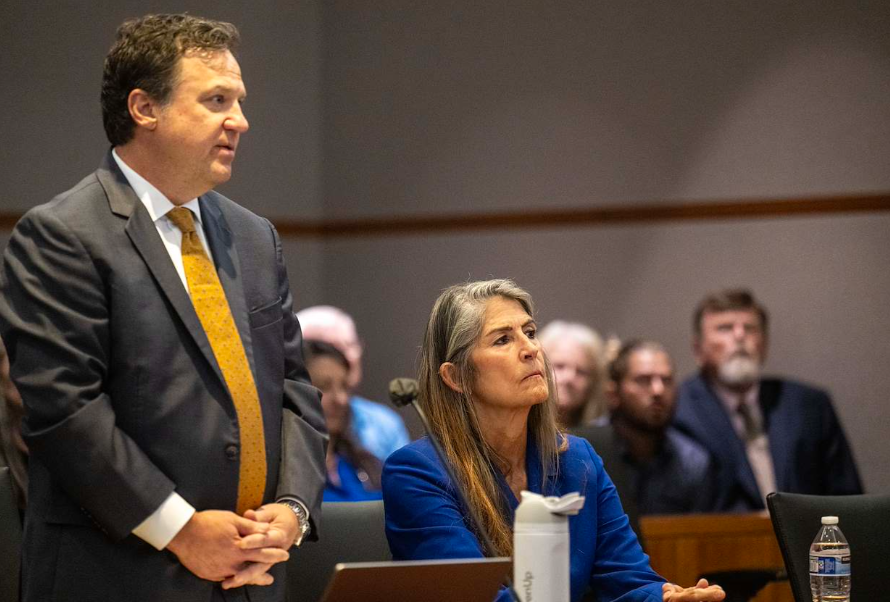
Disgraced ex-CBI analyst Missy Woods sentenced to prison in DNA scandal
Jenny Deam
jenny.deam@gazette.com
Updated 13 hours ago
A Jefferson County district court judge on Tuesday sentenced a disgraced former Colorado Bureau of Investigation DNA analyst to a decade in prison for altering and deleting data in scores of criminal cases over several years. Jefferson County District Judge...

With its water source dry, a southeast Colorado town’s clock is ticking
Savannah Eller
savannah-eller@coloradopolitics.com
Updated 20 hours ago
The Cucharas is not a mighty river, but the people of La Veta knew they had a problem brewing when it ran dry at the beginning of June. “We’re getting by,” said La Veta Mayor Doug Brgoch. “It’s not great.”...

Fort Carson soldiers run Indonesian exercise, refine communications tech
Mary Shinn
mary-shinn@coloradopolitics.com
Updated 20 hours ago
Fort Carson soldiers are overseeing an expansive military exercise in Indonesia while honing new communications technology for the Army. More than 4,700 personnel are participating in the annual training, known as Super Garuda Shield 2026, taking place across several regions...

Colorado House ethics committee issues ‘stern letter’ to Democrat over caucus funds mismanagement
Marianne Goodland
marianne.goodland@coloradopolitics.com
Updated 14 hours ago
The Colorado House ethics committee on Friday voted unanimously to issue a “stern letter” to Rep. Mandy Lindsay, D-Aurora, regarding her mismanagement of House Democratic caucus funds. The committee further voted to request that Lindsay resign as Democratic Caucus co-chair...

Secretary of Energy, congressmen push for reliable power over renewable outside CSU coal power plant
Brennen Kauffman
brennen-kauffman@coloradopolitics.com
Updated 20 hours ago
U.S. Secretary of Energy Chris Wright said Friday that the Trump administration would continue to fight against state efforts to close coal power plants, including the Ray Nixon Power Plant outside of Colorado Springs. Wright was joined by Colorado Republican...

Regulators knew this marijuana product was harming people. It stayed on shelves for more than a year
Christopher Osher
chris.osher@gazette.com
Updated 2 days ago
Colorado’s Marijuana Enforcement Division can take months or even years to issue formal safety warnings about marijuana products even when it receives reports that the products are harming people’s health, The Denver Gazette and ProPublica found. This article was produced...
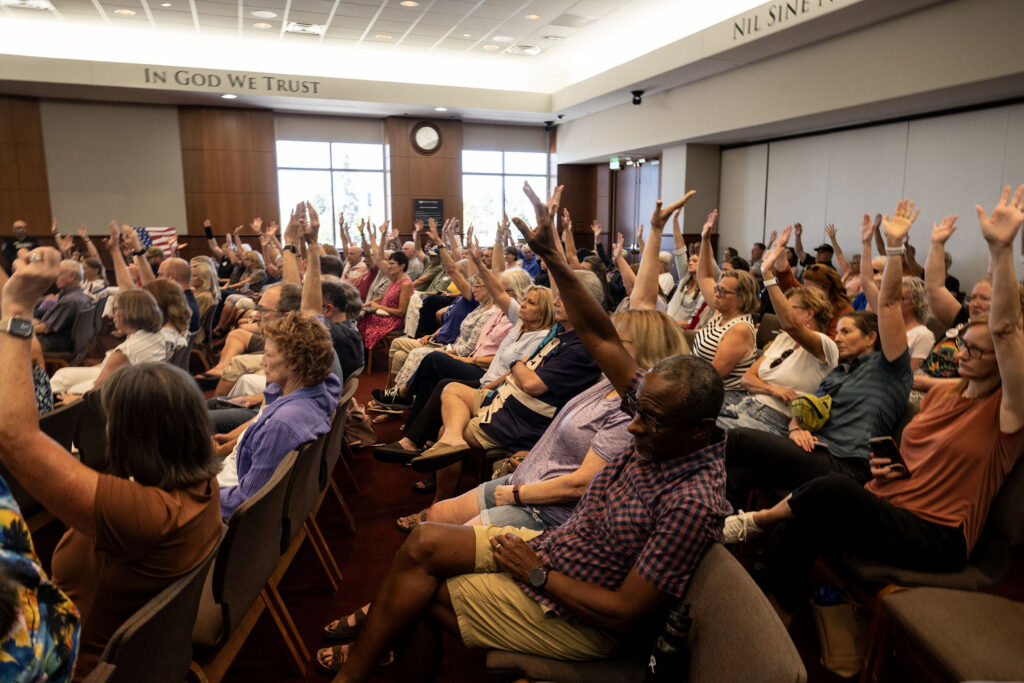
Douglas County commissioners reject challenge to ballot language for 3 to 5 petition
Nicholas Fogleman
nicholas.fogleman@denvergazette.com
Updated 5 days ago
Douglas County commissioners denied a challenge Thursday to the language of a ballot initiative that would expand the board from three to five members. Following a contentious hearing that saw multiple audience members escorted out by police for disruptions, commissioners...

Favorability rating of Mayor Mike Johnston, Denver City Council slides
Nico Brambila
nico.brambila@denvergazette.com
Updated 5 days ago
Denver Mayor Mike Johnston’s favorability rating fell 7 percentage points over the past year, while the City Council’s favorability rating dropped 3 percentage points, a new poll has found. A little more than a year after taking office, Johnston had...

Judge orders home confinement for Barry Morphew
Dennis Huspeni
dennis.huspeni@gazette.com
Updated 6 days ago
An Alamosa County district judge has ordered home confinement for Barry Morphew, who is accused of murdering his wife. Barry Morphew, 59, faces a first-degree murder charge in the death of his wife, Suzanne Morphew, who disappeared Mother’s Day weekend...

Ikon Pass company Alterra to move into former Denver Post building, create downtown ‘outdoor hub’
Bernadette Berdychowski
bernadette.berdychowski@denvergazette.com
Updated 6 days ago
What was once the home of two of Colorado’s longest-running daily newspapers could soon become a central location for the state’s ski resort and outdoor companies, city and state leaders said Thursday. Alterra Mountain Co. is moving its headquarters to...
PREV
PREVIOUS

Divided 10th Circuit lets Colorado enforce interest rate cap on out-of-state banks
The Denver-based federal appeals court ruled on Monday that Colorado may use a decades-old provision of federal law to require out-of-state banks to abide by Colorado’s maximum interest rates when they lend to in-state residents. A three-judge panel of the U.S. Court of Appeals for the 10th Circuit overturned a trial judge’s injunction blocking Colorado […]

Colfax revitalization begins after Aurora voters approve downtown development authority
Aurora city officials will take the next steps in revitalizing the Colfax Avenue corridor after voters approved the creation of a downtown development authority by a wide margin last week. Councilmembers in July unanimously approved taking the question to voters, who needed to approve the creation of the Aurora Downtown Development Authority in order for […]