

Colfax revitalization begins after Aurora voters approve downtown development authority
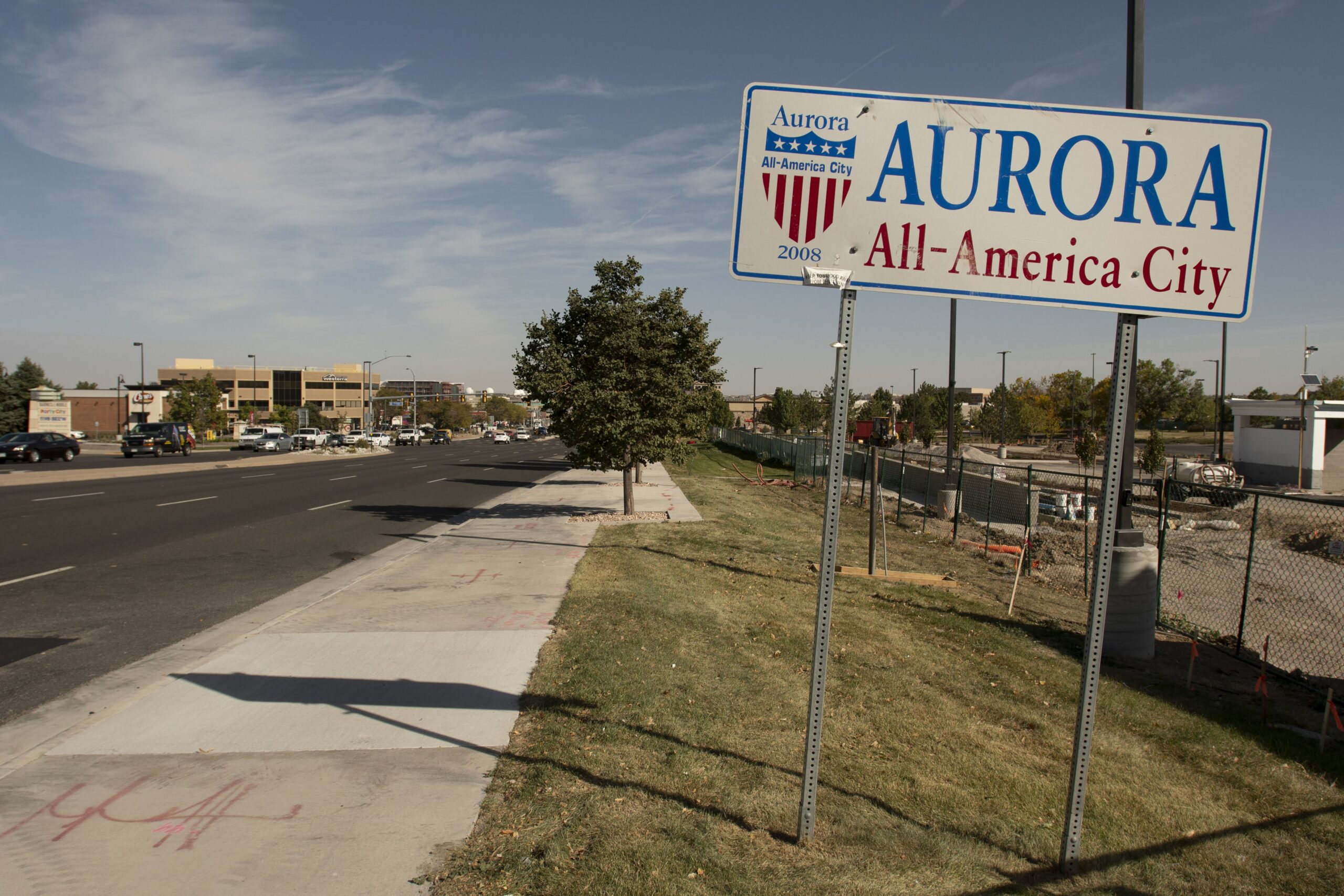
Aurora city officials will take the next steps in revitalizing the Colfax Avenue corridor after voters approved the creation of a downtown development authority by a wide margin last week.
Councilmembers in July unanimously approved taking the question to voters, who needed to approve the creation of the Aurora Downtown Development Authority in order for the project to move forward.
Voters overwhelmingly approved the project through two questions on a special ballot that went out to people who live and work in the designated area. The first question asked voters if they approve of the creation of a DDA for the area, and 133 people, 79%, voted “yes.”
A second question asked voters if they authorize the DDA to use tax increment financing, and 141 voters, 83%, voted “yes.”
With the passage of both ballot measures comes the creation of a DDA, which is a governmental entity separate from the city and defined by state statute. It is led by a board appointed by the mayor and confirmed by a majority of the City Council.
Now, elected officials are tasked with forming the authority’s board, which will include a city councilmember and between four and 10 members chosen from the DDA’s boundary area. Chosen members must be residents, landowners or business lessees within the boundaries, which includes East Colfax Avenue between Yosemite and Peoria streets and 17th and 13th streets.
The project began in April 2024, when Aurora’s Urban Renewal Authority board voted to approve an evaluation on how to improve downtown Aurora.
After studying the needs of northwest Aurora, Brad Segal, president of consulting company Progressive Urban Management Associates, recommended the city move forward with creating a DDA and a community development corporation (CDC) for the area.
A community development corporation is a nonprofit organization created to support and revitalize an area.
The combination of a downtown development authority and a CDC allows for philanthropic support, while using the DDA as a “primary driver,” Segal told councilmembers earlier this year.
The CDC would help diversify funding options and be able to operate beyond the boundaries of the DDA.
Using PUMA’s community feedback process, it came up with a draft Colfax Action Plan with six goal areas, including public safety, business support, advancing the arts, housing and neighborhood stability, cleaning and maintenance, and public space improvements, Naomi Lacewell of PUMA said.
Among key ideas for improving the corridor are activating vacant storefronts, highlighting small businesses with marketing campaigns, adding new housing and improving existing housing, planting and maintaining trees and other landscaping, providing affordable artist housing and improving alleys, signage and outdoor amenities, Lacewell said.
The DDA will use tax-increment financing, which does not create new taxes but reinvests the growth in tax revenue as property values and commercial activity in the area increase over time, city officials said.
Once formed, the DDA and CDC will first focus on addressing the most pressing community priorities, including launching safety and business support efforts, establishing cleaning and beautification services, stabilizing naturally occurring affordable housing and promoting cultural events and economic opportunities, according to the draft plan for the corridor.
As the DDA and CDC develop and get more resources, they will tackle larger, more complex projects, including investing in major infrastructure and public space upgrades like parks and sidewalks, buying and developing community-serving real estate like affordable housing and commercial space, and expanding grants and programs for community needs.
The wider area surrounding the DDA boundaries is what officials are calling “original Aurora.” It includes areas between 26th Avenue to the north and East 6th Avenue to the south.
Original Aurora has grown significantly over the past decade, adding more than 2,800 new residents. With the population growth has also come significant growth in housing prices, according to the Colfax plan.
As of January 2025, there were no homes for sale in Original Aurora that a family with an average area income could afford, the plan says. The median income in Original Aurora last year was just over $59,000, which is lower than the citywide median of $83,500.
Retail vacancy is also higher in Original Aurora than in the rest of the city, the plan says, with crime both real and perceived driving high turnover and a loss of “anchor retail institutions” like Walmart and Walgreens.
More information, including board members appointments in coming months, is available at engageaurora.org/ColfaxPlan. The full draft plan, which will continue to update as more community feedback comes in, is also available on the Engage Aurora site.

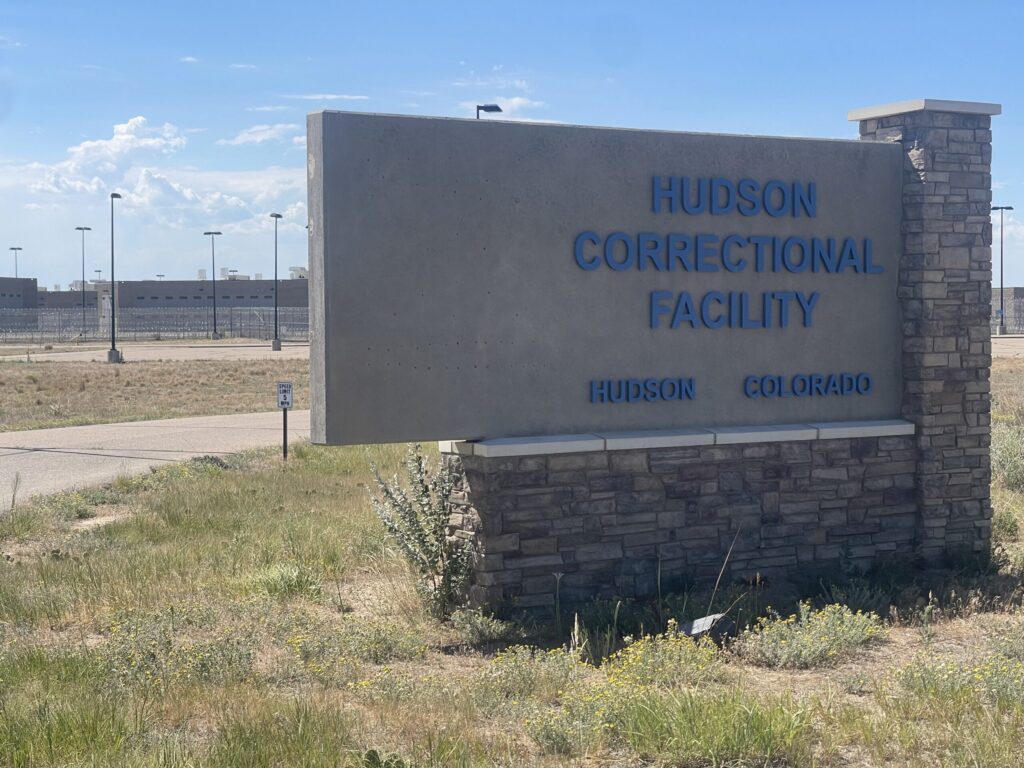
Hudson faces lawsuit over ICE detention facility
Nicole C. Brambila
nicole-c-brambila@coloradopolitics.com
Updated 3 days ago
A nonprofit organization filed a lawsuit against the Town of Hudson Wednesday, challenging plans to reopen a former federal prison in the town as a U.S. Immigration and Customs Enforcement detention facility. Together Colorado, along with Janet E. Carlson, filed...

Jefferson County to fill commissioner vacancy after Dahlkemper tapped for lieutenant governor
Matt Kyle
matt.kyle@denvergazette.com
Updated 3 days ago
Democratic gubernatorial nominee Phil Weiser on Wednesday announced that Jefferson County Commissioner Lesley Dahlkemper would be his lieutenant governor, meaning she would be leaving her commissioner seat open should he win the race in November. However, Dahlkemper’s term was already...

Douglas County bear reports up 155% from 2025
Bethany Johnson
bethany.johnson@denvergazette.com
Updated 2 days ago
Colorado’s drought has pushed bears closer to urban areas in search of resources, Colorado Parks and Wildlife reports. Douglas County’s fourth bear fatality of the month occurred Wednesday after a car hit a bear in Lone Tree. After impact, the...

Denver approves new downtown pedestrian bridge connecting LoDo, Ball Arena
Deborah Grigsby
deborah.smith@denvergazette.com
Updated 3 days ago
Denver has approved a no-cost intergovernmental agreement with two metropolitan districts for a new pedestrian and bicycle bridge over Speer Boulevard. The Denver City Council resolution, approved Monday, allows Kroenke Sports and Entertainment Metropolitan Districts No. 2 and No. 3...
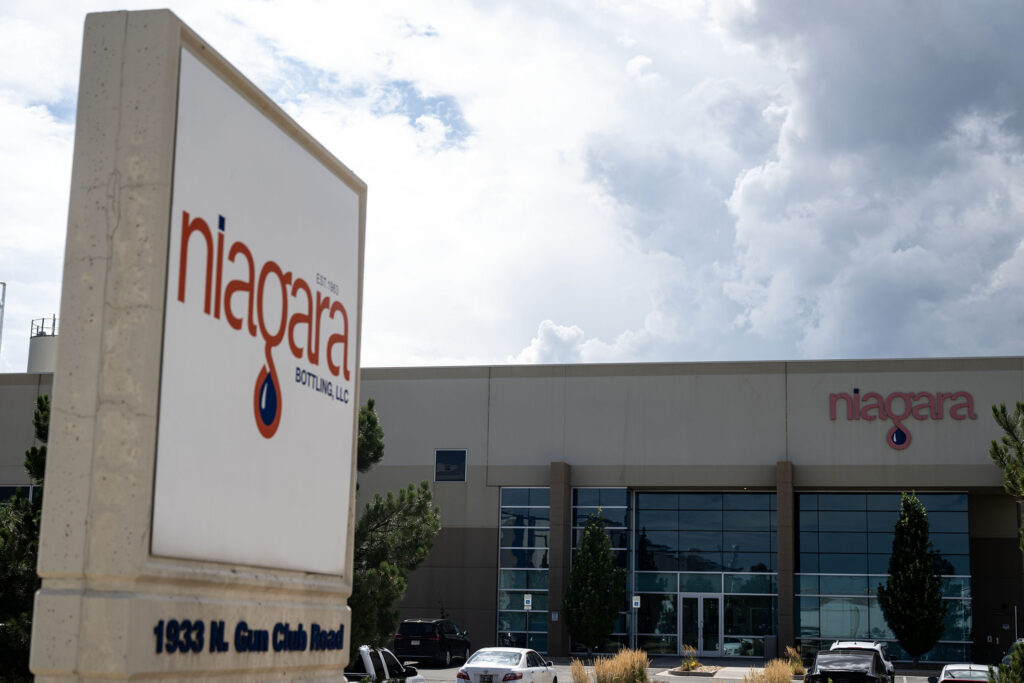
Aurora’s largest single water user on track to exceed allocation amid drought restrictions
Kyla Pearce
kyla.pearce@gazette.com
Updated 3 days ago
Aurora’s largest single water user, Niagara Bottling, met with city officials last week to address water allocations amid drought restrictions. The company has not used more than its allotted amount yet this year but is trending in that direction, according...
Castle Rock to review use of Flock license plate readers
Nicholas Fogleman
nicholas.fogleman@denvergazette.com
Updated 3 days ago
The Castle Rock Town Council is reviewing its use of Flock license plate readers after directing staff to prepare a report comparing the company’s data policies with those of its competitors. Councilmember Max Brooks, who raised the issue, emphasized that...
Denver DA clears officer in April fatal shooting
Matt Kyle
matt.kyle@denvergazette.com
Updated 3 days ago
The Denver District Attorney’s Office has decided that the use of deadly force by a Denver Police Department officer who fatally shot a man in April was justified. Denver DA John Walsh announced the decision Wednesday in a letter to...
Castle Rock implements mandatory Stage 2 water restrictions
Nicholas Fogleman
nicholas.fogleman@denvergazette.com
Updated 3 days ago
Castle Rock moved into mandatory Stage 2 drought restrictions Wednesday as ongoing dry conditions and continued high water demand strain the town’s water supplies. Under the restrictions, customers must follow a mandatory two-day-per-week outdoor watering schedule. Customer water budgets will...

Multistate FBI-led operation nabs alleged cocaine traffickers from Colorado
Matt Kyle
matt.kyle@denvergazette.com
Updated 3 days ago
A multistate FBI-led operation into a cocaine trafficking group has nabbed 14 alleged drug traffickers, including three from the metro Denver area. Authorities in South Dakota on Tuesday announced the results of the investigation, nicknamed “Operation Black Book,” which began...
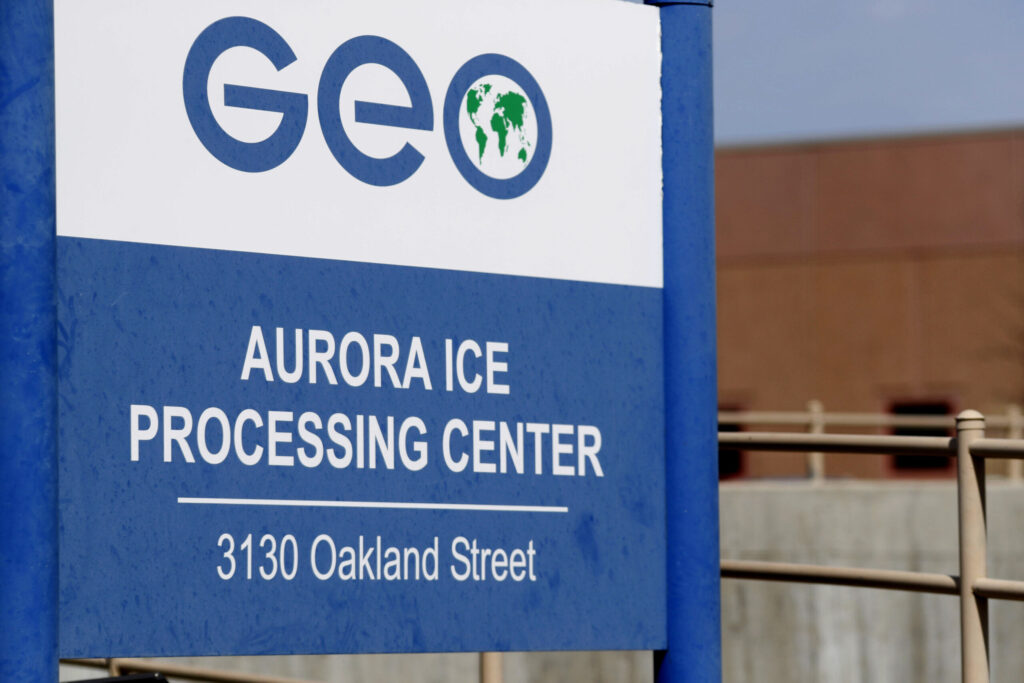
GEO impeding TB investigation at Aurora ICE detention center, Colorado officials say
Nico Brambila
nico.brambila@denvergazette.com
Updated 4 days ago
Colorado officials said Tuesday that the GEO Group has failed to provide access required under state law for a tuberculosis investigation at the Aurora ICE Processing Center, hindering efforts to identify people who may have been exposed. The Adams County...
PREV
PREVIOUS

Colorado congressman backs bills to help veterans
Colorado Congressman Jason Crow, D-Aurora, is working with Republicans on a slate of bills to help address tough issues facing veterans, such as high rates of ALS and suicide. The bills were expected to be introduced this week as the United States marks Veterans Day. They’re expected to target specific gaps in care and education […]

Senate votes to ban intoxicating hemp products nationally
Legislation passed by the U.S. Senate late Monday will ban nearly all hemp-derived THC products, despite Kentucky GOP Sen. Rand Paul’s attempts to block the hemp-ban language from a part of the GOP-proposed deal designed to end the government shutdown. Eight Democrats joined with GOP senators to support a Republican-led stopgap funding deal Sunday, which includes a continuing resolution […]