

Colorado can’t balance its budget on the backs of kids with autism | OPINION

By Katie Gallardo
When my child was first diagnosed with autism, I felt a mix of validation and isolation. I was handed lists of clinics and therapies that looked promising on paper but were often out of reach. I was given data about how to help my son meet society’s expectations — expectations that come naturally to most children but require specialized, consistent support for children like mine.
Those supports, however, exist behind walls of inaccessibility. The number of qualified providers is small, and funding — especially through Medicaid — is far too limited. For many families, the therapies most vital to helping our children thrive are treated not as necessities but as luxuries.
With an autism diagnosis, the future can feel like a storm cloud — sometimes breaking open with sunlight when milestones are met, other times drenching you in the rain of endless bureaucracy.
Like most parents, I wanted to do everything I could to help my child learn, grow and connect with the world. Applied Behavior Analysis (ABA) therapy became our lifeline. It has helped my son build communication, social, and life skills in ways I once feared might never be possible. ABA therapy is not a privilege — it is a proven, evidence-based necessity. For our family, it is progress and hope in motion.
That’s why I was devastated to learn the state of Colorado is again targeting Medicaid funding for pediatric behavioral therapy, including ABA, cutting nearly $10 million from services for children with autism. Even worse, the cuts to autism therapy are higher than for other services — signaling, intentionally or not, our children are less deserving of care.
I understand the state faces fiscal challenges. But we cannot balance the budget on the backs of our most vulnerable children. These therapies are not optional — they are what allow children with autism to gain independence, thrive in school and ultimately lead fulfilling lives. Every child, every human being, deserves that chance.
To make matters worse, the state has layered new administrative hurdles that apply only to autism services. Families already spend countless hours coordinating care and advocating for coverage. Each new piece of red tape makes it harder for providers to stay open and for children to get the therapy they need. Perhaps that’s one way to save money — by exhausting the families who fight hardest to access care.

These cuts and restrictions single out children with autism disproportionately, despite overwhelming research proving therapies like ABA are medically necessary and effective. Both federal and state law are clear: mental and behavioral health care must be treated the same as physical health care. The Mental Health Parity and Addiction Equity Act — and Colorado’s own parity laws — were designed to end decades of discrimination and stigma by ensuring behavioral health conditions receive equal treatment. Yet that promise is being broken in real time.
You cannot claim to value equity while gutting the very programs that make it possible. You cannot claim to support families while undermining the therapies that allow our children to communicate, learn and grow. Treating autism therapies as expendable is not just bad policy — it’s discrimination.
These cuts also reinforce harmful stereotypes about autism itself. Too often, public narratives frame autism as a tragedy or a problem to be “fixed,” instead of recognizing the diversity and potential of autistic people. Parents like me work tirelessly to show the world our children are not broken — they are brilliant, unique and capable. But when the state undermines access to proven, evidence-based therapies, it sends a very different message: that our children’s lives, and families fighting, are expendable. That the challenges of parenting a child with autism could have, or should have, been avoided rather than supported.
When the state blocks access to care, it devalues our children’s lives. Colorado lawmakers and budget committees must recognize this reality. Protecting and expanding coverage for ABA therapy is not only sound fiscal policy — it’s an act of equity and compassion. Every child, regardless of income or location, deserves the opportunity to reach their full potential. The science is clear. The stories are countless. The question that remains is whether our leaders are listening.
No parent should have to fight this hard for their child to receive medically necessary care. Earlier this month, the Colorado Association for Behavior Analysis (COABA), along with affected families, filed a lawsuit against Gov. Jared Polis and the Colorado Department of Health Care Policy and Financing (HCPF) in response to continued, drastic cuts to services for Autistic children. This lawsuit isn’t about politics — it’s about equal access and support. The governor has the authority to manage the budget, and must do so lawfully and equitably. As parents, we fight every day for our child’s right to be seen, supported and included. Our state government should be fighting with us, not against us.
When discrimination, stereotypes and chronic underfunding intersect, children from marginalized communities with invisible disabilities are left to bear the cost — proof when prejudice and policy intertwine, our most vulnerable children pay the highest price.
Katie Gallardo is a stay-at-home mom to five children in Longmont and is passionate about advocating and spreading awareness for the special needs community.


Blue states should avoid disasters | Hal Bidlack
Hal Bidlack
hal-bidlack@coloradopolitics.com
Updated 9 hours ago
Back when I was teaching political science at the U.S. Air Force Academy (and amazingly to me, a week from this column’s publication will mark 20 years since my retirement from active duty. Where the heck did that time go?)...
Right-to-hunt ballot measure’s a cruel, anti-wildlife solution to a nonexistent problem | GUEST COLUMN
Colorado Politics
colorado-politics@coloradopolitics.com
Updated 9 hours ago
By Eric Washburn I love to hunt. Every year I try to hunt big game in Colorado and waterfowl in Louisiana. This year, I applied for five Colorado big game licenses — elk, deer, pronghorn, moose and bighorn sheep. I...

Jena Griswold’s record: corruption, incompetence | Dick Wadhams
Dick Wadhams
dick-wadhams@coloradopolitics.com
Updated 3 days ago
There is no statewide elected official going back decades who is as breathtakingly corrupt and incompetent as Secretary of State Jena Griswold, who is now running for attorney general of all things. And compliant ruling Democrats know it. Their silence...

Kiros exudes why Colorado’s political times are a-changin’ at annual Denver Dems gala | Miller Hudson
Miller Hudson
miller-hudson@coloradopolitics.com
Updated 3 days ago
Among Colorado’s few remaining bipartisan rituals are county and state party dinners. I was particularly intrigued by last week’s Denver Democratic Party’s 2026 Annual Gala, a “New Deal for a New Era.” Their glossy program featured an artist’s Technicolor rendering...
Livestock grazing regulations need flexible updates | Rachel Gabel
Rachel Gabel
rachel-gabel@coloradopolitics.com
Updated 3 days ago
The Bureau of Land Management last updated their livestock grazing regulations the year I graduated from high school. I am 49. Assessing rangeland health can’t be done once and not revisited. This year is a prime example that managers must...

Taxpayers donate to tax increase campaign | Jon Caldara
Jon Caldara
jon-caldara@coloradopolitics.com
Updated 4 days ago
Give the man his due. President Donald Trump has undeniable talents. Colorado politicians are learning. Chief among The Don’s skills is taking the self-serving, ethically dubious behavior of previous politicians and putting it on steroids. Or, to borrow from the...
Democratic candidate in Colorado’s 4th CD urges long-term water planning
Marianne Goodland
marianne.goodland@coloradopolitics.com
Updated 2 days ago
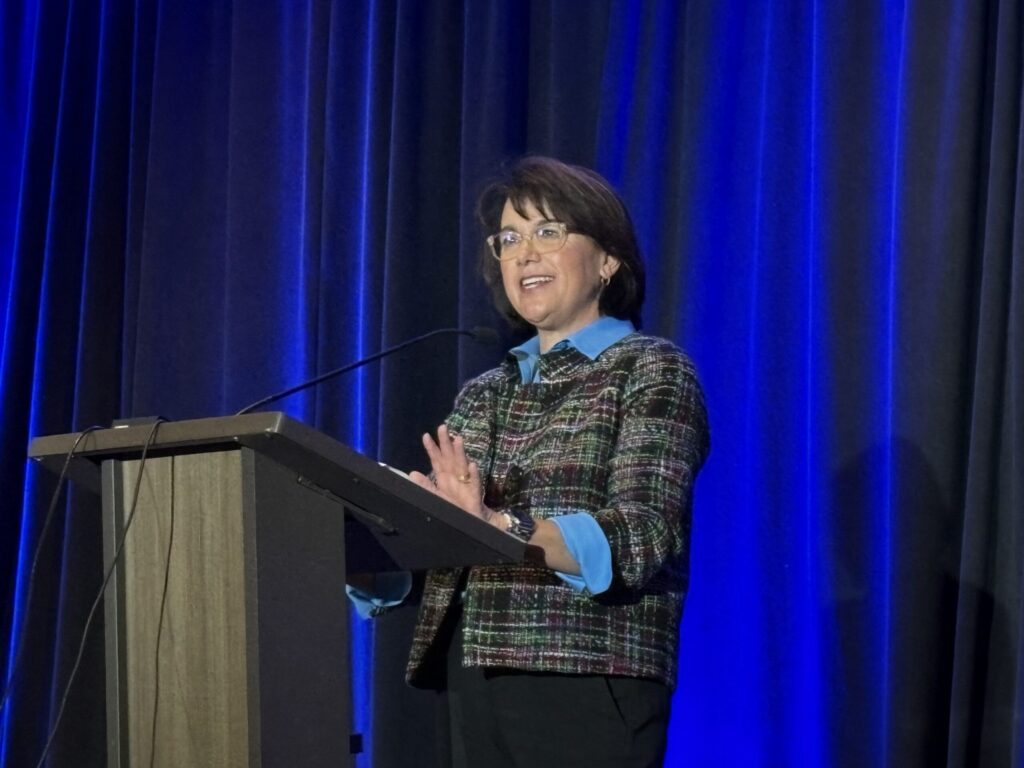
The Democrat hoping to become the next representative of Colorado’s 4th Congressional District on Thursday made her case on the final day of Colorado Water Congress in Steamboat Springs. Eileen Laubacher, who spent 34 years in the U.S. Navy and...

Proposal to cap Colorado income tax rate qualifies for November ballot
Thelma Grimes
thelma.grimes@coloradopolitics.com
Updated 2 days ago
Election officials on Thursday confirmed that the proposal to cap the state’s income tax at the current rate submitted signatures and voters will consequently decide its fate this November. The fight over tax rates is part of the tug and...
Democratic gubernatorial candidate Phil Weiser promises to appoint rural outreach director, water adviser
Marianne Goodland
marianne.goodland@coloradopolitics.com
Updated 4 days ago
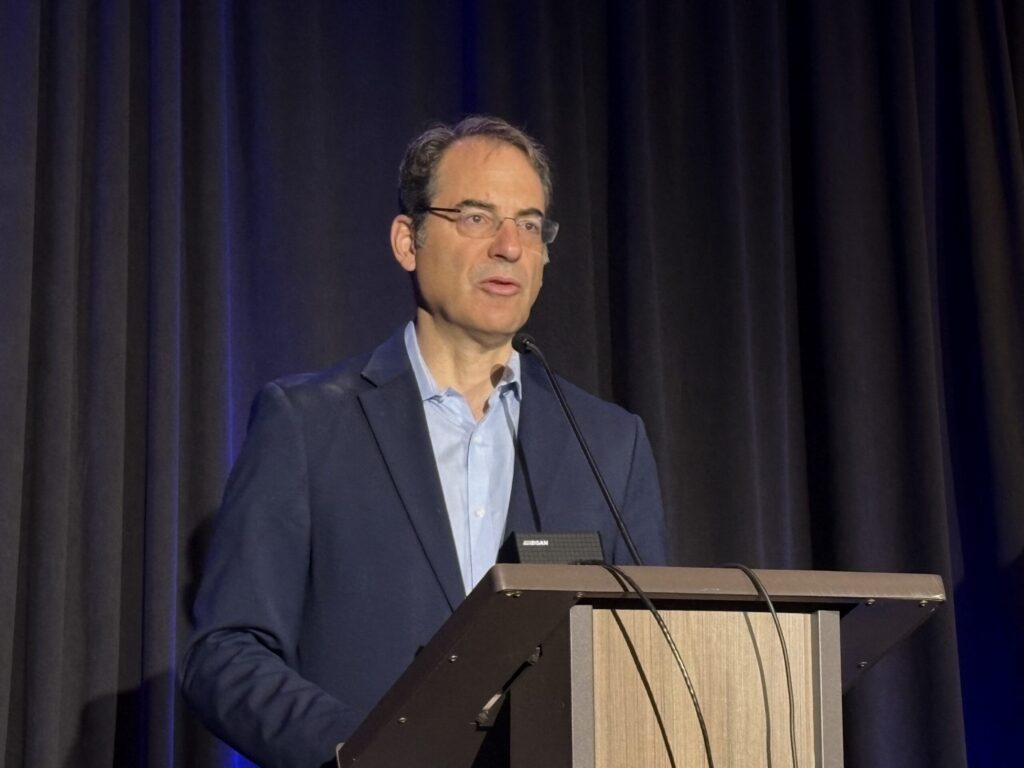
Democratic gubernatorial candidate and current Attorney General Phil Weiser told the Colorado Water Congress Thursday he intends to appoint a rural outreach director and a water policy adviser should he win the election in November. Weiser’s speech at the Steamboat...
Attorney general candidates present priorities at Colorado Water Congress
Marianne Goodland
marianne.goodland@coloradopolitics.com
Updated 3 days ago
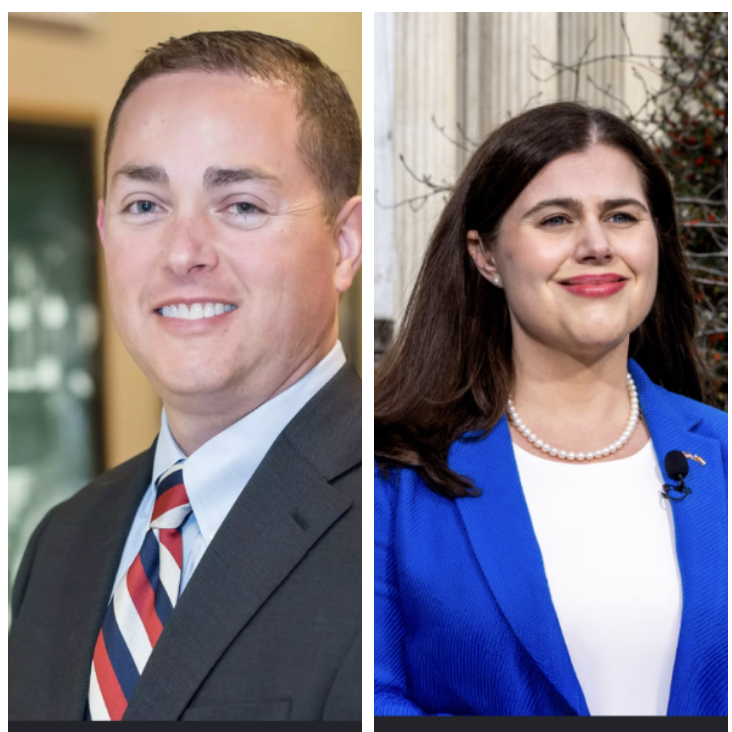
The two major-party candidates for attorney general — Republican Michael Allen, the district attorney for Teller and El Paso counties, and Democratic Secretary of State Jena Griswold — on Thursday outlined their priorities at the Colorado Water Congress. Griswold attended...
PREV
PREVIOUS

Nebraska says Colorado is stealing its water
The fight over Nebraska’s attempt to seize privately-owned land in northeastern Colorado persisted this week, with Nebraska accusing Colorado of stealing its water in a filing Wednesday with the U.S. Supreme Court. The issue deals with the Perkins County canal, a proposed 109-mile ditch stretching from Ovid in Sedgwick County and across the Colorado-Nebraska state […]

Continue funding afterschool programs for Colorado's schoolkids | OPINION
By Stuart Jenkins October is “Lights On Afterschool” month, an annual nationwide celebration that seeks to raise awareness about the essential role outside-of-school care programs, like Boys & Girls Clubs across the state, play in building strong kids, communities and workforces. Yet every day throughout the year, whether it’s an October afternoon or on a […]