

Joint Budget Committee greenlights $2.8M for Colorado prisons amid overcrowding crisis

The General Assembly’s Joint Budget Committee has approved nearly $3 million in supplemental funding for the Colorado Department of Corrections to cover the cost of additional prison beds amid an ongoing crisis of prison overcrowding.
Last month, DOC facilities reached a vacancy level of 3% for 30 consecutive days, prompting the governor to implement the Prison Population Management Measures established by a 2018 law. The measures include requiring the state’s parole board to compile a list of inmates with low-level offenses who are eligible for parole and can be released from DOC facilities to bring population numbers back down to more manageable levels.
The issue of overcrowding in state prisons has been a growing concern for months, with county sheriffs sounding the alarm in May over the shortage of prison beds, which has resulted in increased strain on local jails.
Prison populations have increased significantly in recent months for several reasons, including a rise in individuals being sentenced to jail time for technical parole violations, which are criminal infractions that violate parole conditions.
Further exacerbating the issue, state lawmakers eliminated about 300 beds from prison facilities during the last legislative session due to a lack of funds. The state approved funding to reopen 100 of those beds starting in July, and on Tuesday, DOC requested an additional $2.8 million to fund 153 more beds in the state’s medium-security correctional facilities for men.
According to JBC staffer Justin Brakke, the DOC’s inmate population is “well above” what the department’s budget can account for. While DOC’s overall vacancy rate is about 3%, medium-security facilities, which are the most common and often used to house new inmates coming from local jails, have recently seen vacancy rates as low as 0.71%.
While the General Assembly is only required to pay for part of local expenses, the current line item for local jails is funded based on an average daily population of 263 inmates — according to Brakke, local jails are facing a backlog of about 500 inmates.
A letter sent to the JBC by Colorado Criminal Justice Reform Coalition Executive Director Christine Donner and cosigned by over 70 law firms, advocacy groups, and political organizations urged the committee to reject DOC’s supplemental request, or at least delay it until their next quarterly meeting.
Donner urged JBC to “inquire further and get data on what DOC has done or plans to do” regarding issues like underuse of community corrections facilities, technical parole revocations, and parole plan delays.
The letter also accused DOC of opposing “every reform policy proposal” offered by the coalition, “despite decades of past collaboration to improve the system” and noted that the department includes its inmates that are housed in county jails as part of their prison population, but excludes the beds that are already funded in those jails as part of their available capacity, inflating the size of its facilties’ population and underreporting their capacity.
Donner noted that earlier in the month, Gov. Jared Polis ordered over $100 million in cuts across agencies, including Medicaid, higher education, and the Department of Public Health and Environment.
“Other state departments have been required to tighten their budgets and manage their programs more efficiently,” she wrote. “DOC should be held to the same standard. Approving this supplemental request means choosing prisons over healthcare, over housing, and over higher education. We
are confident this is not a choice Coloradans support, especially when DOC could instead choose to adopt more effective practices to manage the prison population.”
Some of the JBC’s more progressive members agreed with the statements made in the coalition letter. Rep. Emily Sirota, D-Denver, said she wanted to see the DOC prove that they are taking the steps to address the issues mentioned in the letter.
“I want to know that some action is being taken to be more proactive about getting people who can be safely released into the community or into community corrections,” added Sen. Judy Amabile, D-Boulder. “I want to know that that’s happening before we just agree every year to vote for more beds.”
The request was approved on a 4-2 vote, with Sirota and Amabile objecting.


Controversial two-bag furbearer limit heads to CPW meeting under legal threat
Marianne Goodland
marianne.goodland@coloradopolitics.com
Updated 3 hours ago
Next week’s Colorado Parks and Wildlife Commission meeting in La Junta is likely to open under the cloud of threatened legal action. Safari Club International and the Sportsmen’s Alliance Foundation warned the commission this month that its July vote imposing...

Coalition drops Colorado transportation ballot measure after securing deal
Marissa Ventrelli
marissa.ventrelli@coloradopolitics.com
Updated 1 hour ago
The proposed constitutional amendment seeking to dedicate all transportation-related revenue to Colorado’s roads and bridges will no longer appear in this November’s ballot after its proponents reached an agreement with lawmakers following months of negotiations. Initiative No. 175, backed by...

Counties warn CPW that new comment limits sideline local governments
Marianne Goodland
marianne.goodland@coloradopolitics.com
Updated 1 day ago
The September meeting of the Colorado Parks and Wildlife Commission will feature newly revised public‑comment rules — changes introduced by chair Jay Tutchton of Bent County, who announced them without first discussing the revisions publicly with the rest of the...
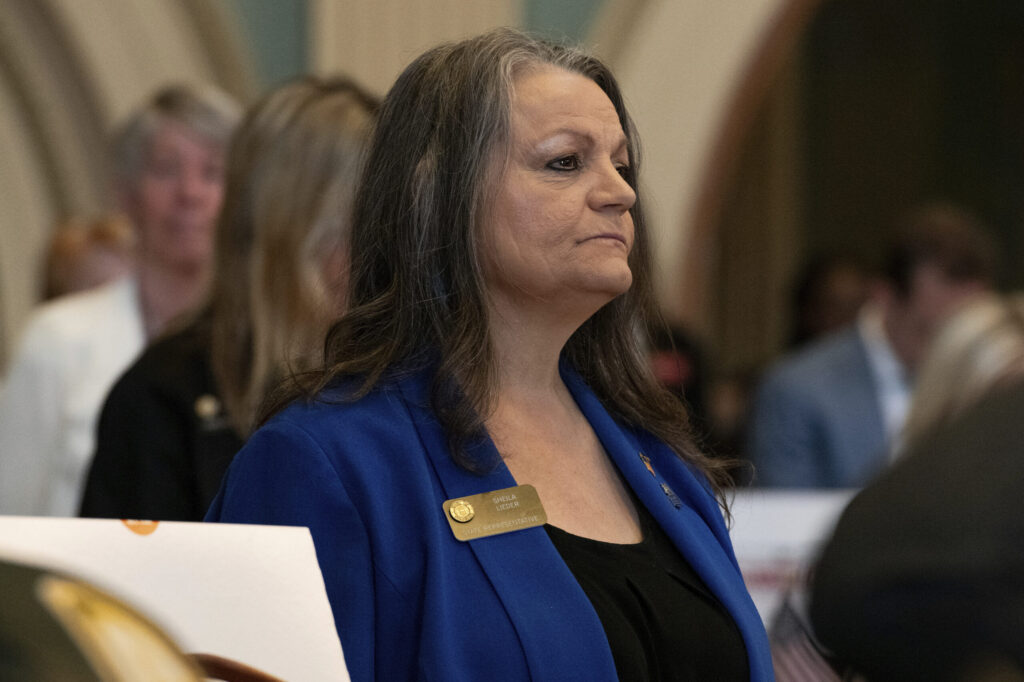
Colorado lawmaker, House leaders named in workplace-retaliation lawsuit
Marianne Goodland
marianne.goodland@coloradopolitics.com
Updated 2 days ago
A former legislative aide has filed a lawsuit alleging she was mistreated, illegally directed to perform campaign work and harmed by a House leadership structure she charged was fragmented, politicized and ineffective at protecting employees. The lawsuit, filed by Jennifer...
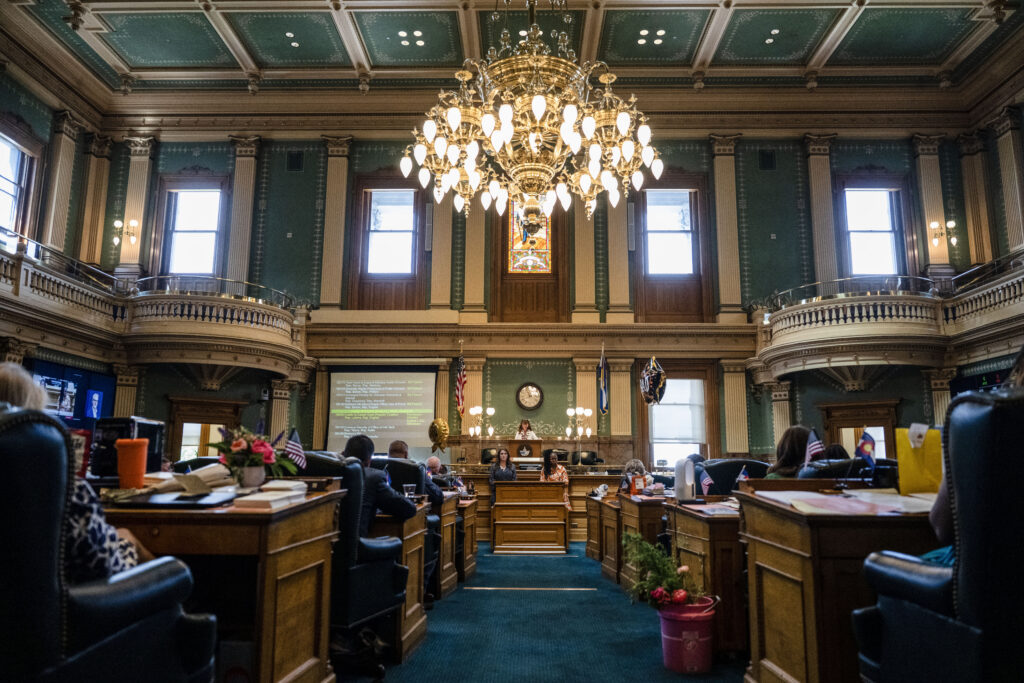
Colorado House Democrats’ caucus finances under scrutiny as ethics case against leader advances
Marianne Goodland
marianne.goodland@coloradopolitics.com
Updated 5 days ago
Democratic lawmakers told a legislative ethics panel that a leader’s management of caucus finances left them with unanswered questions, disputed reimbursements and a breakdown in communication that ultimately triggered a formal complaint. The House Ethics Committee is examining a complaint...

Colorado shifts vaccine authority to state as Trump administration revises childhood framework
Marissa Ventrelli
marissa.ventrelli@coloradopolitics.com
Updated 2 weeks ago
As the Trump administration rolls out a revised childhood vaccine framework, Colorado’s law allowing the state to set its own immunization schedule has now taken effect. Issued Monday, President Donald Trump’s executive order separates childhood and adolescent vaccines into three...

Colorado NRA chapter seeks injunction against new gun‑training requirement
Marissa Ventrelli
marissa.ventrelli@coloradopolitics.com
Updated 2 weeks ago
The Colorado chapter of the National Rifle Association is seeking an injunction to stop the state from enforcing a new law that took effect earlier this month. The new law requires anyone buying or selling certain firearms to first complete...

Hunter shot Colorado wolf after mistaking it for a coyote, wildlife office says
Marianne Goodland
marianne.goodland@coloradopolitics.com
Updated 2 weeks ago
Colorado Parks and Wildlife said Monday that a female wolf from British Columbia that died in January was shot by a hunter who mistook her for a coyote. The wolf, identified as 2504‑BC, was one of 17 wolves relocated since...

Colorado’s troubled guardianship office pursues ‘cultural reset’
Marianne Goodland
marianne.goodland@coloradopolitics.com
Updated 2 weeks ago
Colorado’s guardianship program, long criticized for mismanagement and high staff attrition, is undergoing a “cultural reset,” as its new director works to repair partnerships and prepare for a major expansion under recent legislation. Created by lawmakers in 2017, the Office...

Judge dismisses lawsuit seeking records from Colorado Democratic group
Marianne Goodland
marianne.goodland@coloradopolitics.com
Updated 3 weeks ago
A lawsuit seeking to obtain records from Democratic lawmakers affiliated with a caucus has been thrown out by a Denver District Court judge. On July 17, Judge Ericka Englert dismissed the April lawsuit filed by progressive activist Derrick Blanton, who...
PREV
PREVIOUS

Ava Flanell wins House District 14 vacancy seat in El Paso County
A vacancy committee for House District 14 in El Paso County wasted no time in finding a replacement for former House Minority Leader Rep. Rose Pugliese of Colorado Springs. The 54-member GOP vacancy committee, on Monday, selected gun store owner and firearms instructor Ava Flanell as the next representative from the north Colorado Springs district. […]

State oil-and-gas regulators need better data | PODIUM
By Renee Millard Chacon Commerce City unnecessarily suffers under what we call “cumulative impacts” from many sources of polluted air, water and climate pollution. What is choking my community today harms us all because of immoral decisions from unsustainable industries. Sandwiched between highways, surrounded by fracking wells and inundated with forever chemicals, Commerce City is […]