

Appeals court overturns $850K+ in sanctions Douglas County judge imposed without explanation
Colorado’s second-highest court on Thursday reversed a Douglas County judge’s decision to impose more than $850,000 in sanctions on a pair of plaintiffs and their lawyer without explaining why the amount was justified.
A three-judge Court of Appeals panel noted there are multiple legal tools available for imposing sanctions for a lawyer or litigant’s conduct. But each method requires justification based on factual findings — something that appeared nowhere in District Court Judge Andrew Baum’s orders.
“In the absence of any explanation as to the legal basis for its orders, we cannot assess the propriety of the court’s decision,” wrote Judge Christina F. Gomez in the Aug. 7 opinion.
The underlying case involved a longstanding dispute over property access between neighbors in rural Douglas County. In 2014, the Brinkerhoff and Thurber families reached a settlement agreement over the contested land. However, the agreement depended upon the cooperation of a third family, the Ewings, who were not a party to the underlying court case.
The dispute persisted, but a judge believed the settlement agreement was not a lost cause.
Then, in 2020, the Brinkerhoffs and their company, Jefferson Park Development, LLC, learned the Thurbers had withheld key portions of emails from years earlier in which one member of the Ewing family considered the settlement agreement “dead.”
Then-District Court Judge David Stevens became furious at the Thurbers’ attorney, Jeffrey C. Keiffer.
“How do you possibly think this doesn’t affect the integrity of why this whole building is here?” Stevens said. “How do I know there aren’t hundreds of other redactions or additions for that matter?”
Stevens separately scolded Keiffer for misrepresenting that the Brinkerhoffs did not a oppose a motion he filed, when in reality they did.
“Of probably over 100,000 motions it has dealt with, this Court has only seen such a misrepresentation once before, perhaps 4-5 years ago, from a first year attorney,” Stevens wrote in January 2022. Stevens’ message to attorney regulators was, “‘whatever counsel’s level of experience, how did he think he’d get away with such a misrepresentation?’ One similarly scratches their head here. It doesn’t take a very vivid imagination to start recognizing the enormously unproductive waste of time for all concerned here.”
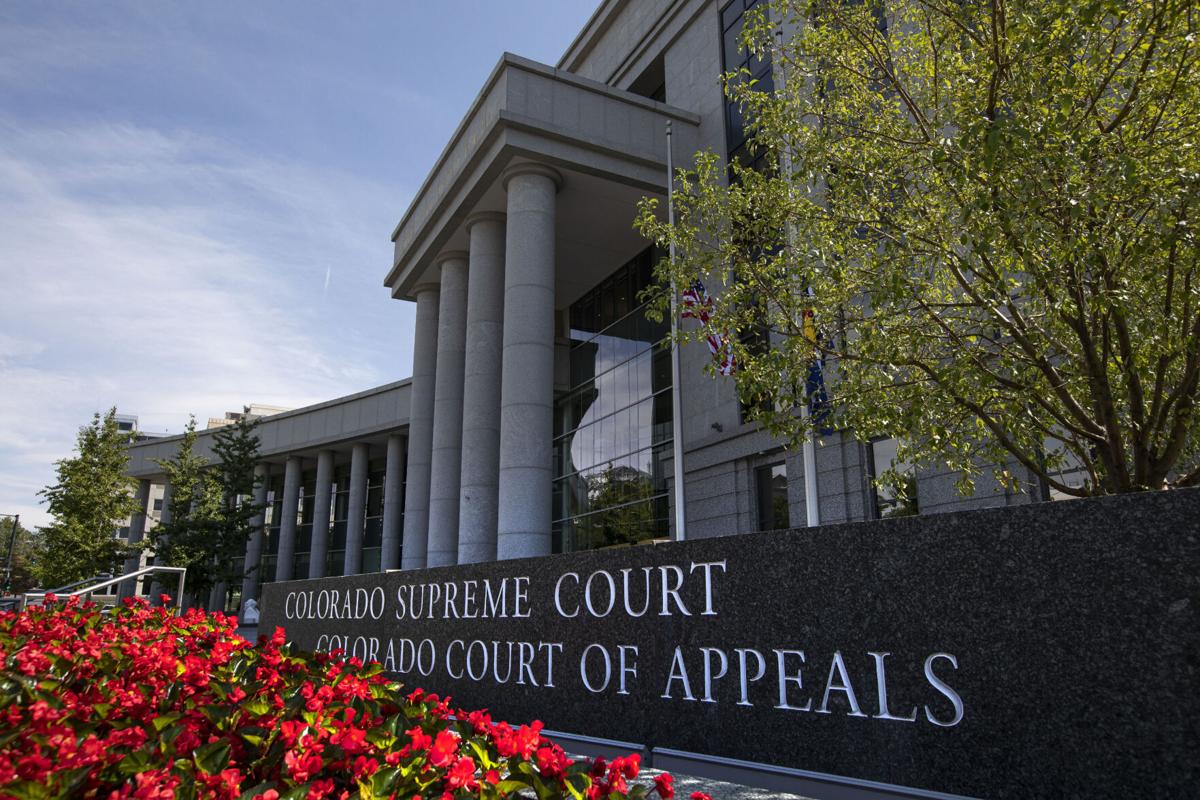
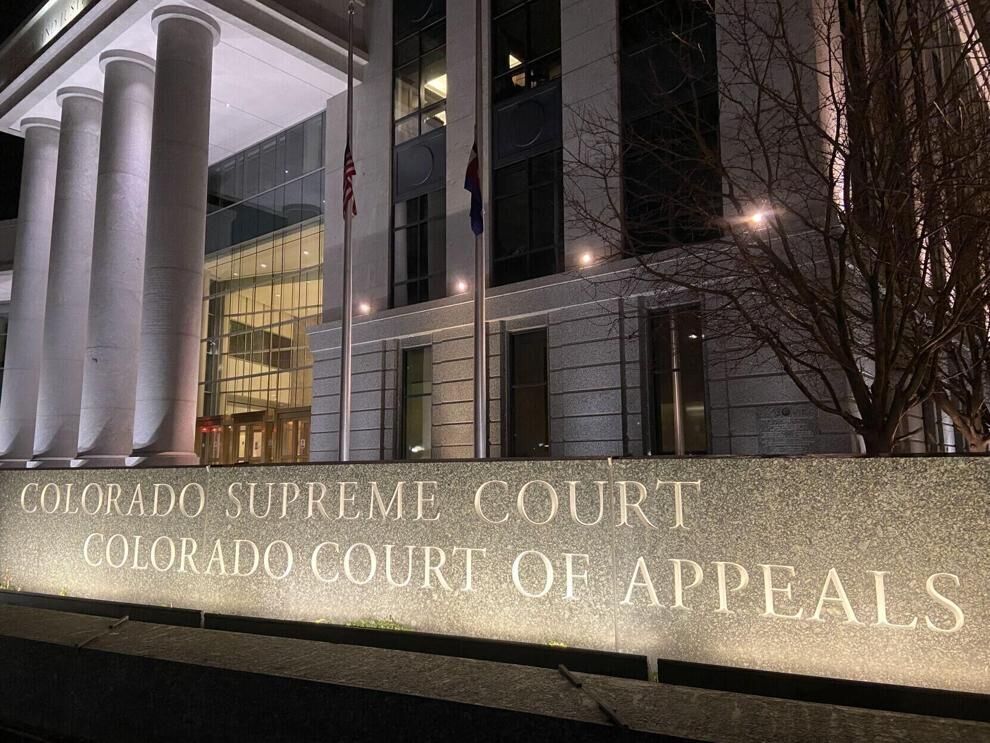
FILE PHOTO: The Ralph L. Carr Colorado Judicial Center, on Tuesday, Sept. 13, 2022, in Denver, Colo. (Timothy Hurst/The Denver Gazette)
Timothy Hurst/Denver Gazette

Months later, in fully resolving the case, Stevens once again referenced the altered email evidence, saying his prior decision-making was based on “incomplete information” that the Thurbers and Keiffer “concealed.”
“These non-disclosures caused a tremendous waste of Court resources and interfered with the natural progression of the history related to these properties not to mention the litigation,” he wrote.
The Brinkerhoffs and their company, JPD, then asked for attorney fees and costs based upon the other side’s conduct. Combined, they sought $857,945 from the Thurbers and Keiffer.
In a pair of July 2023 orders, Baum, who inherited the case after Stevens retired, granted the amount without elaboration and without a hearing. He clarified later that he based his decision on the case history and the information submitted with the request.
“No further factual findings are necessary,” he concluded.
The Thurbers and Keiffer appealed. They pointed out there were three paths for imposing sanctions:
• Colorado law, which requires that an attorney or litigant “expanded the proceeding by other improper conduct”
• The rules of civil procedure, which require “reasonable notice and an opportunity to be heard” before a finding of an evidentiary violation
• A judge’s “inherent power,” which, according to the U.S. Supreme Court, requires “a causal link between misconduct and fees”
“I think it’s a little bit hard for us to assess whether the trial court erred or not without sort of knowing the legal and factual basis,” observed Judge Katharine E. Lum during oral arguments to the appellate panel last month.
“We’re not arguing for kind of a holiday or for you to reach a conclusion that there was no lawyer misconduct,” said attorney Troy R. Rackham, representing the Thurbers and Keiffer. Instead, Baum had simply imposed the sanction in the wrong way.
The appellate panel agreed.
“It’s possible that the trial court granted the motions for sanctions on one or more of these grounds,” wrote Gomez. But “regardless of which legal basis (or bases) the court may have intended to rely on, it needed to make some factual findings to justify the sanctions ordered.”
The panel directed Baum to redo his sanctions orders.
The case is Brinkerhoff et al. v. Thurber et al.

10th Circuit sympathetic to Colorado consumer protection law governing interest rates
Michael Karlik
michael.karlik@coloradopolitics.com
Updated 14 hours ago
Members of the Denver-based federal appeals court appeared sympathetic on Tuesday to Colorado’s assertion that it can lawfully require certain out-of-state banks to abide by the state’s own ceilings on interest rates when they lend to consumers in Colorado. The...

Colorado justices to decide insurance companies’ obligation to disclose relevant policies
Michael Karlik
michael.karlik@coloradopolitics.com
Updated 12 hours ago
The Colorado Supreme Court announced on Monday that it will decide whether an insurance company violated state law by withholding an at-fault driver’s policy for nearly a year when there was no dispute that the policy was not in effect...

Judicial performance evaluations released, Montezuma County judge disciplined | COURT CRAWL
Michael Karlik
michael.karlik@coloradopolitics.com
Updated 1 day ago
Welcome to Court Crawl, Colorado Politics’ roundup of news from the third branch of government. Colorado’s citizen-led judicial performance commissions released their voter narratives for the judges standing for retention in November, plus a disciplinary panel imposed consequences on a...

DA justifies CSPD officers in fatally shooting man at McDonald’s
Cleo Westin
cleo-westin@coloradopolitics.com
Updated 16 hours ago
The deadly shooting of a man by Colorado Springs police officers at a McDonald’s was ruled justified by the 4th Judicial District Attorney’s Office on Monday, the office announced in a news release. The ruling determined officers Daniel White, Mitchell...
Federal judge holds off on dismissing formerly bankrupt medical contractor from Jeffco jail death lawsuit
Michael Karlik
michael.karlik@coloradopolitics.com
Updated 12 hours ago
A federal judge declined on Monday to dismiss the formerly bankrupt medical contractor from a lawsuit over a detainee’s death in Jefferson County jail, but indicated she would do so if the plaintiffs’ attorneys go through the process to ensure...

Castle Rock caregiver sentenced after stealing more than $110,000 in jewelry from family
Nicholas Fogleman
nicholas.fogleman@denvergazette.com
Updated 18 hours ago
A judge sentenced a Castle Rock caregiver to 90 days in jail after she pleaded guilty to stealing more than $110,000 worth of jewelry from the family of a disabled son under her care. Elsa Montejo-Fuentes, 32, had worked for...
Federal judge green-lights excessive force, retaliation claims for trial against Fort Collins officers
Michael Karlik
michael.karlik@coloradopolitics.com
Updated 3 days ago
A federal judge green-lit a jury trial last week against multiple Fort Collins police officers on claims that they used excessive force on one man who was standing unarmed in his underwear, and retaliated against another man for exercising his...
10th Circuit revives wage violation lawsuit against Papa John’s operator
Michael Karlik
michael.karlik@coloradopolitics.com
Updated 4 days ago
The Denver-based federal appeals court on Tuesday reinstated a former Papa John’s delivery driver’s lawsuit alleging violations of federal and state wage law. Steve Mighell worked for one month at a Denver Papa John’s location in summer 2023. He alleged...
Colorado appeals judge’s delays in releasing opinions noted by performance commission
Michael Karlik
michael.karlik@coloradopolitics.com
Updated 3 days ago
The citizen-led performance commission that provides guidance to voters about whether to retain members of Colorado’s second-highest court raised concerns by judges and attorneys that Judge Elizabeth L. Harris sometimes struggles with releasing opinions promptly. Harris, who joined the Court...

Colorado judge explores sanctions against DOJ, ICE for rearresting man 4 days after release on bond
Michael Karlik
michael.karlik@coloradopolitics.com
Updated 5 days ago
A federal judge in Colorado is considering sanctions against the government after immigration agents rearrested a man four days after an immigration judge found him suitable for release on bond. On July 28, U.S. Magistrate Judge N. Reid Neureiter ordered...