

The keystone species needing protection from Polis? The Colorado rancher | GABEL
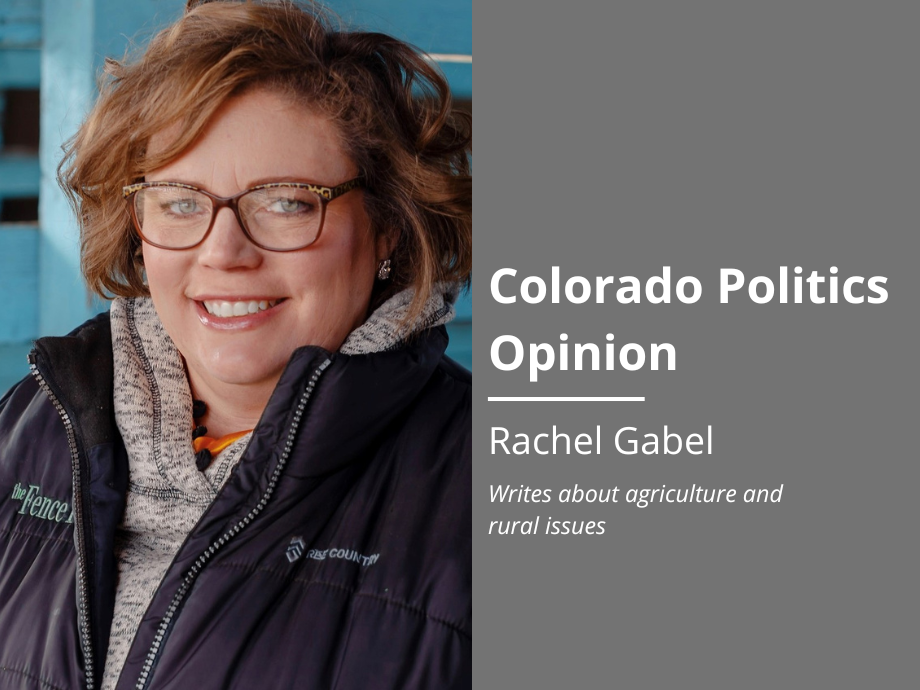
Rachel Gabel

By placing one of his cronies in control of the State Land Board’s 2.8 million surface acres and 4.0 million mineral estate acres, the last thing standing between Gov. Jared Polis and his renewable energy goals — production agriculture — can be hamstrung. His appointment of Nicole Rosmarino as the new SLB director will solidify him as the nation’s most anti-rural, anti-agriculture governor.
According to an email sent May 13, by Department of Natural Resources Director Dan Gibbs, Rosmarino is the sole finalist for the director of the agency that is the state’s second-largest landowner. Gibbs said, per statute, the board provides public notice for 14 days prior to a formal appointment which will occur at the next regularly scheduled public board meeting, which is June 11-12 in Denver. An email sent to DNR garnered no response.
The mission of the SLB is to generate reasonable and consistent income over time and protect and enhance the long-term productivity and sound stewardship of working trust lands, both for the financial support of Colorado public schools. The SLB does that through leasing their trust lands for agriculture, commercial real estate, ecosystem services, mining, oil-and-gas development, recreation, renewable energy, rights-of-way, tower sites and water. Part of the second goal of SLB is to support future generations of agriculture lessees.
Stay up to speed: Sign up for daily opinion in your inbox Monday-Friday
Rosmarino, who I have criticized as one of Gov. Polis and First Gentleman Marlon Reis’ cronies, is, ironically enough, the governor’s policy advisor for Wildlife, Agriculture and Rural Economic Development. She is a board member of The Rewilding Institute’s Rewilding Leadership Council and founded the Southern Plains Land Trust, of which she is the executive director. She was previously a scientist (wildlife program director) with Wild Earth Guardians.
Jay Tutchton, a Polis appointee to the Colorado Parks and Wildlife Commission, was previously an attorney for EARTHLAW that represented groups including Center for Biological Diversity, Sierra Club, Public Employees for Environmental Responsibility, Wild Earth Guardians, Friends of the Earth and others. Tutchton works at the Southern Plains Land Trust which was founded by Rosmarino. SPLT has received $1.3 million in funds from lottery proceeds via Great Outdoors Colorado (GOCO). Follow the money, as they say.
Rewilding is purchasing agricultural land, preferably contiguous, to return it to what advocates have called the “American Serengeti.” In an earlier iteration it was called Buffalo Commons. Ranches to purchase and convert to private wildlife refuges are ripe for the picking, as she wrote in Bringing Back the American Serengeti, “given the region has seen declining human populations since the Dust Bowl of the 1930s, much of the habitat remains intact, and land prices are low.”
In Montana, the early leaders of the former American Prairie Reserve, similar in goals to SPLT, began purchasing ranches to “save” the land. The connotation was their intent was to save the land from the ranchers, many of whom were conserving and managing the land for generations. It was a complicated position for ranchers who believe in private property rights. They support their neighbor’s ability to sell the ranch to whomever they wish. They also pray it won’t be to the rewilding groups. The tension continues to roil in Montana as APR purchases ranches far above the value a buyer who isn’t backed by philanthropists’ millions can afford. And rural communities lose.
According to Rosmarino, public lands in the southern Great Plains are insufficient to preserve biodiversity: “as they are broadly utilized for livestock grazing and energy development, 90% of the land within our region is private, and the wildlife is often heavily hunted on public and private lands alike. Large-scale private refuges are vital to prevent the conversion of native grasslands to crop agriculture, energy development and other land uses that would irreversibly alter shortgrass prairie plant communities.”
Stripping agriculture and oil-and-gas lessees of their contracts with Rosmarino at the helm would kick wide open the door to renewable lessees. That would leave the surface acres ready to rewild and convert to ecotourism destinations. And rural communities lose.
Taking agricultural lands out of production starves rural communities through decreased tax revenue and fewer ag dollars circulating in the communities, from the feed dealer right down to the steak fry to benefit the local FFA chapter. It is cows that build towns in rural areas, not billionaires or prairie dogs or wind turbines. Perhaps the keystone species most in need of protection from the wildly inappropriate string of appointments from the governor’s office is the Colorado rancher.
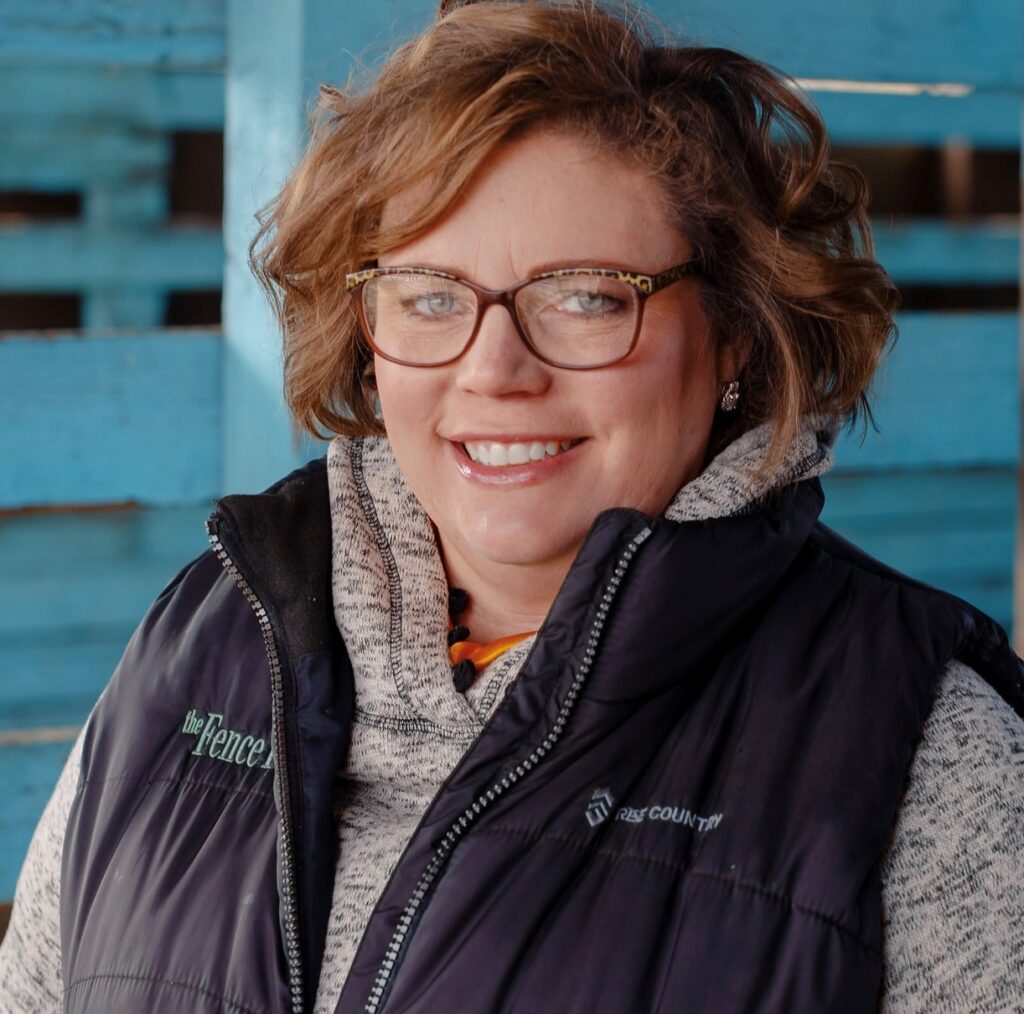
Rachel Gabel writes about agriculture and rural issues. She is assistant editor of The Fence Post Magazine, the region’s preeminent agriculture publication. Gabel is a daughter of the state’s oil and gas industry and a member of one of the state’s 12,000 cattle-raising families, and she has authored children’s books used in hundreds of classrooms to teach students about agriculture.
Colorado Politics Must-Reads:

Don’t trade away our TABOR refunds | PODIUM
Barb Kirkmeyer
barb-kirkmeyer@gazette.com
Updated 10 hours ago
Here we go again — tax-and-spend politicians going in the wrong direction. Colorado families are being asked to believe a familiar lie: the only way to fund education is to let politicians keep more of your money — forever. Proposition...
Trump’s ‘BBB’ casts aside rural Colorado healthcare | Hal Bidlack
Hal Bidlack
hal-bidlack@coloradopolitics.com
Updated 1 day ago
Well, as I often do, let me start by yet again telling you what I am not going to be writing about (Editor: sigh…). I’m not going to talk about President Donald Trump’s most recent (of many, many) attacks on...

A course correction Canada would concur with | Miller Hudson
Miller Hudson
miller-hudson@coloradopolitics.com
Updated 4 days ago
I’ve always harbored a soft spot for Canada. My father was stationed there twice, once in the 1960s as the Atomic Energy Commission’s American liaison with the Canadian nuclear reactor program in Chalk River, Ontario and again in the 1970s...
Private property rights challenge rural Colorado communities | Rachel Gabel
Rachel Gabel
rachel-gabel@coloradopolitics.com
Updated 4 days ago
If there were ever a topic I believe deeply in, it’s private property rights. If there were ever a topic that leaves me in a moral conundrum more often than not, it’s private property rights. The northern portion of Weld...

Gaylord — you never check in, but still pay | Jon Caldara
Jon Caldara
jon-caldara@coloradopolitics.com
Updated 6 days ago
I go to a lot of conferences, often in beautiful cities I never actually see. Friends hear where I’ve been and ask depressing questions like, “Did you visit the famous museum?” No. I saw Ballroom C, the lobby bar and...
Reflections on Weiser-Lopez, Crank-Killian debates | Tom Cronin
Tom Cronin
tom-cronin@coloradopolitics.com
Updated 4 days ago
Thursday night, The Gazette and KOAA TV hosted two important candidate debates. The first featured incumbent Republican U.S. Rep. Jeff Crank, who is just completing his first term representing El Paso County in Congress, and Jessica Killian, a Democrat who has...

What courageous citizenship really looks like | Vince Bzdek
Vince Bzdek
vince.bzdek@gazette.com
Updated 4 days ago
By Vince Bzdek What exactly is courage? Ernest Hemingway famously called it grace under pressure. Mark Twain wrote that “courage is resistance to fear, mastery of fear — not absence of fear.” C.S. Lewis refined that even more: “Courage is...

The coming election and mischief in the making | SONDERMANN
Eric Sondermann
eric-sondermann@coloradopolitics.com
Updated 7 days ago
America’s tribalism is such these days that we struggle to even agree on the basic rules. Elections have always been hotly contested. As the saying goes, “Politics ain’t beanbag.” The process has long involved elements of nastiness and underhanded conduct....
Colorado’s hunting and fishing traditions rest on science, conservation and a proven heritage | IN RESPONSE
Colorado Politics
colorado-politics@coloradopolitics.com
Updated 5 days ago
By John Howard Eric Washburn’s recent column warns Coloradans the right to hunt and fish amendment is a Trojan horse designed to resurrect “cruel” practices voters have already banned and to elevate killing above every other form of wildlife management....
Why does Colorado limit who can safeguard taxpayer dollars? | GUEST COLUMN
Colorado Politics
colorado-politics@coloradopolitics.com
Updated 5 days ago
By Devin Camacho Recently, PNC Bank announced its purchase of FirstBank Colorado. Not only did Colorado lose a local banking option, but nearly 1,000 people lost jobs, with more job losses coming as the big bank now closes branches too....