

Fixing problems that don’t exist | BIDLACK
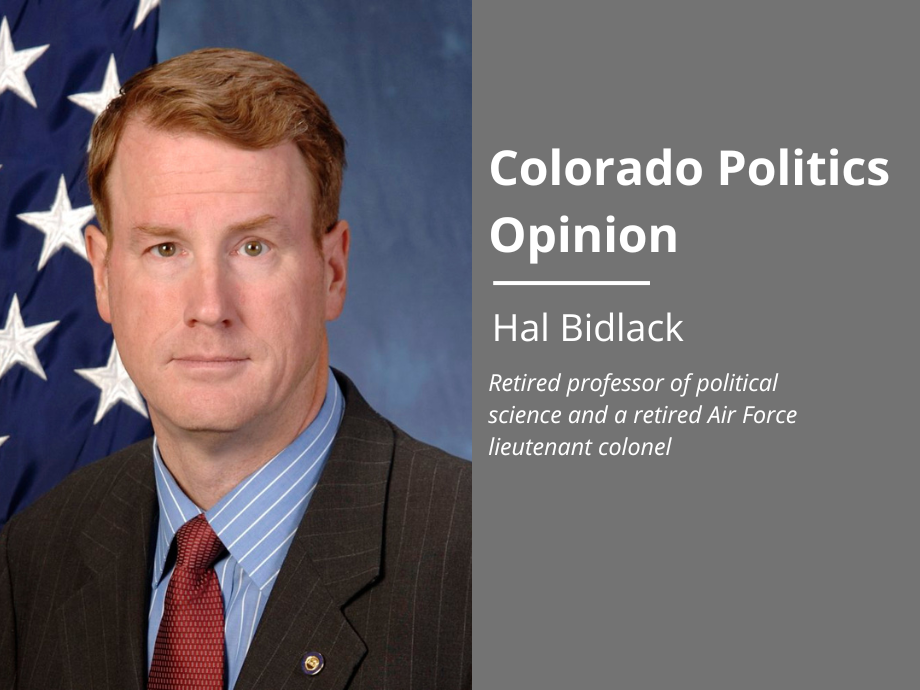
Hal Bidlack

As I’ve mentioned before, back in 1981 when my late first wife and I registered to vote as Democrats in Wyoming, the clerk joked we increased the number of Dems in Wyoming by a third. It’s not quite that bad, but clearly the GOP-dominated state government wants to make sure no Dems gain actual power. As noted in Colorado Politics, the Wyoming legislature passed a bill, and the Republican governor allowed it to become law without his signature, that requires proof of citizenship to register to vote. It also requires an applicant to have lived in Wyoming for 30 days prior to the registration attempt, and this portion of the bill is likely unconstitutional, and is the reason the governor refused to sign it.
This makes Wyoming the first state in the nation to require proof of citizenship to vote in all elections. This again is an effort by the GOP to solve a problem that doesn’t exist. If you actually research a bit, you will find voter fraud is incredibly rare. The MAGA folks would like you to believe illegal immigrants are lining up to cast illegitimate votes, but that’s simply not the fact. Do you really think people who are in the country illegally would voluntarily go to a government office and identify themselves?
No, they don’t.
Back when I ran for Congress in 2008, I asked the then-Colorado Secretary of State about voter fraud and he told me they had identified exactly 12 cases of illegal voting in the previous election, and all 12 were elderly Republican women who moved to warmer states, but had not remembered to cancel their registrations in Colorado, and thus got ballots from Colorado and from their new home state, often Florida, and they voted twice.
Stay up to speed: Sign up for daily opinion in your inbox Monday-Friday
No, the reason the GOP wants all this so-called voter integrity stuff is because they know on the issues they lose. Not always, but often. Only through voter suppression and gerrymandering can the GOP keep, say, the U.S. House and a bunch of state legislatures. Scream about illegals voting and you can make it harder for legitimate voters in certain groups that trend Democrat to vote. It’s shameful, but it is the political reality of our day.
Just to show my bipartisanship, let’s hop over to New Mexico, where I can criticize the Democratic governor, who took a step that, as a retired career military officer, really bothers me. Gov. Michelle Grisham recently took an action that feels like it runs right up to some important safeguards, and I worry might go too far. Gov. Grisham ordered up a few dozen National Guard troops to be used in response to her declaration of a state of emergency in Albuquerque, due to an increase in crime.
She has directed the troops will be deployed along the old Route 66 corridor starting in May. The police chief stated the troops will allow his law enforcement officers to focus more on actual police work such as arrests, while the troops will take up the load on things like securing crime scenes, distributing food and supplies to homeless folks, transporting prisoners around and providing security at court houses.
Now, I get the idea here. Heck, I was a military cop myself, and I know military cops from the National Guard will be very helpful. And these are state guard troops, not national military members. The Posse Comitatus Act of 1878 specifically removes the national military from police work, and that’s a good thing. We don’t want the U.S. military empowered to make arrests and take people off the streets, especially under this current president.
The actions in New Mexico are understandable, and are likely OK legally, but they do seem to me to brush up pretty close to Posse Comitatus concerns. In an age when ICE personnel, dressed in black with no identifying badges worn, can take alleged problem immigrants off the streets, it is time to be more, not less, careful about the use of uniformed military folks at any level in civilian affairs. Of course, I don’t have a better option to offer the governor, but I do hope the deployments are as brief as possible and are carefully monitored.
Lastly, let’s chat about an ongoing pipeline issue here in the western U.S. You do not have to go back too far in our history to find major protests of various proposed pipeline projects in the west, and there are certainly proposed pipelines that should never be built, for a variety of reasons. But pipelines tend to be just about the safest and least environmentally impactful method out there to transport oil and natural gas. There are nearly 200 oil pipelines operating in the U.S. and another 210 or so natural gas pipelines, the latter covering some 3 million miles of pipes. And though every proposed pipeline should be debated earnestly, I admit to being a tad confused by what’s going on in South Dakota, a deeply red state.
There is a proposed pipeline that would carry, not oil or gas, but rather captured carbon emissions from ethanol plants in Iowa, Minnesota, Nebraska, North Dakota and South Dakota to a deep underground storage facility in North Dakota, where the emissions would be permanently stored. This is an eco-friendly pipeline. Everyone appears onboard except for South Dakota. A new law in that state banned the use of eminent domain specifically for carbon capture projects. In other words, eminent domain could be used for an oil pipeline, but make it an environmental project and the law says no.
That’s about as cynical a law as I can imagine, and I can only hope the members of the legislature will come to their senses. Permanent sequestration of carbon emissions is a good thing, and South Dakota appears intent on standing in the way of this billion-dollar project.
We’ll see what happens, stay tuned.
Hal Bidlack is a retired professor of political science and a retired Air Force lieutenant colonel who taught more than 17 years at the U.S. Air Force Academy in Colorado Springs.


25 lessons and wishes to celebrate America’s 250th | SONDERMANN
By Eric Sondermann
by-eric-sondermann@coloradopolitics.com
Updated 3 days ago
The 250th celebration of America’s birth is upon us. There is undoubtedly much to salute. Despite plenty of strife and discontent at home, America remains a beacon to much of the world. The wisdom of our founders has largely withstood...
Our legislature’s mission — absolve criminal conduct | George Brauchler
George Brauchler
george-brauchler@gazette.com
Updated 2 days ago
As the dust settles on a primary election that should alert Coloradans to the downward dive public safety may take in November — our current attorney general and secretary of state have presided over a state that is now America’s...
Telling themes to take away from Tuesday’s primary elections | Paula Noonan
Paula Noonan
paula-noonan@coloradopolitics.com
Updated 2 days ago
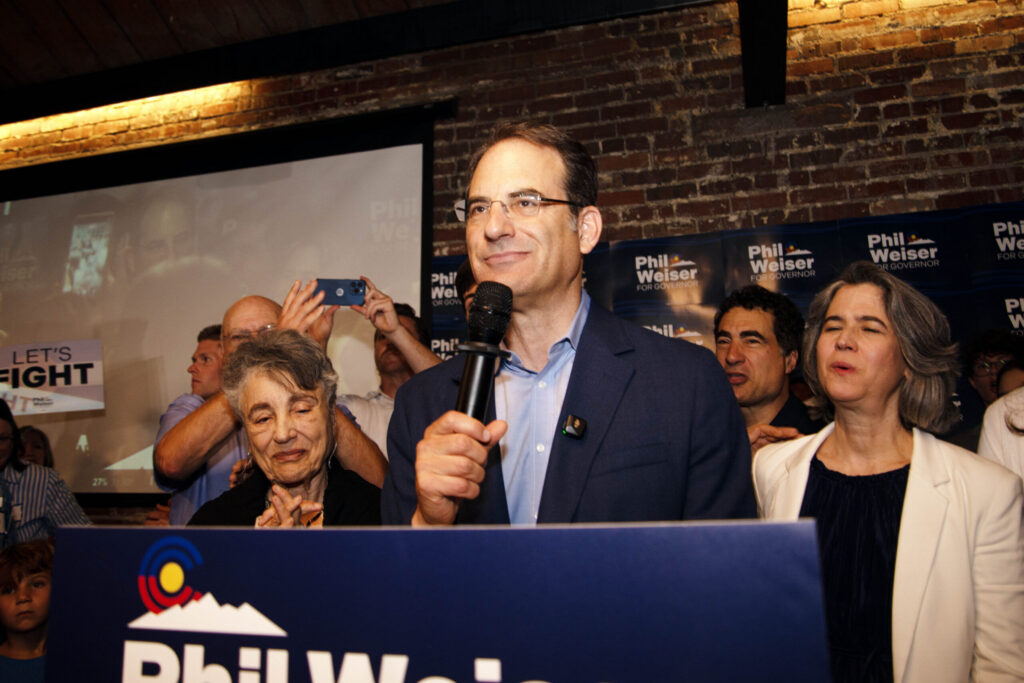
Let’s be clear about how Colorado’s primaries arrived at these unexpected results. The most significant voting cohorts on both the Democratic and Republican sides were women from 65 to 75-plus. These senior women voters selected Phil Weiser and have given...

Aurora Mayor Mike Coffman on what sleeping in a homeless shelter is teaching him | The OpEdge Podcast
Tony Olivero
tony.olivero@gazette.com
Updated 3 days ago
Aurora Mayor Mike Coffman joins The OpEdge to explore why he’s spent every Friday night since February sleeping at a homeless shelter. Coffman tells host and investigative columnist Jimmy Sengenberger what the experience is teaching him about homelessness, why he...
Landlocked Colorado’s sea-change primary | ANALYSIS
By Eric Sondermann
by-eric-sondermann@coloradopolitics.com
Updated 2 days ago
Colorado’s primary elections held in the doldrums of early summer tend to be routine affairs, most often predictable and by the book. Tuesday’s battlefield was anything but. It is no exaggeration to call it a sea change. Its ripples will...
If we lose our coverage, we lose our lives | PODIUM
Colorado Politics
colorado-politics@coloradopolitics.com
Updated 2 days ago
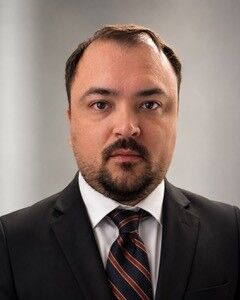
By Thomas Buckley My oncologist asked: “Polycythemia Vera. Do you know what that means?” Earlier, I lived in blissful ignorance, unaware I potentially carried a myeloproliferative neoplasm encoded within my DNA. “Yes,” I answered, “A rare form of blood cancer,...
Leading Colorado toward modern mental health solutions | GUEST COLUMN
Colorado Politics
colorado-politics@coloradopolitics.com
Updated 5 days ago
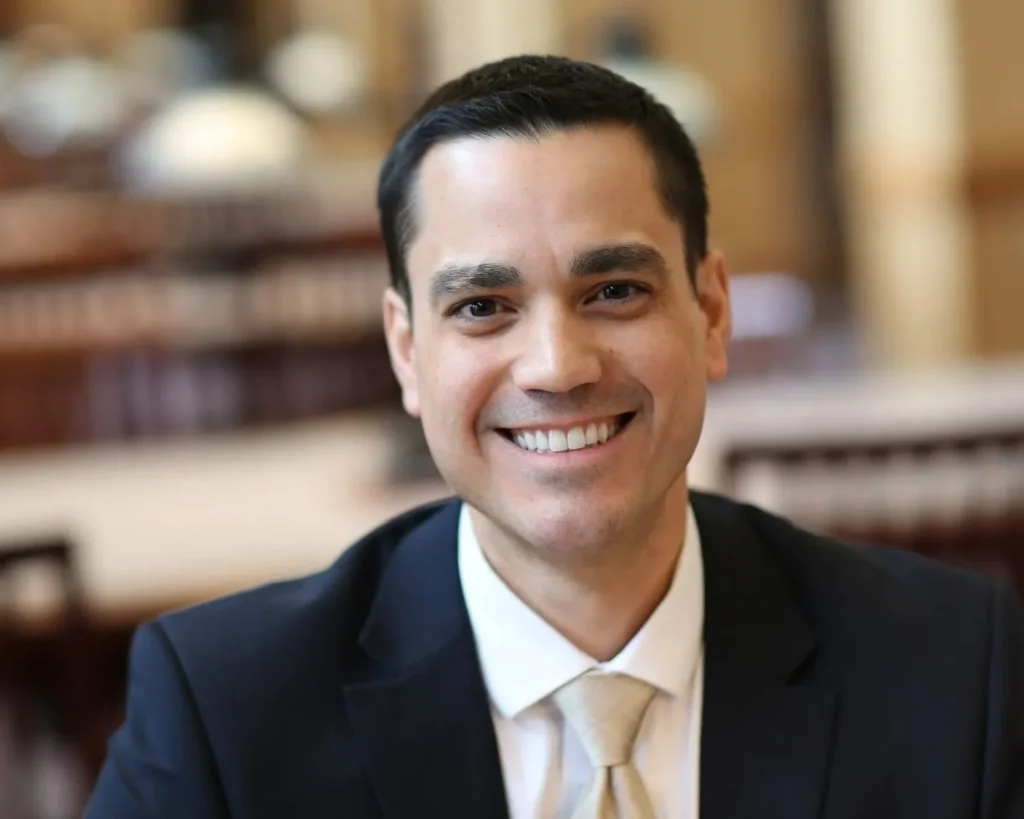
By Sean Camacho America is facing a silent crisis. Millions of Americans are living with invisible illnesses like generalized anxiety disorder (GAD), major depressive disorder (MDD), and post-traumatic stress disorder (PTSD), which decrease quality of life and, amid limited treatment...
Colorado’s workers can’t afford a decline in tourism | GUEST COLUMN
Colorado Politics
colorado-politics@coloradopolitics.com
Updated 5 days ago
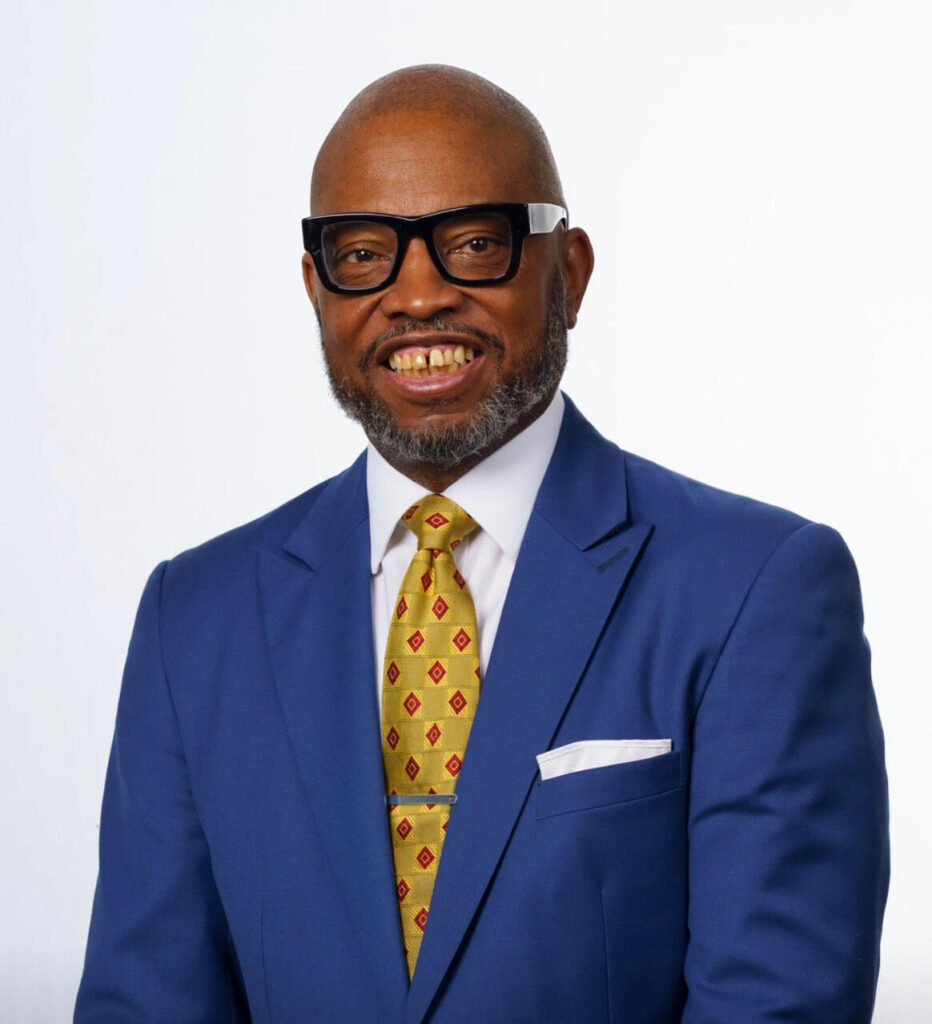
By Terrance Carroll Work is about more than a paycheck. It is about dignity, stability and the ability to build a life, to provide for family, to contribute to community, and to move forward with purpose. That is why we...

Add Lynn Bartels to Colorado’s roll call of legends | Dick Wadhams
Dick Wadhams
dick-wadhams@coloradopolitics.com
Updated 6 days ago
A few weeks after the Rocky Mountain News shut its doors forever in 2009, more than 600 Republicans gathered for the state party’s annual Centennial Dinner. Lamenting the historic significance of the loss of one of Colorado’s great daily newspapers,...

Conservation efforts emphasize the lesser prairie chicken | Rachel Gabel
Rachel Gabel
rachel-gabel@coloradopolitics.com
Updated 6 days ago
Reid DeWalt, deputy director of Colorado Parks and Wildlife, spoke to the Water Resources and Agriculture Review Committee about the Lesser Prairie Chicken and moving conservation forward. He said in 2026, CPW staff counted 77 males on 13 leks, a...