

Colorado Supreme Court’s rules for disability accommodations on bar exam face criticism
The Colorado Supreme Court last week adopted new rules for applicants to receive disability-based accommodations when taking the standardized test to become an attorney or legal paraprofessional, but advocates for revamping the process remain concerned about the hurdles for doing so.
Last year, the General Assembly enacted a law to address concerns that professional licensing examinations were failing to accommodate disabled test-takers in a straightforward fashion. Although the legislation requires a medical professional to weigh in on the accommodation request, the Supreme Court received multiple written comments observing its proposed change would impose far higher burdens on applicants to justify their accommodation.
Despite hearing that the draft rules unnecessarily required applicants to prove their disability to bar exam administrators, the final version of the rule left the required level of documentation unchanged.
“I am concerned that the rule adds extra requirements for someone to prove why they need an accommodation and asks for determinations that may go beyond the scope of a treating medical professional’s expertise,” said Sen. Dylan Roberts, D-Summit County, who sponsored the 2024 law to clarify the process for disability accommodations. “This rule appears to be adding hurdles to a disabled bar applicant taking the bar exam when the intent of the bill was to eliminate hurdles for disabled applicants. “
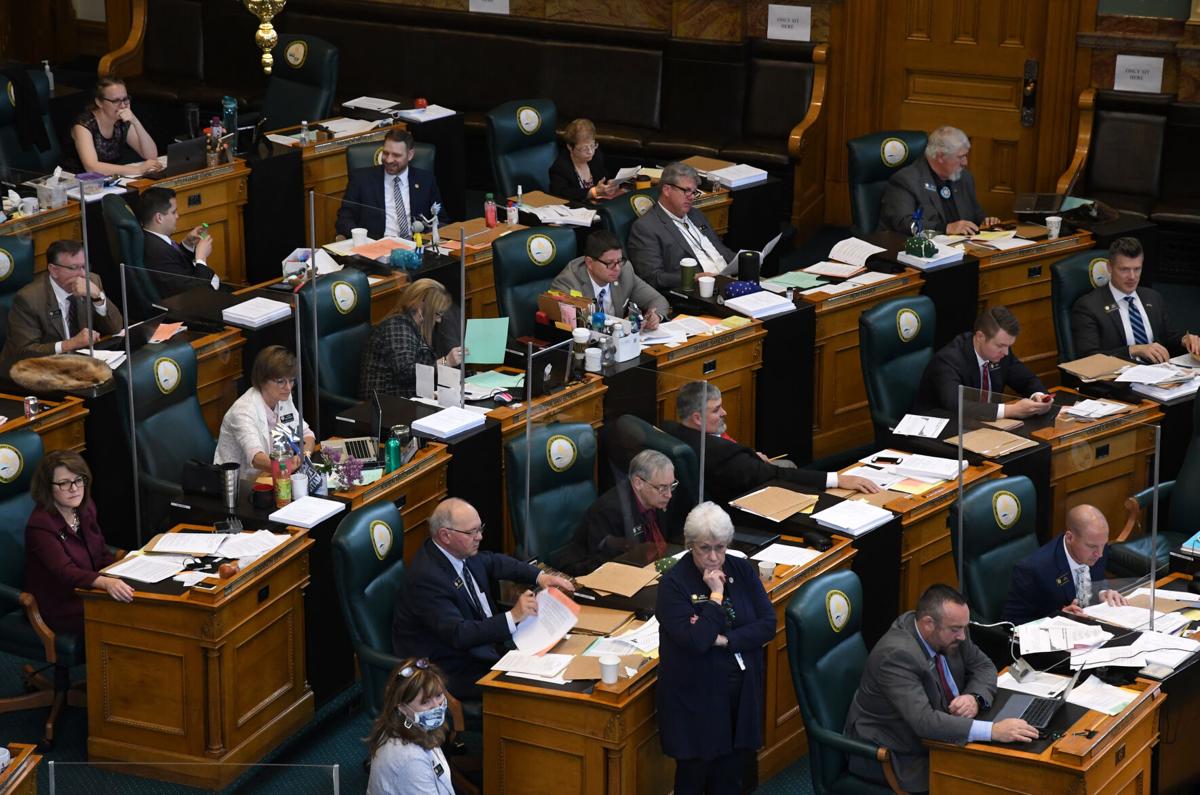
DENVER, CO - MAY 21: Members of the House of Representatives gather at the desks for the day’s session on May 21, 2021 in Denver, Colorado. With only weeks left in the Colorado State Legislature regular session, many walking around the building are no longer wearing masks or social distancing. The Plexiglass dividers have been removed between the desks in the Senate, with a number also removed in the House, while some traditions have not yet returned to normal. (Photo By Kathryn Scott)
Kathryn Scott

The rule encompasses a multi-step plan for applicants with disabilities to request accommodations when seeking admission to the practice of law in Colorado, including the bar exam for attorneys and the LLP exam for licensed legal paraprofessionals.
There are two ways to obtain testing accommodations: provide documentation of accommodations received on prior standardized tests, like the SAT, or obtain materials from a medical professional explaining in detail why a given accommodation is necessary to ensure an applicant has equal access compared to non-disabled test-takers.
During a public comment hearing in December, several students told the justices they may ultimately be unable to practice law in Colorado because the accommodations they received in law school for their documented disabilities might be frowned upon by bar examiners.
“It seems that Colorado, my home state, has proven skeptical and inconsiderate to the legitimacy of my needs and the disabled community’s needs,” said fourth-year law student Marisa Olivas. “We want to be heard and believed when we share our stories. Not put under a microscope or to have to jump through hoops.”
Jessica Yates, the head of Colorado’s attorney regulation office, contended there was a “misunderstanding” about the process of granting disability accommodations, and she acknowledged some letters of denial had historically taken a “not particularly friendly” tone.
“One of the things that we have heard feedback on is that our letters, at times, sounded like, ‘We don’t believe you.’ And we do want to get away from that language and that tone,” Yates said.
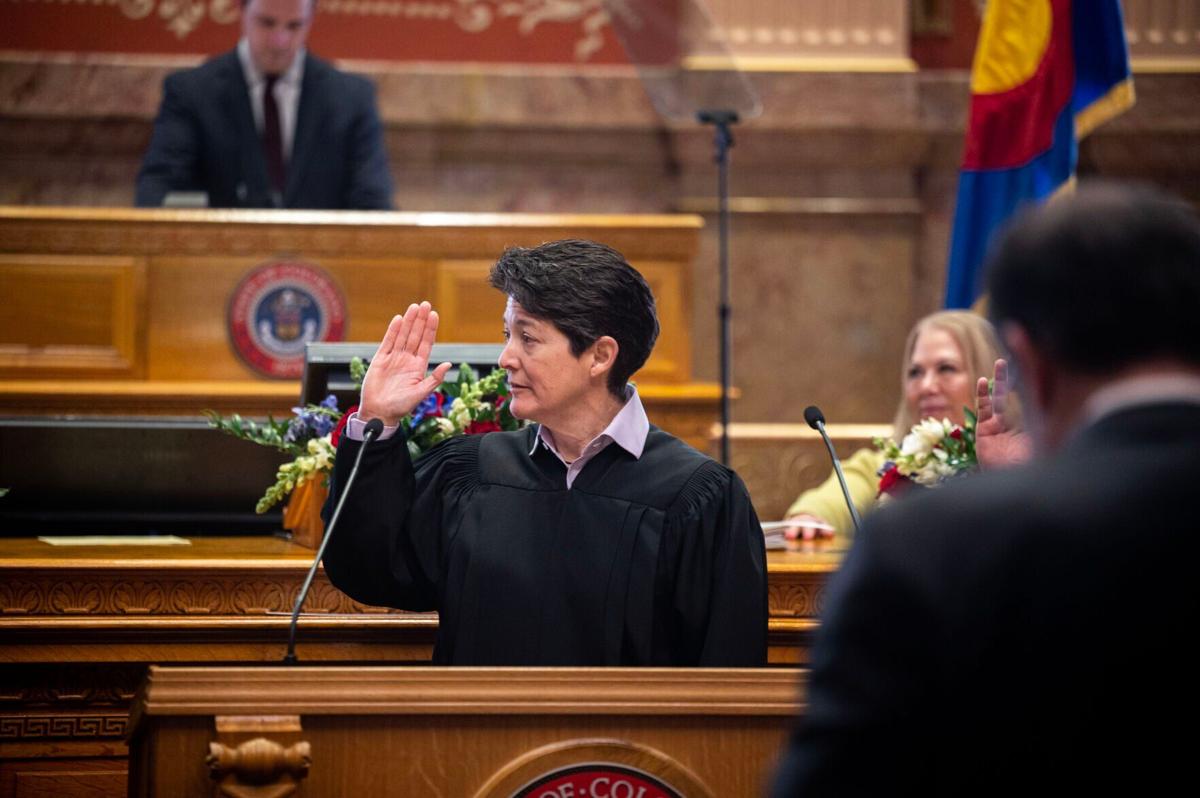
Monica M. Márquez, Chief Justice of the Colorado Supreme Court, administers the oath of office to newly elected representatives on the floor of the Colorado House of Representatives on the first day of the 2025 legislative session at the State Capitol on Wednesday, Jan. 8, 2025. (Stephen Swofford, Denver Gazette)
Stephen Swofford/ Denver Gazette

However, the rule as adopted would require an applicant’s treating physician to identify the disability, explain why an accommodation must be offered, recommend a specific accommodation, and provide enough information for regulators to “understand the basis” for the request.
In contrast, House Bill 1342 enacted last year only requires a medical professional to recommend an accommodation.
“The problem with the Supreme Court rule as written is that it will ensure Colorado continues to have the worst rates of ADA (Americans with Disabilities Act) accommodations among the states on the uniform bar exam,” said Rep. Matt Soper, R-Delta, who also sponsored the bill.
“Colorado has a lawyer shortage, especially in rural Colorado,” he continued, “and making the bar more inaccessible for individuals with learning disabilities only compounds the problem.”
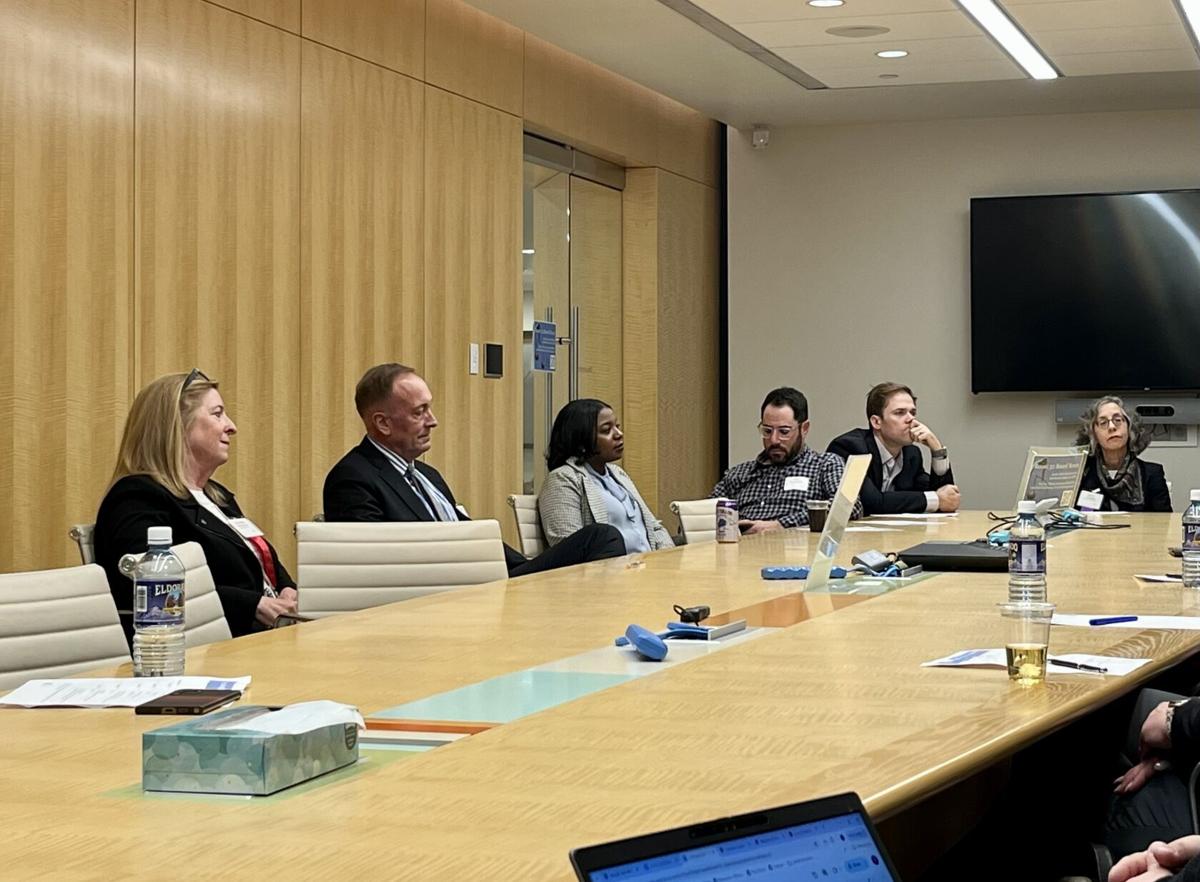
At left, Justice Maria E. Berkenkotter and Denver District Court Judge J. Eric Elliff speak to lawyers at the offices of Holland & Hart in Denver on Feb. 26, 2025. The discussion was sponsored by the Colorado Judicial Institute.
Michael Karlik michael.karlik@coloradopolitics.com

Sara Pielsticker, an attorney with Disability Law Colorado, called the Supreme Court’s attention during the rulemaking process to the “more demanding” requirements for applicants to prove their need for accommodations under the proposed rule compared with HB 1342. She believes the rule as adopted continues to impose higher hurdles than lawmakers intended.
“The goal of the recently implemented state law was to reduce documentation needed by people with disabilities who often spend thousands of dollars per standardized test to obtain different or additional evaluations,” she said. But the new rule gives attorney regulators an “opportunity to deny accommodation requests at their discretion. We are concerned this does not conform with the language or intent of the new law.”
Spencer Kontnik, an attorney with a hearing disability, has twice sued the Office of Attorney Regulation Counsel on behalf of disabled bar applicants. In one instance, an applicant with macular degeneration and ADHD received a doctor’s recommendation for larger font, a quiet testing environment and 50% extra time. The office’s own “retained experts” later concluded the applicant had “not shown that he is disabled or entitled to accommodations.”
Denver District Court Judge Mark T. Bailey ordered bar examiners to grant the recommended accommodations last February, reasoning that “the individuals most qualified to opine as to (the applicant’s) medical conditions, and the accommodations he requires, are his treating providers.”
Kontnik told Colorado Politics the Supreme Court’s rules are “a step in the right direction,” but they do not change regulators’ ability to rely on their own experts to deny accommodations.
“This rule change won’t have much of an impact in these cases,” he said.

Federal judge green-lights civil trial against ex-Fort Collins DUI officer
Michael Karlik
michael.karlik@coloradopolitics.com
Updated 1 day ago
A federal judge ruled on Thursday that Fort Collins’ former “DUI officer” will face a civil trial for allegedly investigating a motorist for impaired driving without any reasonable suspicion to do so. In recent years, several people arrested by Officer...

Colorado Supreme Court suspends Mesa County judge pending misconduct investigation
Michael Karlik
michael.karlik@coloradopolitics.com
Updated 3 hours ago
The Colorado Supreme Court suspended Mesa County Court Judge Michael J. Grattan on Thursday amid a misconduct investigation. The court’s Sept. 10 order gave Grattan 21 days to explain why his paid suspension should not continue through the end of...
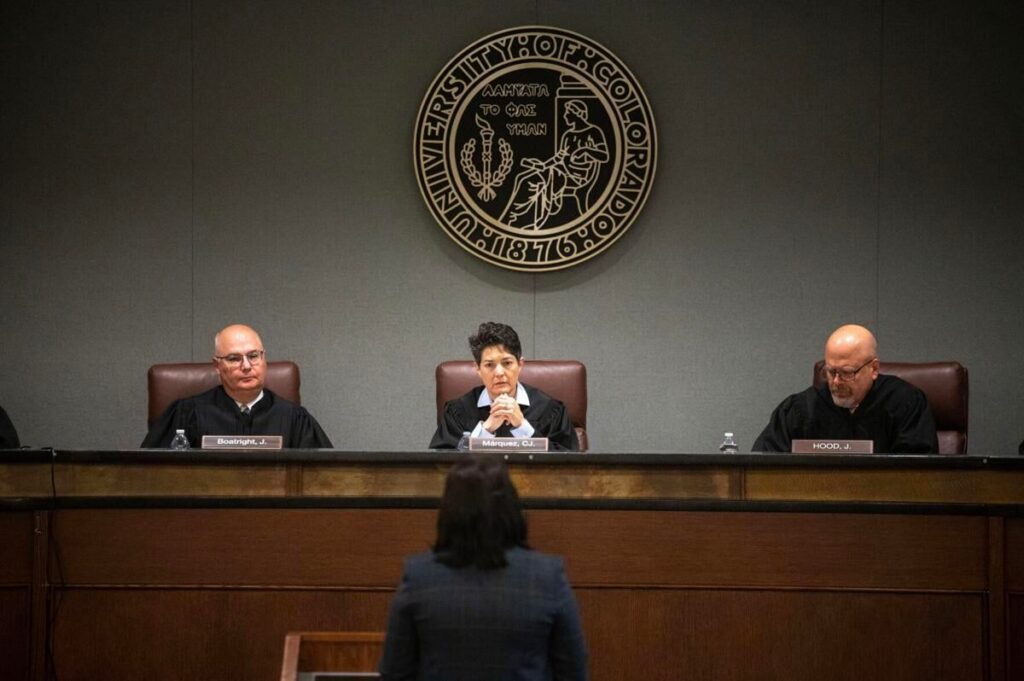
Colorado Supreme Court changes course, dismisses case about special district bonds
Michael Karlik
michael.karlik@coloradopolitics.com
Updated 3 hours ago
The Colorado Supreme Court declined on Friday to decide a dispute between a large-scale Commerce City development and the various districts financing it, after initially showing interest in the ongoing case. Colorado has roughly 2,800 special districts, which are local...
10th Circuit tosses GEO Group’s pretrial appeal in human trafficking lawsuit
Michael Karlik
michael.karlik@coloradopolitics.com
Updated 2 days ago
The Denver-based federal appeals court dismissed an attempt by The GEO Group on Wednesday to appeal a trial judge’s non-existent decision two months before the company is scheduled to face a civil trial over alleged trafficking violations at the Aurora...
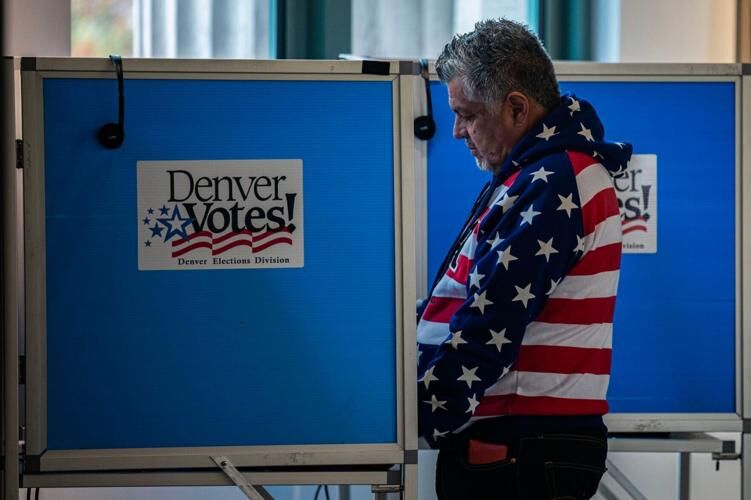
Denver sues Trump to block armed ICE agents from polling sites
Deborah Grigsby
deborah.smith@denvergazette.com
Updated 2 days ago
The city of Denver, along with several groups, sued the Trump administration Thursday, seeking to block U.S. Immigration and Customs Enforcement officers who are armed from polling sites during the upcoming midterm elections. In fact, there are no official orders...
Federal judge takes no action against ICE in Colorado after hearing about mistakes, not ‘blatant violations’
Michael Karlik
michael.karlik@coloradopolitics.com
Updated 39 minutes ago
A federal judge declined to take action against U.S. Immigration and Customs Enforcement on Thursday after hearing that a pattern of alleged lawbreaking amounted to mistakes and a misunderstanding of the government’s position in court. For nearly a year, Colorado’s...
Colorado doctors, dentists challenge state law on gender‑transition services in new federal lawsuit
Marissa Ventrelli
marissa.ventrelli@coloradopolitics.com
Updated 20 hours ago
A group of Christian doctors and dentists has filed a federal lawsuit challenging a Colorado law they say requires them to provide gender‑transition services that conflict with their religious and ethical beliefs. The lawsuit, filed by the Christian Medical and...
Federal judge directs plaintiff to revise complaint alleging Denver officers’ constitutional violations
Michael Karlik
michael.karlik@coloradopolitics.com
Updated 24 minutes ago
A federal judge directed a plaintiff to revise his allegations on Wednesday to more precisely state what two Denver officers and the city itself allegedly did to violate his constitutional rights by facilitating his prosecution for murder until prosecutors dropped...
Lawsuit challenges Douglas County commissioners’ ballot actions
Nicholas Fogleman
nicholas.fogleman@denvergazette.com
Updated 2 days ago
A new lawsuit against Douglas County commissioners seeks to invalidate the board’s intervention in efforts to expand the commission from three members to five and restore the original ballot language approved by more than 20,000 petition signers. The suit marks...
Federal judge explores new sanctions against ex-Colorado judicial discipline director
Michael Karlik
michael.karlik@coloradopolitics.com
Updated 3 hours ago
A federal judge on Wednesday directed Colorado’s former judicial discipline director, for the third time this year, to explain why she should not sanction him for his latest conduct in his litigation against the state’s judiciary. Christopher S.P. Gregory, who served...