

Utah governor signs collective bargaining ban for teachers, public safety unions | OUT WEST ROUNDUP
UTAH
Public employee collective bargaining banned
SALT LAKE CITY — Utah’s Republican governor on Feb. 14 signed a collective bargaining ban that experts are calling one of the most restrictive labor laws in the country, despite overwhelming opposition from union members.
Beginning July 1, unions serving Utah teachers, firefighters, police officers, transit workers and other public employees will be banned from negotiating on their behalf for better wages and working conditions.
Gov. Spencer Cox announced his decision late on Feb. 14 following a week of rallies outside his office in which thousands of union members from the public and private sector urged him to veto the bill. The Republican-controlled legislature had narrowly approved it the previous week after its sponsors abandoned a proposed compromise that would have removed the outright ban.
At odds over union law, Colorado business and labor groups sharpen arguments ahead of Capitol fight
Many educators, who are the state’s most frequent users of collective bargaining, view the new law as way for Republicans to curb the political influence of teachers unions and clear a path for their own education agenda.
Its GOP sponsors argued it was needed to allow employers to engage directly with all employees, instead of communicating through a union representative.
The Utah Education Association, the state’s largest public education employees’ union, criticized Cox for ignoring the many workers who urged him to issue a veto. The union is exploring a possible ballot referendum to try to overturn the law, though the effort would come with a high price tag.
OKLAHOMA
State won’t collect kids’ immigration status
OKLAHOMA CITY — Oklahoma Gov. Kevin Stitt said he will stop a plan pushed by the state’s top education official to collect the immigration status of children when they register for public school.
The Republican governor said Feb. 12 he is a staunch opponent of illegal immigration, but that policymakers should focus on targeting those in the country illegally who commit other crimes.
“Collecting 6, 7, 8-year-old kids’ addresses and immigration status in the state of Oklahoma, that’s not a public safety issue,” said Stitt, a second-term governor who is term-limited in 2026.
State Superintendent Ryan Walters pushed the proposal, which was approved by the State Board of Education in January, outraging teachers and civil libertarians and promoting fear in immigrant communities.
Colorado's John Hickenlooper, Michael Bennet back bill to limit ICE arrests at schools, churches
The proposed rule, which requires the governor’s approval before it takes effect, mandates that parents or legal guardians provide proof of citizenship of their children when enrolling them in public school, including a U.S. birth certificate, U.S. passport, consular report of birth abroad, permanent resident card or other legal document.
Stitt also replaced three of the Board of Education members who approved the rule, saying he was frustrated by the idea that children were being used as “political pawns.”
Walters said in a statement that he intends to place two of the board members who were removed on a Trump advisory committee that will “continue to fight the liberal D.C. swamp that has now leaked into Oklahoma’s executive branch.”
WYOMING
Committees kill voting machine ban
CHEYENNE — After three long meetings of public testimony, House committee members killed a bill that would ban the use of electronic voting machines in Wyoming elections on Feb. 5 in an 8-1 vote.
A mirror bill also died in the Senate Corporations, Elections and Political Subdivisions Committee earlier the same evening, after senators failed to advance the bill.
The sister committee in the Wyoming House of Representatives heard hours of public testimony over the course of three meetings on the bill before concluding this topic should be saved for further study during the interim, the legislature’s off season.
A large grassroots movement spurred by the Wyoming Republican Party, supported by some county GOP committees, led to the creation of two mirror bills that would ban the use of electronic voting systems and move the state to a full hand count of its election ballots.
Denver district attorney won't pursue criminal charges over election password breach
Both House and Senate committee members concluded this was too heavy of a topic to push through the current legislative session without further study.
Sen. Brian Boner, R-Douglas, said he also supported a more “incremental look” into this bill that would include input from county clerks. During public testimony, county clerks widely criticized the legislation as expensive, time consuming and ill thought out.
Several members of the public, testifying in favor of both bills, expressed distrust of electronic voting machines. Should these bills pass, Wyoming would be the first state in the country to shift to a full hand-count system of its elections.
NEW MEXICO
Hydraulics celebrated on Lowrider Day
SANTA FE — State lawmakers are embracing New Mexico’s time-honored culture of transforming customized lowrider cars into rolling canvases of artistic expression and a source of community pride.
House and Senate lawmakers designated Feb. 11 as Lowrider Day at the state Capitol, marked by celebrations of Latino tradition and history. Proposed legislation would go farther by creating specialty license plates in tribute to lowriders.
Legislators including state Sen. Leo Jaramillo also are drafting a bill this year that would enshrine the lowrider as New Mexico’s state vehicle — alongside the roadrunner as state bird and the spikey yucca state flower. Lawmakers also envision a future lowrider museum in the car-crazed city Española, 20 miles north of Santa Fe.
Hundreds march in bitter cold at annual MLK Jr. Day Marade in Denver
Jaramillo says the Upper Rio Grande Valley emerged as the cradle of lowrider car culture in the 1960s as Vietnam War mechanics brought their skills to bear on customized cars.
Lowrider enthusiasts parked vehicles near a statehouse entrance, including a vintage Pontiac Grand Prix in sparkling-fuchsia paint and an eyepopping, orange Cadillac with golden wire-rim wheels.
Democratic state Rep. Cynthia Borrego said lowriders are intertwined with memories of growing up in small-town New Mexico and cruising in cars on weekends during the 1970s and ’80s. In recent years, New Mexico cities including Albuquerque have rolled back ordinances that restricted “cruising,” by labeling it as a nuisance. Today, Borrego said, entire families embrace lowrider traditions.
New Mexico governor sets public safety as a top priority for lawmakers | OUT WEST ROUNDUP
US decides to keep protecting more than 2,000 Rocky Mountain grizzly bears | OUT WEST ROUNDUP

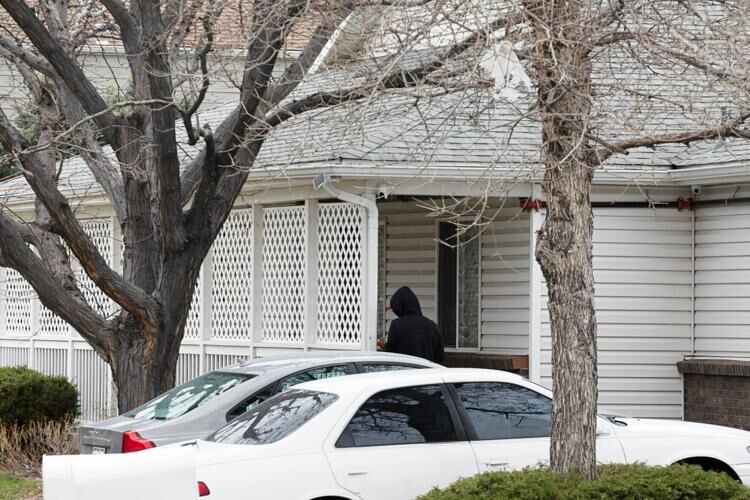
City of Northglenn, state fail to reach agreement on mental health facility amid safety concerns
Marissa Ventrelli
marissa.ventrelli@coloradopolitics.com
Updated 1 minute ago
The City of Northglenn says it was unable to reach an agreement with the state on a pair of controversial transitional living facilities for individuals with mental health conditions run by the Colorado Department of Human Services. The facilities, located...
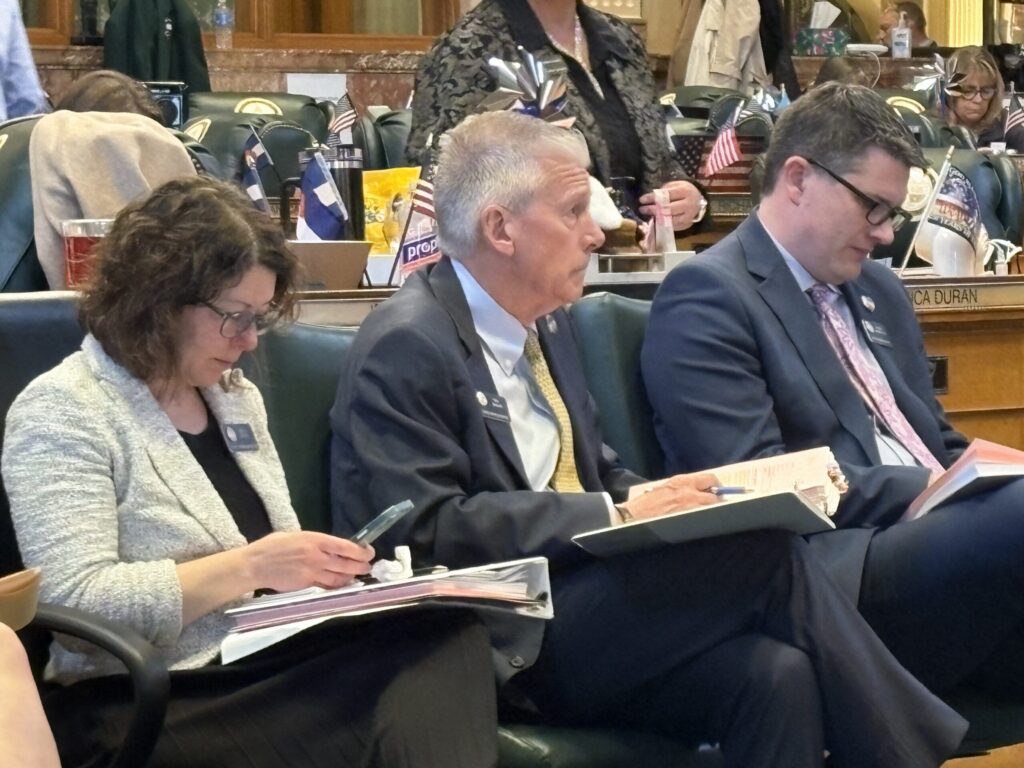
Colorado lawmakers grapple with spending cuts amid $1 billion-plus deficit
Marianne Goodland
marianne.goodland@coloradopolitics.com
Updated 14 hours ago
The battle over Colorado’s budget for next year — which stalled in the House over a procedural maneuver — entered a more difficult phase on Thursday, when legislators grappled with hundreds of millions of dollars in proposed reductions to balance...
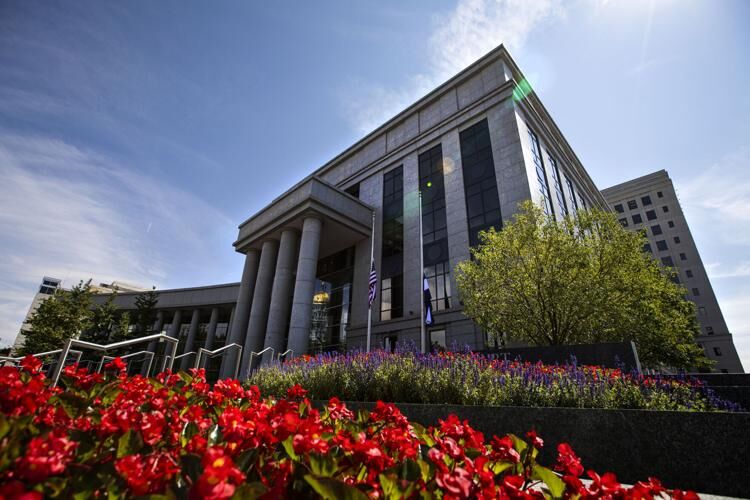
New rules for private judges in Colorado include discipline oversight, campaign contributions
David Migoya
david.migoya@gazette.com
Updated 16 hours ago
The Colorado Supreme Court recently determined the state’s private judges — retired jurists appointed to oversee civil cases that rarely get public scrutiny — can now make political contributions freely and without reserve, overruling a prohibition that had been in...
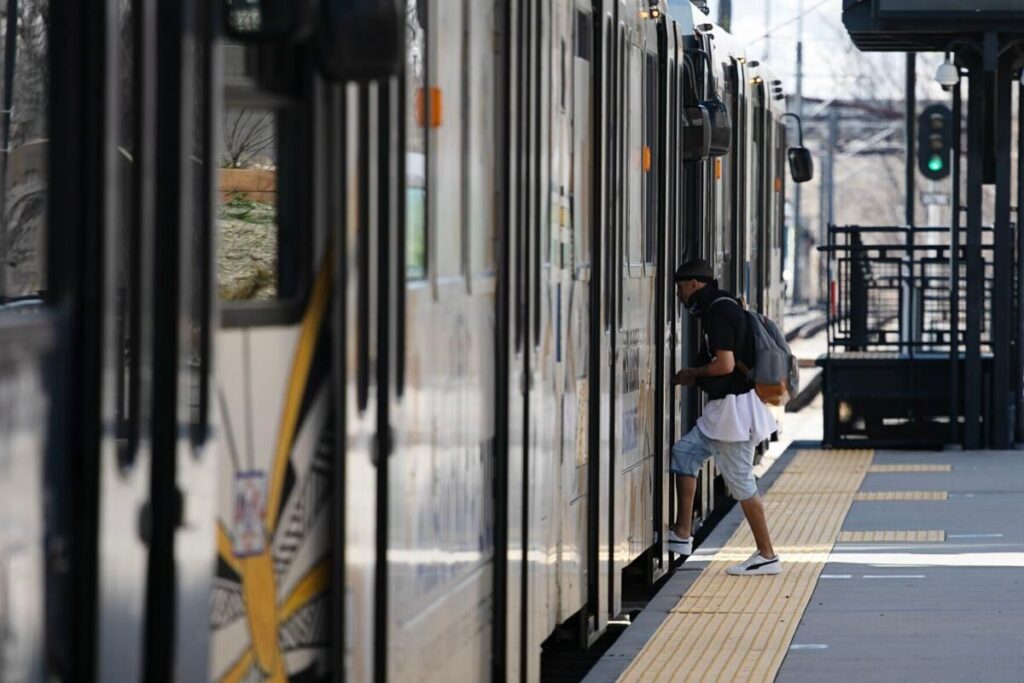
Colorado bill reshaping RTD board advances
Marissa Ventrelli
marissa.ventrelli@coloradopolitics.com
Updated 17 hours ago
A proposal to reshape the Regional Transportation District’s leadership easily cleared a committee vote Wednesday, advancing the bill sponsors say is needed to revive a transit system still struggling to regain riders and public trust. Critics have countered that, while...

Colorado Democrat John Hickenlooper pulls in nearly $1.4M in 1st quarter, heads into primary with $4M
Ernest Luning
ernest.luning@coloradopolitics.com
Updated 14 hours ago
U.S. Sen. John Hickenlooper’s campaign raised nearly $1.4 million in the first quarter of 2026 and plans to report more than $4 million on hand heading into Colorado’s June primary, the first-term Democrat’s campaign said Thursday. That brings Hickenlooper’s total...
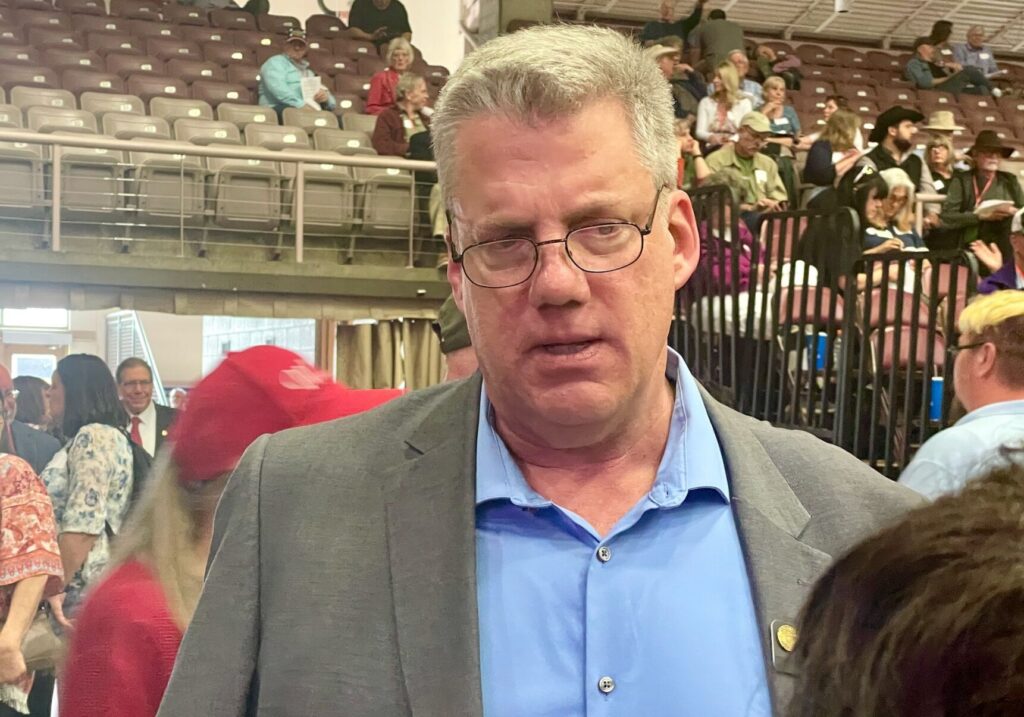
Republican Ron Hanks plans ‘grassroots’ primary challenge to US Rep. Jeff Hurd in Colorado’s 3rd CD
Ernest Luning
ernest.luning@coloradopolitics.com
Updated 17 hours ago
Colorado Republican Ron Hanks, a former state lawmaker, plans to challenge first-term U.S. Rep. Jeff Hurd in the 3rd Congressional District primary by seeking a spot on the June ballot at the GOP’s district assembly in Pueblo on Friday, Colorado...
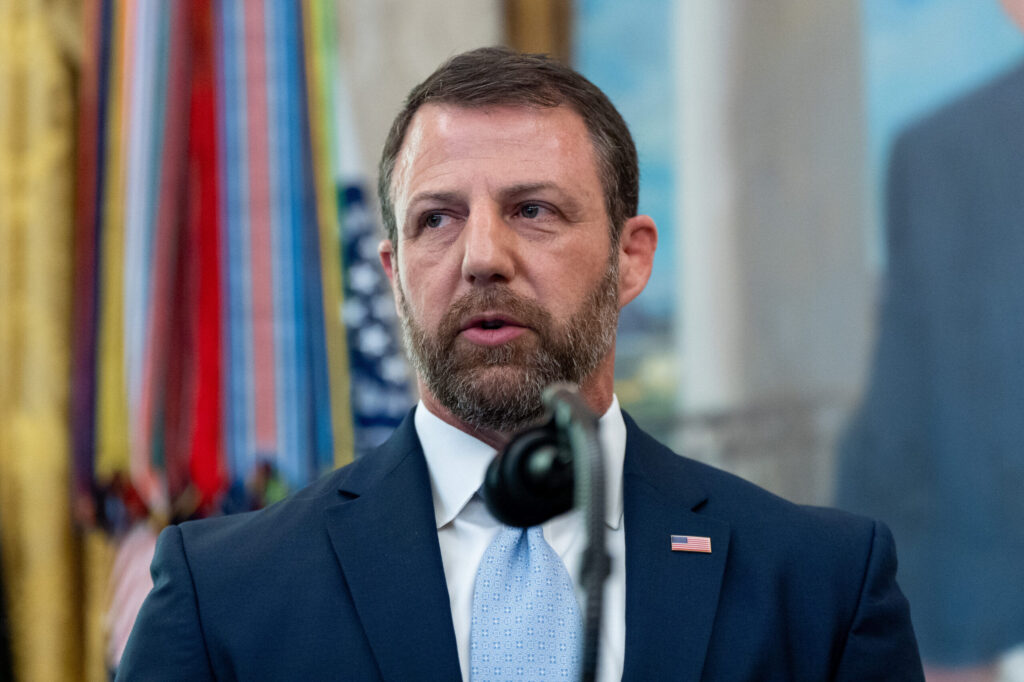
Five ways Mullin is already pushing DHS in a new direction
Anna Giaritelli Washington Examiner
anna-giaritelli-washington-examiner@coloradopolitics.com
Updated 20 hours ago
The Trump administration’s newest Cabinet secretary, Markwayne Mullin, has already begun to implement major changes across the Department of Homeland Security Mullin replaced President Donald Trump’s first DHS secretary, Kristi Noem, and was an unexpected pick to lead the department...
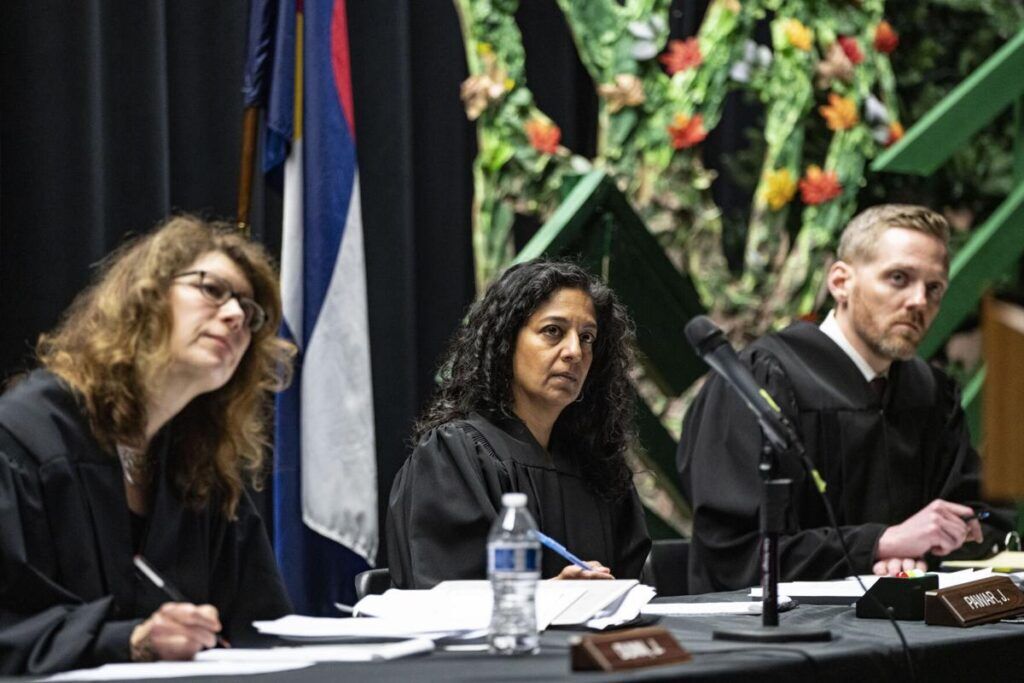
Appeals court finds Prowers County judge incorrectly analyzed firetruck collision lawsuit
Michael Karlik
michael.karlik@coloradopolitics.com
Updated 21 hours ago
Colorado’s second-highest court directed a Prowers County judge last month to take a second look at whether a firetruck operator and the county itself can be held liable for a collision with a motorist. Donald Williamson was driving through a...
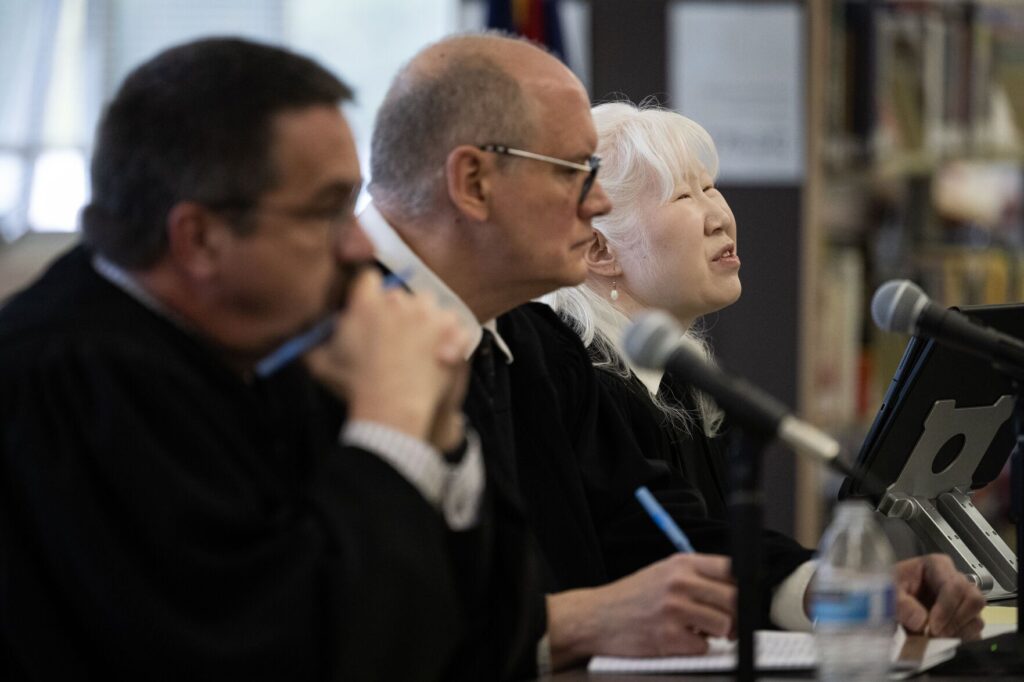
Appeals court reverses assault convictions after jury received no definition of ‘harm’
Michael Karlik
michael.karlik@coloradopolitics.com
Updated 22 hours ago
Colorado’s second-highest court reversed an Arapahoe County defendant’s assault convictions last week, concluding the trial judge neglected to define a key, ambiguous term for jurors. Police officers arrested David Cristobal Aragon at a house party for allegedly violating a restraining...
Colorado counties cannot challenge state law restricting immigration contracts, appeals court says
Michael Karlik
michael.karlik@coloradopolitics.com
Updated 18 hours ago
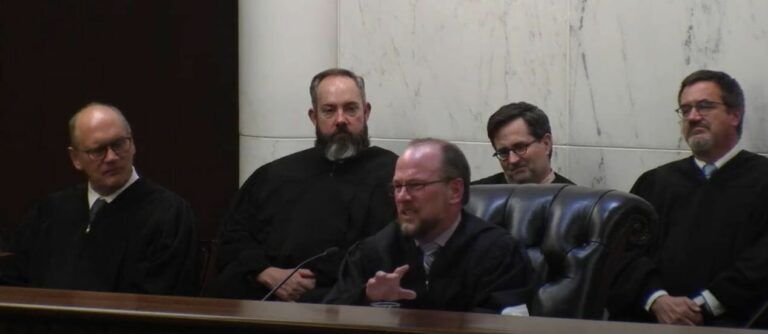
Colorado’s second-highest court ruled on Thursday that counties lack standing to challenge a 2023 state law that restricts their ability to contract with the federal government or private entities for immigration detention. A three-judge Court of Appeals panel agreed with...