

Cloud-seeding effort focuses on Front Range, eastern Colorado rivers
A closer look the weather modification technique that can help reduce drought and increase snowpack (Natasha Lynn, The Gazette)
Toying with Mother Nature isn’t as scary as it sounds in the context of cloud seeding, according to meteorologists and experts focused on the task.
The term refers to a process of weather manipulation in which silver iodide is burned and injected into snow clouds, similar to the blast from a propane burner, to stimulate or increase snowfall, according to those involved at the St. Vrain and Left Hand Water Conservancy District. The district is behind a relatively new cloud-seeding program, this one unique in Colorado in that its purpose is bring more moisture to the Eastern Plains.
Other cloud-seeding programs target ski resorts and the Colorado River Basin.
“What we’re doing with cloud seeding is we’re putting silver iodide into the cloud, which around minus 2-4 degrees Celsius has a very similar structure as ice crystals,” University of Colorado Boulder professor Katja Friedrich said. “We’re freezing these liquid droplets and generating snow. The snow sticks together with the supercooled liquid and is then heavy enough to fall down.”
Silver iodide is much different than silver, closer in fact to salt, and is not dangerous to the environment in the small amounts used in cloud seeding, according to studies done by the Colorado Water Conservation Board.
“Silver iodide in cloud seeding is shown to have no known environmental impacts,” St. Vrain and Left Hand Water Conservancy District water resource engineer Scott Griebling said. “They’re using a small amount, and it’s being spread over a very wide area. It’s undetectable once it enters the environment.”

Various states conduct cloud-seeding operations. There are seven active programs in the Centennial State, which all involve ground-based generators, including the newer one in Boulder County just outside of Longmont. There are two generators for this program, one in Niwot and one in Lyons.
Cole Osborne, meteorologist and cloud-seeding program manager for North American Weather Consultants, operates the generators and works on forecasting the wind speed, wind direction and temperature, to make sure all these conditions are in the right range to cloud seed.
“We’ve found it’s most effective when the temperatures at cloud base are around minus-5 degrees Celsius and cloud tops are around minus-20 degrees Celsius,” Osborne said. “I’m also looking at making sure there’s liquid water available. If it fits and it’s in the target area, I’ll turn the generators on. They’re remotely operated so I can turn them on from my computer or my phone. When it no longer looks good, I’ll turn them off.”

He says water can stay in a liquid form well below freezing, all the way to minus-40 degrees Fahrenheit, in a clean environment with no pollution, before it turns to ice.
“Silver iodide has a similar chemical structure to ice, so once it gets in the cloud, it changes the water droplets that wouldn’t naturally precipitate otherwise into ice,” Osborne said.
The biggest goal for most Colorado’s weather-altering programs is to help produce more snow in mountain ski areas or to reduce drought on the Western Slope. St. Vrain and Left Hand Water Conservancy District’s goal is increase snowpack to ensure more runoff and water in eastern Colorado rivers.
“We decided to start a program to help increase our native water supplies on the East Slope,” Griebling said. “The majority of our water comes from the West Slope and is pumped over (or through) the mountains to the East Slope. What we’re trying to do with our program is build some resiliency in our local supplies so as drought continues to impact a lot of the Colorado River, that we have more local supply to rely on.”

Andrew Rickert, weather modification program manager for the Colorado Water Conservation Board, said increasing Front Range water supply goes beyond benefits to agriculture.
“When you have a deeper snowpack and it lasts longer, it can help with even preventing wildfires,” he said.
The St. Vrain and Left Hand Creek watershed drainage basin is located above Longmont in the foothills and flows into the South Platte River, a major water source on the Eastern Plains.
“This one’s different, because it’s on the eastern side of the Continental Divide, where everything (cloud seeding) previously for the past 40-50 years was on the western side of the divide,” Osborne said. “It’s a really small target area.”
Setting up a cloud-seeding project requires a process. Applicants file with the Colorado Water Conservation Board for a permit, explaining why organizers want to conduct weather modification and their sources for funding. The process includes notifying the impacted counties and public meetings. Permits last five years initially for the ground-based generator programs, according to the Water Conservation Board.
Cloud seeding operations receives $1.5 million in grant funding annually through the state Water Conservation Board. The St. Vrain and Left Hand Water Conservancy Districts get a cut of the money, as do the other operations.
“A third comes from the state through the Colorado Water Conservation Board, a third comes from local participants like the St. Vrain and Left Hand Water Conservancy District, and then we get a third of it from the Lower Basin specifically for efforts in the Colorado River Basin, so none of that goes towards this St. Vrain program,” said Rickert, the WCB weather modification program manager.
The state funds the purchase and installation of the generators — $50,000-$60,000 each — while the district continuously funds the running and operation of the generators, according to the WCB.
“We rely on upslope winds to carry our seeding agent up into the cloud deck and disperse it,” Griebling said. “That’s where that interaction with the supercooled water and silver iodide occurs.”
The Boulder County program conducts cloud seeding about 10-15 times per season, depending on when conditions are ripe. The generators for this program run from November through April 15 each year, according to North American Weather Consultants.
“We can’t create snow out of thin air, so we have to have a winter cloud to start with, and it has to have the right wind direction, blowing from the east to the west,” Griebling said. “And the temperature range has to be within certain bounds so we know it’ll produce snow — but so that it’s not too cold where the seeding won’t have any impact.”
This program is in its third season, having started in the fall of 2022. Researchers say they do not have enough data to know if it’s working yet. But they believe it is increasing the basin’s water supply. Osborne says they’re looking into adding a third generator next season.
“In the last three years, we’ve picked up on a signal showing a range of a 2% increase in snowpack over the target area,” Osborne said.
However, to know for sure, they aim to have five years or more of data gathered, per North American Weather Consultants.
“With the drought in our state, we need to be doing everything we can, and weather modification is one of the tools in the toolbox we have to try to increase precipitation,” Rickert said. “It can’t solve everything, but it’s the only way to physically add water to a system.”
Cloud seeding is not a new concept. Organizations in Colorado have conducted weather modification operations and research since the 1950s, and held programs to permit weather modification since 1972, according to the WCB.
Rickert says there has been speculation since cloud seeding began that the process takes snow or moisture away from other areas, which he says is not accurate.
“The amount of precipitation we’re taking out of the cloud is 1%-2%, so we don’t expect any negative downwind effects,” Rickert said. “If anything, what we’ve seen in our studies is more precipitation downwind of our seeding areas.”

Federal judge sides with Mesa County school district in ex-student’s First Amendment claims
Michael Karlik
michael.karlik@coloradopolitics.com
Updated 4 hours ago
A federal judge concluded last week that Mesa County Valley School District 51 and three of its administrators did not violate the First Amendment rights of a former student when they imposed minor discipline in response to disruptive behavior. In...

Colorado Supreme Court intervenes in 4 ongoing cases
Michael Karlik
michael.karlik@coloradopolitics.com
Updated 8 hours ago
The Colorado Supreme Court recently moved to intervene in four ongoing cases, including two criminal prosecutions, a civil lawsuit, and a child welfare proceeding. At least four of the court’s seven members must agree to hear a case outside of...
Colorado ski resorts announce early closures amid historic snowpack lows, high temperatures
Kyla Pearce
kyla.pearce@gazette.com
Updated 8 hours ago
Vail Resorts is the latest area to announce season closure Wednesday As Colorado’s historically low snowpack year comes to a close and spring conditions take over the mountains, the state’s major ski resorts are announcing closing dates — some of...

Kentucky Gov. Andy Beshear set to headline Colorado Democrats’ annual fundraising dinner
Ernest Luning
ernest.luning@coloradopolitics.com
Updated 8 hours ago
Kentucky Gov. Andy Beshear, one of the Democrats’ top 2028 presidential prospects, is scheduled to deliver the keynote address at the Colorado Democratic Party’s annual fundraising dinner in June in Denver, the party said Friday. Serving his second term as...
Gov. Polis names new leaders for Colorado health agencies in wake of Medicaid turmoil
Marianne Goodland
marianne.goodland@coloradopolitics.com
Updated 10 hours ago
Gov. Jared Polis, on Thursday, announced he was appointing Gretchen Hammer to serve as acting executive director of the Colorado Department of Health Care Policy and Financing, and deputy executive director Stephanie Beasley to become the next commissioner of the...
Federal judge releases man immediately as consequence for immigration judge disobeying orders
Michael Karlik
michael.karlik@coloradopolitics.com
Updated 8 hours ago
A federal judge ordered a man’s immediate release from immigration detention on Thursday after finding an immigration judge disregarded his prior orders requiring a bond hearing. For the past year, Colorado’s federal district court has faced a flood of “habeas corpus”...
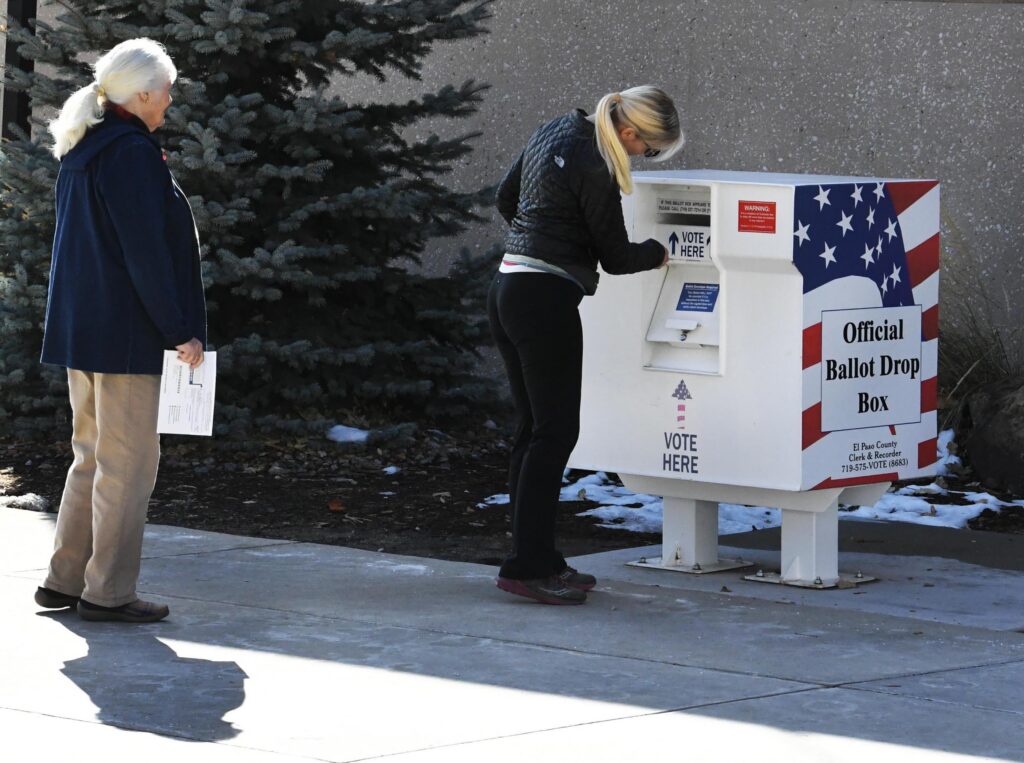
Colorado sues Trump administration, calling new election order ‘unconstitutional’
Marissa Ventrelli
marissa.ventrelli@coloradopolitics.com
Updated 11 hours ago
Colorado Attorney General Phil Weiser has joined a multistate coalition suing President Donald Trump over a new executive order on elections, arguing the directive unlawfully intrudes on states’ authority to run their own voting systems and threatens access to mail...

Why Colorado’s LGBTQ laws keep getting struck down by the Supreme Court
Jack Birle, Washington Examiner
jack.birle.washington.examiner@gazetteedit.wpenginepowered.com
Updated 11 hours ago
The Supreme Court has been a house of horrors for Colorado over the past decade, with the state facing a trio of major losses over laws it claims it has enacted to protect LGBT people but that the justices found...
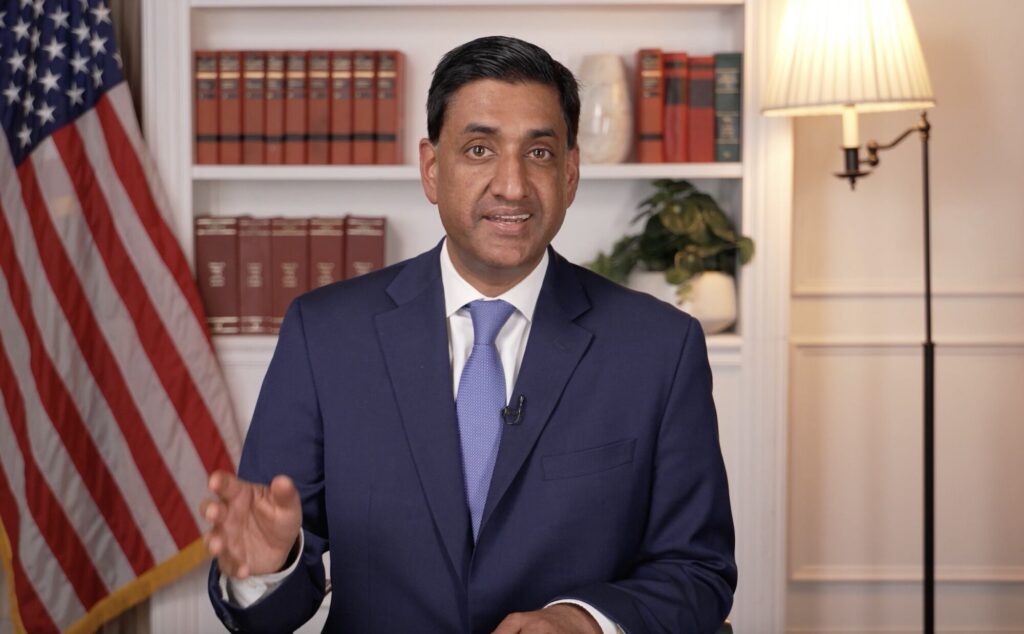
Denver Democrat Neal Walia lands endorsement from Ro Khanna in Colorado’s state House District 9
Ernest Luning
ernest.luning@coloradopolitics.com
Updated 8 hours ago
California Rep. Ro Khanna on Friday endorsed legislative candidate Neal Walia in the race for an open state House seat, praising the Denver Democrat’s commitment to public service and progressive goals. Walia, who mounted an unsuccessful challenge against U.S. Rep....

Denver judge denies Gov. Polis request to dismiss ICE-related records case
Marianne Goodland
marianne.goodland@coloradopolitics.com
Updated 9 hours ago
A year after blocking the release of state records to federal immigration agents, a Denver judge has now denied Gov. Jared Polis’ effort to end the lawsuit at the center of the dispute. The lawsuit filed against the governor in...