

Amendment 79 protects Colorado traffickers, not women | OPINION

Jennisue Jessen

Jennisue Jessen
Starting at the age of four, I was sold by my grandfather to other men for sex. My first pregnancy occurred at age 15. Rather than risk being exposed for his crimes, my grandfather perpetrated one of his most violent acts against me: having me forcibly strapped down to a table while an abortion was carried out over my screaming protests. That abortion was not liberating or empowering. It instead compounded the complex trauma I was enduring, and it enabled my grandfather to continue to profit from my commercialized rape for another two years.
Today, as a Colorado resident who has worked with sexually exploited minors for more than a decade, I have seen firsthand the devastation that comes from unchecked abuse and exploitation. As early voting begins, I want to call attention to Amendment 79, Colorado’s proposed constitutional amendment on abortion.
Amendment 79 is more than an amendment about abortion — it is a gift to perpetrators, especially those involved in human trafficking, giving them unchecked power to continue their crimes while erasing accountability.
Colorado is already one of the most permissive states when it comes to abortion laws. There are no gestational age restrictions on ending the life of an unborn child. Yet Amendment 79 pushes the envelope further, removing critical protections for minors who are victims of sexual abuse, trafficking and violence.
Stay up to speed: Sign up for daily opinion in your inbox Monday-Friday
In my years of working as a direct service provider for sexually exploited minors, I have seen tragic patterns of violence, which I experienced myself: young girls trafficked, repeatedly raped for profit, frequently finding themselves pregnant and forced to have abortions to conceal the crime.
Out of the hundreds of sexually exploited youths I’ve served, I have only encountered two young women who did not disclose one or more forced abortions as part of their trafficking experience. Under Amendment 79, this nightmare will only become more common. The amendment explicitly states no laws may “impede or restrict access” to abortion, which effectively removes parental notification requirements. This means when a pregnant minor enters an abortion clinic, no one is obligated to notify her guardians, report to authorities, or investigate how the pregnancy occurred.
By removing parental notification, Amendment 79 not only strips parents of their right to be involved in one of the most significant decisions in their daughter’s life; it also empowers traffickers and abusers, who thrive on secrecy and isolation. Without the requirement to notify parents, no one will ask critical questions about how a young girl became pregnant, shielding predators from scrutiny. This will allow traffickers, abusers and others to exert control over a vulnerable child without anyone knowing.
Amendment 79 will further exploitation by empowering traffickers to continue their crimes with impunity. This amendment is about the systematic stripping away of protections for the most vulnerable among us — minor children unable to vote, too young to legally consent to sex or speak for themselves. A “yes” vote on Amendment 79 would protect the very people who profit from the rape and exploitation of women and children. A “yes” vote would silence parents who have the right to know when their child is facing the aftermath of sexual assault and the violence of abortion.
We must ask ourselves — who are we protecting with Amendment 79? It most definitely is not vulnerable youth. Make no mistake, this amendment isn’t about reproductive rights, and it does not provide reproductive equity. Instead, by removing the requirement for parental consent, key opportunities to intervene in the commercial exploitation of minors will be missed, the perpetrators trafficking them will be protected, and those who are victimized in human trafficking will be forcibly robbed of equity in choice. Amendment 79 doesn’t offer liberation; it offers silence. It keeps victims trapped in the cycle of violence and it protects those who profit from their pain.
Colorado, we can do better.
Do it for the girls who are being sexually exploited. Do it to stop sexual predators from hiding their crimes behind the guise of reproductive choice. And do it for a future where the vulnerable are protected, not preyed upon.
Jennisue Jessen is a human trafficking and abortion survivor with more than 25 years of experience in the field of human trafficking. She is the founder and chief executive of Compass 31, an international counter-trafficking organization with active work across 44 nations.


Clock is ticking on Colorado’s new AI rules | PODIUM
Colorado Politics
colorado-politics@coloradopolitics.com
Updated 2 hours ago
By Aashis Luitel On Jan. 1, organizations using covered automated systems must begin complying with Senate Bill 26-189, Colorado’s new Automated Decision-Making Technology Act. They can identify those systems and start building the processes the statute clearly requires. What they...
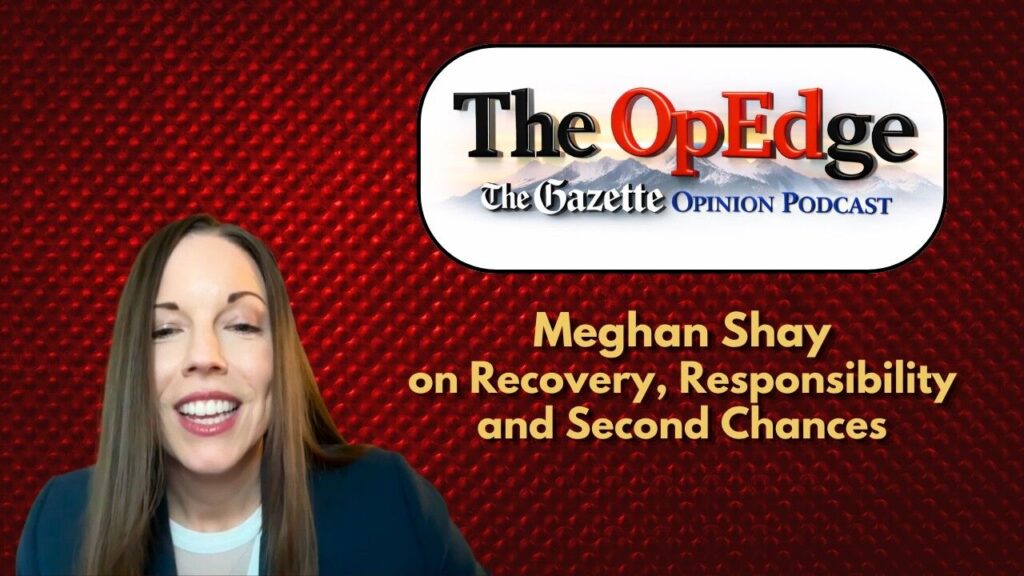
Meghan Shay on recovery, responsibility and second chances | The OpEdge Podcast
Tony Olivero
tony.olivero@gazette.com
Updated 13 hours ago
Step Denver and Step Springs CEO Meghan Shay joins The OpEdge to explore addiction recovery, homelessness, and the role of accountability in lasting change. Shay tells host and investigative columnist Jimmy Sengenberger why she believes recovery is built on personal...

The outrages mount | Hal Bidlack
Hal Bidlack
hal-bidlack@coloradopolitics.com
Updated 16 hours ago
My kindly and forgiving editors understand that, from time to time, I can’t help myself from leaping atop my rickety soapbox to vent. And, like many other political commentators have already done, I could easily fill this entire missive with...

Rural Colorado deserves a tax holiday | GUEST COLUMN
Eric Mulder
jstooksberry@gmail.com
Updated 1 day ago
Spend enough time in Colorado’s Eastern Plains, the San Luis Valley, or the Western Slope, and you’ll see boarded-up storefronts, schools consolidating classrooms, and small rural communities stretching every dollar to keep basic services afloat. Once the backbone of Colorado’s...
Weiser’s leadership crucial for rural win-win | Rachel Gabel
Rachel Gabel
rachel-gabel@coloradopolitics.com
Updated 5 days ago
Attorney General Phil Weiser is going to win the gubernatorial election. That said, Colorado agriculture and rural communities have a 30-year track record of finding the win-win be it for species or industries or habitat. Former Governor Roy Romer possessed...

A Colorado history lesson for Victor Marx | Dick Wadhams
Dick Wadhams
dick-wadhams@coloradopolitics.com
Updated 4 days ago
Victor Marx, who narrowly won the Republican nomination for governor by one half 1% after boasting of a massive 44-point lead, is just as misguided on Colorado political history. During the primary, Marx made a clumsy attempt to denigrate his...

‘Be prepared to march in the streets’ | Miller Hudson
Miller Hudson
miller-hudson@coloradopolitics.com
Updated 4 days ago
It was early in 1974 when I first met Tim Wirth as he announced his candidacy for Congress, challenging Republican incumbent Don Brotzman. Although I had only resided in Colorado two years, I was drafted to serve as a Democratic...

‘CoCo’ would take taxpayers for a ride | Jon Caldara
Jon Caldara
jon-caldara@coloradopolitics.com
Updated 2 days ago
Colorado wants taxpayers to spend another $4.73 billion on passenger rail. Don’t worry. They have a plan. Which is a little like your brother-in-law announcing he’s launching another exciting restaurant venture after his last three restaurants ended in bankruptcy. Please....

The through line from Donald Trump to Victor Marx | SONDERMANN
By Eric Sondermann
by-eric-sondermann@coloradopolitics.com
Updated 7 days ago
Over 10 years ago, before Donald Trump could ever defeat Hillary Rodham Clinton, he had to first engineer a hostile takeover of the Republican Party. Prior to his descent of that golden escalator, the previous seven Republican presidential nominees had...
Primary voters rejected big money in politics | Paula Noonan
Paula Noonan
paula-noonan@coloradopolitics.com
Updated 4 days ago
While we’re in an election campaign lull between now and Labor Day, we have time to consider the impact of $102 million in campaign contributions in the primary. In the general election, more money will fill candidate campaign coffers, and...