

Trump agrees to 3 debates with Harris; Colorado Democrats join Zoom resurgence to rally behind Harris; regulators green light new oil, gas drilling | WHAT YOU NEED TO KNOW
Today is Aug. 9, 2024, and here’s what you need to know:
Colorado Democrats join Zoom resurgence to rally Kamala Harris supporters | TRAIL MIX
It didn’t come close to breaking Zoom — like some of the virtual campaign rallies that inspired Colorado Democrats to hold one of their own have — but last week’s local version connected hundreds of in-state Kamala Harris supporters and helped kick off what the party says already looks like a record-breaking fundraising month.
“We get to reach a lot of folks, and people get to build some community,” state Democratic chair Shad Murib told Colorado Politics. “It’s been an excellent volunteer recruitment tool as much as it’s been a great fundraising tool for us.”
Dubbed a virtual grassroots organizing call, the state Democrats’ July 29 gathering drew an estimated 700 participants over the course of the 45-minute meeting on the industry-leading Zoom teleconferencing platform, organizers said.
Donald Trump agrees to three debates against Kamala Harris
Former President Donald Trump said he has agreed to three debates against Vice President Kamala Harris in a bid to “set the record straight” against the new Democratic nominee.
“I think it’s very important to have debates, and we’ve agreed with Fox on a date of Sept. 4. We’ve agreed with NBC, fairly full agreement, subject to them on Sept. 10, and we’ve agreed with ABC on Sept. 25. So, we have those three dates,” Trump said at his Mar-a-Lago residence in Florida.
His campaign quickly clarified that the ABC News debate will be held on Sept. 10, which Harris previously agreed to, and the NBC News debate will be held on Sept. 25.
Appeals court takes no issue with defense lawyer who admitted client's guilt at trial
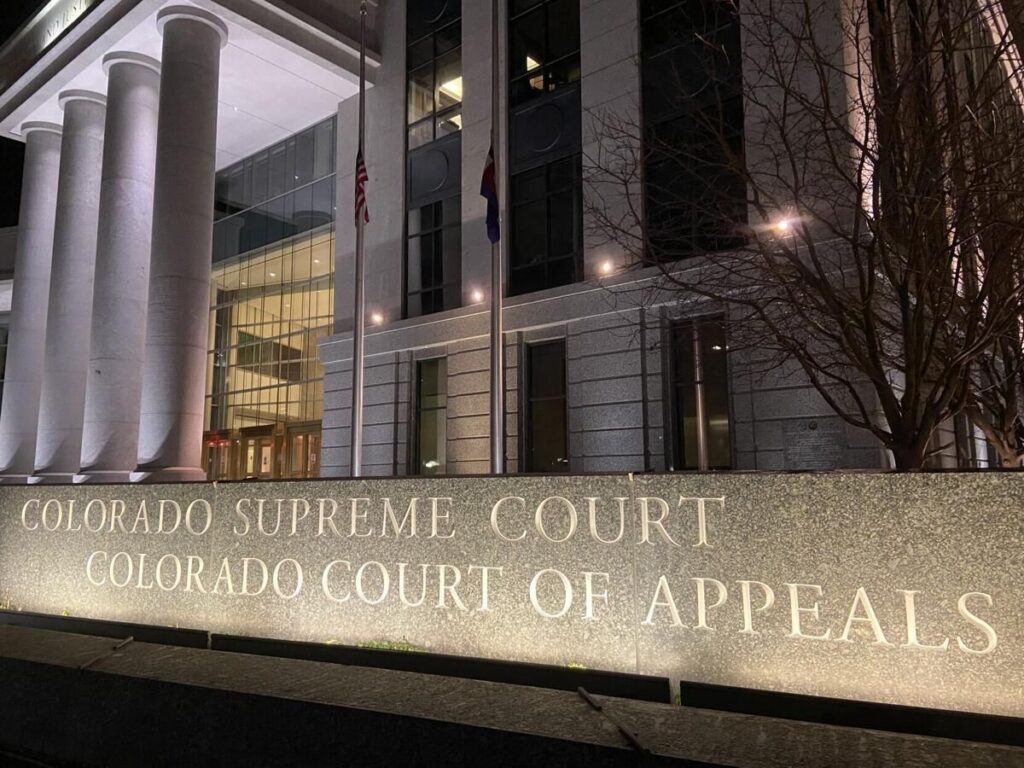
Colorado’s second-highest court on Thursday concluded an attorney did not violate his client’s constitutional right to make key decisions about his defense when the lawyer unilaterally told the jury his client committed some of the charged crimes.
The U.S. Supreme Court has provided guidance in recent years about when criminal defense attorneys may concede their client’s guilt. In 2004, the court determined in Florida v. Nixon that an attorney was not barred from admitting his client committed murder in hopes of avoiding the death penalty, as the defendant was aware of that strategy and neither objected nor consented.
However, in the 2018 case of McCoy v. Louisiana, the Supreme Court agreed a defense attorney in a similar death penalty case was wrong to tell jurors his client committed murder when the defendant “vociferously” protested he was innocent.
Following Colorado regulators' OK, oil and gas company turns attention to individual well sites
Following state approval for oil and gas drilling operations in Arapahoe County, the process now moves to the local level, where individual well sites also need to get the green light.
State regulators also vowed to watch the operations very closely.
Commissioners said they would “closely review and ensure the actual proposed locations at the OGDP stage meet or exceed all state and commission requirements for avoiding, minimizing, and mitigating any potential impacts on human health or the environment,” said Kelsy Been, a spokesperson for the Colorado Energy and Carbon Management Commission.
Appeals court clarifies significance of pinpointing drug exposure for child neglect cases
Colorado’s second-highest court on Thursday clarified it does matter whether a child experienced drug exposure in her parents’ custody, rejecting a Montrose County judge’s conclusion that the location was irrelevant to determining whether the infant was neglected.
A child is neglected under Colorado law if, among other things, their “environment is injurious” to their welfare. The state Supreme Court has determined that a parent need not be at fault, just that the environment itself is harmful.
However, a three-judge panel concluded the question of a parent’s fault for a child’s drug exposure is distinct from the question of whether the exposure occurred before or after a child was removed to foster care. It is not the case, wrote Judge Karl L. Schock, that a finding of child neglect can ignore the possibility the foster home was actually the harmful environment.

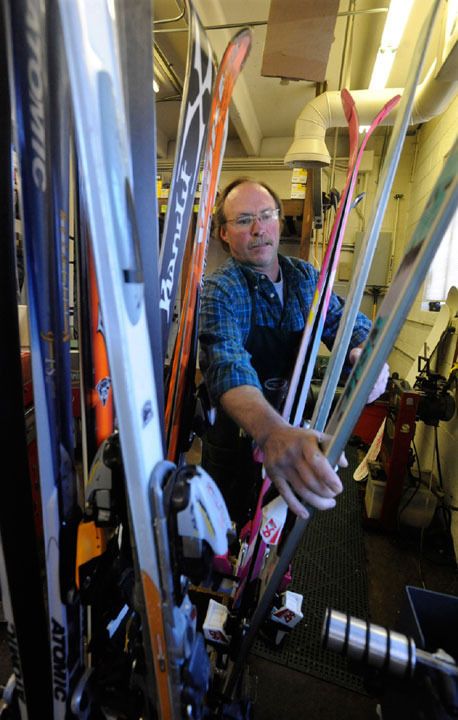
Colorado measure redirects sales tax revenue from sporting goods, equipment to conservation programs
The Denver Gazette
the-denver-gazette@coloradopolitics.com
Updated 7 hours ago
A proposal to redirect sales tax revenues from sporting goods and equipment toward wildfire and conservation programs will appear on the ballot this November, election officials in Colorado confirmed. The measure, if approved by voters, would reduce the amount available...

Firefighters’ deaths prompt debate over 100% suppression wildfire strategy
Rachael Wright, Special to Colorado Politics
rachael.wright@coloradopolitics.com
Updated 4 hours ago
On July 22, 2026, the chief of the U.S. Forest Service testified before a House Agriculture subcommittee that his agency pursues a “full suppression” strategy to contain all fires while they are still small, rather than allowing them to burn...
A summertime all-you-can-eat political buffet | SONDERMANN
Eric Sondermann
eric-sondermann@coloradopolitics.com
Updated 4 days ago
We find ourselves in the doldrums of August with a complete dearth of political news. Yeah, right. These days, that train never stops moving. It is a 24/7/365 express amplified by 24/7/365 media. Let me respond with one of my...
GOP worker pleads guilty to campaign funds embezzlement scheme | A LOOK BACK
Rachael Wright, Special to Colorado Politics
rachael.wright@coloradopolitics.com
Updated 4 days ago
Forty-five Years ago this week: After pleading not guilty to a Denver federal grand jury indictment of five counts of bank embezzlement, Eve Lynn Lincoln, a Colorado Republican Party employee, decided to plead guilty to one count: using bank credit...
Schoolchildren’s presence at child sex-related trial did not harm Arapahoe County defendant, appeals court says
Michael Karlik
michael.karlik@coloradopolitics.com
Updated 1 day ago
Colorado’s second-highest court decided on Thursday that the presence of a group of schoolchildren on the first day of a child sexual exploitation trial did not violate an Arapahoe County defendant’s constitutional right to a fair trial. Prosecutors charged Jerry...
Appeals court cites week-old Colorado law to reinstate child neglect case at child, father’s request
Michael Karlik
michael.karlik@coloradopolitics.com
Updated 23 hours ago
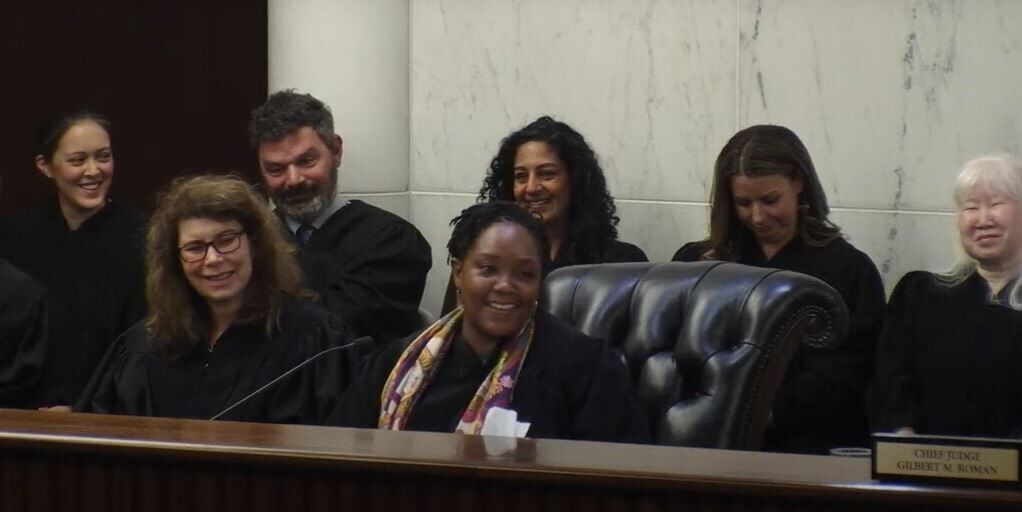
Colorado’s second-highest court invoked a new state law for the first time on Thursday and reinstated a child neglect case that both the child and her father wished to reopen. House Bill 1227 took effect on Aug. 12, reversing a...
Democratic candidate in Colorado’s 4th CD urges long-term water planning
Marianne Goodland
marianne.goodland@coloradopolitics.com
Updated 23 hours ago
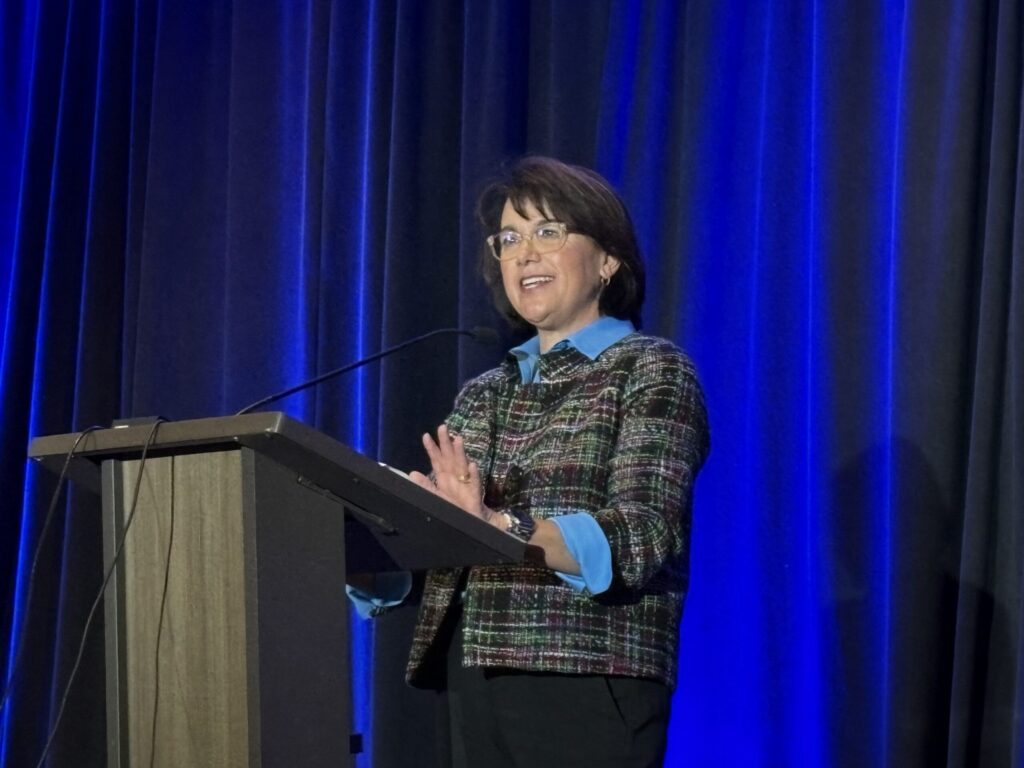
The Democrat hoping to become the next representative of Colorado’s 4th Congressional District on Thursday made her case on the final day of Colorado Water Congress in Steamboat Springs. Eileen Laubacher, who spent 34 years in the U.S. Navy and...

Castle Rock council declines to censure member accused of misconduct
Nicholas Fogleman
nicholas.fogleman@denvergazette.com
Updated 2 days ago
A Castle Rock Town Council meeting Tuesday became consumed by allegations that a councilmember attempted to trade a town policy decision for the withdrawal of a recall effort against him. The allegations against Councilmember Mark Davis surfaced during public comment...

Proposal to cap Colorado income tax rate qualifies for November ballot
Thelma Grimes
thelma.grimes@coloradopolitics.com
Updated 11 hours ago
Election officials on Thursday confirmed that the proposal to cap the state’s income tax at the current rate submitted signatures and voters will consequently decide its fate this November. The fight over tax rates is part of the tug and...
Trump reaches deal to halt tariffs on beef for 90 days in bid to lower prices
Rena Rowe
rena.rowe@washingtonexaminer.com
Updated 2 days ago
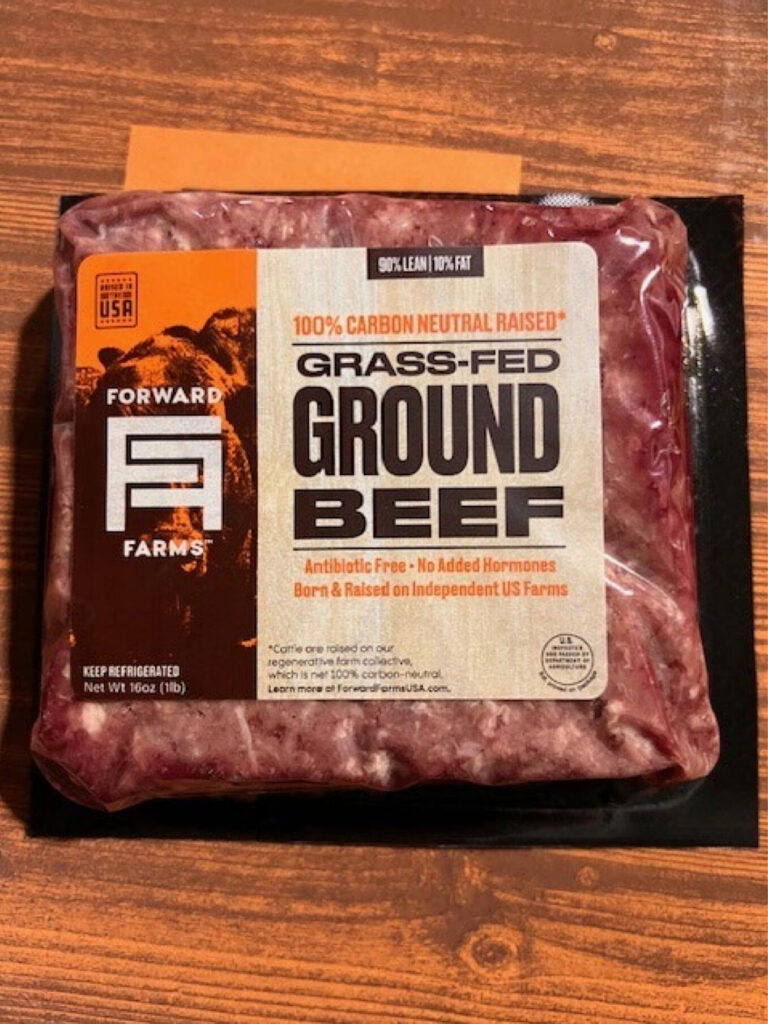
President Donald Trump announced Friday that he had reached a deal to temporarily ease tariffs on beef imports, saying the move would help lower prices for families as the United States faces a severe cattle shortage and record-high beef prices....