

‘Complex’ wastewater system expansion will support Colorado Springs’ continued growth: Utilities
A massive six-year project will expand Colorado Springs Utilities’ eastern wastewater system, helping support continued growth on the city’s east side, officials say.
Crews will construct about 18 miles of large new wastewater pipe, between 24 and 48 inches in diameter, and two new lift stations that will move waste from eastern Colorado Springs to the wastewater treatment facility on East Las Vegas Street near southeast Colorado Springs, General Manager Tara McGowan told the Utilities Board of Directors earlier this month .
“We’re looking to grow the eastern portion of the city, and it’s really timely that this project get completed so that our city can continue to grow in a meaningful way,” McGowan said.
Plans for new electric substation in Colorado Springs move ahead despite concerns
Officials expect the project to be completed in 2030. When it is completed, the expanded eastern wastewater system will be able to handle up to 17.5 million gallons of wastewater a day and serve up to about 225,000 people in eastern Colorado Springs, according to updated figures from Colorado Springs Utilities.
The “highly complex” project is estimated to cost $396 million and will impact more than 127 acres of land and 50 private parcels, McGowan said.
Tallest buildings at Drake Power Plant site demolished
The project will move waste in two ways. Waste will be taken from the area near the northern and central sectors of Banning Lewis Ranch, then conveyed west across a northern wastewater line called the Crosstown Interceptor to the Las Vegas Water Treatment Plant, where it will be treated.
Waste will also be taken from the area near the southern end of Banning Lewis Ranch to two lift stations, which help move wastewater from lower to higher elevations. From there, the wastewater will move through a southern wastewater line called the Milton Proby Interceptor, where it’s conveyed to the Sand Creek lift station. From the Sand Creek lift station, the waste is pumped up to the Las Vegas treatment facility.
Utilities is preparing to start designing the project and will solicit for a design contract this year, McGowan said. Construction is estimated to begin in 2028 through 2030, but Utilities is considering accelerating the timeline of the project when feasible to complete it as soon as possible, she said.
To recover costs, the agency plans to increase wastewater service rates for the period of 2025-2029 to support its annual budget, including the eastern wastewater system expansion. Utilities is also using mechanisms that allow it to partner with developers to pay for significant infrastructure.
Typically, ratepayers pay for wastewater treatment while developers pay for pipes and conveyance mechanisms, Utilities spokeswoman Danielle Nieves said in an email.
Colorado Springs Utilities looks to operate, maintain Fort Carson’s water distribution systems
City council expected to vote Tuesday on massive annexation request
In this project, Utilities acts as the “developer,” covering most of the upfront costs to serve eastern Colorado Springs through base rates, Nieves said. The utility recovers those costs later from future users, through charges paid by homebuilders of future homes that are ultimately passed on to the homebuyer, she said.
Updated project estimates show the utility will need to recover between $750 to $4,000 per every “single-family equivalent” — or the total amount of people estimated to be living in the area, divided by 2.1, the average number of people who typically live in a single-family home. After five years, the project will increase the typical customer’s monthly bill by about $12, according to the updated financial projections.
So far, Utilities has recovered $5.9 million of project costs from developers, McGowan said.

An April Fool’s Day to remember | Capitol M | Week of April 4, 2026
Marianne Goodland
marianne.goodland@coloradopolitics.com
Updated 2 days ago
The lighter side of the Capitol, and if light were weight, the Capitol would have lifted off better than the Artemis II rocket on April Fool’s Day. There was a plethora of Fools at the Capitol for April Fool’s Day...

Democrats rebounding without learning necessary lessons | SONDERMANN
Thelma Grimes
thelma.grimes@coloradopolitics.com
Updated 2 days ago
“When we fight, we win!” That, reportedly, was the chant heard over and over again at the Colorado Democratic Assembly a week ago. It suggests that pugilism has been the piece missing from the Democratic toolkit. Perhaps it was just...

Colorado Politics Calendar Apr. 6-12
Rachael Wright, Special to Colorado Politics
rachael.wright@coloradopolitics.com
Updated 3 days ago
CoPo’s weekly political calendar will help you find political and public-policy events throughout Colorado. It includes candidate and issue campaign events, public policy meetings, court hearings, state and local party conventions, assemblies, debates, rallies, parades, speaking engagements, traveling dignitary appearances,...
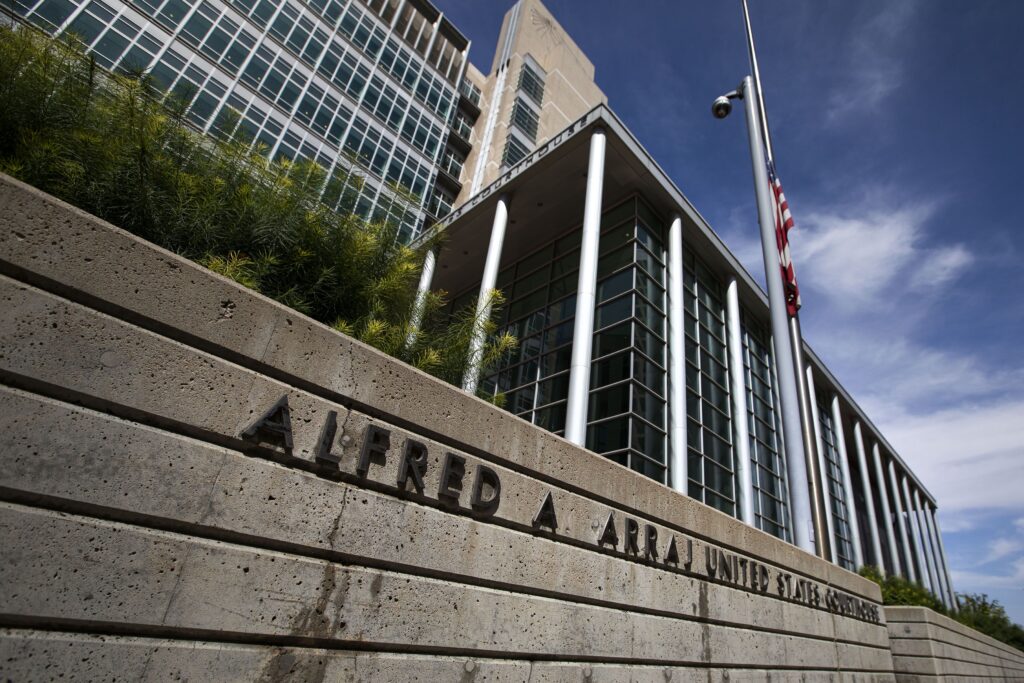
Federal judge sides with Mesa County school district in ex-student’s First Amendment claims
Michael Karlik
michael.karlik@coloradopolitics.com
Updated 9 hours ago
A federal judge concluded last week that Mesa County Valley School District 51 and three of its administrators did not violate the First Amendment rights of a former student when they imposed minor discipline in response to disruptive behavior. In...

Colorado Supreme Court intervenes in 4 ongoing cases
Michael Karlik
michael.karlik@coloradopolitics.com
Updated 12 hours ago
The Colorado Supreme Court recently moved to intervene in four ongoing cases, including two criminal prosecutions, a civil lawsuit, and a child welfare proceeding. At least four of the court’s seven members must agree to hear a case outside of...
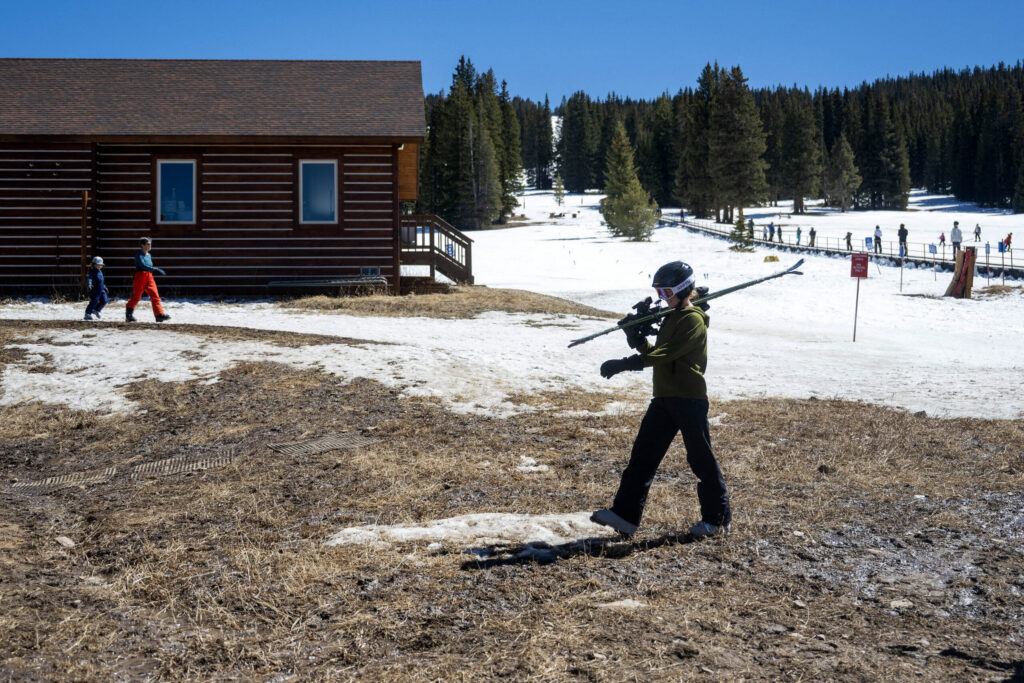
Colorado ski resorts announce early closures amid historic snowpack lows, high temperatures
Kyla Pearce
kyla.pearce@gazette.com
Updated 13 hours ago
Vail Resorts is the latest area to announce season closure Wednesday As Colorado’s historically low snowpack year comes to a close and spring conditions take over the mountains, the state’s major ski resorts are announcing closing dates — some of...

Kentucky Gov. Andy Beshear set to headline Colorado Democrats’ annual fundraising dinner
Ernest Luning
ernest.luning@coloradopolitics.com
Updated 12 hours ago
Kentucky Gov. Andy Beshear, one of the Democrats’ top 2028 presidential prospects, is scheduled to deliver the keynote address at the Colorado Democratic Party’s annual fundraising dinner in June in Denver, the party said Friday. Serving his second term as...
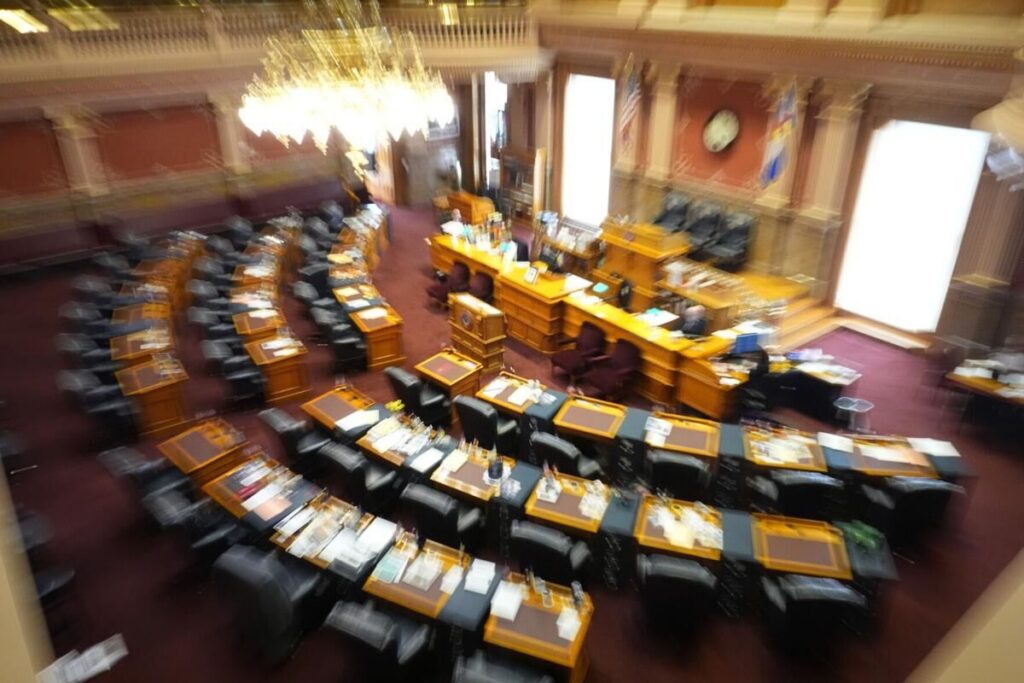
Gov. Polis names new leaders for Colorado health agencies in wake of Medicaid turmoil
Marianne Goodland
marianne.goodland@coloradopolitics.com
Updated 14 hours ago
Gov. Jared Polis, on Thursday, announced he was appointing Gretchen Hammer to serve as acting executive director of the Colorado Department of Health Care Policy and Financing, and deputy executive director Stephanie Beasley to become the next commissioner of the...
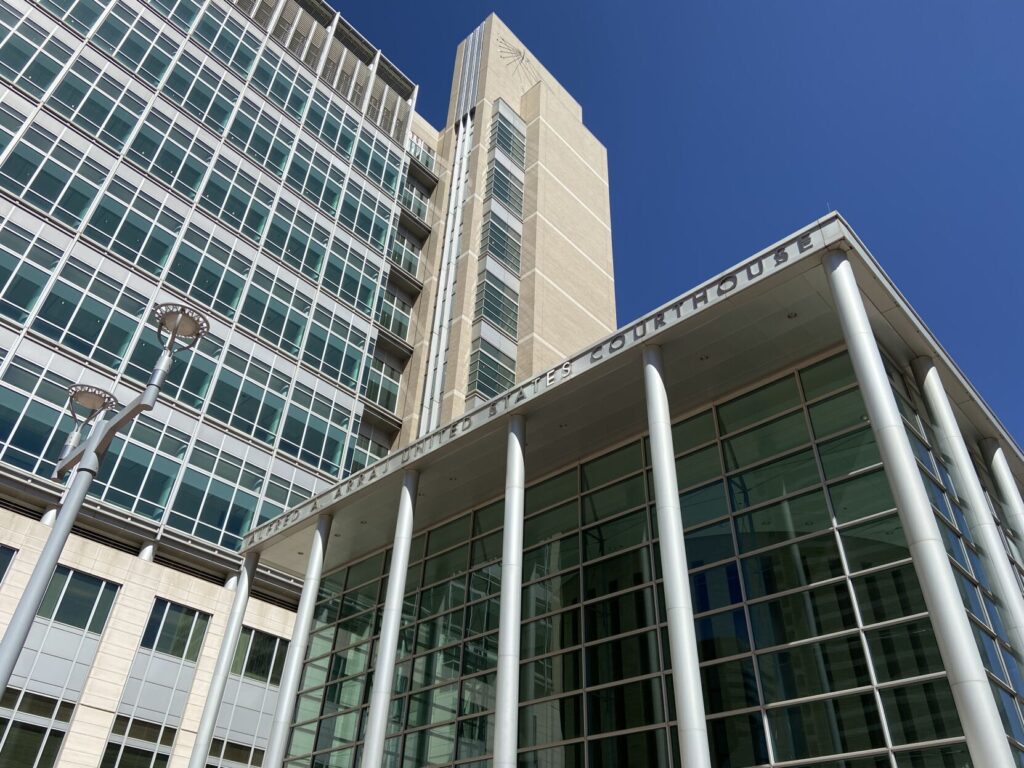
Federal judge releases man immediately as consequence for immigration judge disobeying orders
Michael Karlik
michael.karlik@coloradopolitics.com
Updated 12 hours ago
A federal judge ordered a man’s immediate release from immigration detention on Thursday after finding an immigration judge disregarded his prior orders requiring a bond hearing. For the past year, Colorado’s federal district court has faced a flood of “habeas corpus”...
Colorado sues Trump administration, calling new election order ‘unconstitutional’
Marissa Ventrelli
marissa.ventrelli@coloradopolitics.com
Updated 16 hours ago
Colorado Attorney General Phil Weiser has joined a multistate coalition suing President Donald Trump over a new executive order on elections, arguing the directive unlawfully intrudes on states’ authority to run their own voting systems and threatens access to mail...