

The tents on college campuses are gone. They’ll likely return if history repeats itself
As pro-Palestinian encampments cropped up this spring on college campuses in Denver and across the nation, U.S. historians were quick to draw comparisons to the student movement that organized against the Vietnam War.
At some level of analysis, the parallels are eerily similar, with today’s students calling for an end to the war between Israel and Hamas.
But on other levels, the similarities end and the divergence becomes palpable. Notably, the protests today have taken an explicitly racial undertone, which many Jewish students regard as suffused with antisemitism.
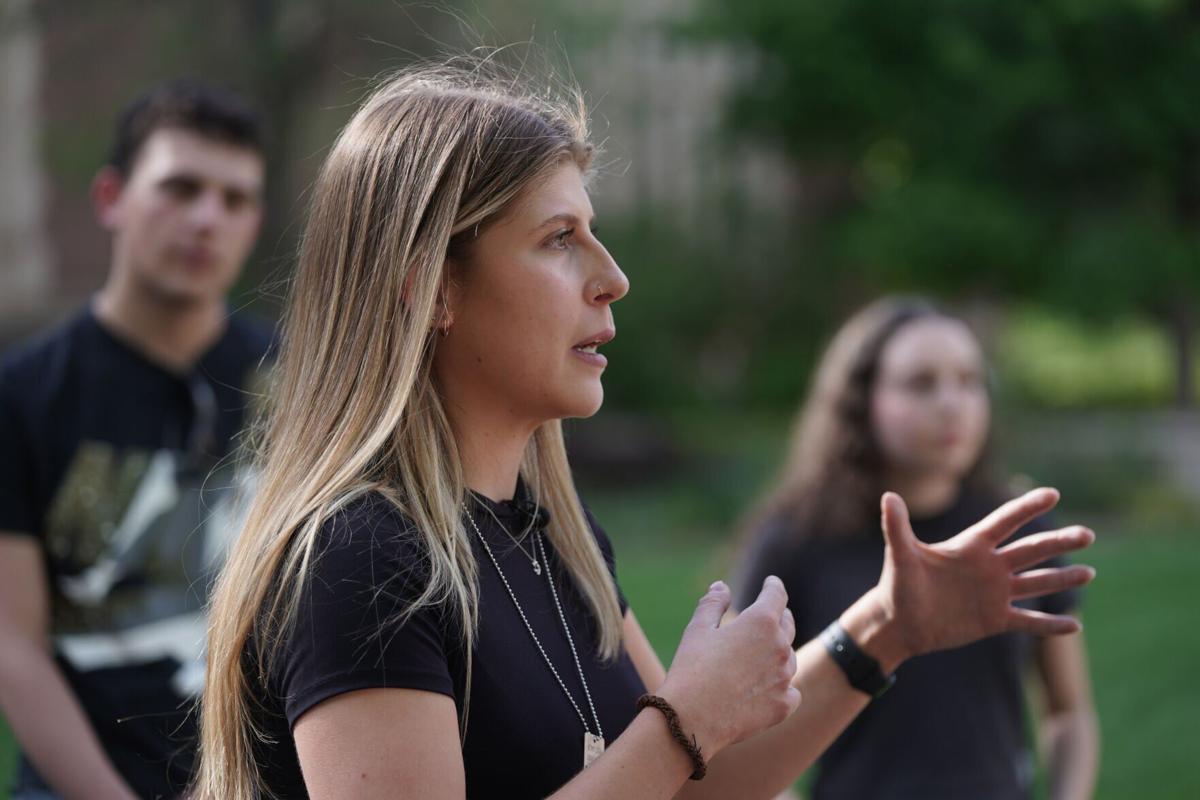
Lauren Zide speaks with the media during a press conference at the University of Denver in Denver, Friday, May 17, 2024. The students have formed a "first responder" squad to defend and protect themselves from Pro-Palestinian protests who, they believe, have become increasingly threatening.(Rebecca Slezak/Special to The Denver Gazette)
Rebecca Slezak/Special to The Denver Gazette

Lauren Zide speaks with the media during a press conference at the University of Denver in Denver, Friday, May 17, 2024. The students have formed a “first responder” squad to defend and protect themselves from Pro-Palestinian protests who, they believe, have become increasingly threatening.(Rebecca Slezak/Special to The Denver Gazette)
The student protests of the 1960s, for one, were marked by opposition to authority, antiwar demonstrations and advocacy for “justice and equality.”
Check, check and check.
Or at least that’s what today’s protesters are claiming — a direct lineage to the activism from six decades ago.
And then there are the uncanny coincidences.
In 1968, Chicago hosted the Democratic convention — as it will later this summer — and Former Attorney General Robert F. Kennedy was running for president, just as his son, Robert F. Kennedy Jr., is making an independent bid for the White House.
Check, and check — but with a notable nuance. Robert F. Kennedy Jr is a staunch supporter of Israel and he has described the Hamas attack as akin to the Japanese bombing of Pearl Harbor. He also called Israel a “moral nation.”
“I just can’t believe the parallels with 1968,” Keith Orejel, an American History professor at Wilmington College, wrote on X, formerly Twitter. “Like is this a bit?”
Pro-Palestinian activists, too, have proclaimed human rights themes and relied on similar tactics and strategies used by students in the 1960s.
The comparisons between the student movement then and the pro-Palestinian protests this past spring share one more thing: Each movement — a Regis University professor has argued — was informed by the activism that proceeded it.
“I think what’s really clear is that the student movement against the Vietnam War really took a lot of inspiration and energy from the Civil Rights Movement,” said Ian Zuckerman, a political science professor at Regis University.
A decade before college students began organizing in the ‘60s, the Civil Rights Movement would serve as a powerful example of a grassroots campaign that led to significant social and political change.
Zuckerman noted that many of today’s college students came of age during the racial unrest that followed the death of George Floyd, a 46-year-old Black man, who was killed at the hands of police officers in Minneapolis in the summer of 2020.
Captured on video that went viral, Floyd’s death drew widespread outrage that spurred nationwide protests. Many of these protests were peaceful, but others involved clashes of violence with police, and, in some cases, they turned into looting and theft.
In Denver, the protesters clashed with the police, who deployed tear gas, sponge rounds and pepperballs. Multiple lawsuits against the city were filed. So far, these cases have led to millions of dollars in settlements for Denver and Aurora taxpayers.
The Black Lives Matter protests were among the largest, most diverse in U.S. history.
Activists have said they were calling for an end to racial profiling and police brutality, while critics said they illustrated anew society’s chaotic breakdown.
“It emotionally resonated with them in a way that was like a catalyst and I think you see something kind of similar today,” Zuckerman said of the activists then and now. “Whether you see this as a good or bad thing probably rests on whether you’re sympathetic or not.”
‘Saying the quiet part out loud’
A wave of pro-Palestinian rallies on college campuses and clashes with police had already nabbed headlines across the U.S. before the first tents were erected in Denver.
Officials initially appeared to have dismissed the idea the unrest would break out here.
But six weeks ago, more than 200 protesters — many of them students, though it’s not clear how many exactly — occupied the Auraria campus, demanding, among other things, that university officials divest from corporations that operate in Israel.
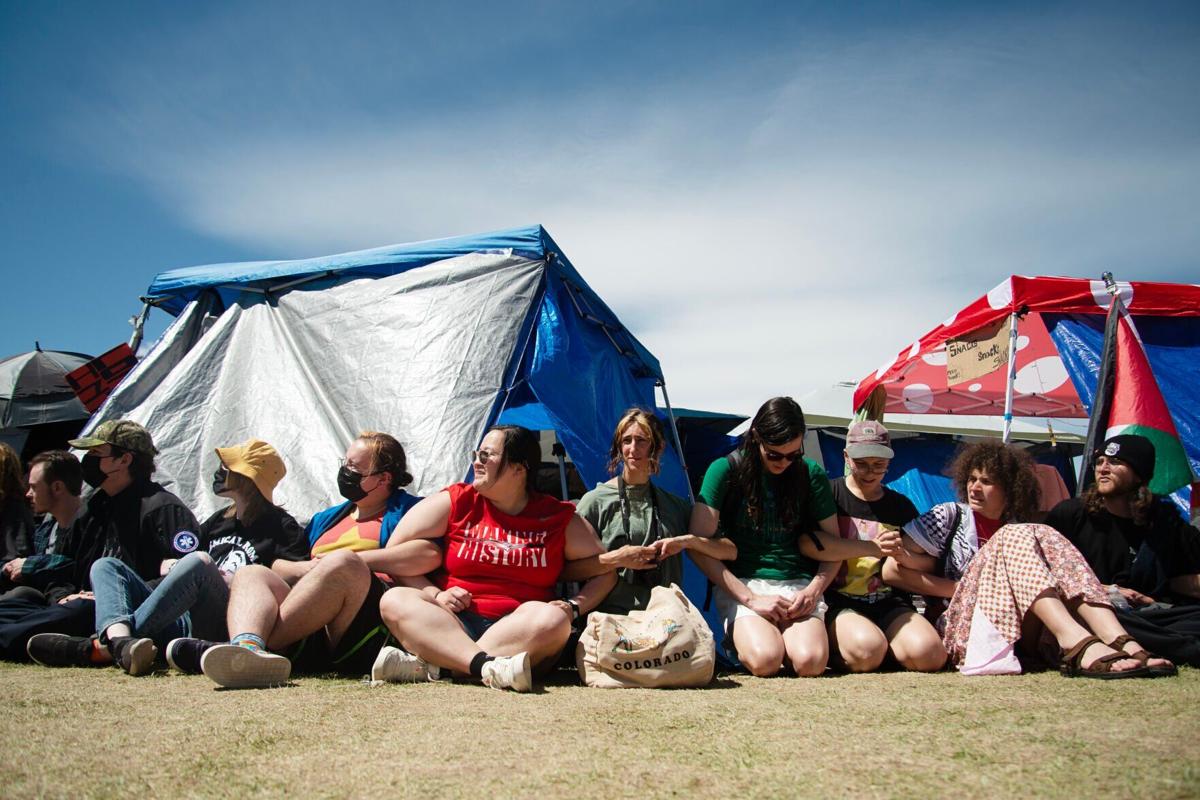
FILE PHOTO: Pro-Palestinian protesters practice locking arms on Tuesday, April 30, 2024 on the Auraria Campus's Tivoli Quad, anticipating a confrontation with police, borrowing from similar tactics used by activists in the Civil Rights and student movements.
Tom Hellauer tom.hellauer@denvergazette.com

FILE PHOTO: Pro-Palestinian protesters practice locking arms on Tuesday, April 30, 2024 on the Auraria Campus’s Tivoli Quad, anticipating a confrontation with police, borrowing from similar tactics used by activists in the Civil Rights and student movements.
Less than 24 hours later, campus police officers, aided by the Denver Police Department, dismantled the encampment and arrested more than 40 activists.
But the campus police didn’t physically remove the tents from the area, and the tents reemerged in no time.
“We are using methods that were used in previous struggles to see change,” Khalid Hamu, a lead organizer with Students for a Democratic Society, has said.
Hamu called the encampment “a political tool” for getting their demands met.
“We’re intentionally being disruptive,” Hamu said. “Violating policies and stuff like that is how change happened in the past.”
The protesters have also occupied streets, snarling up traffic in a tactic commonly deployed by “climate” activists.
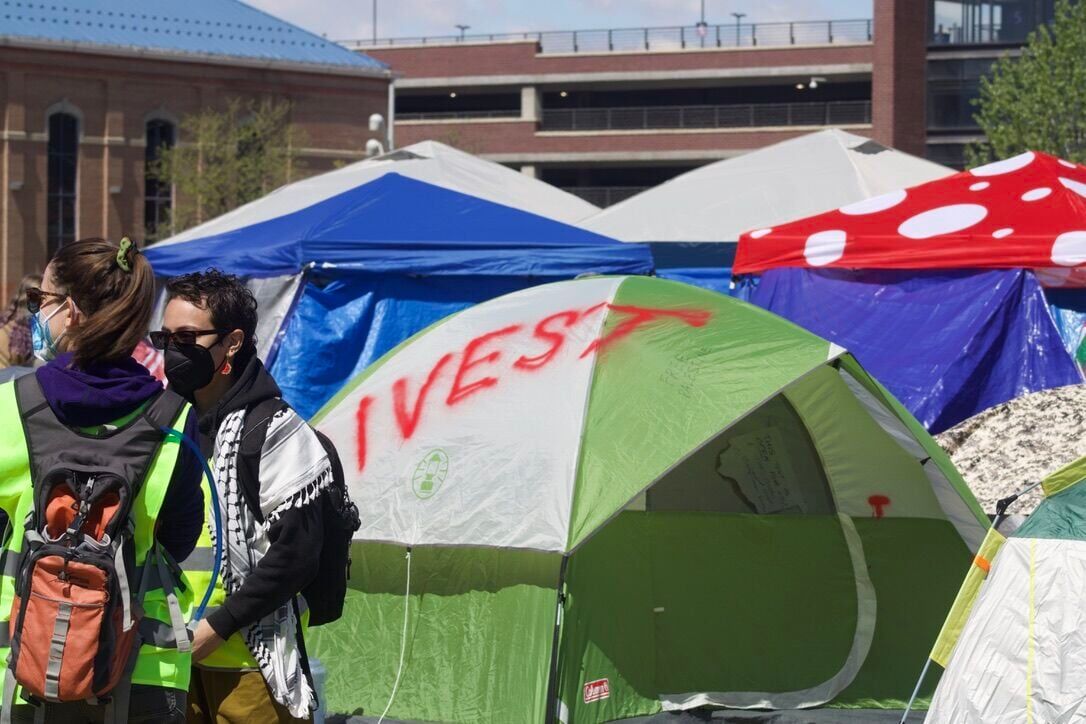
FILE PHOTO: Pro-Palestinian protesters set up tents on the Auraria Campus after campus police dismantled their encampment on April 26 and arrested 44 activists. (Noah Festenstein/The Denver Gazette)
Noah Festenstein/Denver Gazette

FILE PHOTO: Pro-Palestinian protesters set up tents on the Auraria Campus after campus police dismantled their encampment on April 26 and arrested 44 activists. (Noah Festenstein/The Denver Gazette)
Despite the more than two dozen protests since Oct. 7 on the Auraria campus — which is home to the University of Colorado Denver, Metropolitan State University of Denver (MSU) and the Community College of Denver (CCD) — officials appeared to have been caught flat footed.
The protests emerged in response to civilian Palestinian deaths at the hands of Israeli forces following an unprovoked attack by Hamas — an Islamist militant group labeled a terror organization by several countries, including the U.S. The group had killed 1,200 people in Israel and took roughly 250 others hostage. Retaliatory strikes by Israel and the ground offensive killed roughly 35,000, according to the Hamas-run Health Ministry in Gaza.
Jewish students at DU form ‘first responders squad’ in response to pro-Palestinian protests
Two weeks after the Auraria encampment appeared, the University of Denver (DU) would see its own encampment.
As the protests grew bigger, they invited condemnation from Jewish students, who said they had been harassed. One student the harassment forced his group to move from one spot to another.
DU administrators faced increasing criticism from Jewish students who said protesters had left them feeling scared and vulnerable. To counter this, Jewish students at DU formed a “first responder” squad to protect themselves from pro-Palestinian protesters whom they accused of becoming increasingly threatening.
University officials said they, too, have seen instances of antisemitism at the encampment.
Indeed, while the activists insisted their protests were aimed at “divestment” and ending the Israel-Hamas war, many Jewish Americans believed antisemitism permeated the encampments.
Others wondered whether the Hamas attack and the ensuring war merely exposed the antisemitism among some political groups.
Scott Wasserman, a longtime political observer in Colorado who is Jewish and a liberal, noticed what he described as the “disorienting” experience of seeing allies on the political left somehow blame Israel for the Oct. 7 massacre.
“What’s probably concerning for me and a lot of others is that maybe there had for a long time been people who weren’t saying the quiet part out loud,” he said in a recent interview. “When I, two years ago, went to Israel and came back and was showing friends and colleagues pictures from my trip or talking to them about experiences, were they leaving the room and saying, ‘That filthy Zionist! I can’t believe he supports the state of Israel.'”
The protests in Colorado and elsewhere set off a fierce debate over the parameters for free speech, drew allegations of antisemitism and put a spotlight on university officials, who struggled with the tension between upholding the ideals of free speech and maintaining campus security.
“Free speech is important, but it’s not an absolute,” said Donald W. Sweeting, Colorado Christian University chancellor.
Sweeting’s faith-based university has not experienced the disruptions seen in Denver.
‘A headline from the 1960s’
The tents are gone, for now.
After very public spats with administrators over the encampments, students at DU and on the Auraria campus dismantled their tents.
But students have vowed to return.
“Our fight is not over,” DU_4palestine said in a statement posted on Instagram.
It’s not just the students who have dug in their heels.
In announcing the encampment’s closure, DU Chancellor Jeremy Haefner told protesters the university — which is a private institution in Denver — would not meet their demands “for practical and policy-guided reasons.”
Last pro-Palestinian encampment in Colorado dismantled at DU
The activists responded by calling Haefner and his administration “cowards who continue to support genocide.”
What is striking about the posturing from both camps is how closely it resembles the dynamics at play in the student movement six decades ago.
The headlines then could have been written yesterday.
DU has a long and rich history of student protests that have been met with varied responses from administrators.
In 1970 — three days after constructing temporary housing near the Student Union in what students called “the Woodstock Nation” — then DU Chancellor Maurice B. Mitchell gave campers an ultimatum: leave campus or face disciplinary action.
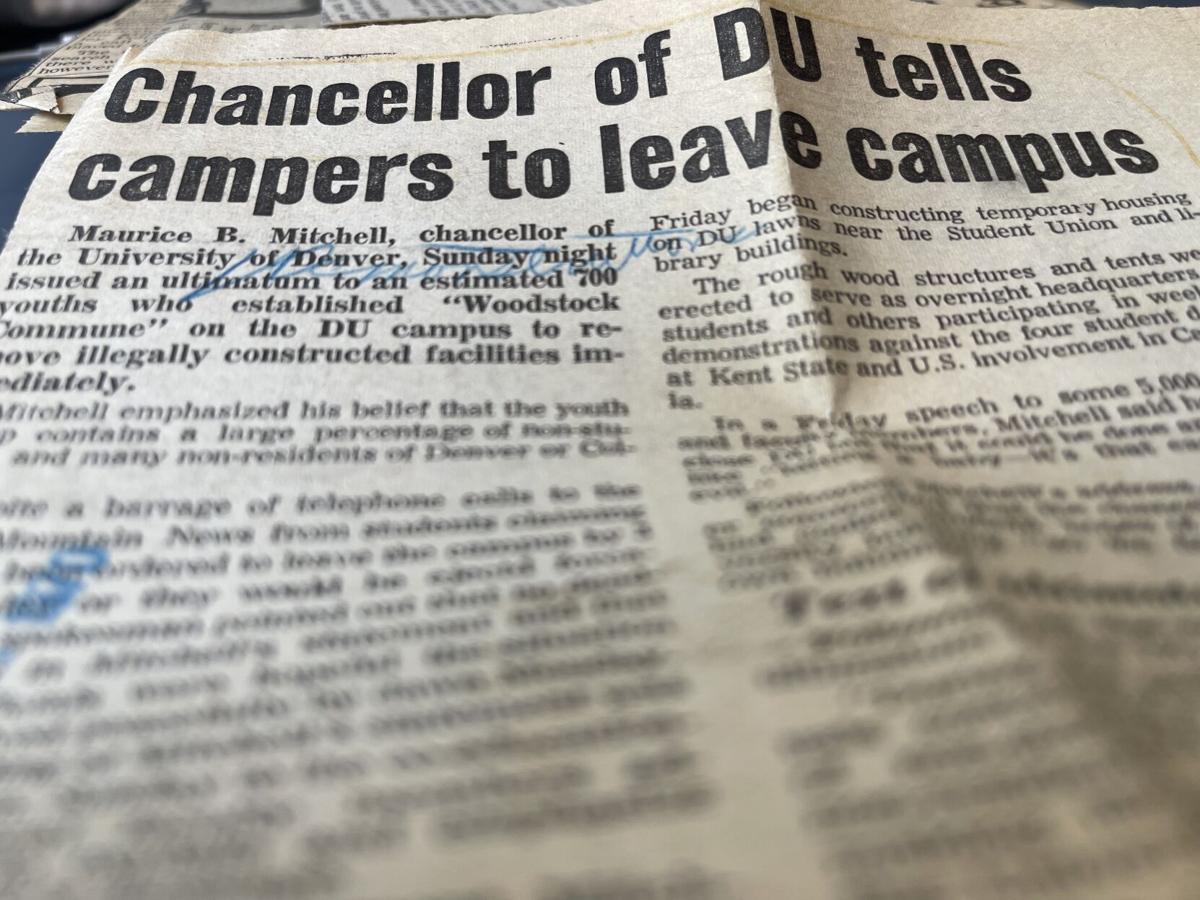
In a photo of this May 11, 1970 Rocky Mountain News clip the University of Denver Chancellor Maurice B. Mitchell issued an ultimatum, telling 100 young people who had “established ‘Woodstock Commune’ on the DU campus to remove illegally constructed facilities immediately.”
Nicole C. Brambila nico.brambila@denvergazette.com

In a photo of this May 11, 1970 Rocky Mountain News clip the University of Denver Chancellor Maurice B. Mitchell issued an ultimatum, telling 100 young people who had “established ‘Woodstock Commune’ on the DU campus to remove illegally constructed facilities immediately.”
Haefner, today’s DU chancellor, told the protesters something similar — activists can keep their encampment, but they must strictly abide by campus policy or face disciplinary action.
By comparing arrest and citation information against campus enrollments, Auraria officials have said roughly half of the protesters involved in the disturbances were students.
According to Rocky Mountain News clips 54 years ago, the DU encampment then had attracted about 700 youths, a significant percentage of whom Mitchell claimed were non-students.
“The university’s primary interest is in the safety and protection of its students, faculty and staff, as well as the residents of the area surrounding its campus,” Mitchell said in a statement published in the newspaper.
Two weeks into the standoff with pro-Palestinian protesters last month, Haefner issued a similar statement, saying he had “lost confidence” in the encampment continuing after vandalism and reports of discriminatory and harassing behavior. While the veiled threat signaled that university officials were poised to dismantle the tents if protesters failed to do so voluntarily, the encampment remained for another week.
Though DU officials showed restraint last month, that was not the case in 1968.
Police arrested 39 students who — in holding a sit-in — had “wedged themselves between desks and the aisles ” in the registrar’s office to protest the campus elections for the student Senate, which serves undergraduates.
These students were expelled, which were later reduced to suspensions from DU. Police charged them with loitering.
“Protests typically work because they’re disruptive,” Zuckerman, the Regis University professor, said. “And to be disruptive you have to break some rules.”
Vanderbilt University officials are believed to have expelled the first students because of protests over the Israel-Hamas conflict.
In Colorado, a spokesperson for DU said fewer than a dozen were suspended and none expelled. And just one community college student is facing a conduct review, a CCD spokesperson said.
A DU spokesperson said while the university has not expelled any students, “fewer than half a dozen students have been interim suspended for acts of vandalism and for violating the University of Denver student honor code.”
Colleen Walker, the executive director of the Auraria Higher Education Center, told The Denver Gazette that students are going through what’s called the “conduct code review” process, which is used to address student behavior.
That review process — Walker said — can result in expulsion.
“So, if you are arrested because you have broken a law and you have ignored the policy and you have ignored the conduct code, that doesn’t bode well,” Walker said.
When asked if the campus would pursue charges of trespassing and assault against activists, Walker replied, “Yes, we are.”
“There were several charges. So, it depended, of course, on the individual, but trespassing, interference, physical violence and damages, whether it was vandalism or something else, we will absolutely be pursuing that,” she said.
Amid mounting fears over antisemitism and Congressional hearings that grilled Ivy League university presidents over accusations their institutions had failed to protect Jewish students, New York City police were called in to disband the encampment at Columbia University where they arrested more than 100 protesters.
R. Barbara Gitenstein, president emerita of College of New Jersey, was not surprised.
“I felt as if I were reading a headline from the 1960s,” said Gitenstein, who served as president from 1999 to 2018.
Gitenstein added: “Part of what we’re seeing here is another generation rightfully saying, ‘Things are being done in my name that I don’t want to be done.’”
During the relative quiet of the summer, Gitenstein said administrators would do well to prepare for a second reiteration of pro-Palestinian protests she is convinced will “come back in the fall.”
‘Looks like Tarzan, walks like Jane’
While the student protests of the 1960s did not solely produce the counterculture movement, it played a significant role.
Universities have never been the same.
It was during this time, Zuckerman at Regis said, that the role of universities imposing “conventional morality” ended.
The challenges to societal norms at the time created a great upheaval that gave rise to the counterculture movement and a political backlash still felt today in the culture wars, Zuckerman said.
Although not the first to criticize this societal shift, it was former President Ronald Reagan who famously objected to the sea change, saying while governor of California: “A hippie is someone who looks like Tarzan, walks like Jane and smells like Cheetah.”
Zuckerman will be the first to admit he doesn’t have a crystal ball. He doesn’t know whether the today’s student protesters will have the stamina of those who came before and ignited a decade of unrest.
But that’s not what frightens him anyway.
It’s the shrinking space for disagreement in the public discourse and how that might be politicized in November.
“What concerns me,” Zuckerman said, “is the way the campus unrest will become politicized in the upcoming presidential campaign.”
And just like university officials in the 1960s, Eric Hogue, the current president of Colorado Christian University, worries about a larger shift in the American society, a change he said is encapsulated by what’s going on in America’s campuses today.
“Universities are teaching students how to tear everything down — woke — and then reprogram it in a progressive, I might say, regressive fashion. And that is then labeled as success for the future of this country,” he said.
“And if they are your son or daughter,” he said of the pro-Palestinian protesters, “you might want to give them a phone call right now and bring them home and sit them down at the dinner table and say, ‘Listen to me. You have a long life ahead of you.
“There may be things you disagree with, but this is not how we as a family behave and redirect them in some constructive fashion.”
Denver Gazette Reporter Noah Festenstein contributed to this report.

Colorado Politics Calendar Aug. 3-9
Rachael Wright, Special to Colorado Politics
rachael.wright@coloradopolitics.com
Updated 3 days ago
CoPo’s weekly political calendar will help you find political and public-policy events throughout Colorado. It includes candidate and issue campaign events, public policy meetings, court hearings, state and local party conventions, assemblies, debates, rallies, parades, speaking engagements, traveling dignitary appearances,...

The primary political reform and precondition for all others | SONDERMANN
Eric Sondermann
eric-sondermann@coloradopolitics.com
Updated 3 days ago
In its current state, the American political system has no end of ailments. Far too many factors accelerate polarization and work against moderation and narrowing the differences. Media, and the way so many citizens limit themselves to agreeable, reinforcing sources,...
Susemihl wins surprise victory to replace Steve Durham as Colorado Springs state senator | A LOOK BACK
Rachael Wright, Special to Colorado Politics
rachael.wright@coloradopolitics.com
Updated 3 days ago
Forty-five years ago this week: In a closed session, the vacancy committee for Colorado’s Senate District 12 selected attorney Peter Susemihl to complete Sen. Steve Durham’s, R-Colorado Springs, term. Durham resigned his seat to become Region 8 Director of the...
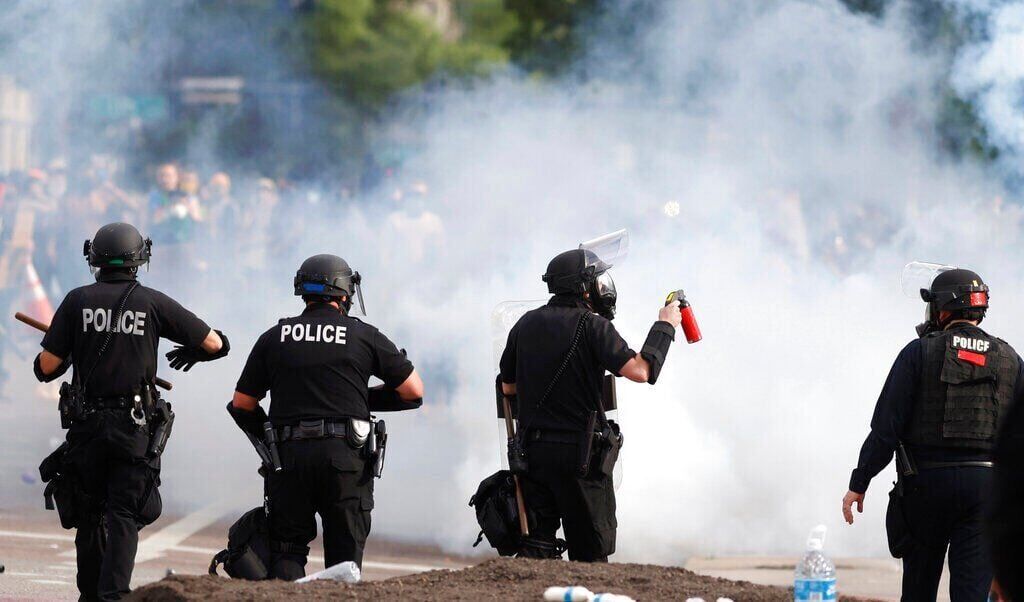
10th Circuit partially revives lawsuit over 2020 Denver protest injuries
Michael Karlik
michael.karlik@coloradopolitics.com
Updated 16 hours ago
The Colorado-based federal appeals court revived a man’s claims against Denver on Friday after concluding a trial judge resolved the case in the city’s favor without analyzing two of the three instances of alleged excessive force and other constitutional violations....
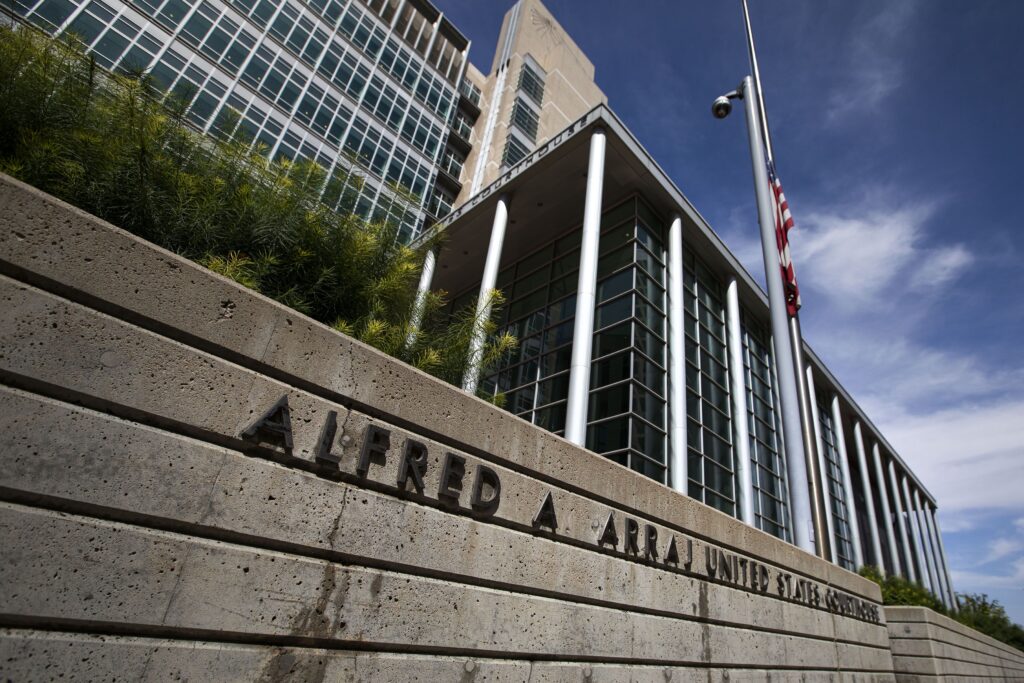
Federal judges find Colorado immigration judge violated several orders
Michael Karlik
michael.karlik@coloradopolitics.com
Updated 17 hours ago
Multiple federal judges in Colorado have freed people from immigration custody after determining that one immigration judge violated their directives for properly conducting bond hearings. For nearly a year, Colorado’s U.S. District Court has faced a flood of “habeas corpus” petitions...
Q&A with Mike Pence | Former vice president says GOP’s populist turn from conservatism isn’t permanent
Ernest Luning
ernest.luning@coloradopolitics.com
Updated 17 hours ago
Former Vice President Mike Pence says he’s concerned that the Republican Party has taken a populist turn away from bedrock conservative principles during President Donald Trump’s second term, but he believes the party will return to its roots when Trump...
New federal plan sets short-term rules for Colorado River management
Marianne Goodland
marianne.goodland@coloradopolitics.com
Updated 16 hours ago
Interior Department’s plan spares Colorado from mandatory cuts for now After years of stalled negotiations among the seven states that rely on the Colorado River, the federal government on Friday released its own plan for managing the drought-strained system. Calling...
Fauci’s diary details blooming outrage toward ‘far right,’ softness toward Biden and China
Hudson Crozier
hudson.crozier@washingtonexaminer.com
Updated 21 hours ago
Dr. Anthony Fauci increasingly railed against “far right” critics of his approach to COVID-19 issues while describing strong support from the Biden White House in his pandemic-era diary, which was recently released by Congress. The former National Institute of Allergy...
Colorado is spared mandatory cuts under federal Colorado River proposal
The Associated Press
the-associated-press@coloradopolitics.com
Updated 22 hours ago
California, Arizona and Nevada to take less water under plan While Colorado has been spared from mandatory reductions, Arizona, California and Nevada would take less water from the Colorado River under a proposal announced Friday by the federal government to...
Republican Victor Marx taps George Markert as his lieutenant governor pick in Colorado’s gubernatorial race
Ernest Luning
ernest.luning@coloradopolitics.com
Updated 15 hours ago
Colorado Republican gubernatorial nominee Victor Marx named George Markert, a retired Marine colonel, as his running mate for lieutenant governor Friday morning, saying the former U.S. Senate candidate will bring “exceptional character, proven leadership and a lifetime of serving others”...