

Adams County conviction overturned after judge blocked questions about victim’s motive to testify
An Adams County judge blocked jurors from hearing about a victim’s own criminal charge and potential motive to testify the way prosecutors wanted, prompting Colorado’s second-highest court to find a constitutional violation and order a new trial for the defendant.
A jury acquitted Semaj Reynolds-Wynn of attempted murder after a 2021 trial, but convicted him of attempted reckless manslaughter instead. With no physical evidence and no other eyewitnesses, jurors heard only the victim’s testimony accusing Reynolds-Wynn of shooting him in the head.
Jurors did not know, however, that the victim was simultaneously facing prosecution by the same district attorney’s office, and prosecutors had arranged for him not to be arrested so he could testify at trial. On Thursday, a three-judge panel for the Court of Appeals found the prohibition on any questioning about the victim’s own pending case violated Reynolds-Wynn’s constitutional right to confront the witnesses against him.
“For a witness in such a situation, this power dynamic can raise questions regarding the witness’s credibility: To what extent, if any, is the witness’s testimony influenced by the desire to curry favor with the prosecutor?” wrote Judge Lino S. Lipinsky de Orlov in the April 4 opinion. “While this fear or hope may arise from an actual or implied threat or promise by the prosecutor, it can also arise from the mere perception of the prosecutor’s power.”
At Reynolds-Wynn’s trial, jurors heard that the victim, Johnathon Pennock, received a severe gunshot wound to the head in another person’s apartment. Other people had been in the home, but no one witnessed the shooting. Upon arriving at the hospital, Pennock fell into a coma for two weeks. When he woke up, he identified Reynolds-Wynn as his assailant. Reynolds-Wynn denied being the shooter.
Prior to trial, Adams County prosecutors sought to clear up an arrest warrant for Pennock, who was suspected of violating a restraining order. The district attorney’s office asked for and received a court order preventing Pennock’s arrest while he traveled from out of state, where he was receiving care, to Colorado to testify.
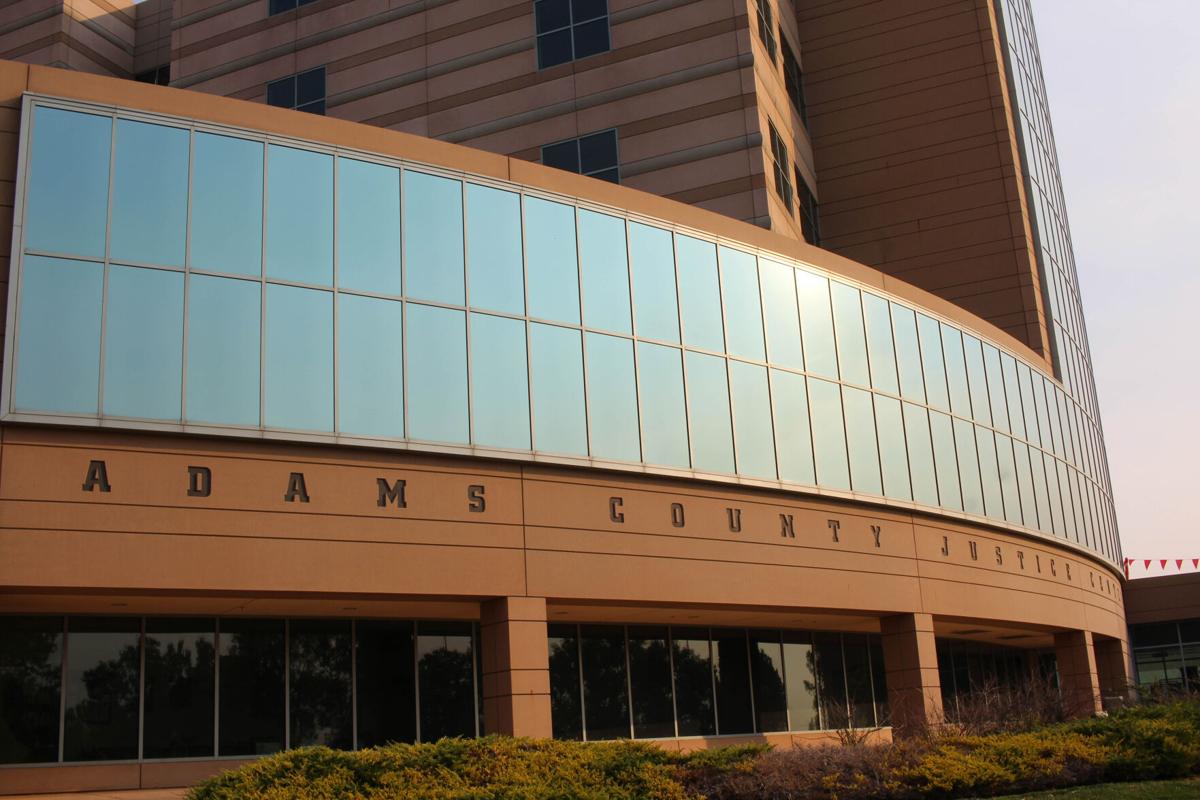
The Adams County Justice Center
Photo by Liam Adams

The Adams County Justice Center
Reynolds-Wynn sought to cross-examine Pennock about his pending criminal case, arrest warrant and the prosecution’s intervention on his behalf. But District Court Judge Priscilla J. Loew blocked the request, saying she did not see “any sort of relationship beyond the district attorney-victim/witness relationship.” Loew also did not view the prosecution’s actions as amounting to “accommodations for his testimony.”
After trial, Pennock pleaded guilty to a misdemeanor charge in his own case.
On appeal, Reynolds-Wynn argued Pennock’s looming prosecution by the same district attorney’s office that sought his testimony created an incentive to testify in a way that assisted prosecutors — which jurors should have known about.
“The key question is whether Pennock’s testimony might have been influenced by a hope or expectation of leniency as unearthed by this cross-examination. The answer is yes,” wrote public defender Jeffrey A. Wermer.
The Colorado Attorney General’s Office countered that prosecutors “made no such promise” of leniency and, in any event, the defense attacked Pennock’s credibility at trial on a range of other issues.
The appellate panel observed that the prosecution’s actions in facilitating Pennock’s testimony did not matter as much as Pennock’s perception of whether he could receive leniency in his own criminal case. Lipinsky noted the Colorado Supreme Court previously ruled a witness’s probationary status is relevant to understanding the incentive to give favorable testimony for the prosecution, and the same logic applied to a witness who is facing criminal charges.
“Because the trial court barred defense counsel from cross-examining Pennock on his perception of the prosecutor’s actions, the jury never learned whether they gave him an incentive to curry favor with the prosecutor,” Lipinsky wrote.
The Court of Appeals ordered a new trial for Reynolds-Wynn.
The case is People v. Reynolds-Wynn.


Federal judge clarifies ex-GOP treasurer candidate’s burden to prove defamation claims
Michael Karlik
michael.karlik@coloradopolitics.com
Updated 1 hour ago
A federal judge clarified last week that businessman and former Republican statewide candidate Brian Watson will need to surmount a higher hurdle in proving his claim that a party guest’s alleged description of him as a “criminal” amounted to defamation....
Colorado board permits state to appeal injunction against arthritis drug price cap
Marissa Ventrelli
marissa.ventrelli@coloradopolitics.com
Updated 5 hours ago
A Colorado board voted Friday to allow the Attorney General’s Office to fight an injunction against a price cap on a drug that treats arthritis. A U.S. district court judge had granted the company Amgen a preliminary injunction, temporarily blocking...

Federal judge rejects constitutional claims, ‘expressions of hatred’ by Club Q defendant
Michael Karlik
michael.karlik@coloradopolitics.com
Updated 20 hours ago
A federal judge rejected a defendant’s claims that he received constitutionally ineffective assistance of counsel while facing federal hate crime and firearms charges for murdering five people at a Colorado Springs LGBTQ nightclub in 2022. Anderson Lee Aldrich is serving...

Divided 10th Circuit upholds Colorado congestion fee on car rentals
Michael Karlik
michael.karlik@coloradopolitics.com
Updated 17 hours ago
The Denver-based federal appeals court concluded on Monday that a 2024 “congestion impact fee” that lawmakers imposed on short-term vehicle rentals did not conflict with a federal prohibition on certain airport-related charges. Beginning in the 1970s, Congress began limiting the...
10th Circuit dismisses woman’s lawsuit following 10-year attempt to undo restraining order
Michael Karlik
michael.karlik@coloradopolitics.com
Updated 4 days ago
The Denver-based federal appeals court rejected a woman’s challenge on Friday to a restraining order imposed on her more than a decade ago, finding that she cannot credibly claim she will be prosecuted for violating the restraining order through her...
10th Circuit dismisses woman’s lawsuit following 10-year attempt to undo restraining order
Michael Karlik
michael.karlik@coloradopolitics.com
Updated 4 days ago
The Denver-based federal appeals court rejected a woman’s challenge on Friday to a restraining order imposed on her more than a decade ago, finding that she cannot credibly claim she will be prosecuted for violating the restraining order through her...
Colorado equal pay law does not require plaintiffs to allege gender-based retaliation, appeals court finds
Michael Karlik
michael.karlik@coloradopolitics.com
Updated 3 days ago
The 2019 Colorado law aimed at rooting out pay discrimination on the basis of sex does not require a plaintiff to allege their employer retaliated against them for sex- or gender-related reasons, the state’s second-highest court decided on Thursday. Lawmakers...
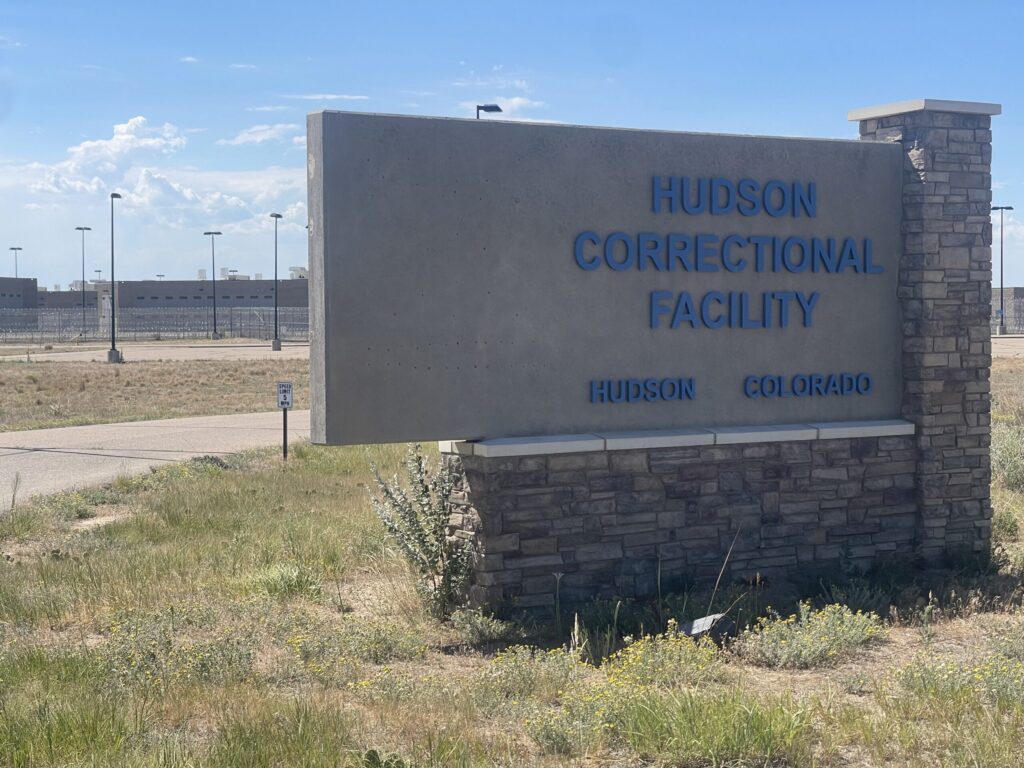
Hudson faces lawsuit over ICE detention facility
Nicole C. Brambila
nicole-c-brambila@coloradopolitics.com
Updated 4 days ago
A nonprofit organization filed a lawsuit against the Town of Hudson Wednesday, challenging plans to reopen a former federal prison in the town as a U.S. Immigration and Customs Enforcement detention facility. Together Colorado, along with Janet E. Carlson, filed...
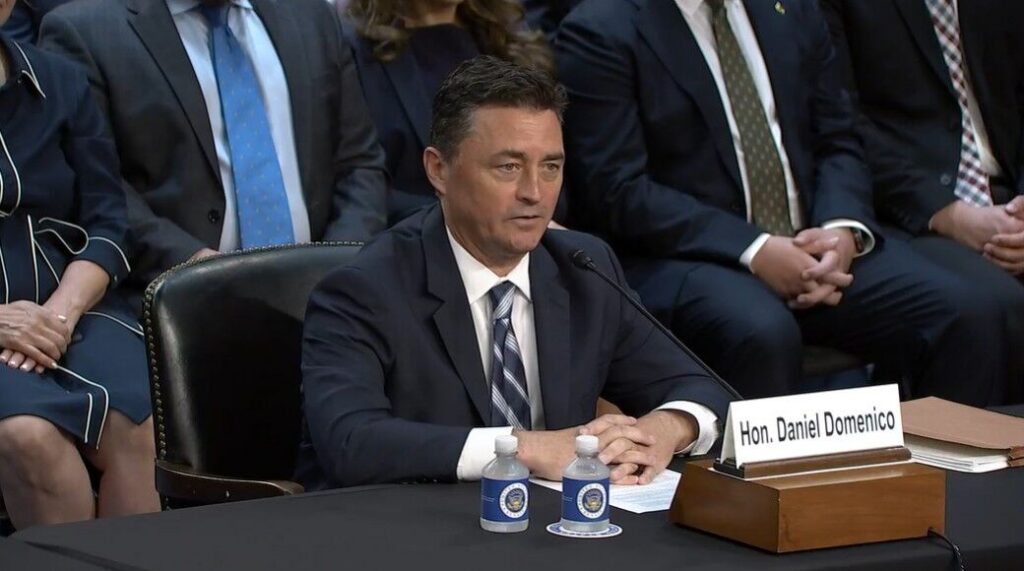
Senate committee advances Trump’s 10th Circuit nominee, as Domenico responds to questions about delays
Michael Karlik
michael.karlik@coloradopolitics.com
Updated 4 days ago
The U.S. Senate Judiciary Committee advanced President Donald Trump’s nominee to the Denver-based federal appeals court on Thursday by a party-line vote of 12-10. U.S. District Court Judge Daniel D. Domenico, who was Trump’s first-term appointee to Colorado’s federal trial...
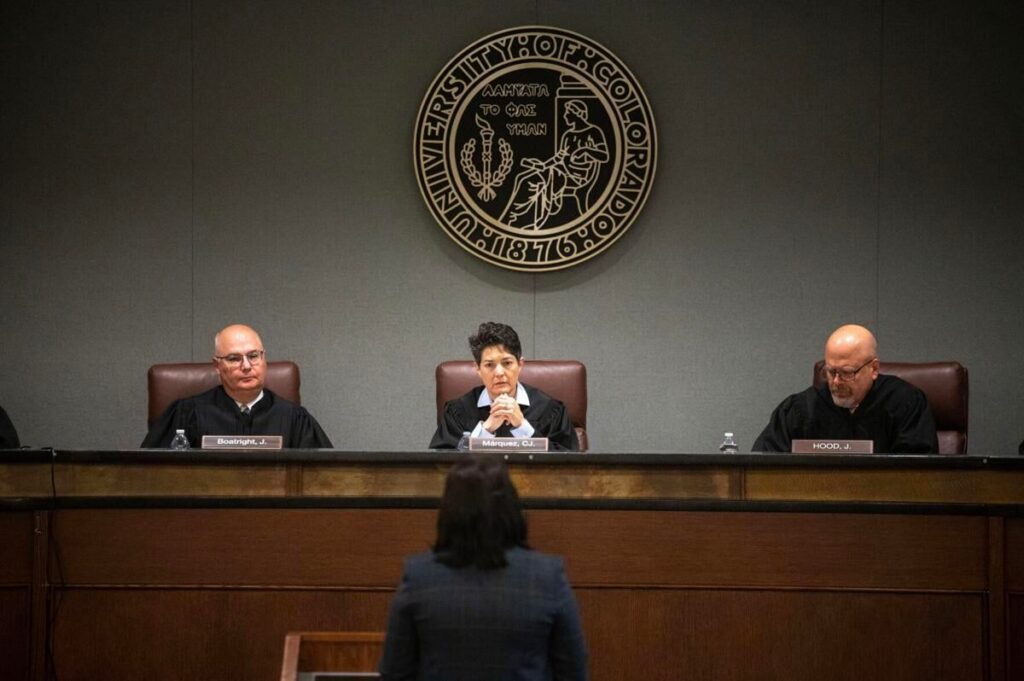
Colorado justices to hear embryonic donation dispute
Michael Karlik
michael.karlik@coloradopolitics.com
Updated 5 days ago
The Colorado Supreme Court announced on Monday that it will decide whether lower court judges properly applied its framework for adjudicating disputes over the fate of pre-embryos, in which one person wants to use them to become a parent and...
PREV
PREVIOUS

Adams County conviction overturned after judge blocked questions about victim's motive to testify
An Adams County judge blocked jurors from hearing about a victim’s own criminal charge and potential motive to testify the way prosecutors wanted, prompting Colorado’s second-highest court to find a constitutional violation and order a new trial for the defendant. A jury acquitted Semaj Reynolds-Wynn of attempted murder after a 2021 trial, but convicted him […]
Adams County conviction overturned after judge blocked questions about victim's motive to testify
An Adams County judge blocked jurors from hearing about a victim’s own criminal charge and potential motive to testify the way prosecutors wanted, prompting Colorado’s second-highest court to find a constitutional violation and order a new trial for the defendant. A jury acquitted Semaj Reynolds-Wynn of attempted murder after a 2021 trial, but convicted him […]