

Colorado lawmakers review bill on refusing DUI-related blood tests, motor vehicle offenses

A sweeping measure that would deal with a host of motor vehicle offenses, including refusal to submit to a blood test for drunk driving, is awaiting a vote from the House Judiciary Committee.
The main provisions in House Bill 1135 actually deal with motor vehicle offenses committed by commercial drivers. But the bill’s broad title, on offenses related to operating a motor vehicle, gave the sponsors latitude to include other issues.
Reps. Marc Snyder, D-Manitou Springs, and Matt Soper, R-Delta, attempted to address several roadway problems with the measure, which a committee reviewed — but took no action — on Tuesday.
The bill would make it a Class 1 misdemeanor to operate a commercial motor vehicle without a commercial driver license, operate a commercial motor vehicle while under 21 years of age, or drive a commercial vehicle with more than one license.
The bill’s second section deals with the growing problem of people who decline to submit to a blood test when stopped for suspicions of driving while intoxicated or impaired.
The Colorado State Patrol said there is a growing trend nationwide for drivers to refuse chemical testing or blood tests. Colorado is facing the same problem — in 2018, about 38% refused those tests but by 2022, the number neared 50%.
On average, that’s more than 6,800 refusals per year.
Under HB 1135, the penalty for refusing a blood test would be the same as the original DUI offense.
The bill’s third section deals with interlock-restricted licenses, also employed with a person convicted of DUI. The measure would increase the minimum time someone would hold an interlock-restricted license.
Current law dictates that drivers with multiple DUI convictions must hold an interlock-restrict license for at least two years. Under HB 1135, that would be extended to three years for a third conviction and four years for a fourth conviction. That three-year restriction would also be applied to a person who refuses a blood test on a second DUI violation.
A part of the bill’s challenge is its cost: The fiscal analysis showed a potential price tag of $1.5 million in a year when lawmakers are likely to be limited to about $15 million for all new state expenses.
The bill is supported by the state’s law enforcement community, the Colorado District Attorneys’ Council and the Colorado Department of Transportation’s Highway Safety office. Mothers Against Drunk Driving and the Colorado Organization for Victims Assistance back the sections on drunk driving and the interlocks.
Greg Fulton of the Colorado Motor Carriers Association, who spoke in favor of HB 1135, said Colorado is the only state with so low a penalty for failing to obtain a commercial driver’s license — currently, it’s just a traffic infraction. That low penalty puts Coloradans at risk, he said. In 20% of fatal crashes involving large trucks, the driver lacked a commercial driver’s license, Fulton said, citing federal data.
There have been several notable instances of fatal accidents in Colorado involving people who drove large trucks without a commercial driver’s license, Fulton noted.
In 2019, a man who lacked a commercial driver’s license crashed his truck on I-70 outside of Golden, causing a fiery 28-vehicle accident that killed four people. He was initially sentenced to 110 years in prison but his sentence was commuted to ten years by Gov. Jared Polis.
Desiree Everts lost her 20-year old daughter and son-in-law and a three-month-old granddaughter to a crash caused by a truck driver who didn’t have a CDL and who was operating a truck with faulty brakes. A total of five people died in the Weld County crash last year. The driver has now been charged with five counts of vehicular homicide.
Every portion of this bill meets with Gov. Jared Polis’ agenda of making Colorado one of the Top 10 safest states, said Sheriff Tyler Brown of Arapahoe County. He noted there were 275 DUI arrests in his county last year.
Col. Matthew Packard, chief of the Colorado State Patrol, echoed Brown’s support for every section of HB 1135.
“If we can help make an impact on impaired driving,” he said, “it will save lives.”
He also noted a third of fatal crashes in 2023 involved someone driving drunk.
Opposition came from criminal defense lawyers.
Addressing the DUI portion of the bill, Abraham Hutt claimed it creates a new criminal charge. He added that the consequences for refusing to be tested have been increased.
James Karbach from the Colorado Criminal Defense Bar said making the refusal to participate in a test a crime would create “an absurd result.” Karbach also noted the availability of a blood warrant, which the Colorado Supreme Court said in 2022 would permit a police officer to forcibly draw blood from a motorist suspected of drunk driving.
The bill will produce a disproportionate impact on low-income people and tourists, Karbach said.
Brown told the committee that any use of force looks terrible — and judges will keep an eye on the changes on a regular basis. Packard added that the law would prevent use of force.
Snyder and Soper asked the committee hold off on voting to allow them time to work on amendments, including over the penalties outlined in the measure.

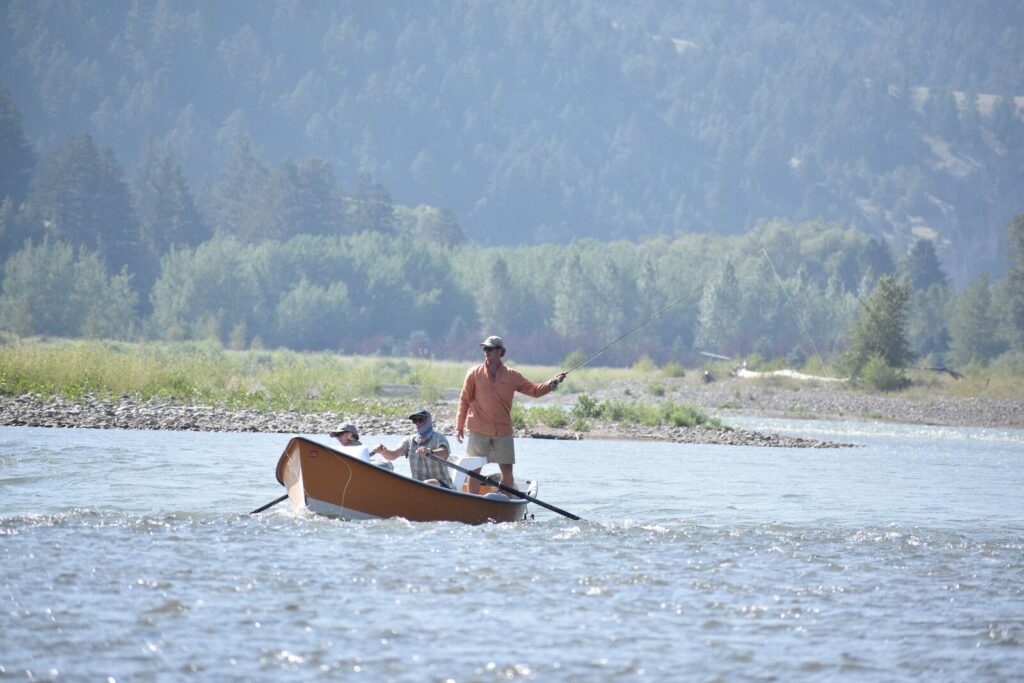
Fishing closures are becoming routine as record heat warms rivers in the US West | OUT WEST ROUNDUP
Ernest Luning
ernest.luning@coloradopolitics.com
Updated 3 days ago
MONTANA Fishing restricted as rivers warm LIVINGSTON — Trout need cool water to survive, but record heat this summer has driven water temperatures to lethal levels for fish. Wildlife officials are banning fishing during certain hours on rivers and streams...
Colorado measure redirects sales tax revenue from sporting goods, equipment to conservation programs
The Denver Gazette
the-denver-gazette@coloradopolitics.com
Updated 14 hours ago
A proposal to redirect sales tax revenues from sporting goods and equipment toward wildfire and conservation programs will appear on the ballot this November, election officials in Colorado confirmed. The measure, if approved by voters, would reduce the amount available...
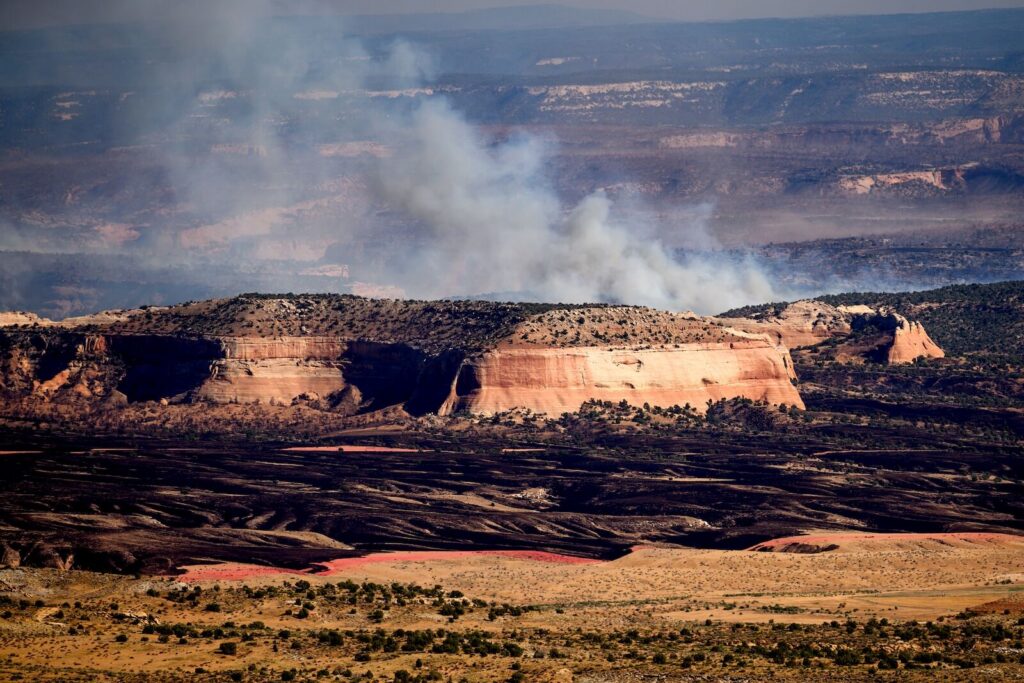
Firefighters’ deaths prompt debate over 100% suppression wildfire strategy
Rachael Wright, Special to Colorado Politics
rachael.wright@coloradopolitics.com
Updated 11 hours ago
On July 22, 2026, the chief of the U.S. Forest Service testified before a House Agriculture subcommittee that his agency pursues a “full suppression” strategy to contain all fires while they are still small, rather than allowing them to burn...
A summertime all-you-can-eat political buffet | SONDERMANN
Eric Sondermann
eric-sondermann@coloradopolitics.com
Updated 5 days ago
We find ourselves in the doldrums of August with a complete dearth of political news. Yeah, right. These days, that train never stops moving. It is a 24/7/365 express amplified by 24/7/365 media. Let me respond with one of my...
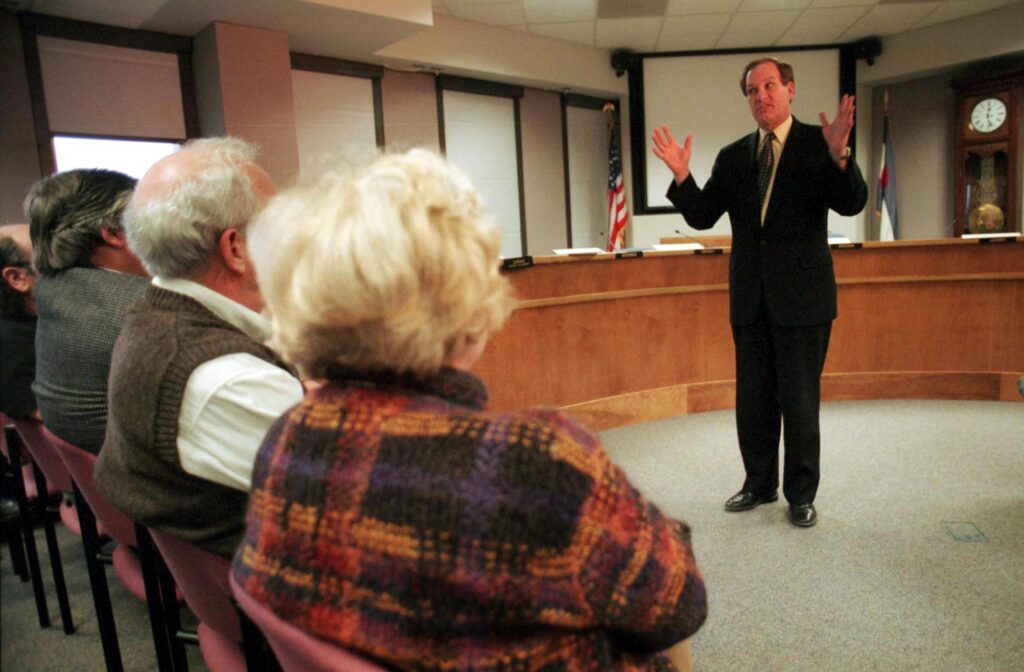
GOP worker pleads guilty to campaign funds embezzlement scheme | A LOOK BACK
Rachael Wright, Special to Colorado Politics
rachael.wright@coloradopolitics.com
Updated 5 days ago
Forty-five Years ago this week: After pleading not guilty to a Denver federal grand jury indictment of five counts of bank embezzlement, Eve Lynn Lincoln, a Colorado Republican Party employee, decided to plead guilty to one count: using bank credit...
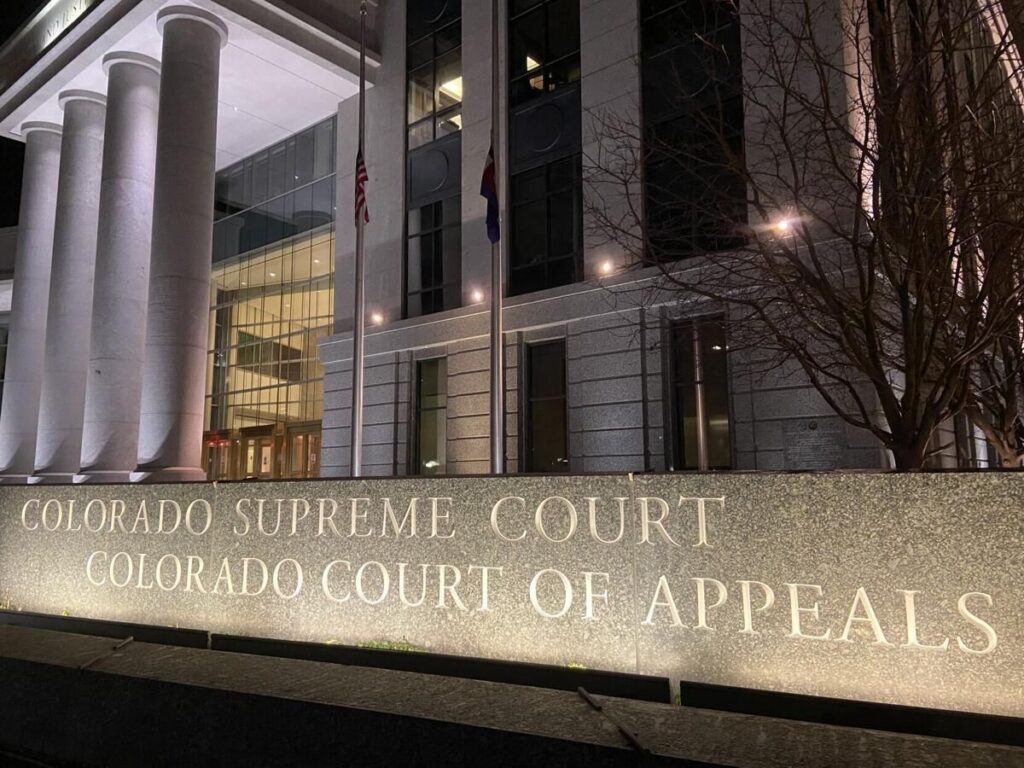
Schoolchildren’s presence at child sex-related trial did not harm Arapahoe County defendant, appeals court says
Michael Karlik
michael.karlik@coloradopolitics.com
Updated 1 day ago
Colorado’s second-highest court decided on Thursday that the presence of a group of schoolchildren on the first day of a child sexual exploitation trial did not violate an Arapahoe County defendant’s constitutional right to a fair trial. Prosecutors charged Jerry...
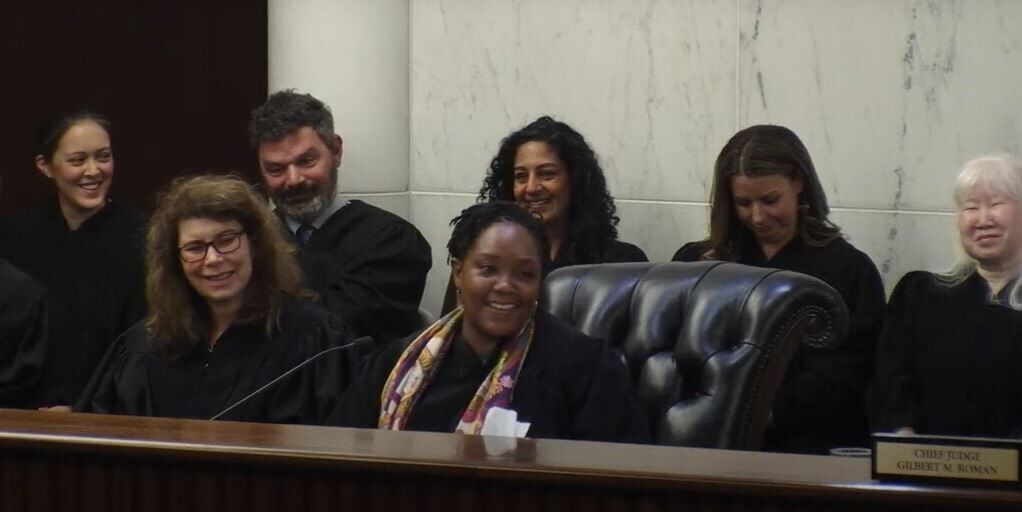
Appeals court cites week-old Colorado law to reinstate child neglect case at child, father’s request
Michael Karlik
michael.karlik@coloradopolitics.com
Updated 1 day ago
Colorado’s second-highest court invoked a new state law for the first time on Thursday and reinstated a child neglect case that both the child and her father wished to reopen. House Bill 1227 took effect on Aug. 12, reversing a...
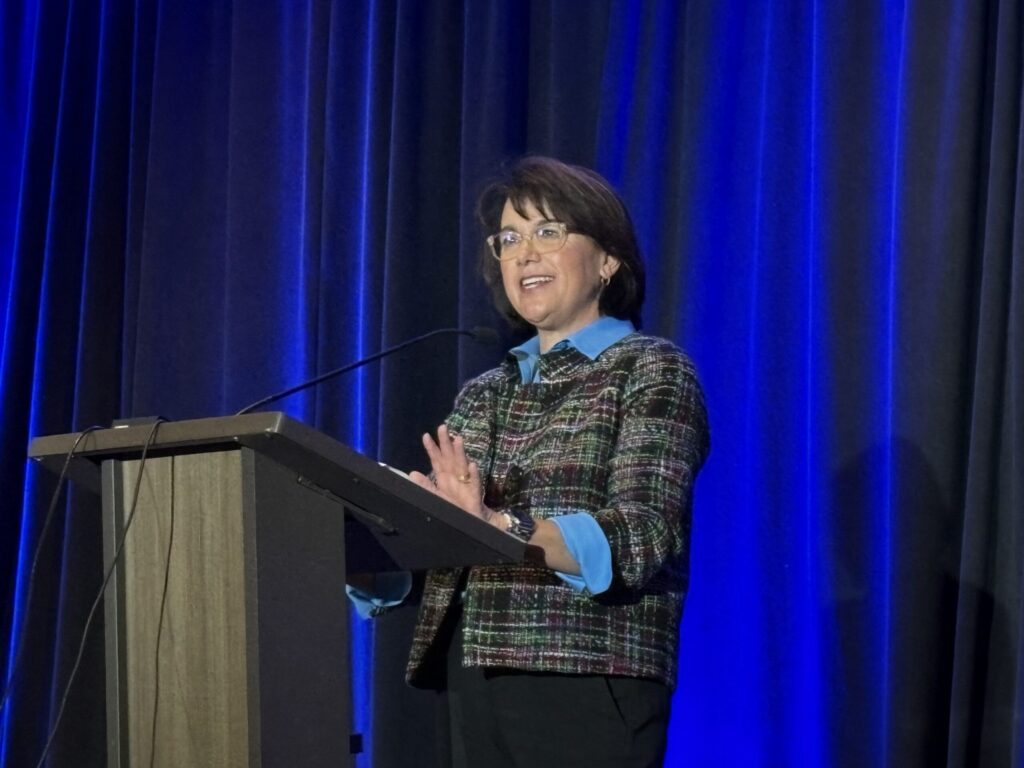
Democratic candidate in Colorado’s 4th CD urges long-term water planning
Marianne Goodland
marianne.goodland@coloradopolitics.com
Updated 1 day ago
The Democrat hoping to become the next representative of Colorado’s 4th Congressional District on Thursday made her case on the final day of Colorado Water Congress in Steamboat Springs. Eileen Laubacher, who spent 34 years in the U.S. Navy and...

Castle Rock council declines to censure member accused of misconduct
Nicholas Fogleman
nicholas.fogleman@denvergazette.com
Updated 3 days ago
A Castle Rock Town Council meeting Tuesday became consumed by allegations that a councilmember attempted to trade a town policy decision for the withdrawal of a recall effort against him. The allegations against Councilmember Mark Davis surfaced during public comment...

Proposal to cap Colorado income tax rate qualifies for November ballot
Thelma Grimes
thelma.grimes@coloradopolitics.com
Updated 18 hours ago
Election officials on Thursday confirmed that the proposal to cap the state’s income tax at the current rate submitted signatures and voters will consequently decide its fate this November. The fight over tax rates is part of the tug and...
PREV
PREVIOUS

Colorado Supreme Court to hear cases on open records, illegal sentencing, insurance dispute
The Colorado Supreme Court announced on Monday it will hear appeals in multiple cases, including the question of whether the public may access information about law enforcement officers who have been decertified for misconduct. At least three of the court’s seven members must agree to review an appeal. Among the cases granted, the justices took […]

Former Interior Secretary Gale Norton endorses Jeff Hurd in Colorado's 3rd CD GOP primary
Former Interior Secretary Gale Norton on Tuesday endorsed Jeff Hurd in the Republican primary for the Colorado congressional seat represented by U.S. Rep. Lauren Boebert, who moved across the state last month to run in another district. Norton, a former two-term Colorado attorney general, called Hurd an effective advocate for Western and Southern Colorado who […]