

‘Not there to trip you up’: 10th Circuit judges encourage, warn lawyers about appeal strategy
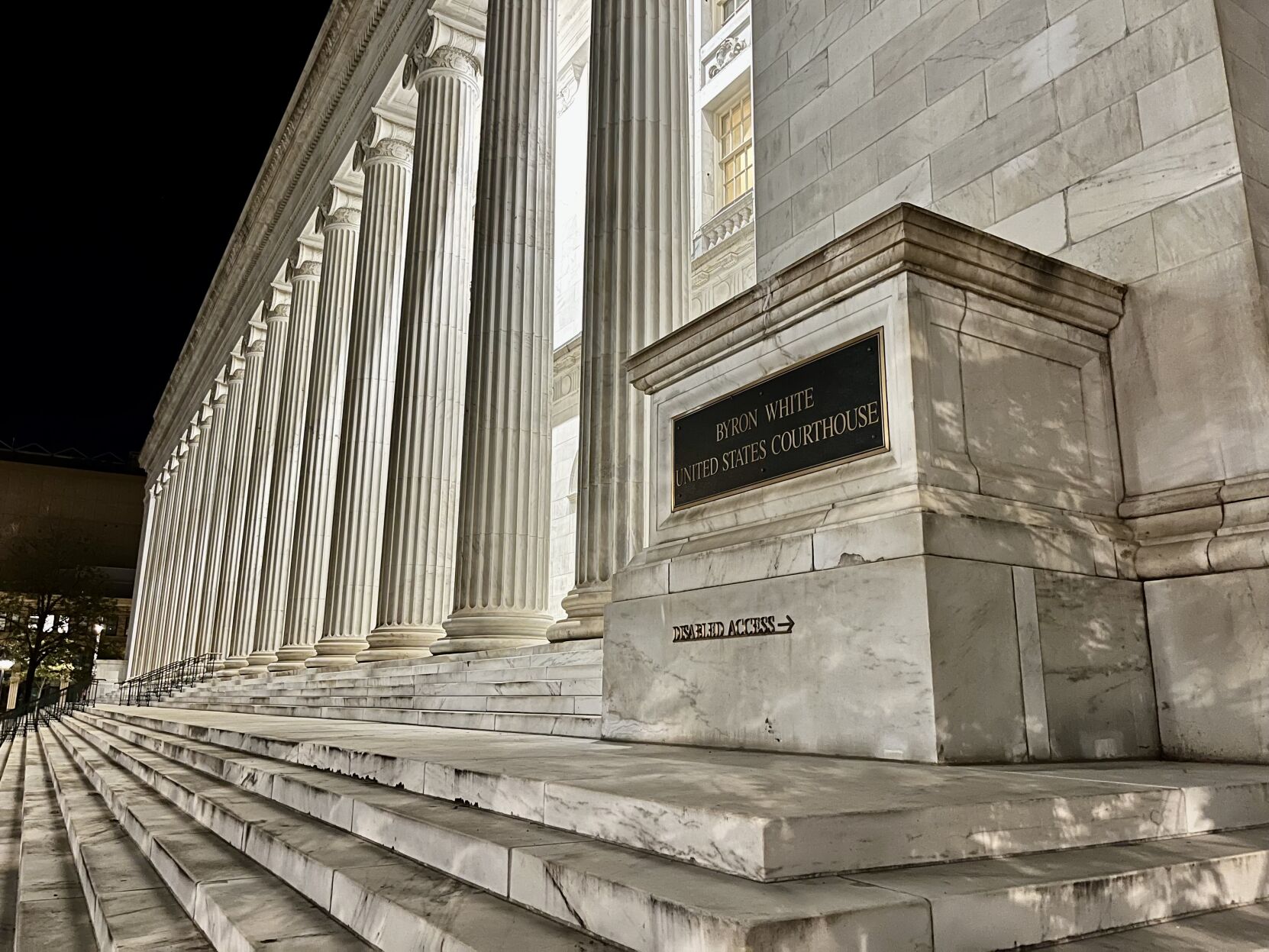
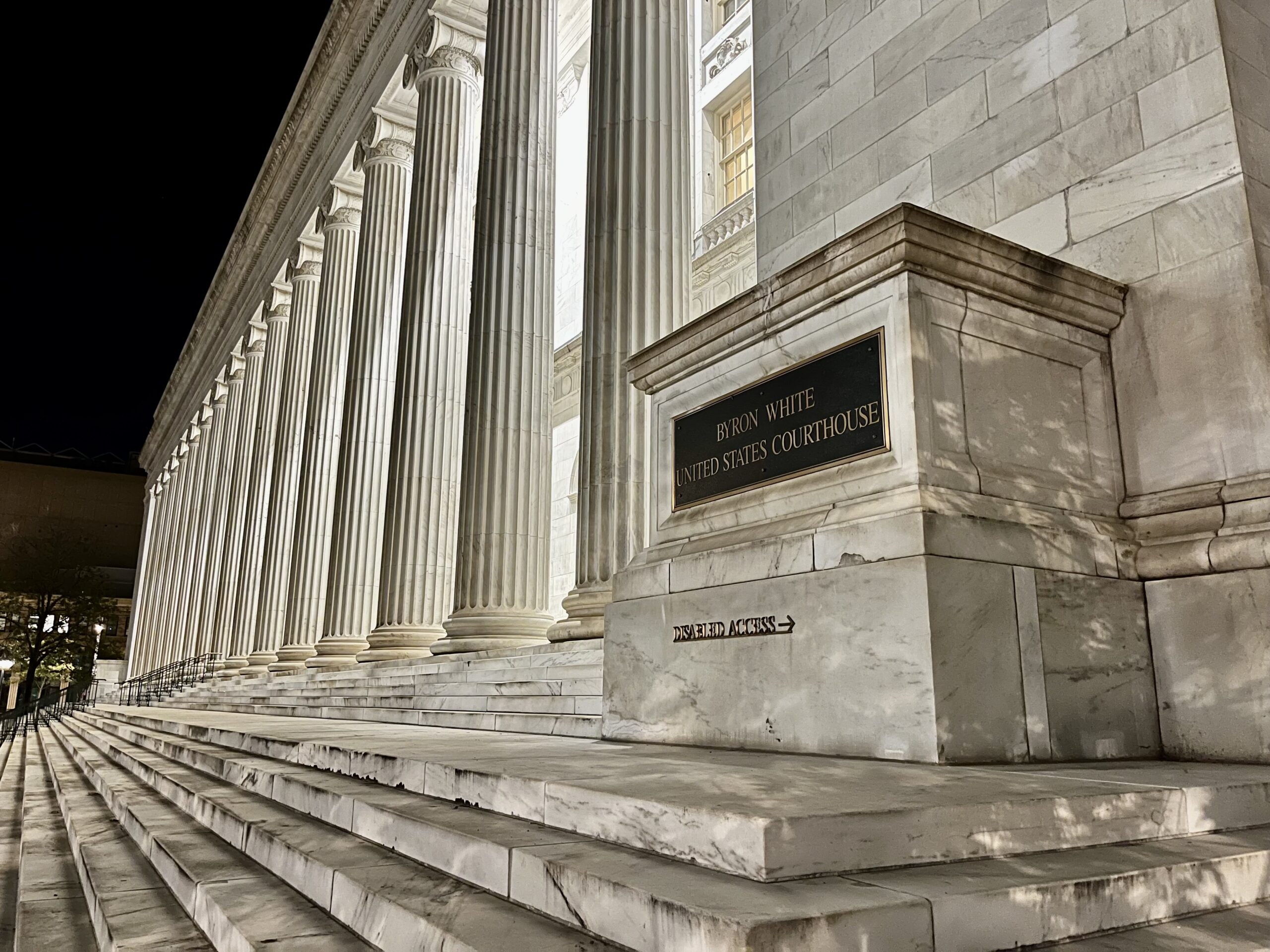
Three members of the federal appeals court based in Denver provided a rare glimpse on Thursday into their work of deciding cases, sharing both words of encouragement and warning about how to best present an argument in the U.S. Court of Appeals for the 10th Circuit.
“Think about oral argument as a conversation,” said Judge Allison H. Eid of Colorado. “We’re not there to trip you up. I think some people think that, and that’s just not the case. We honestly have questions and we want you to answer them.”
In a virtual event sponsored by the Oklahoma City Chapter of the Federal Bar Association, Eid – along with Judges Robert E. Bacharach of Oklahoma and Veronica S. Rossman of Colorado – spoke about certain idiosyncrasies of the 10th Circuit, which hears appeals in federal cases arising from Colorado, Oklahoma, Kansas, Utah, New Mexico and Wyoming.
Specifically, they addressed the rarity of all-judges’ reviews of cases – known as “en banc” hearings. Federal appeals courts typically issue decisions through three-judge panels, but the judges may elect to jettison a panel opinion and rehear a case en banc under limited circumstances.
Between March 2021-2022, there were 1,340 appeals filed with the 10th Circuit. However, in recent years, 10th Circuit judges have granted fewer than one en banc hearing per year, on average. The most recent en banc decision out of Colorado involved a high-profile constitutional challenge to the state’s Taxpayer Bill of Rights, with four opinions issued between the nine participating judges.
“There’s not been an en banc since I’ve been on the court,” said Rossman, who was appointed in 2021.
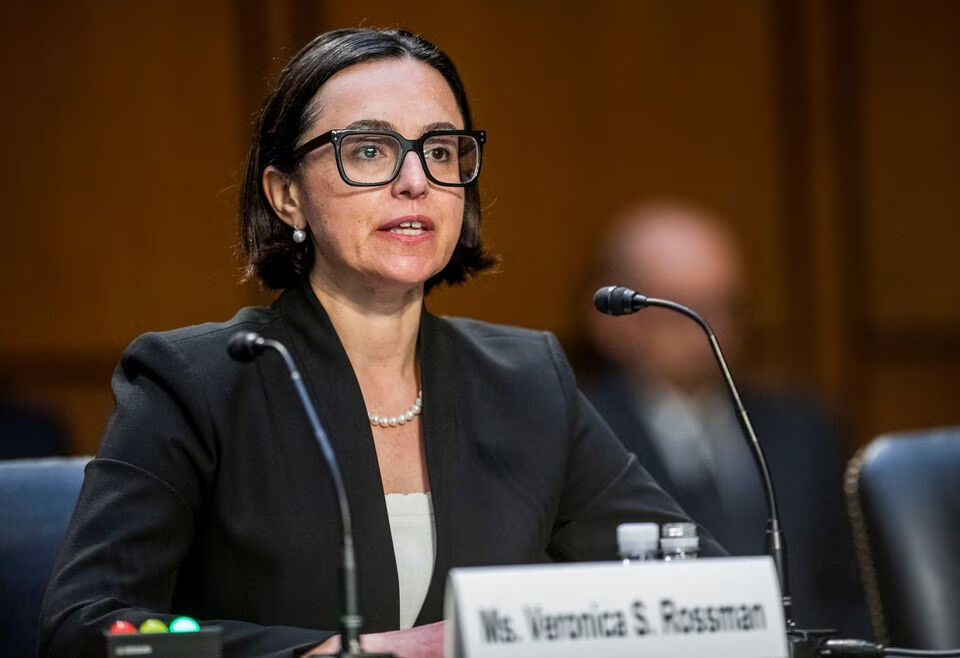
Bacharach pointed to the two established justifications for an all-judges review. First, if the 10th Circuit has issued conflicting panel decisions that cannot be harmonized and, second, if the case presents a question of “exceptional importance.”
“Maybe it has a lot of politically charged issues. But what makes that more exceptional from a public interest standpoint than another case?” he said.
Bacharach elaborated that if the stakes of an appeal were the only metric, a death penalty case would always receive en banc review before other types of cases.
“It is a very amorphous area to decide what is exceptionally important,” he said. “They’re all very important. They’re important to the parties. They’re important to us.”
All three judges agreed oral arguments are best when they proceed conversationally. Rossman cautioned that reciting the facts of the case at the outset is generally unhelpful to the court’s ultimate task of deciding whether to reverse a trial judge’s decision.
“We are very prepared in coming to the bench truly understanding what the case involves,” she said. “I want you to tell me what I need to know to help you win.”
Bacharach advised lawyers to listen to and respond to the judges’ questions, without attempting to “play chess” and think about any deeper significance to the inquiry.
“There could be 1,000 different reasons for us asking the question. Maybe we don’t understand a core fact that took place or what exactly the argument is,” he said. The best practice is to “not exaggerate or do all of the things that would turn anybody off – ridiculing the district judge, ridiculing the other side.”

For cases not governed by existing decisions of the 10th Circuit, Bacharach added that consideration of other circuit courts’ opinions can be valuable. In particular, he said, the 10th Circuit’s own precedents require it to “be reluctant to create a conflict” with its peer courts.
“With all respect to the brilliant district judges, magistrate judges and administrative agencies that we review, I do tend to put less stock” in those decisions, he said. Nonetheless, lower court rulings and even law review articles are “all valuable tools in our toolboxes.”
Eid, a former member of the Colorado Supreme Court, said she likes to see amicus – or “friend of the court” – briefs submitted by outside organizations. Those filings, she explained, can present a different view on the legal question.
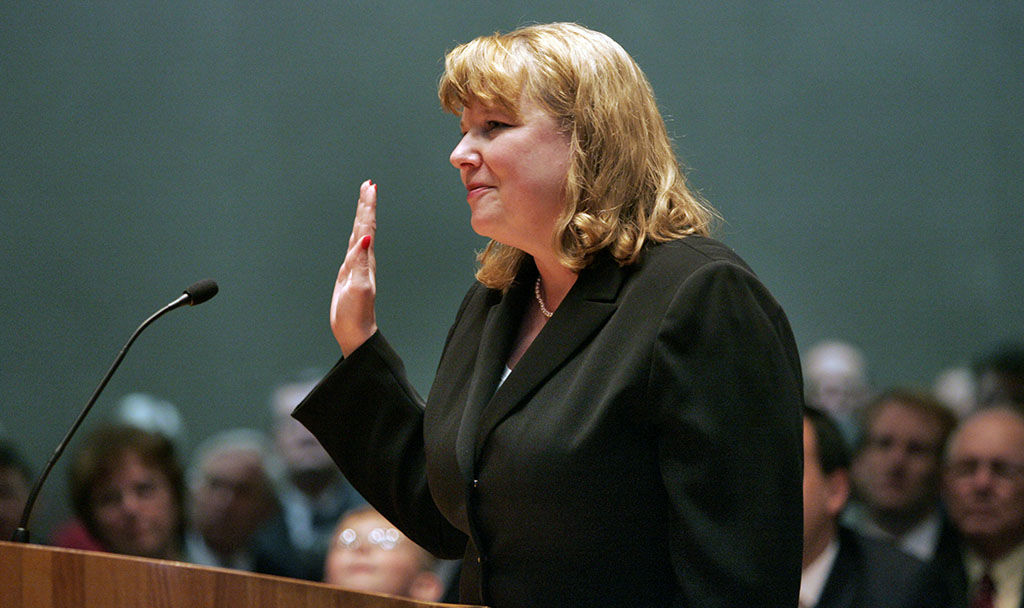
“Sometimes, we get amicus arguments, they’re just like, ‘This is our factual issue and we just wanna talk about it.’ And it has no relation to a legal argument in the case. That’s not very helpful,” Eid said.
Finally, the judges encouraged attorneys to think about the appearance of their submissions to the court. Some legal scholars have examined the readability of judicial opinions based on their formatting, and Rossman similarly voiced her “strong feelings” about lawyers’ own filings.
“Of course, your font is not going to dictate the result of the case,” she said. But “if it’s difficult to engage with your brief because of how it looks, that’s challenging.”
michael.karlik@coloradopolitics.com


10th Circuit partially revives lawsuit over 2020 Denver protest injuries
Michael Karlik
michael.karlik@coloradopolitics.com
Updated 8 hours ago
The Colorado-based federal appeals court revived a man’s claims against Denver on Friday after concluding a trial judge resolved the case in the city’s favor without analyzing two of the three instances of alleged excessive force and other constitutional violations....
Federal judges find Colorado immigration judge violated several orders
Michael Karlik
michael.karlik@coloradopolitics.com
Updated 1 day ago
Multiple federal judges in Colorado have freed people from immigration custody after determining that one immigration judge violated their directives for properly conducting bond hearings. For nearly a year, Colorado’s U.S. District Court has faced a flood of habeas corpus petitions...
Misconduct complaints from ex-Colorado judicial discipline director dismissed against federal judges
Michael Karlik
michael.karlik@coloradopolitics.com
Updated 3 days ago
The administrative body for the Denver-based federal appeals court upheld a finding last week that misconduct complaints against Colorado’s chief federal trial judge and the chief appeals judge warranted dismissal and appeared to be a “litigation tactic” by the complaining...

First-ever Red Rocks naturalization ceremony draws most diverse group of new citizens
Michael Karlik
michael.karlik@coloradopolitics.com
Updated 1 day ago
Colorado’s federal trial court held its first-ever naturalization ceremony for nearly 300 new citizens on Thursday at Red Rocks Park and Amphitheatre. “We’re doing it to commemorate the 250th anniversary of the Declaration of Independence and the United States. Red...
Jeffco taxpayers could be on the hook for a possible child sex assault settlement
Matt Kyle
matt.kyle@denvergazette.com
Updated 2 days ago
Taxpayers may end up on the hook for a child sexual assault settlement, possibly worth up to $15 million, after Jeffco Public Schools failed to notify its insurance company in a timely manner about the case. The incident stems from...
10th Circuit finds no fair housing violation by Littleton landlord for worker’s alleged rape of tenant
Michael Karlik
michael.karlik@coloradopolitics.com
Updated 1 day ago
The Denver-based federal appeals court concluded on Monday that Littleton’s housing authority could not be held liable for a maintenance worker’s alleged rape of a tenant, as the worker’s employment did not provide any special access to the victim. A...

Jeffco Public Schools sues Trump administration to protect funding after alleged transgender policies violation
Matt Kyle
matt.kyle@denvergazette.com
Updated 4 days ago
In the wake of several threats by the Trump administration to revoke federal funding, Jeffco Public Schools filed a lawsuit against the Department of Education seeking to protect that badly needed money. Jeffco has been under investigation by the DOE’s...
Denver detox center did not violate man’s rights with 10-hour hold, 10th Circuit says
Michael Karlik
michael.karlik@coloradopolitics.com
Updated 5 days ago
The Colorado-based federal appeals court concluded on Tuesday that Denver’s detoxification facility did not violate a man’s rights by holding him against his will for 10 hours until his blood alcohol content was projected to reach zero. Unusually, Brian Garrett’s...

Federal judge clarifies ex-GOP treasurer candidate’s burden to prove defamation claims
Michael Karlik
michael.karlik@coloradopolitics.com
Updated 5 days ago
A federal judge clarified last week that businessman and former Republican statewide candidate Brian Watson will need to surmount a higher hurdle in proving his claim that a party guest’s alleged description of him as a “criminal” amounted to defamation....
Colorado board permits state to appeal injunction against arthritis drug price cap
Marissa Ventrelli
marissa.ventrelli@coloradopolitics.com
Updated 6 days ago
A Colorado board voted Friday to allow the Attorney General’s Office to fight an injunction against a price cap on a drug that treats arthritis. A U.S. district court judge had granted the company Amgen a preliminary injunction, temporarily blocking...
PREV
PREVIOUS

A look back at the Colorado legislative session's biggest stories this year | YEAR IN REVIEW
The state Capitol this year saw intense disagreements between Republicans and Democrats and an extraordinary intraparty feud among Democrats, fueled in part by first-year legislators, who perennially challenged leaders and their colleagues. Meanwhile, the trend of lawmakers resigning persisted into the New Year, some of them citing the toxic environment their colleagues readily engaged […]

Trump set to be back on Colorado ballot for 2024 election following appeal
Per a press release from Colorado Secretary of State Jena Griswold, former president Donald Trump is set to be included on the 2024 Presidential Primary Ballot in Colorado pending an appeal filed by the Colorado Republican Party. This follows a 4-3 vote on December 19 by the Colorado Supreme Court that decided Trump was disqualified […]