

Joe Biden’s Pueblo visit is latest in a line of presidential travel to the Colorado city | TRAIL MIX
After touring a wind turbine factory and delivering remarks about his economic agenda this week, Joe Biden can add Pueblo to Colorado cities he’s visited during his presidency, joining a long list of White House occupants who have made stops in Steel City.
By some accounts, the medium-sized industrial burg has attracted more sitting presidents than any other similarly sized city.
In the early years of the last century, that’s probably because Pueblo, a prominent union town and once one of the state’s largest cities, lay along rail lines, and that’s how presidents traveled. Since air travel took over, it’s remained a destination for many of the nation’s chief executives.
Presidents who have shown up in Pueblo over the decades include Theodore Roosevelt, Woodrow Wilson, Herbert Hoover, Dwight Eisenhower, John F. Kennedy, George H.W. Bush, Bill Clinton, Barack Obama – and, with his Nov. 29 visit, Biden.
After nearly three years in the White House, Biden has touched down in Colorado five times, keeping pace with his Democratic predecessor, Barack Obama, who made 10 trips to the state as president.
Counting official visits and a slew of stops while campaigning for his 2012 reelection, Obama spent more days in Colorado while occupying the White House than any president except the two with strong Colorado roots: Gerald Ford, an avid skier whose rented home in Vail became known as the Winter White House, and Dwight Eisenhower, whose wife, the former Mamie Doud, grew up in Denver.
Ike spent weeks during the summer and fall in Colorado throughout his presidency and recovered from a heart attack at the former Fitzimons Army Medical Center – now the University of Colorado Anschutz Medical Center Campus – in Aurora, in a hospital suite that’s been preserved for posterity.
After accepting the 2008 nomination in Denver at the Democratic National Convention and filling the city’s Civic Center for a pre-election rally, Obama signed the American Recovery and Reinvestment Act – the stimulus bill meant to jolt the country out of the Great Recession – at the Denver Museum of Nature and Science on Feb. 17, 2009, with Biden, his vice president, at his side. In later years, he spoke at Buckley Air Force Base, the Denver Police Academy, the State Fairgrounds in Pueblo, the Air Force Academy and the University of Denver campus, where he participated in the first 2012 presidential debate with Republican Mitt Romney.
Although Donald Trump campaigned throughout the state in 2016, including in Pueblo, he only visited Colorado twice after winning the presidency – on May 30, 2019, when he delivered the commencement address at the Air Force Academy, and on Feb. 20, 2020, when he addressed a packed Broadmoor World Arena in Colorado Springs – and hasn’t returned since leaving office.
Biden’s Colorado destinations have included the National Renewable Energy Laboratory outside Arvada, Louisville in the wake of the devastating Marshall fire, Eagle County to designate the Camp Hale Continental Divide National Monument, and Cherry Hills Village, where he attended a fundraiser the night before his Pueblo speech.
It’ll be up to historians to determine whether Biden’s remarks at the CS Wind factory resonate across the ages – other than calling out Republican Lauren Boebert as “one of the leaders of this extreme MAGA movement,” Biden mostly stuck to his recent script, lauding the effects of his administration’s signature legislation – but if they do, it won’t be the first time presidential words uttered in Pueblo have entered the pages of history.
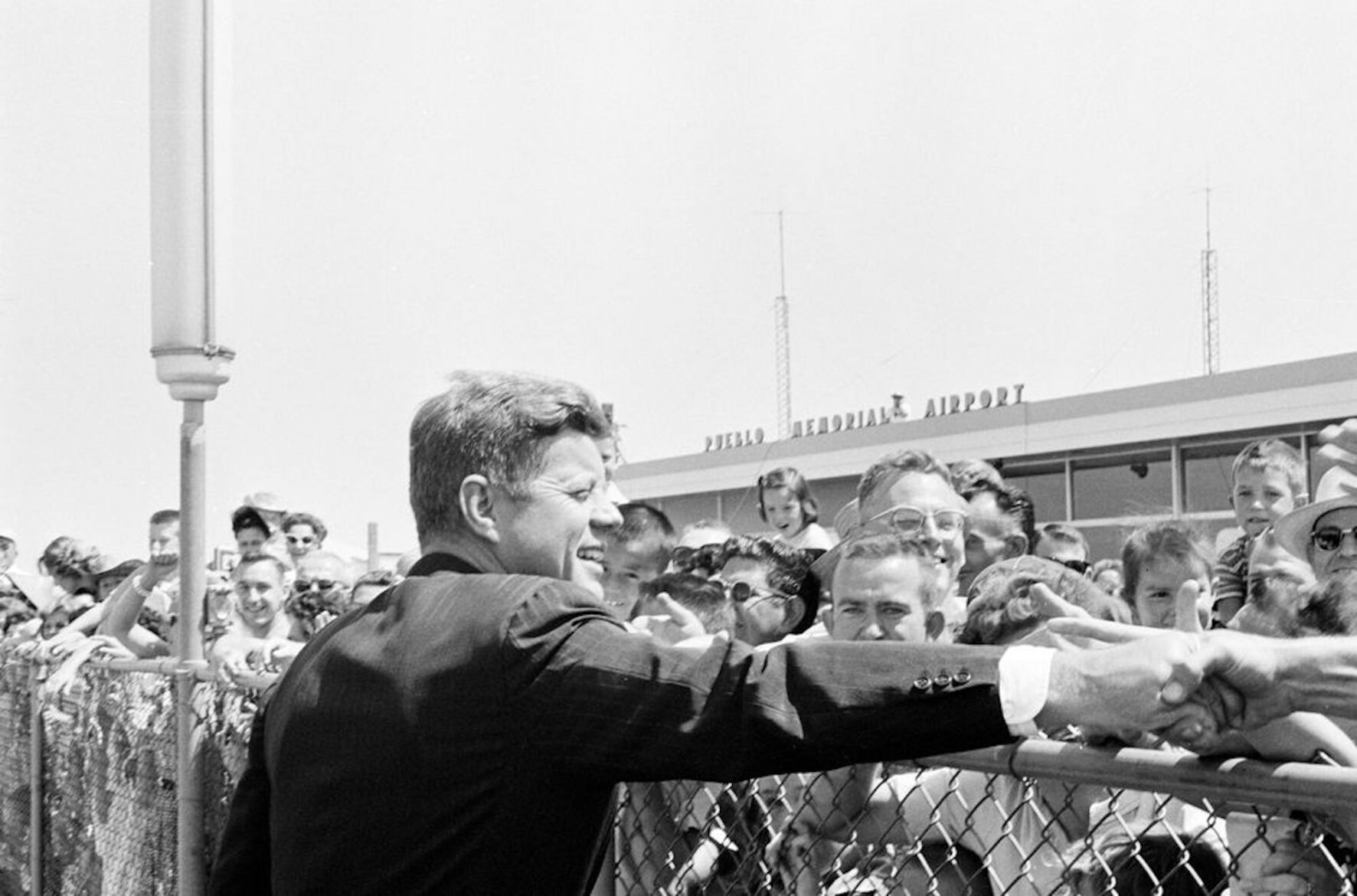
Before he delivered a storied speech about a long-sought water project to an audience of 18,000 at Pueblo High School Stadium on Aug. 17, 1962, Kennedy waved to a crowd estimated at 100,000 along his motorcade’s route from the airport.
Tucked between stops at an earthen dam on the Missouri River in South Dakota and Yosemite National Park in California during a swing through Western states, Kennedy’s Pueblo visit celebrated the Fryingpan-Arkansas Reclamation Project, which had finally been given a green light by Congress.
First envisioned in the 1930s, the massive engineering project involved transporting water under the Continental Divide from the Western Slope to the Arkansas River Basin, supplying more than 50,000 acre-feet of water annually to Pueblo, Colorado Springs and the Eastern Plains.
“I hope that those of us who hold positions of public responsibility in 1962 are as far-seeing about the needs of this country in 1982, in 1992 as those men and women were 30 years ago who began to make this project possible,” Kennedy said after accepting an engraved frying pan from Colorado’s U.S. Sen. John Carroll, who sat among a phalanx of dignitaries under clear blue skies on a stage festooned with bunting, a giant key made out of carnations, and a line of copper frying pans.
“The world may have been built in seven days, but this project was built in 30 years and it took labor, day in and day out, week in and week out, month in, month out, year in and year out, by congressmen and senators, and citizens, and the residents of the states, to make this project possible, and it will be some years before its full benefits are made available to all of you,” he said.
He was only off by a few decades. Last year, Carroll’s successors, U.S. Sens. Michael Bennet and John Hickenlooper, secured funding to break ground on a final leg of the project, the Arkansas Valley Conduit, a 130-mile pipeline set to run from Pueblo to Lamar. It’ll deliver clean drinking water to communities in six counties in the Lower Arkansas Valley, whose water is contaminated with unhealthy levels of naturally occurring radium.
Said Kennedy: “What I preach is the interdependence of the United States. We are not 50 countries. We are one country of 50 states and one people, and I believe that those programs which make life better for some of our people will make life better for all of our people. A rising tide lifts all of the boats. As Colorado moves ahead, as your steel mill produces, it is benefiting all the people, as they are benefiting you. That is the lesson of this project.”
In his 12-minute speech, Kennedy repeatedly invoked the duty public servants owe to the future.
“Every member of Congress, everyone in the executive branch, from the president on, in the field of natural resources, has to plan during their period of administration or office for the next generation, because no project we plan today will be beneficial to us,” he said. “Anything we begin today is for those who come after us. And just as those who began something years ago make it possible for us to be here, I hope we will fulfill our responsibility to the next generation that is going follow us.”
Recounting how the New Deal brought electricity and telephone lines to the vast majority of farms that lacked the utilities 30 years earlier, Kennedy continued connected President Franklin Roosevelt’s vision to his own. “Those people who come here from abroad, what they want to see is the Tennessee Valley,” he said, referring to a system of dams and reservoirs along the Tennessee River that provided flood control and hydroelectricity to six states.
“Ten years from now, they will want to see this project. And I hope in space and on the ground this country will continue its march forward.”
Ernest Luning has covered politics for Colorado Politics and its predecessor publication, The Colorado Statesman, since 2009. He’s analyzed the exploits, foibles and history of state campaigns and politicians since 2018 in the weekly Trail Mix column.


Bennet’s gubernatorial ads say U.S. Senate committee paid for them
Marianne Goodland
marianne.goodland@coloradopolitics.com
Updated 9 hours ago
A series of TV commercials for U.S. Sen. Michael Bennet’s gubernatorial campaign showed disclaimers that indicated his U.S. Senate campaign committee paid for those ads. That’s potentially a violation of state campaign finance law, one for which the Bennet campaign...

A graduated tax plan could undercut Colorado’s business competitiveness, analysis warns
Marissa Ventrelli
marissa.ventrelli@coloradopolitics.com
Updated 13 hours ago
A proposal to move Colorado to a graduated income tax — taxing individuals and businesses at different rates based on their earnings — could generate more than $2 billion in its first year, but it may also weaken the state’s...
1st Congressional District Democratic primary: Meet candidates Diana DeGette, Milat Kiros and Wanda James
Thelma Grimes
thelma.grimes@coloradopolitics.com
Updated 16 hours ago
Voters in Colorado’s 1st Congressional District will face an unusually competitive choice on this year’s Democratic primary ballot, where Rep. Diana DeGette, who has represented the area for nearly three decades, is being challenged by two candidates who successfully qualified...
Colorado primary for U.S. Senator: Candidates John Hickenlooper and Julie Gonzales
Thelma Grimes
thelma.grimes@coloradopolitics.com
Updated 11 hours ago
The race between U.S. Sen. John Hickenlooper and state Sen. Julie Gonzales has emerged as one of Colorado’s most intriguing Democratic primaries. Gonzales is running on a message of generational change, arguing that Democrats need a more aggressive approach and...
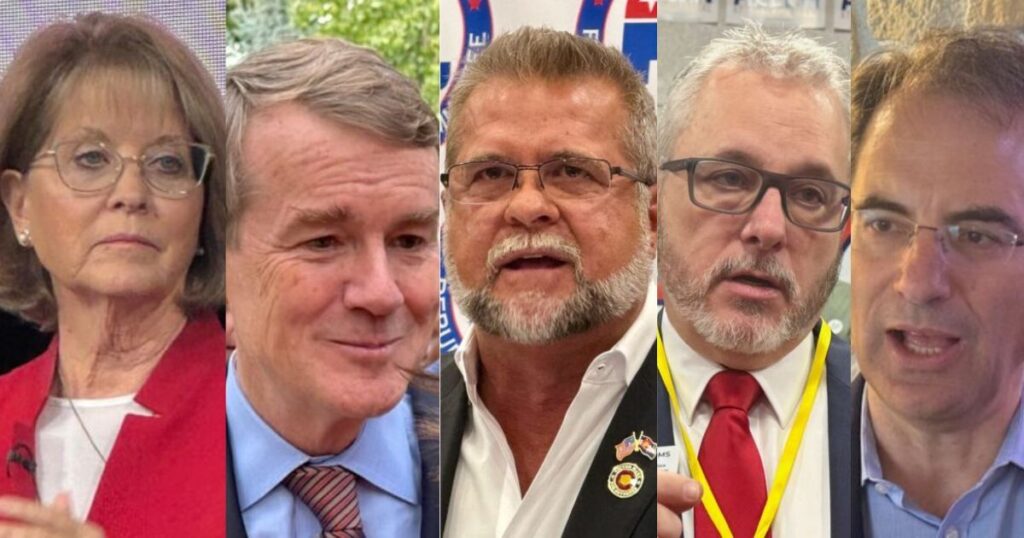
Colorado primary for governor: Meet the Democratic and Republican candidates
Thelma Grimes
thelma.grimes@coloradopolitics.com
Updated 10 hours ago
Colorado’s race for governor is wide open this year, with Gov. Jared Polis term‑limited and unable to seek reelection. Five candidates are competing for a spot on the November ballot, setting up one of the most closely watched primaries in...

Colorado Attorney General Democratic primary: Meet the candidates
Thelma Grimes
thelma.grimes@coloradopolitics.com
Updated 11 hours ago
One of the most closely watched contests on the June primary ballot is the four‑way Democratic race for Colorado attorney general. With Attorney General Phil Weiser term‑limited and running for governor, attention has shifted to the candidates vying to replace...
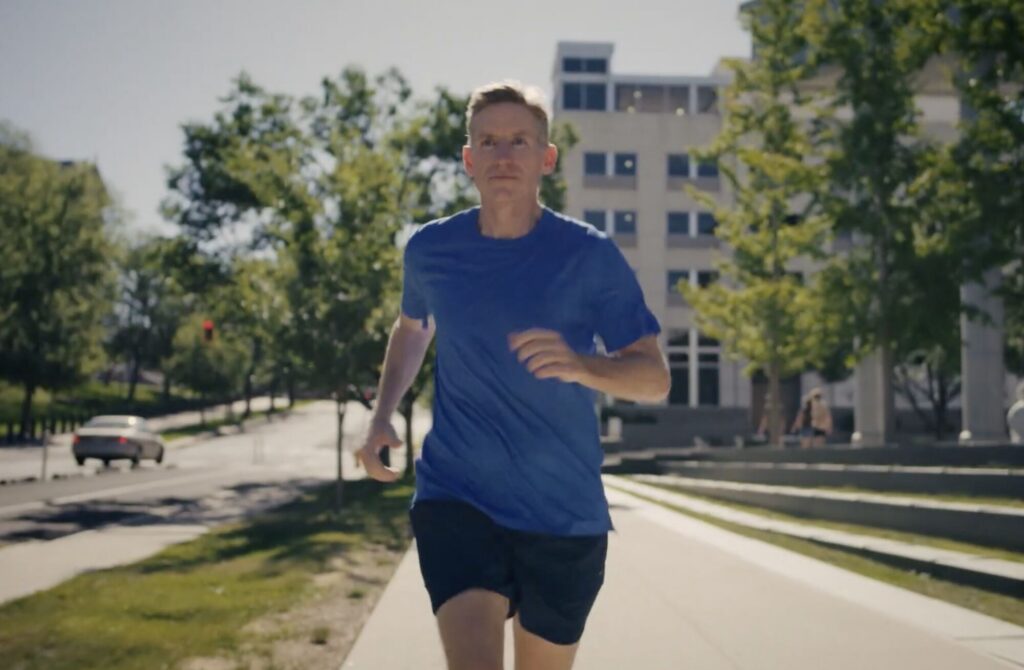
Michael Dougherty is literally running for attorney general in Colorado Democrat’s 1st TV ad
Ernest Luning
ernest.luning@coloradopolitics.com
Updated 4 days ago
Democratic attorney general candidate Michael Dougherty, the Boulder County district attorney, runs laps around the judicial complex in Denver that houses the office he’s seeking in a TV ad released Friday that includes a subtle dig at one of his...

Group aims to add right to hunt and fish to Colorado Constitution
Marissa Ventrelli
marissa.ventrelli@coloradopolitics.com
Updated 2 days ago
A group is seeking to make Colorado the 25th state in the nation with an established constitutional right to hunting and fishing through a proposed ballot initiative. Backed by the International Order of T. Roosevelt, a group dedicated to preserving...
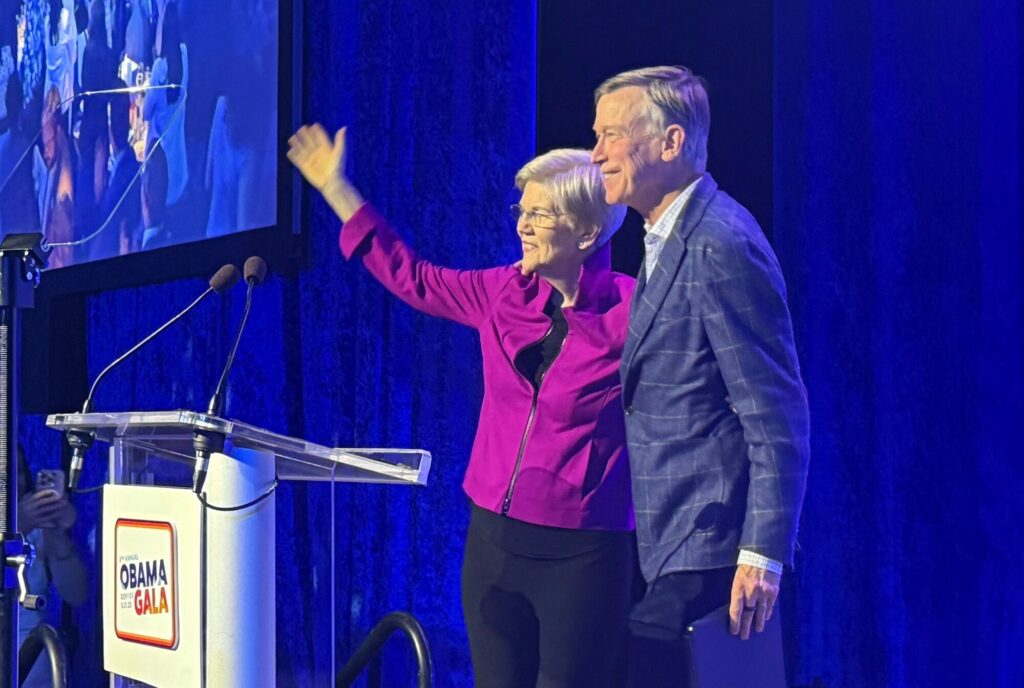
Hickenlooper lands endorsements from Elizabeth Warren, Ministerial Alliance in US Senate primary
Ernest Luning
ernest.luning@coloradopolitics.com
Updated 4 days ago
U.S. Sen. John Hickenlooper won endorsements this week from a progressive Democratic colleague and a coalition of metro-area African American faith leaders as voting began in Colorado’s primary election. U.S. Sen. Elizabeth Warren of Massachusetts and the Greater Metro Denver...
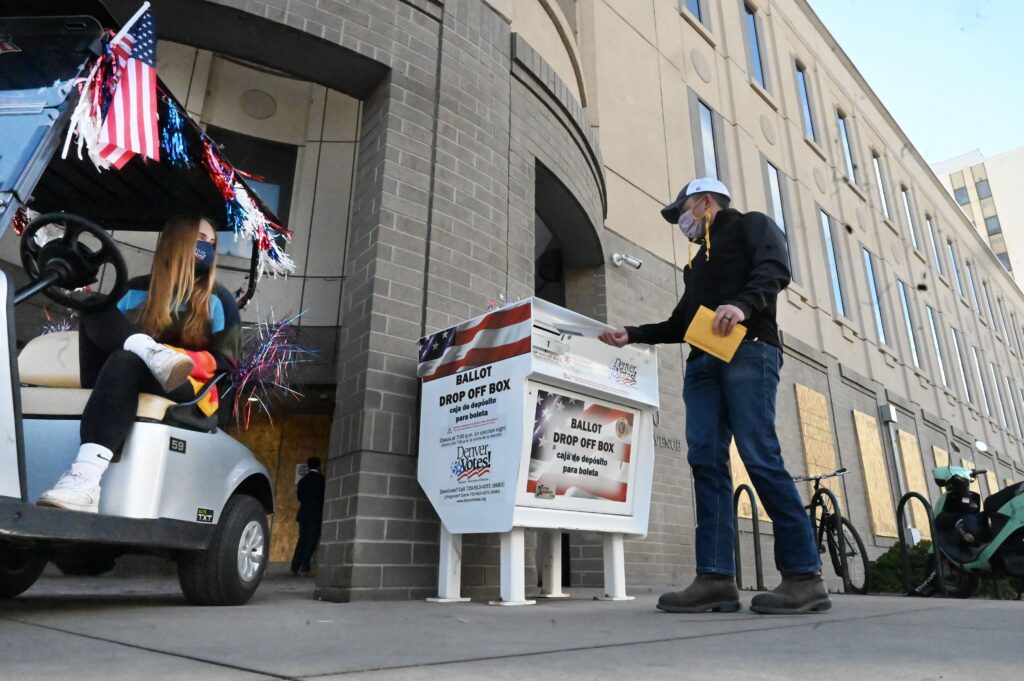
As number of unaffiliated voters grow in Colorado, experts note patterns, behavior
Marissa Ventrelli
marissa.ventrelli@coloradopolitics.com
Updated 4 days ago
For the first time in Colorado’s history, more primary ballots are going to voters without a party affiliation than to registered Democrats or Republicans. As such, political experts said, candidates today need to appeal to a new block of people...
PREV
PREVIOUS

Democrats introduce 'billionaires tax' on unrealized capital gains
Sen. Ron Wyden of Oregon and other Democrats introduced a proposal on Thursday that would tax the unrealized capital gains of billionaires and very high earners. Wyden has spearheaded an effort to make a mark-to-market proposal law for years, and the new legislation is the latest iteration of that effort. The plan would affect those […]

Stand against hate, Polis says at Jewish National Fund-USA; Pueblo has attracted numerous sitting presidents | WHAT YOU NEED TO KNOW
Today is Dec. 1, 2023, and here’s what you need to know: As hundreds of pro-Palestinian demonstrators stood outside, Gov. Jared Polis on Thursday night unequivocally called on Coloradans – and, by extension, Americans – to stand behind Israel, which is at war with Hamas following the latter’s attack that killed 1,200 Israelis. “Our greatest strength […]