

Court rules civil claims against Aurora, police officers for 2020 protests can move forward

Civil claims against the city of Aurora and three of its police officers for actions during Denver’s 2020 George Floyd protests can move forward, a panel of federal appeals court judges decided this week.
According to the case, Zachary Packard was shot in the head by an Aurora officer with a lead pellet-filled bag on May 31, 2020, which knocked him unconscious and caused fractures to his skull and jaw, along with brain bleeding.
He was hit right after he kicked away a tear gas canister thrown by an officer that landed near Packard, according to the lawsuit, and Sgt. Patricio Serrant told officers under him to “go ahead and frickin’ hit ’em” if protesters kicked canisters.
Officer David McNamee was under Serrant’s command and fired several rounds at the same time Packard was hit, but the parties dispute whether it was McNamee who shot him, the case says.
Though the canister flew a few feet in the direction of officers when Packard kicked it, Judge R. Brooke Jackson found it didn’t pose a threat because of the protective gear officers wore.
Johnathan Duran was hit in the groin with a foam baton round the same night as he stood near Colfax Avenue and Pearl Street, talking to an acquaintance and filming the protest, the case says. It claims Officer Corey Budaj shot about 15 baton rounds that evening, but as with Packard, the parties dispute whether Budaj shot Duran.
Denver to pay nearly $5M settlement over curfew arrests during 2020 protests
Jackson ruled qualified immunity doesn’t apply to the officers named in the case because neither Packard nor Duran were “committing a crime, posing a threat, or attempting to flee,” and denied their request to rule on the case in their favor.
“By May of 2020, when the incidents here occurred, it had been clearly established for (at least) twelve years that the deployment of less-lethal munitions on an unthreatening protester who is neither committing a serious offense nor seeking to flee is unconstitutionally excessive force,” wrote Judge Veronica Rossman in Tuesday’s decision.
Aurora police officer can be added to lawsuit over 2020 protests, judge rules
The ACLU of Colorado has been part of the team representing the protesters.
“The court’s decision once again affirms the fundamental principle that police cannot use violence against peaceful protesters. Our clients went to the streets to raise their voices against police abuse and the police responded with violence,” the organization’s legal director, Tim Macdonald, said in a statement.
Qualified immunity is a defense that protects government employees from civil liability for their actions unless they have violated clearly established constitutional or statutory rights.
Attorneys for Aurora argued qualified immunity should protect the officers because a reasonable officer wouldn’t have already known it’s inappropriate to use less-lethal weapons on a person kicking an object, as in Packard’s case.
“The Defendants challenge the district court’s conclusions at both prongs of the qualified immunity inquiry. They maintain their conduct under the circumstances was ‘objectively reasonable,’ and therefore could not violate constitutional rights,” said the appeals court’s decision. The “prongs” refer to a two-part analysis of whether the facts of a situation violated a constitutional right, and whether the right was clearly established at the time.
The claims against Aurora are one piece of a broader lawsuit filed by a group of protesters over law enforcement’s handling of the 2020 demonstrations in Denver sparked by George Floyd’s murder in Minneapolis. Jackson has split off some sections of the case, and excessive force claims against Denver and its police officers went to trial in March 2022.
A jury awarded the protesters $14 million.
The ruling comes as Aurora and Denver are embroiled in a lawsuit in which Aurora has asked the Denver District Court to require Denver to pay legal fees, settlements and jury awards in lawsuits that include Aurora arising out of the 2020 protests.
Aurora wants enforcement of an agreement and state law that the city says obligates an agency requesting law enforcement aid from other jurisdictions to pay the costs of claims arising from the aid provided, according to the lawsuit filed in May.
Aurora mayor calls for ‘pause’ in policing agreement with Denver
Denver has asked the court to dismiss the lawsuit. In the case’s most recent filing in July, attorneys for Denver wrote Aurora doesn’t have standing to sue because the city hasn’t shown it has actually incurred any liability for conduct of its officers while providing aid to Denver for the George Floyd protests.
“Furthermore, Aurora has failed to plead in anything other than conclusory terms the existence of any agreement between the jurisdictions that would require Denver to reimburse Aurora for its officers’ civil rights violations, or that a special employment relationship between Aurora (the only Plaintiff in this lawsuit) and Denver which would require Denver to reimburse Aurora for its employees’ actions,” Denver’s attorneys wrote in the filing.


Judge grants partial injunction to GEO in fight against state health inspection law
Kyla Pearce
kyla.pearce@gazette.com
Updated 19 minutes ago
A judge ruled Thursday that The GEO Group does not have to follow parts of a new state law requiring more frequent health and safety inspections at the Immigration and Customs Enforcement Processing Center in Aurora. Under the order of...
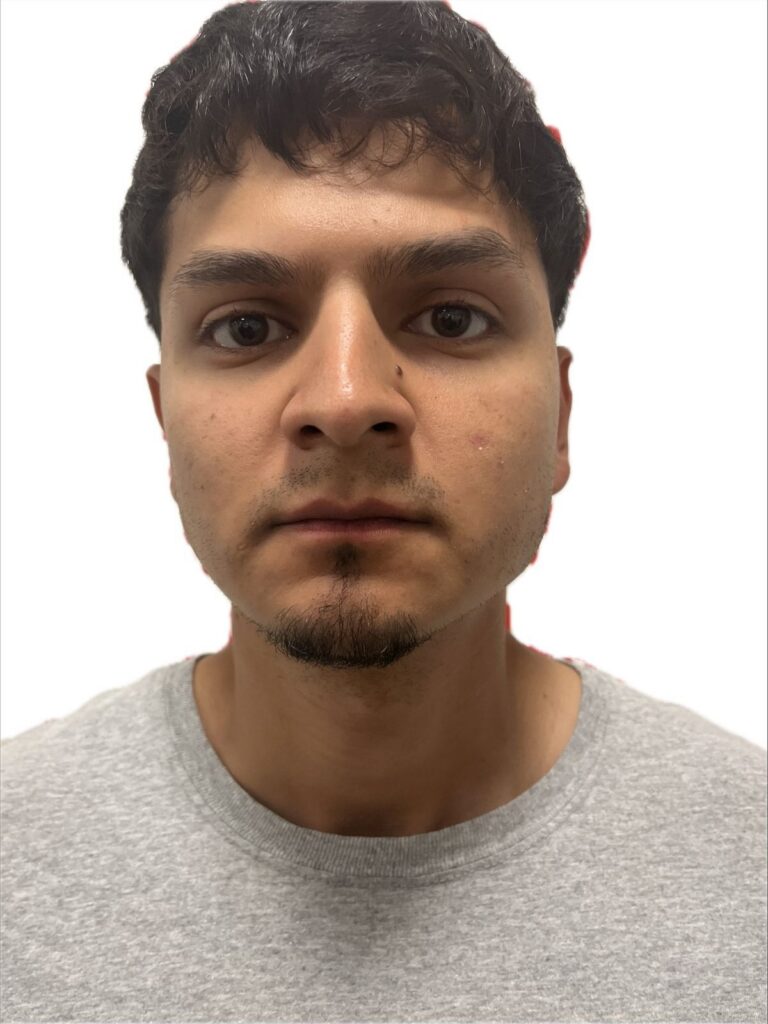
Parker man faces 20 years to life for serial sexual assaults
Nicholas Fogleman
nicholas.fogleman@denvergazette.com
Updated 59 minutes ago
A 25-year-old Parker man who sexually assaulted three women in 2025 pleaded guilty Wednesday and will serve 20 years to life in prison. Javier Rodriguez-Andrade pleaded guilty to charges stemming from three sexual assaults involving women ages 19 to 24. ...
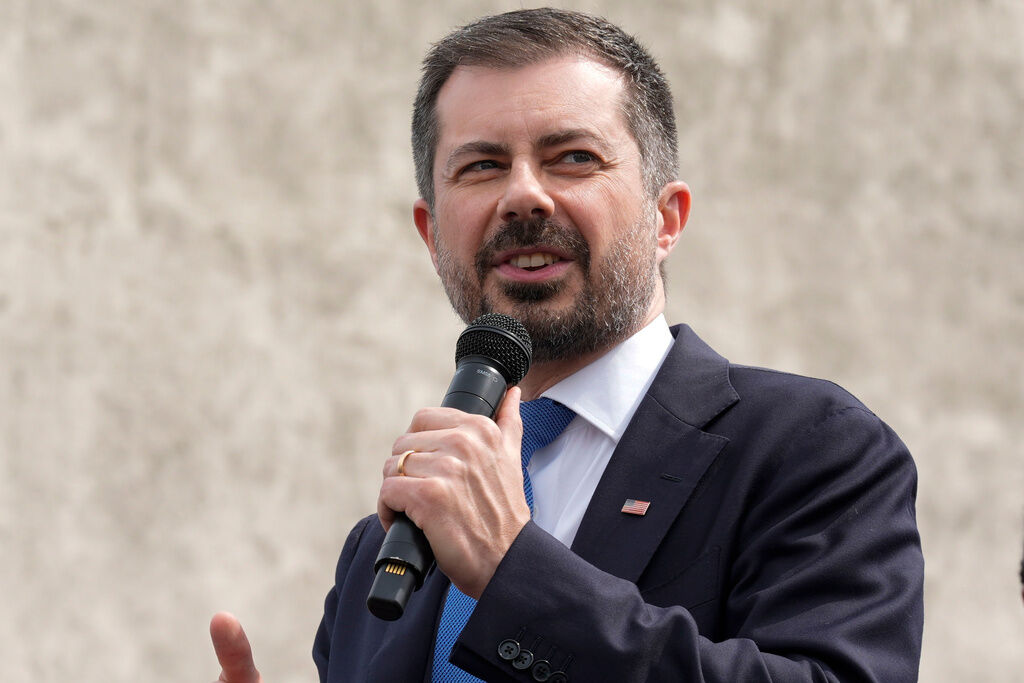
Buttigieg performs best among Democrats against Rubio or Vance in possible 2028 contest: Poll
David Zimmermann
david-zimmermann@coloradopolitics.com
Updated 3 hours ago
Former Transportation Secretary Pete Buttigieg appears to be the Democratic Party’s best chance at winning the presidency against Secretary of State Marco Rubio or Vice President JD Vance in 2028, according to a poll released on Thursday. In hypothetical matchups...
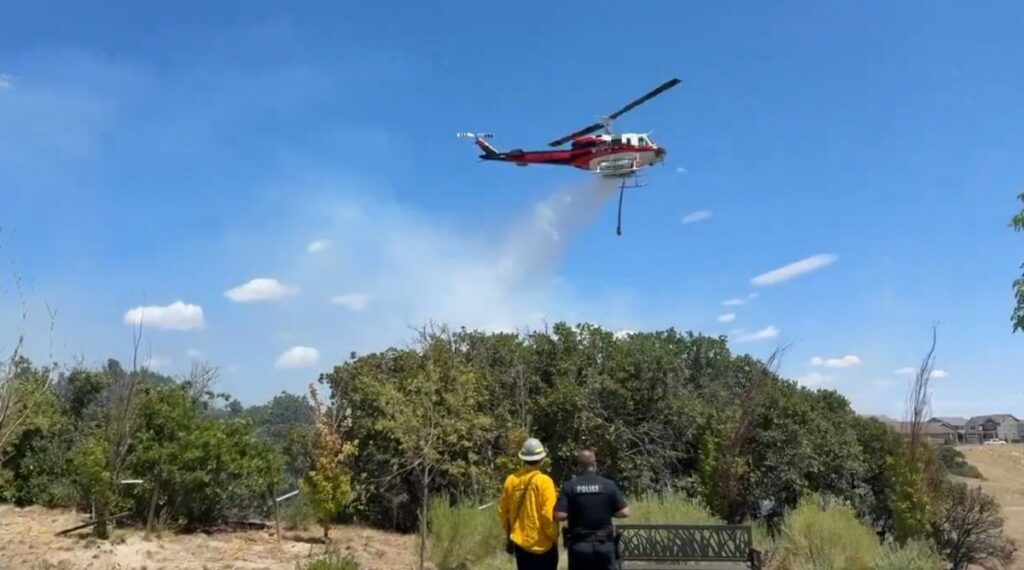
Douglas County moves to Stage 1 fire restrictions following recent rain
Nicholas Fogleman
nicholas.fogleman@denvergazette.com
Updated 55 minutes ago
Douglas County has downgraded its fire restrictions from Stage 2 to Stage 1 on Thursday following recent rainfall and moderate fire conditions, according to the Douglas County Sheriff’s Office. The change applies to unincorporated Douglas County, as well as the...
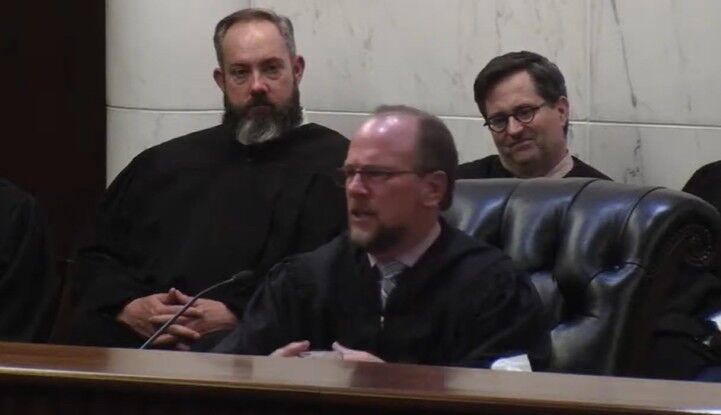
Divided appeals court upholds warrantless DNA collection in Colorado cold case, cautions of government overreach
Michael Karlik
michael.karlik@coloradopolitics.com
Updated 4 hours ago
Colorado’s second-highest court upheld the warrantless collection of a suspect’s DNA from a discarded soda can as constitutional on Thursday, while warning about potential abuse of DNA privacy in the absence of further guardrails. By 2-1, a three-judge Court of...

Democratic gubernatorial candidate Phil Weiser promises to appoint a rural outreach director and a water adviser
Marianne Goodland
marianne.goodland@coloradopolitics.com
Updated 1 hour ago
Democratic gubernatorial candidate and current Attorney General Phil Weiser told the Colorado Water Congress Thursday he intends to appoint a rural outreach director and a water policy adviser should he win the election in November. The news was well-received by...
Man charged in Northglenn homicide of wife
Matt Kyle
matt.kyle@denvergazette.com
Updated 54 minutes ago
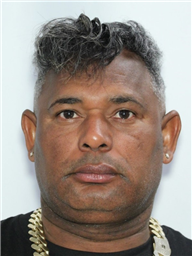
A man has been formally charged with murder and burglary relating to a homicide last week in Northglenn. Alexei Munive-Rodriguez, 48, was arrested Sunday after he was at large following the homicide, which occurred Friday. Police were dispatched around 10:30...
Attorney General candidates present priorities at Colorado Water Congress
Marianne Goodland
marianne.goodland@coloradopolitics.com
Updated 39 minutes ago
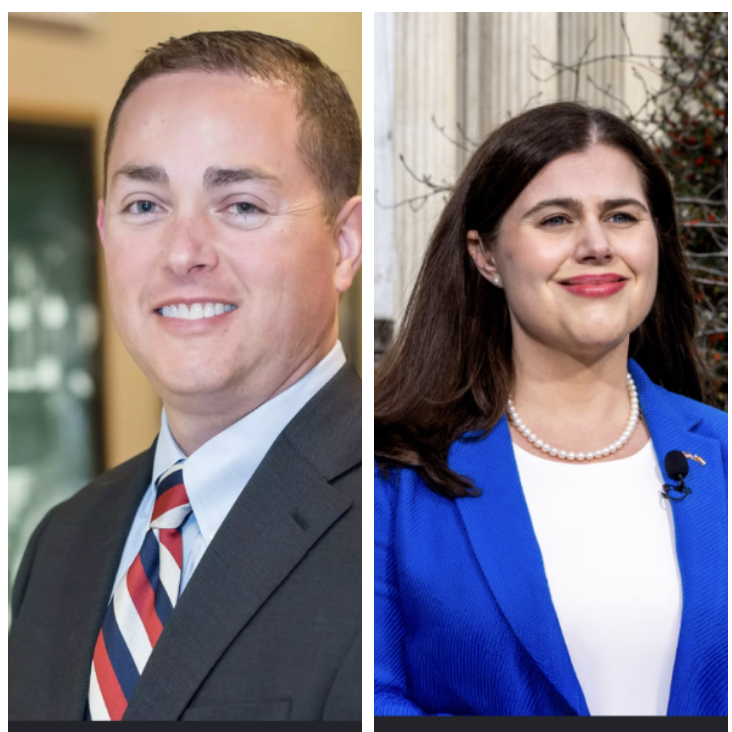
The two major-party candidates for attorney general — Republican Michael Allen, the district attorney for Teller and El Paso counties and Democratic Secretary of State Jena Griswold — appeared at the Colorado Water Congress on Thursday to outline their water...

US aircraft carrier arrives in Middle East, relieving long-deployed USS Lincoln
The Associated Press
the-associated-press@coloradopolitics.com
Updated 4 hours ago
WASHINGTON (AP) — The Asia-based USS George Washington aircraft carrier is now operating in the Middle East, the U.S. military said Thursday, relieving a long-deployed carrier following reports of mental health challenges and supply shortages aboard while it was supporting...

Denver named finalist for 2028 Democratic Convention site
Thelma Grimes
thelma.grimes@coloradopolitics.com
Updated 6 minutes ago
The Mile High City is competing with Boston and Philadelphia The list of cities being considered to host the 2028 Democratic National Convention has narrowed even further, with Denver making the cut as one of the final three along with...
PREV
PREVIOUS

Accused King Soopers mass shooter pleads not guilty by reason of insanity
The man accused of the 2021 King Soopers mass shooting in Boulder has pleaded not guilty by reason of insanity. Judge Ingrid Bakke accepted his plea Tuesday morning, after she determined there is probable cause to believe he committed the crimes charged following a hearing. But more than two-and-a-half years after the attack, investigators have […]

Tina Peters sues Merrick Garland, Jena Griswold to halt prosecution over alleged election equipment tampering
Former Mesa County Clerk and Recorder Tina Peters, who is slated to go on trial next year over allegations she tampered with the county’s election equipment, has filed a lawsuit in federal court to stop the prosecution. Peters, a Republican, is suing U.S. Attorney General Merrick Garland, Mesa County District Attorney Dan Rubinstein and Colorado […]