

Officer claims he thought his life was in danger during McClain struggle
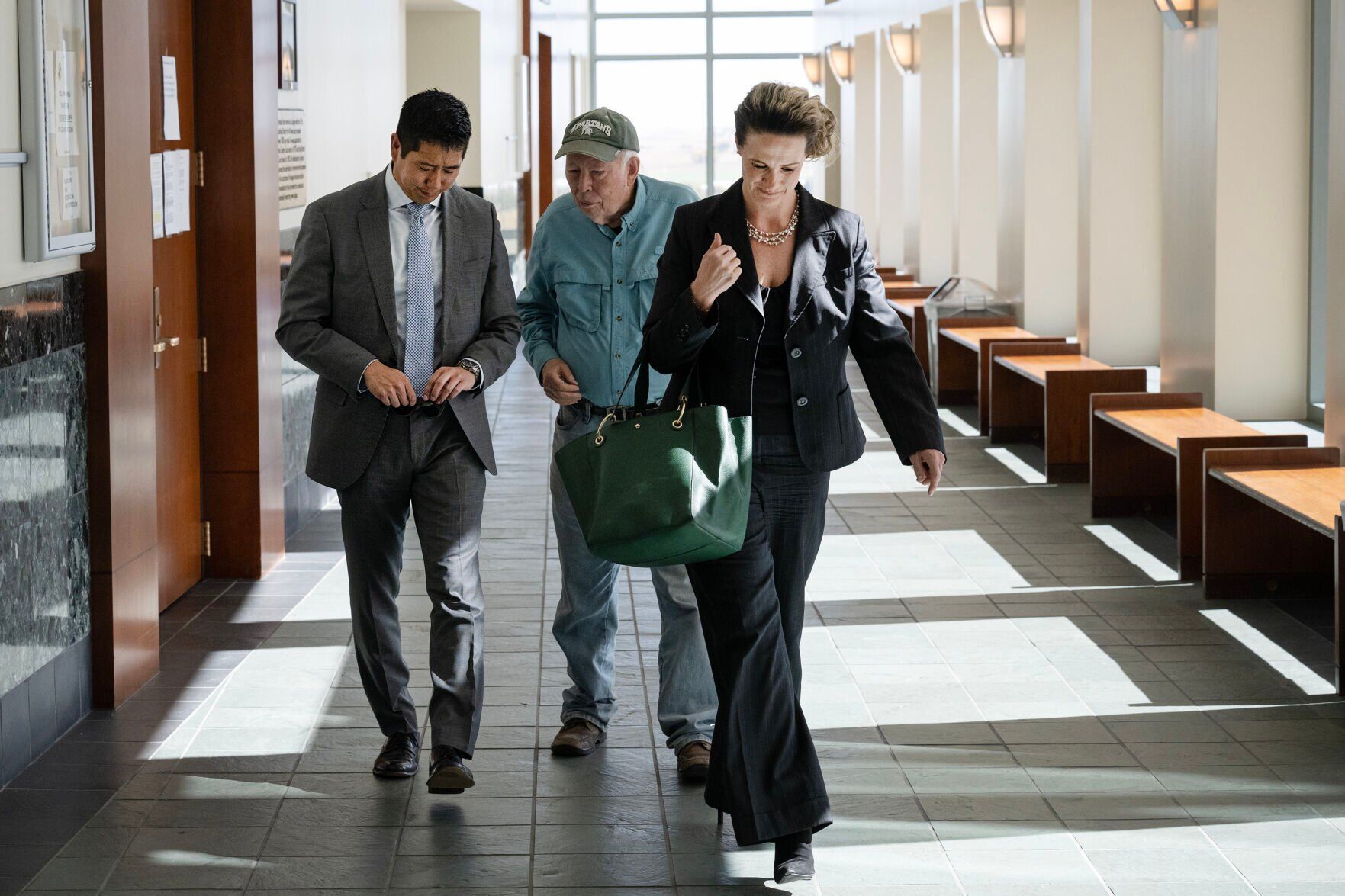
Nathan Woodyard, the Aurora police officer on trial for Elijah McClain’s death, testified Wednesday that the encounter that night shifted from routine police work to a dangerous situation the moment Woodyard’s fellow officer said McClain tried to grab one of their guns.
Subdued and frequently tearful, Woodyard spent about three hours on the witness stand Wednesday afternoon. With the attorneys’ questions often punctuated by pauses before Woodyard answered, he admitted he would have approached that night differently in hindsight.
But he said his mindset was defined by the stress of thinking he might have died and the force he felt he had to use in response.
“I was expecting to get shot and I’d never see my wife again,” Woodyard said.
Woodyard faces charges in Adams County of reckless manslaughter and criminally negligent homicide in connection with McClain’s death. He was the first officer to stop McClain, 23, the night of Aug. 24, 2019 as he walked home from a convenience store.
Woodyard and two other officers, Randy Roedema and Jason Rosenblatt, had responded to a 911 call by a teenager who reported McClain looked suspicious because the caller spotted him wearing a face mask and waving his arms.
A few minutes after the encounter began, Woodyard used a neck hold on McClain, called a carotid hold, that temporarily restricts oxygen to a person’s brain and can induce brief unconsciousness. About 18 minutes after the struggle began, a paramedic called to the scene injected McClain with 500 milligrams of ketamine, a sedative. He stopped breathing and went into cardiac arrest shortly after.
A doctor pronounced him brain dead three days later.
Expert says no evidence neck hold contributed to McClain’s death
Woodyard is accused of ignoring McClain’s pleas that he could not breathe while handcuffed on the ground and not notifying paramedics of McClain’s symptoms.
A forensic pathologist testified for prosecutors that he believes the carotid hold started a cycle of increased carbon dioxide buildup in McClain’s blood as he struggled to breathe, causing him to vomit and then inhale it into his lungs, because he couldn’t clear his airway.
One of Woodyard’s defense attorneys had him walk through how he remembers the timeline of the struggle that night. After he grabbed McClain when the 23-year-old didn’t immediately stop walking, Woodyard told him, “Relax, or I’m going to have to change this situation.”
Woodyard said on the stand he was thinking of training he received that if an officer can’t get someone into a “proper” position to search them, the officer should treat the situation as dangerous and “change” it by getting the person into handcuffs.
After the three officers walked McClain onto the grassy area next to the road, to put him against a wall, he heard Roedema say, “He tried to grab your gun,” in reference to Rosenblatt. After that point, everyone was on the ground in “a matter of seconds,” Woodyard said.
However, he acknowledged he never knew for sure whether McClain had actually gotten ahold of a gun. Prosecutors dispute that there’s any evidence he tried to reach for one.
He said he believed the situation needed to end “immediately,” and that a carotid hold is one of only a few techniques taught by the police department to gain control of a person immediately. Shortly after using it, Woodyard took McClain’s mask off, saying he had concerns about McClain’s ability to breathe.
He believed McClain’s breathing struggles were solely because of his mask, Woodyard testified. But he never thought McClain was in danger of dying.
Prosecutors argue Woodyard broke from his training by not monitoring McClain’s vital signs after using the carotid hold. He said he went to talk to his supervisor, Sgt. Rachel Nunez, away from the immediate struggle, who told him to take time to calm down because of the stress the situation caused him.
His defense attorneys argue Woodyard wasn’t aware of what other officers at the scene did while he was away, and Woodyard testified he saw McClain in the “recovery position” on his side – which ensures a person’s airway isn’t obstructed by their position – when he left.
“Did you trust other officers would take care of him?” asked his defense attorney Megan Downing.
“Yes,” Woodyard said.
“Did they?”
“No,” Woodyard replied, choking up as he added, “I know that now.”
Elijah McClain’s death: Defense in final police officer’s trial to call expert in paramedic training
On cross-examination, Senior Assistant Attorney General Jason Slothouber pressed Woodyard on the department’s de-escalation training that teaches officers to show empathy to people they contact and actively listen. He said Woodyard grabbed McClain the first chance he had, and at that point all McClain had said was, “I have the right to walk where I’m going.”
If Woodyard could go back in time, Slothouber asked, would he have tried to talk to McClain at the outset? Not immediately grabbed him? Told the first sergeant on scene McClain said he couldn’t breathe?
“If you could go back in time, you’d take back that carotid hold?”
“Yes,” Woodyard replied after a pause, through tears.
Why didn’t Woodyard ask McClain where home was, Slothouber said, or ask him what he meant when McClain said, “I am an introvert. Please respect the boundaries I am speaking.”
Woodyard admitted he didn’t know what to make of McClain telling the officer he was an introvert, and didn’t register McClain saying he meant to stop his music to listen.
“Instead, you responded with a threat to change the situation,” Slothouber said.
“Yes,” Woodyard said.
He returned to the scene as paramedics arrived. Slothouber pressed him to acknowledge he had several opportunities to tell sergeants and paramedics McClain had shown trouble breathing. Woodyard also admitted he didn’t make sure McClain was returned to a “recovery position” on his side after the injection of ketamine, before he was put on a gurney.
“You even put your gloves on to help, didn’t you?” Slothouber said.
Elijah McClain’s death characterized as homicide by final witness in Nathan Woodyard’s trial
Woodyard’s defense attorneys plan to have one more witness testify. Nadia Tereschenko, a physician, will testify about training and protocols for paramedics. She testified to the grand jury that indicted the police officers and paramedics for McClain’s death she believes the paramedics broke from their expected standard of care by not examining McClain when they got to the scene or monitoring him after injecting him with ketamine.
A separate jury convicted Roedema of criminally negligent homicide and third-degree assault in October, but acquitted Rosenblatt of all charges. Two Aurora Fire Rescue paramedics indicted for McClain’s death, Peter Cichuniec and Jeremy Cooper, have a trial scheduled later this month.


Tapped: Douglas County looks to diversify water supply as population grows
Nicholas Fogleman
nicholas.fogleman@denvergazette.com
Updated 3 hours ago
Editor’s Note: The Denver metro region sits at the center of one of the American West’s most complex and consequential water challenges. This series examines the interconnected systems that determine how the region secures, stores, and conserves its water —...
Tribes sue to halt exploratory drilling in Black Hills near sacred ceremonial site | OUT WEST ROUNDUP
Ernest Luning
ernest.luning@coloradopolitics.com
Updated 4 days ago
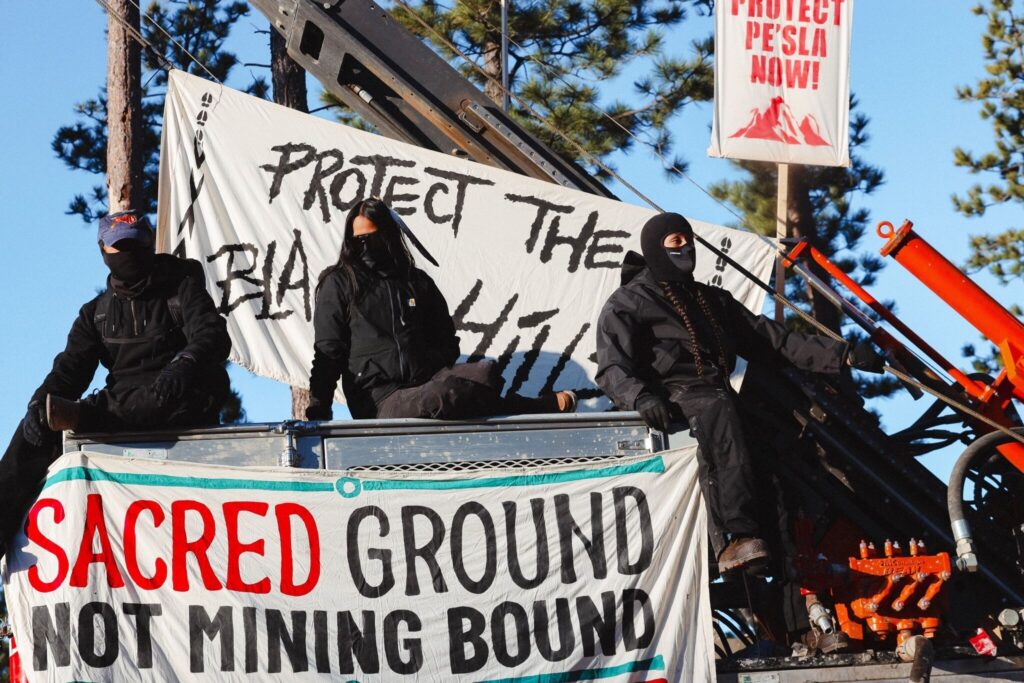
SOUTH DAKOTA Tribes sue to halt drilling SIOUX FALLS — Nine Native American tribes in South Dakota, North Dakota and Nebraska are suing the federal government in a bid to stop exploratory drilling for graphite near a sacred site in...
Tapped: Is water a problem for data centers in Colorado?
Deborah Grigsby
deborah.smith@denvergazette.com
Updated 3 hours ago
Editor‘s Note: The Denver metro region sits at the center of one of the American West’s most complex and consequential water challenges. This series examines the interconnected systems that determine how the region secures, stores, and conserves its water while...
TAPPED: Front Range residents face higher water rates, restrictions as rapid snowmelt threatens supplies
Kyla Pearce
kyla.pearce@gazette.com
Updated 1 day ago
Tapped: The Denver metro region sits at the center of one of the American West’s most complex and consequential water challenges. This series examines the interconnected systems that determine how the region secures, stores, and conserves its water while navigating...
TAPPED: Front Range residents face higher water rates, restrictions as rapid snowmelt threatens supplies
Kyla Pearce
kyla.pearce@gazette.com
Updated 1 day ago
Tapped: The Denver metro region sits at the center of one of the American West’s most complex and consequential water challenges. This series examines the interconnected systems that determine how the region secures, stores, and conserves its water while navigating...
Tapped: Aurora cracks down on water use as reservoirs fall, runoff shrinks
Kyla Pearce
kyla.pearce@gazette.com
Updated 3 hours ago
Editor’s note: The Denver metro region sits at the center of one of the American West’s most complex and consequential water challenges. This series examines the interconnected systems that determine how the region secures, stores, and conserves its water while...
Tapped: Colorado River overallocation collides with record drought conditions
Nico Brambila
nico.brambila@denvergazette.com
Updated 3 hours ago
Editor’s Note: The Denver metro region sits at the center of one of the American West’s most complex and consequential water challenges. This series examines the interconnected systems that determine how the region secures, stores and conserves its water while...
TAPPED: Front Range residents face higher water rates, restrictions as rapid snowmelt threatens supplies
Kyla Pearce
kyla.pearce@gazette.com
Updated 1 day ago
Tapped: The Denver metro region sits at the center of one of the American West’s most complex and consequential water challenges. This series examines the interconnected systems that determine how the region secures, stores, and conserves its water while navigating...
Tapped: Denver residents face hotter, costlier summer under new drought rules
Deborah Grigsby
deborah.smith@denvergazette.com
Updated 3 hours ago
Editor’s note: The Denver metro region sits at the center of one of the American West’s most complex and consequential water challenges. This series examines the interconnected systems that determine how the region secures, stores, and conserves its water while...
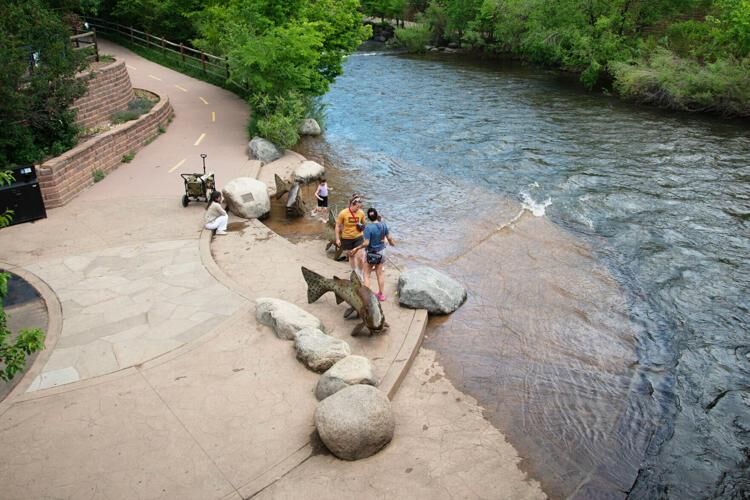
Tapped: Golden tightens water rules as Clear Creek snowpack falters
Sage Kelley
sage.kelley@denvergazette.com
Updated 4 hours ago
Editor’s note: The Denver metro region sits at the center of one of the American West’s most complex and consequential water challenges. This series examines the interconnected systems that determine how the region secures, stores, and conserves its water while...
PREV
PREVIOUS

Denver school board candidates raise more than $500,000 in final days of race
Significant money poured into the Denver Public Schools Board of Education races, where just three candidates hauled in roughly $2 out of every $3 raised in the final reporting period before voters decide next week who will be city’s next set of policymakers. In all, the eight candidates vying for three open seats cumulatively raised […]

Lauren Boebert's primary challenger Jeff Hurd lands endorsement from Republican county commissioner
Jeff Hurd, a Republican challenging U.S. Rep. Lauren Boebert in Colorado’s 3rd Congressional District primary, won an endorsement Thursday from GOP Rio Blanco County Commissioner Ty Gates. Gates told Colorado Politics he believes Hurd can do a better job representing the rural county’s residents than the incumbent has. “In my conversations with Jeff, he has […]