

Colorado panel turns down ‘safe injection sites’ bill, cites potential veto from Jared Polis
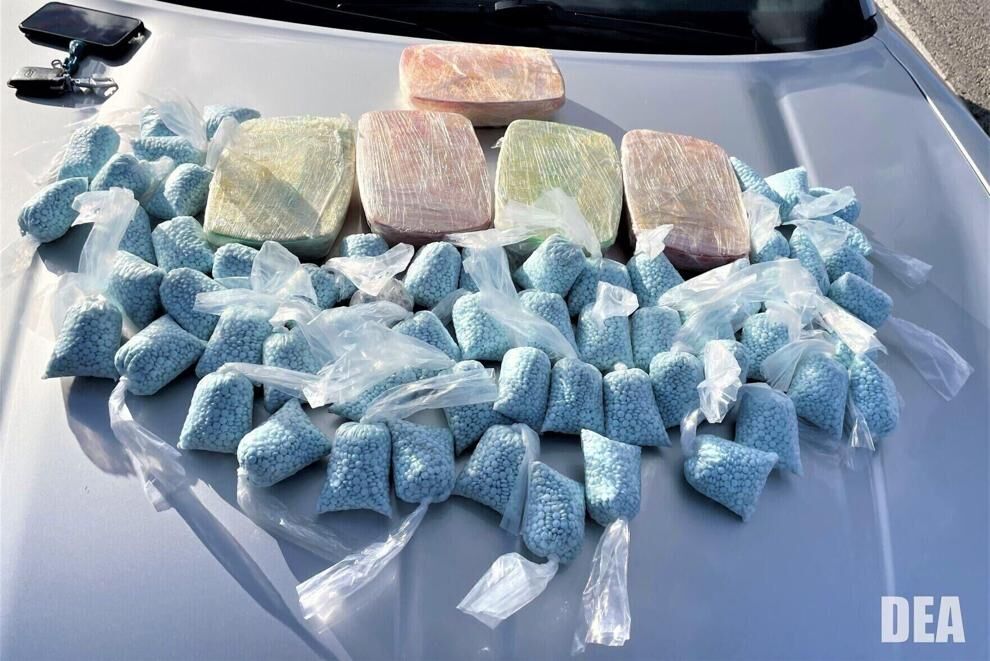
An interim legislative committee tasked with working on Colorado’s opioid crisis advanced four bills on Monday but rejected the proposal to set up facilities where people can use illegal drugs under the supervision of medical professionals.
The Opioid and Other Substance Use Disorders Study Committee turned down the “safe injection sites” proposal, identified in draft legislation as “overdose prevention centers,” based on concerns about a possible veto from Gov. Jared Polis.
A similar effort in the 2023 session died in a Senate committee last spring also for the same reason – a veto threat from the governor.
The draft legislation considered by the committee Monday would have established a five-year pilot program in municipalities that have authorized those facilities.
Five years ago, the Denver City Council authorized such centers, the only local government to do so. However, those centers never opened because the city is waiting on required state authorization to put its plan into motion.
In a statement to Colorado Politics, Polis spokesman Conor Cahill said the governor “has been clear with Coloradans and the legislature that he is opposed to these drug use sites.”
“He looks forward to continuing to work with the legislature to get people help for substance use disorders, end the scourge of fentanyl, and crack down on drug dealers in support of making Colorado one of the ten safest states,” Cahill said. “There is also great uncertainty nationally about the role of the federal government and how they would enforce against these sites that are already operating in other states.”
The committee voted to send four bills to the Legislative Council, which on Nov. 15 will review all legislation forwarded by interim committees for consideration in the 2024 session.
The first deals with prevention and some clean-up on the statutes that created the Prescription Drug Monitoring Program.
The bill would update the statutes to improve data collection and access; support safer prescription; reduce misuse of prescription drugs; fund community-based organizations for prevention services; and, establish a grant program for substance use screening, intervention and referral to treatment for young people.
“Addressing the overdose and substance use disorder crisis that impacts many Coloradans and their families requires us to dig deep and consider many approaches, especially data driven initiatives, and this prevention bill starts with doing a better job on the front end by preventing folks from getting hooked at all,” Sen. Sonya Jaquez Lewis, D-Longmont, said in a statement on Monday.
Rep. Mary Young, D-Greeley, who will cosponsor the bill with Jaquez Lewis, said the best way protect Coloradans from developing substance use disorders is to “promote proven prevention methods to stop people from using dangerous substances in the first place.”
“Our bill takes a multi-pronged approach at substance use prevention by funding grant programs that connect residents to community-based resources and establishing screening and treatment referrals within our schools and pediatric settings,” Young said.
The second bill would direct the state Department of Health Care Policy and Financing to apply for Medicaid waivers to cover health care services for individuals in prison, as well as reduce insurance barriers for access to substance use disorder treatment.
“Too many Coloradans are struggling with substance use disorders, and in many cases, dying of preventable overdoses,” said committee chair Rep. Chris deGruy Kennedy in the same statement. “Colorado has made remarkable progress on building a comprehensive response since this committee was established in 2017. “
Sen. Kyle Mullica, D-Thornton, noted that more than 1,500 Coloradans died from a drug overdose in Colorado last year, calling it a “heartbreaking number we must do more to reduce.”
“We’ve worked hard this interim to develop a menu of options for tackling this crisis, including legislation I am sponsoring that will expand treatment options for folks struggling with substance use disorders,” Mullica said.
The third bill deals with offering clean equipment to local public health agencies, expanding protections for people administering opioid antagonists and broadening drug testing grant programs, the goal of which is to be more proactive in anticipating and confronting the next black market drug.
The final bill would foster “foster more recovery-friendly workplaces, clear barriers for sober living residences, and urge grocery stores to avoid in-your-face alcohol advertising that makes it harder for people in recovery to simply buy food for their families.”

Colorado Politics Calendar July 27-Aug. 2
Rachael Wright, Special to Colorado Politics
rachael.wright@coloradopolitics.com
Updated 5 days ago
CoPo’s weekly political calendar will help you find political and public-policy events throughout Colorado. It includes candidate and issue campaign events, public policy meetings, court hearings, state and local party conventions, assemblies, debates, rallies, parades, speaking engagements, traveling dignitary appearances,...

The through line from Donald Trump to Victor Marx | SONDERMANN
By Eric Sondermann
by-eric-sondermann@coloradopolitics.com
Updated 5 days ago
Over 10 years ago, before Donald Trump could ever defeat Hillary Rodham Clinton, he had to first engineer a hostile takeover of the Republican Party. Prior to his descent of that golden escalator, the previous seven Republican presidential nominees had...

Colorado districts prepare for school year amid mental health cuts. But will less cellphone distractions help?
Marissa Ventrelli
marissa.ventrelli@coloradopolitics.com
Updated 3 days ago
The signs of a new school year are everywhere — buses in the shop, teachers unpacking boxes, families ticking through supply lists — but behind the familiar rituals, Colorado districts are preparing for a year defined less by routine than...
Armstrong staffer considers congressional bid, DeGette angers rural communities with wilderness act | A LOOK BACK
Rachael Wright, Special to Colorado Politics
rachael.wright@coloradopolitics.com
Updated 4 days ago
Forty-five years ago this week: If the lines were drawn just right, Republican Sen. Bill Armstrong stood the chance of losing his office manager, Ruth Fountain. Fountain admitted she was seriously thinking about running for Colorado’s new congressional seat in...
10th Circuit dismisses woman’s lawsuit following 10-year attempt to undo restraining order
Michael Karlik
michael.karlik@coloradopolitics.com
Updated 3 days ago
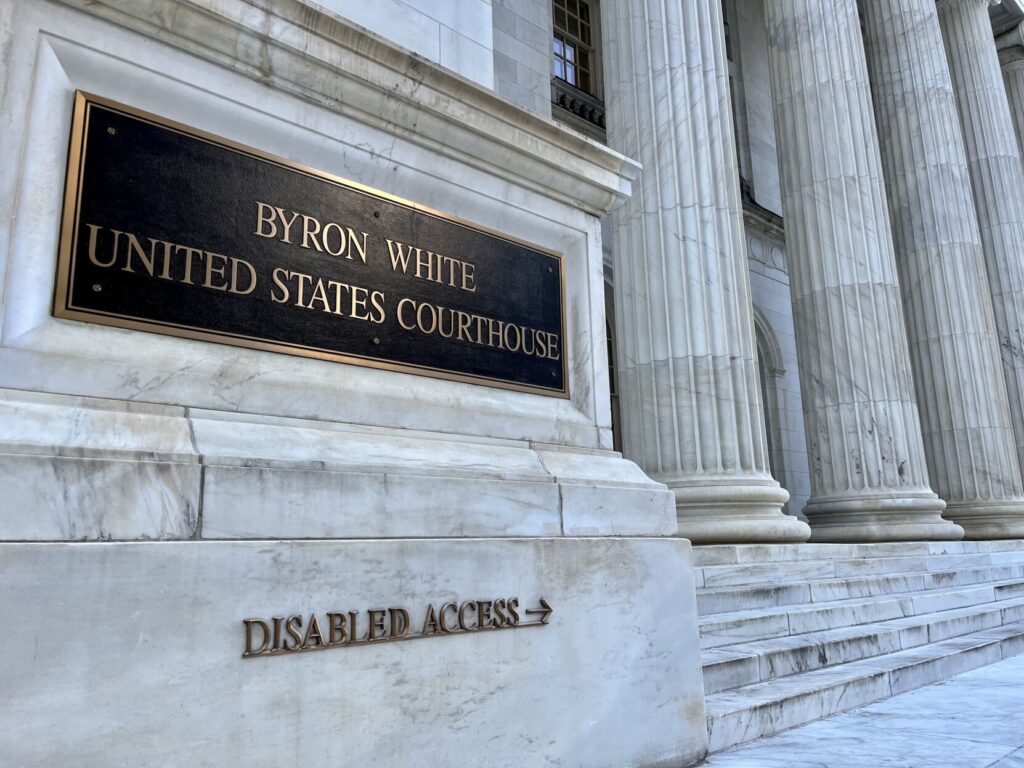
The Denver-based federal appeals court rejected a woman’s challenge on Friday to a restraining order imposed on her more than a decade ago, finding that she cannot credibly claim she will be prosecuted for violating the restraining order through her...
10th Circuit dismisses woman’s lawsuit following 10-year attempt to undo restraining order
Michael Karlik
michael.karlik@coloradopolitics.com
Updated 3 days ago
The Denver-based federal appeals court rejected a woman’s challenge on Friday to a restraining order imposed on her more than a decade ago, finding that she cannot credibly claim she will be prosecuted for violating the restraining order through her...
Surprise candidate Shimon Blau cleared to face off against Melat Kiros in November
Ernest Luning
ernest.luning@coloradopolitics.com
Updated 3 days ago
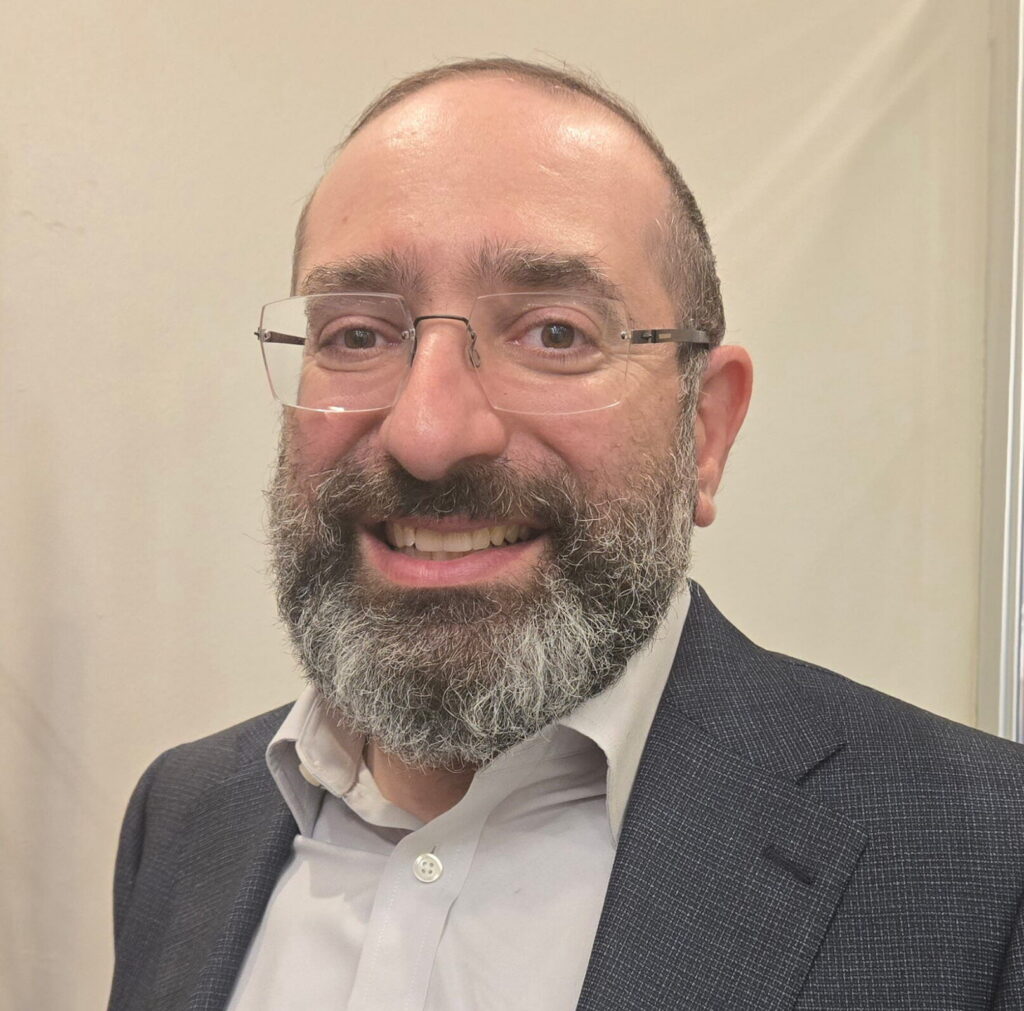
Unaffiliated congressional candidate Shimon Blau, a Denver doctor, has qualified by petition for the general election in Colorado’s 1st District, where Democrat Melat Kiros defeated 15-term U.S. Rep. Diana DeGette in last month’s primary, the Colorado Secretary of State’s Office...

Colorado produce not tied to nationwide cyclospora outbreak, agriculture officials say
Marissa Ventrelli
marissa.ventrelli@coloradopolitics.com
Updated 2 days ago
There is no indication that the recent outbreak of cyclospora, a fecal parasite that has contaminated food and water across nearly every state, can be linked to produce grown in Colorado, according to the state’s Department of Agriculture. “Colorado growers...

UNC opens College of Osteopathic Medicine
Marissa Ventrelli
marissa.ventrelli@coloradopolitics.com
Updated 3 days ago
The University of Northern Colorado held a grand opening for its new College of Osteopathic Medicine on Friday, with Gov. Jared Polis in attendance to celebrate the culmination of a two-year, $127.5 million project. The project was funded through legislation...
Colorado equal pay law does not require plaintiffs to allege gender-based retaliation, appeals court finds
Michael Karlik
michael.karlik@coloradopolitics.com
Updated 2 days ago
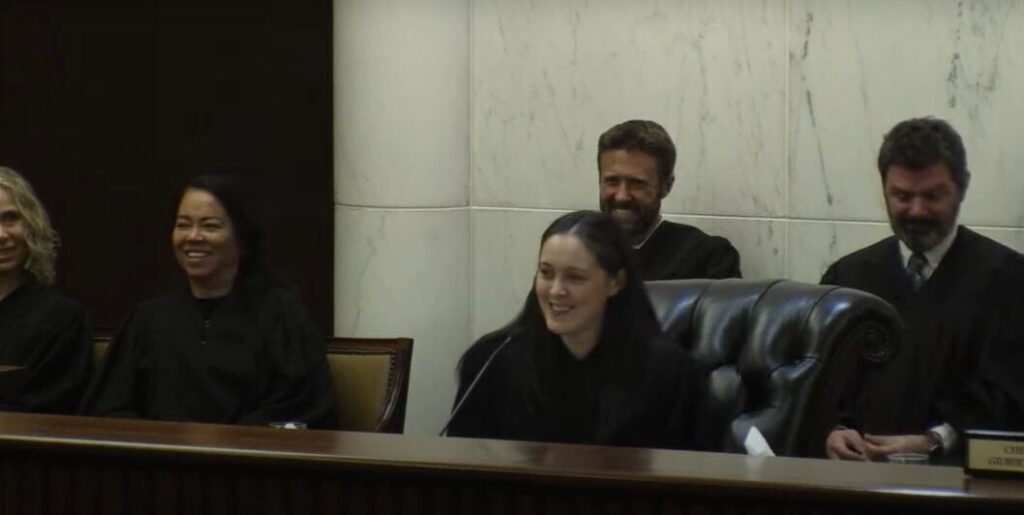
The 2019 Colorado law aimed at rooting out pay discrimination on the basis of sex does not require a plaintiff to allege their employer retaliated against them for sex- or gender-related reasons, the state’s second-highest court decided on Thursday. Lawmakers...
PREV
PREVIOUS
Denver City Council seeks $30 million in emergency rental assistance funding
Denver’s councilmembers on Monday insisted on spending $30 million in rental assistance next year. Mayor Mike Johnston initially proposed $12.6 million in his 2024 budget for the city’s Emergency Rental Assistance program, which aims to support Denver residents whose income sits at or below 80 percent of the area median income. The council asked for […]

Xcel hit with $26.45 million judgment for Comanche 3 power plant negligence
A Denver District Court jury on Wednesday awarded CORE Electrical Cooperative $26.45 million in damages from Xcel Energy after jurors determined the company mismanaged the Comanche 3 generating plant near Pueblo. CORE filed the $235 million lawsuit in September 2021, alleging that Xcel breached its contractual obligations related to the operation and maintenance of Comanche […]