

‘Green’ burials come in many formats, but flame cremation isn’t one of them
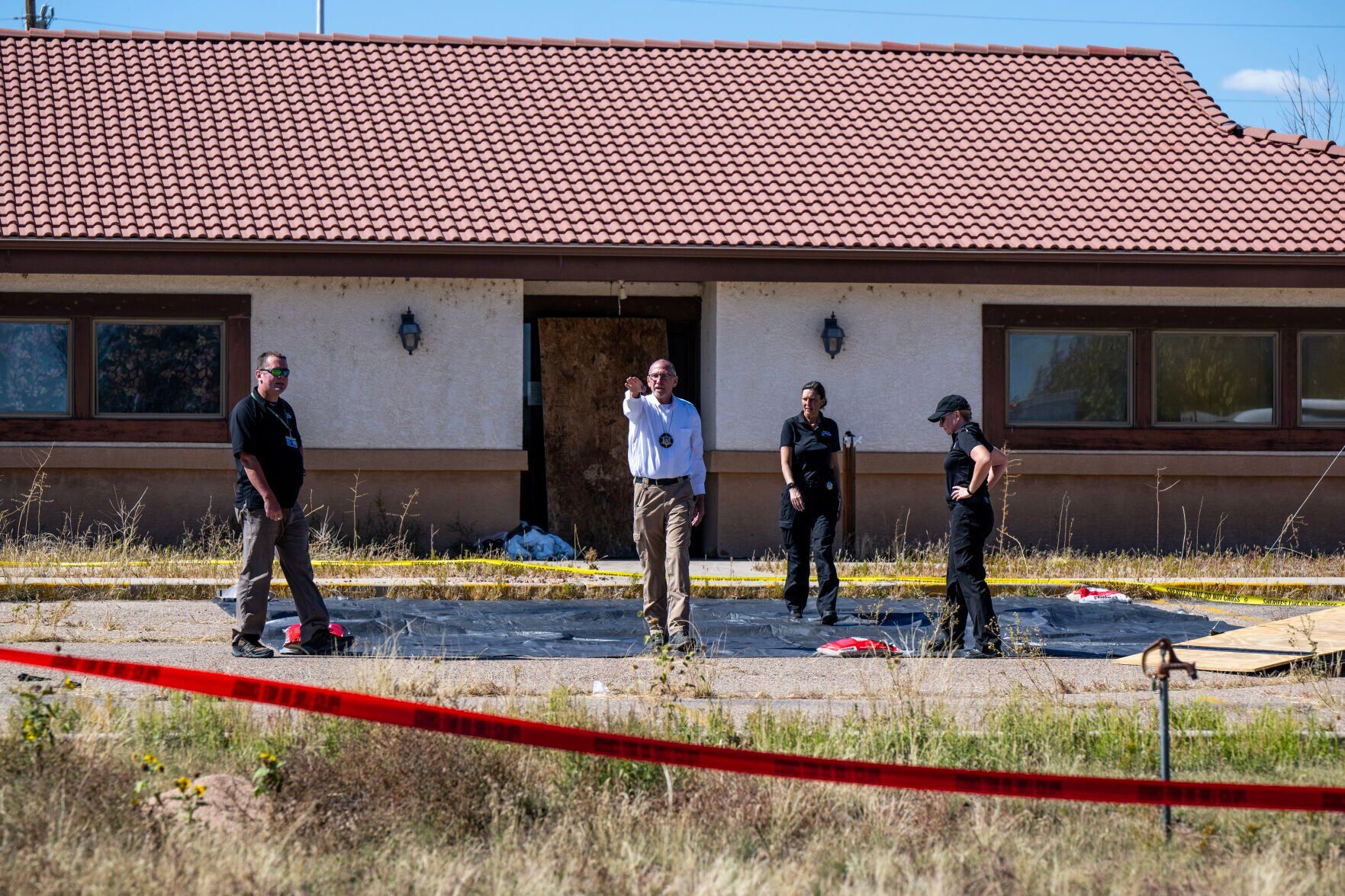
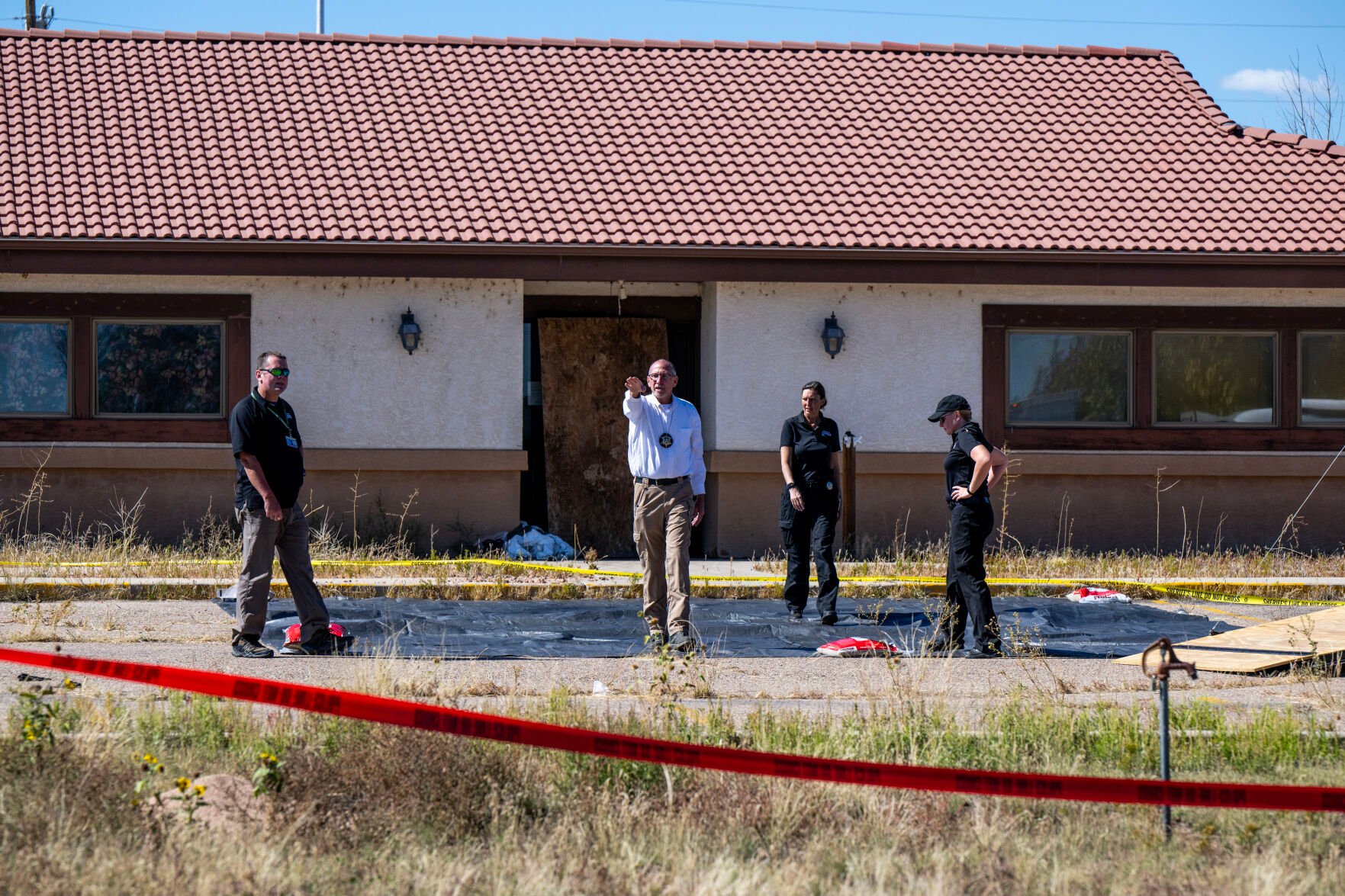
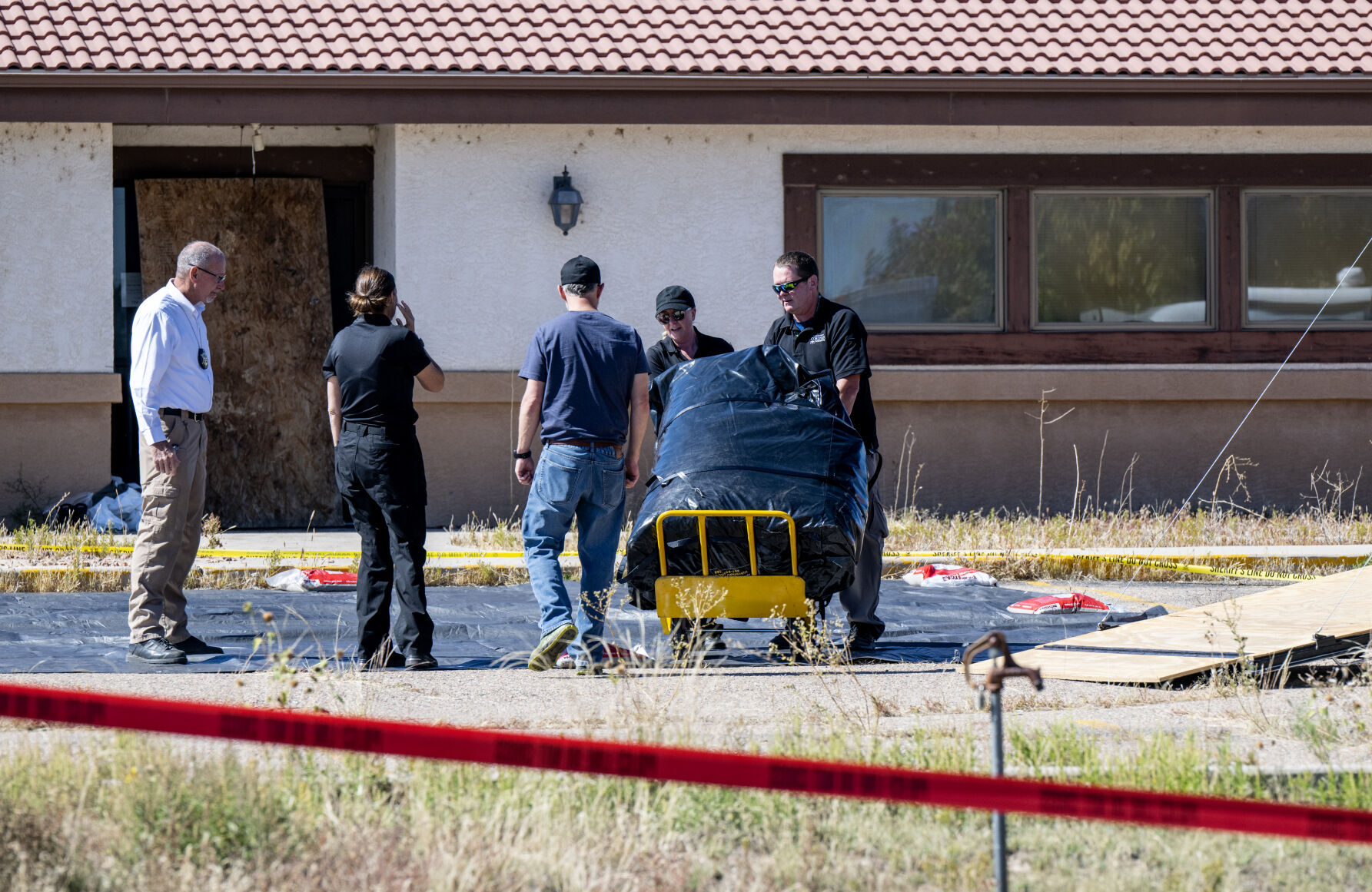
The discovery of more than 115 decaying bodies at Return to Nature, a Penrose funeral home that provided flame cremations but primarily marketed itself as a “green” burial business, has inspired questions about a niche of the modern funeral industry whose practices date back to the dawn of grief and ritual.
Colorado law requires bodies that haven’t been cremated or buried within 24 hours of death to be embalmed or refrigerated to prevent decomposition, said Seth Viddal, co-owner and CEO of The Natural Funeral, which operates green funeral homes in Lafayette and Loveland.
Families that eschew embalming, and turn to Viddal’s company for a green burial, have a number of eco-friendly choices for final disposition, from direct interments in biodegradable caskets, shrouds or nothing at all, to decomposition via other natural forces.
Refrigeration allows families time to make decisions about “natural death care,” and, if they so choose, to see their loved one a final time looking as they did in life, said Viddal. He said that between the two funeral homes and an Arvada care center where eco-cremations are carried out, The Natural Funeral has climate controlled morgue space for 14 decedents at a given time. Bodies are kept at 36 degrees – above freezing, but cold enough to slow cellular breakdown that sets in minutes after a heartbeat stops.
“When done properly, and when the rules are followed and refrigeration applied, that decomposition process is paused or slowed to such an effective extent that families can go on to interact ceremonially with their loved ones,” Viddal said. “And they look like themselves, not altered with cosmetics and filled with chemicals … until such time as they are cremated or buried.”
Between 15% and 20% of the families The Natural Funeral serves opt for eco-friendly burials, he said. Such interments are legal in almost all established Colorado cemeteries, including Pikes Peak National Cemetery (and with the proper permitting, paperwork and given no local ordinances forbid it, on private property).
The services accompanying such goodbyes look like any other funeral; the only difference being cost, and what happens under the ground, Vidal said.
By far, the most popular services his funeral homes offer are “alternative” dispositions available due to “emerging technologies.”
Water cremation, offered since 2019, uses a solution of heated water and potassium hydroxide to trigger natural chemical processes that break down organic matter over the course of hours.
“It’s one of the fastest growing segments of business at the Natural Funeral because people connect with a safe and rapid transformation of their loved one’s body back into something which can be gifted to the earth and returned to the cycle of life,” said Viddal, about a process added to the state’s legal definition of “cremation” in 2014.
Terramation – also known as body composting or natural organic reduction – is an even newer technology in which decomposition occurs in a hermetically sealed vessel where the environment is regulated to promote the rapid, “safe and effective transition of the body from a body into soil,” said Viddal. The option currently is only legally available in seven states, including Colorado, which considers the resulting soil human remains, much like ashes.
While flame cremations are the “most rapidly declining section,” Viddal said they still represent about 20% of his business.
Such cremations are not considered “green” due to the pollution created by the incineration process, but it’s an option Viddal said he will continue to offer as long as it’s what families want.
“We use a third party to perform our flame cremations. That technology is one that pollutes and is not one we want to invest in, but it is the least expensive option, and for some of our clients that is a driving factor,” Viddal said.
The trade rate for cremation, he said, is only a few hundred dollars per decedent.
Which – depending on what state and federal authorities discover over the course of what is poised to be a lengthy investigation – could lend more disturbing context to an already ghastly story, of loss compounded by wrong.
That’s the part that really gets to him, said Viddal: the victimization of the grieving. The violation of the dead.
“Whether these bodies turn out to have been somehow removed from their intended disposition, which was say a green burial, and improperly stored, or whether they were removed from the cycle of a cremation and improperly stored, the major transgression is they were improperly stored,” Viddal said. “This is an undignified treatment of human remains … and a horrible mistreatment of the families who now are left wondering if the remains they have actually belong to their loved one.”
Police made the gruesome discovery Wednesday, while following up on neighbors’ complaints of an “abhorrent smell” coming from the Penrose location of a funeral home business founded in 2017 in Colorado Springs, where it maintained offices.
Return to Nature’s license to practice as a funeral home, at all its locations, has been suspended. No arrests have been made. Gross wrongs were done, but whether charges will be filed remains to be seen.
Fremont County Coroner Randy Keller said Friday it will likely take several months for the more-than 115 bodies to be identified – through fingerprints, medical and dental records, and DNA testing – and families notified.
Viddal said he is heartbroken for the families now left in limbo, awaiting answers and closure, as the investigation plays out.
“As an ethical funeral home operator who genuinely falls in love with the families we serve, I cannot begin to fathom an emergency that could possibly explain …,” Viddal said. “One body, if you’re in over your head, you call for help.”


Littleton approves $1M for Starlight affordable housing project
Nicholas Fogleman
nicholas.fogleman@denvergazette.com
Updated 17 minutes ago
The Littleton City Council on Tuesday approved a $1 million funding request to support construction of a new affordable housing development known as the Starlight Apartments. The council authorized the contribution from the city’s Affordable Housing Fund for the project,...
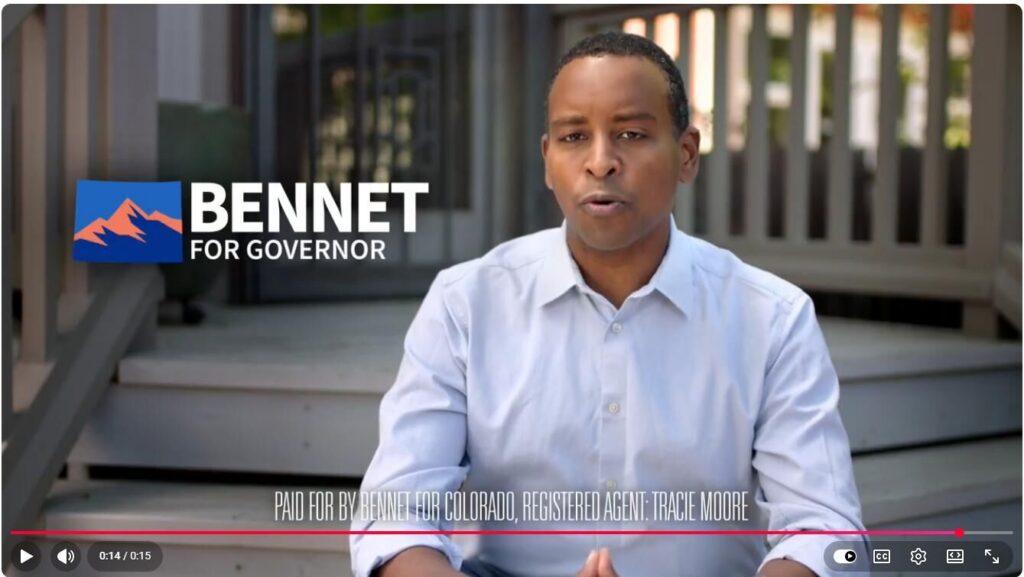
Bennet’s gubernatorial ads say U.S. Senate committee paid for them
Marianne Goodland
marianne.goodland@coloradopolitics.com
Updated 19 minutes ago
A series of TV commercials for U.S. Sen. Michael Bennet’s gubernatorial campaign showed disclaimers that indicated his U.S. Senate campaign committee paid for those ads. That’s potentially a violation of state campaign finance law, one for which the Bennet campaign...

Democratic candidates for the 8th Congressional District: Meet Manny Rutinel and Shannon Bird
Thelma Grimes
thelma.grimes@coloradopolitics.com
Updated 18 hours ago
Colorado’s 8th Congressional District is once more the site of a hard‑fought Democratic primary, with candidates competing for the chance to challenge Republican incumbent Gabe Evans this November. A once‑crowded field has narrowed to state Rep. Manny Rutinel and former...
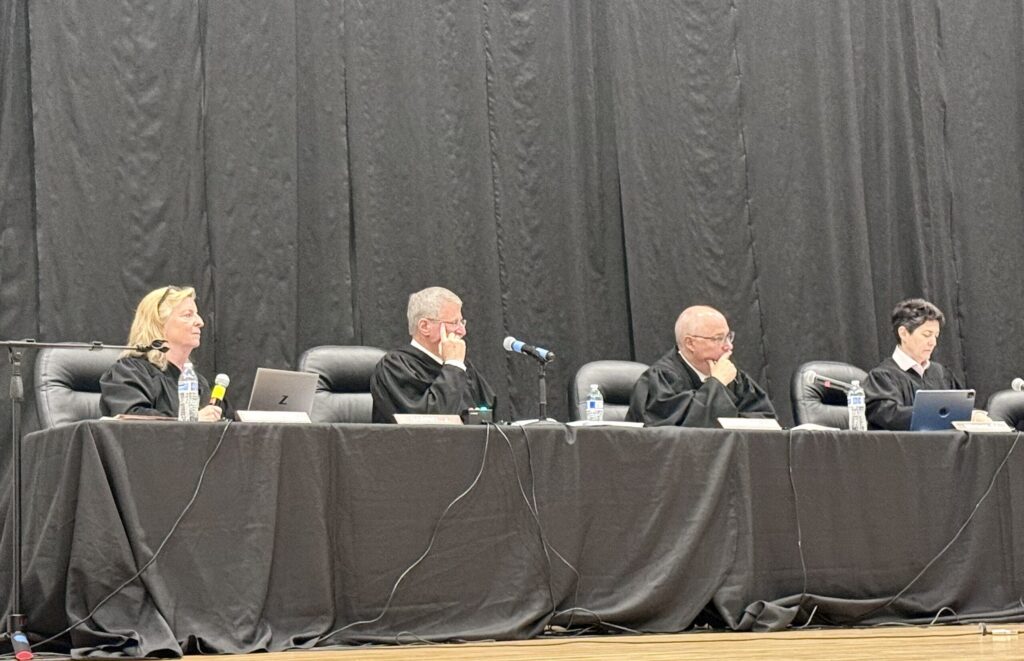
Colorado Supreme Court reverses 2 Chaffee County judges for imposing fee on habeas petitioner
Michael Karlik
michael.karlik@coloradopolitics.com
Updated 18 hours ago
The Colorado Supreme Court rejected two separate appeals earlier this month from an incarcerated defendant seeking immediate release from prison, but concluded that two Chaffee County judges incorrectly required him to prepay filing fees for his cases. David J. Gottorff...

A graduated tax plan could undercut Colorado’s business competitiveness, analysis warns
Marissa Ventrelli
marissa.ventrelli@coloradopolitics.com
Updated 19 hours ago
A proposal to move Colorado to a graduated income tax — taxing individuals and businesses at different rates based on their earnings — could generate more than $2 billion in its first year, but it may also weaken the state’s...

Denver City Council committee delays vote to advance biennial budget
Deborah Grigsby
deborah.smith@denvergazette.com
Updated 25 minutes ago
Members of the Denver City Council Governance and Intergovernmental Relations Committee delayed a vote that would advance a proposed ballot measure allowing the city to adopt an optional biennial budget cycle because three of the seven voting members were out...
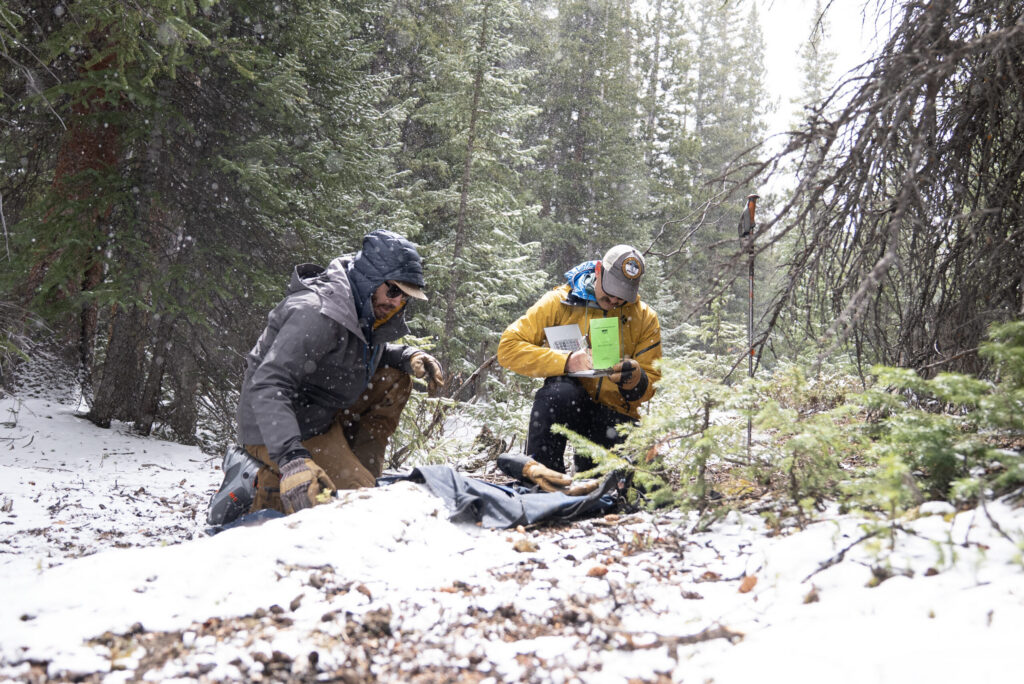
It won’t end the drought, but Super El Niño expected to boost Colorado moisture
Marianne Goodland
marianne.goodland@coloradopolitics.com
Updated 15 hours ago
Colorado is headed into what could be one of its strongest El Niño summers on record, a shift expected to bring above‑average monsoon moisture, though not enough to erase the state’s long‑running drought. That was the assessment on Tuesday from...

Vance says changing his tune on Trump was a sign of ‘humility’
Mabinty Quarshie, Washington Examiner
mabinty.quarshie.washington.examiner@gazetteedit.wpenginepowered.com
Updated 20 hours ago
Vice President JD Vance insisted his evolving views on President Donald Trump over the past decade were a sign of “humility” during his first interview with ABC’s The View. Vance spoke with the show’s co-hosts on Tuesday morning to promote...

1st Congressional District Democratic primary: Meet candidates Diana DeGette, Milat Kiros and Wanda James
Thelma Grimes
thelma.grimes@coloradopolitics.com
Updated 21 hours ago
Voters in Colorado’s 1st Congressional District will face an unusually competitive choice on this year’s Democratic primary ballot, where Rep. Diana DeGette, who has represented the area for nearly three decades, is being challenged by two candidates who successfully qualified...

Lindsay Datko on school safety, misconduct and transparency in Jeffco schools | The OpEdge Podcast
Tony Olivero
tony.olivero@gazette.com
Updated 21 hours ago
Jeffco Kids First founder Lindsay Datko joins The OpEdge to explore concerns about school safety, staff misconduct and transparency in Jefferson County Schools. Datko tells host and investigative columnist Jimmy Sengenberger why she believes Colorado’s second-largest district has too often...