

27 trafficking victims saved in Colorado after crackdown operation
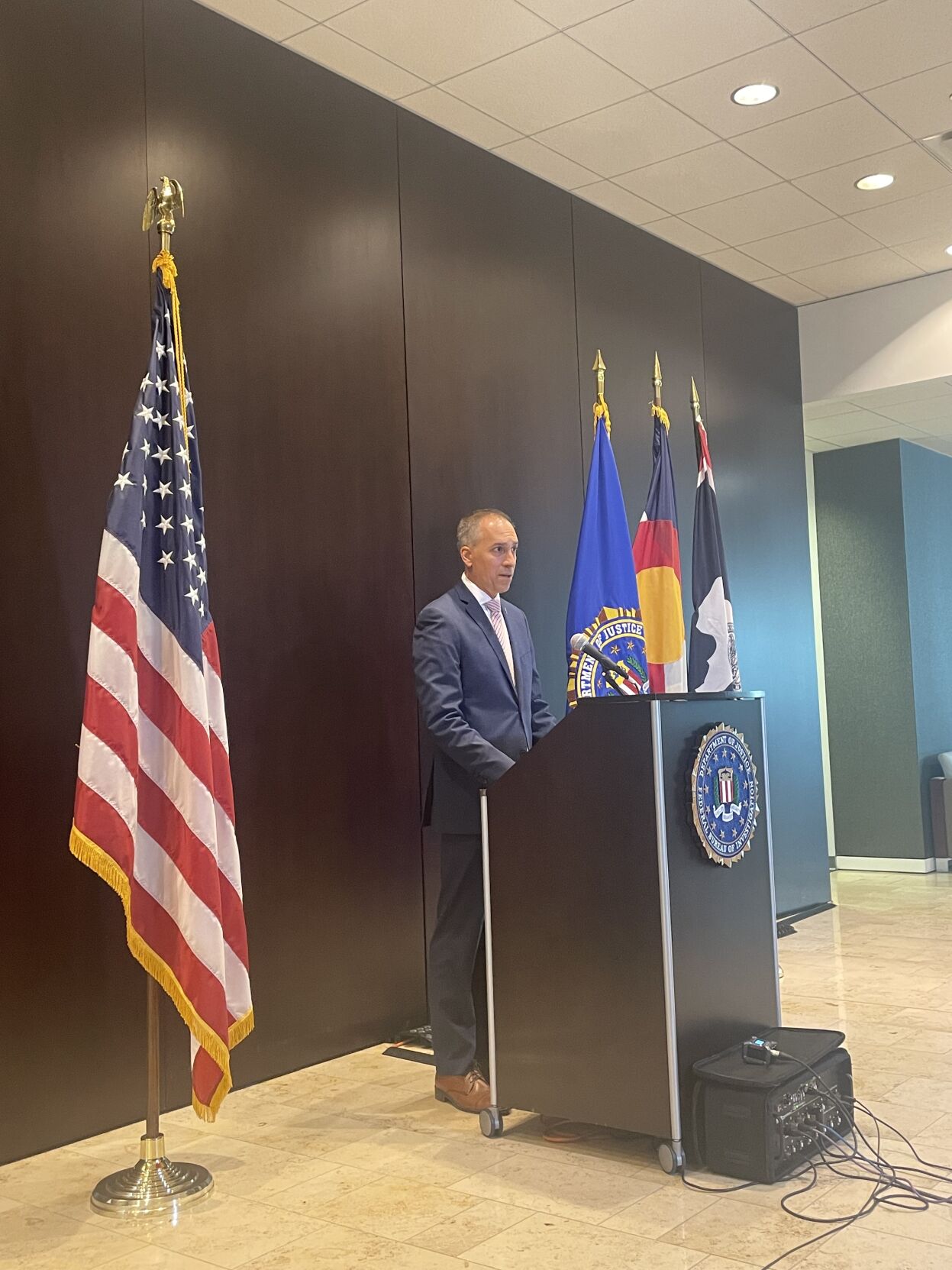
The FBI and local Colorado law enforcement agencies recovered eight children and 19 adult victims of sex trafficking in July as part of Operation Cross Country, a yearly national crackdown, the FBI announced Wednesday.
“Human trafficking, and especially sex trafficking for children, is a persistent and particularly destructive threat that causes unthinkable harm to the most vulnerable members of our society,” said Mark Michalek, the special agent in charge of the FBI’s Denver office, in a news conference Wednesday.
Victims found in this summer’s operation included a 16-year-old girl trafficked by her father in exchange for drugs. Another child was reported missing by her foster family and found in a hotel room with a “known” trafficker, according to a news release.
Operation Cross Country involves 89 task forces in the U.S., according to the release. A two-day crackdown in July as part of the operation in Colorado led to the arrest of five traffickers and identification of eight others for more investigation.
It involved more than 40 law enforcement agencies, human services departments, district attorneys’ offices and victims’ advocacy organizations.
FBI in Denver identifies nearly two dozen sex trafficking victims in Operation Cross Country
Trafficking victims don’t fit a single profile, officials said, but often they are in vulnerable positions that put them at risk for exploitation. That can include backgrounds poverty, unstable homes, substance addiction, having disabilities and identifying as LGBTQ+.
“The traffickers often find that providing drugs, food and shelter is an acceptable means to manipulate victims,” said Lt. Aaron Rebeterano, who supervises the Denver Police Department’s human trafficking unit. “Many of the traffickers utilize their victims’ addictions, lack of resources (and) physical and emotional abuse to maintain control.”
He added traffickers also don’t fit one profile. They often are gang members or low-level drug dealers, but trafficking also happens in residential brothels and massage parlors.
Law enforcement agencies work with non-government organizations and human services departments that provide services and advocacy for victims. Anne Darr, a victim specialist for the FBI, said the partnerships especially matter for instances when victims don’t want to talk to law enforcement officers initially. She said victims may fear getting themselves or their traffickers – whom they often have a trauma bond with – into trouble.
“They may not be ready to be able to talk about their experience. And so that’s where it’s incumbent upon me to make sure that we’re connecting them with service providers in the community,” Darr said.
She said asking victims basic questions about their situations, such as when they last slept, ate or had contact with family, helps assess their immediate needs, but also can help open the door to talking about what has happened to them.
Officials emphasized arrests of traffickers or getting victims out of their situations mark only the beginning of the victims’ recovery.
The FBI currently has more than 1,600 pending human trafficking investigations and opened 668 in the 2022 fiscal year, Michalek said.
“I think the takeaway is that it’s here,” he said. “They are hiding in plain sight.”


10th Circuit grants immunity to officers for fatal Manitou Springs shooting
Michael Karlik
michael.karlik@coloradopolitics.com
Updated 4 hours ago
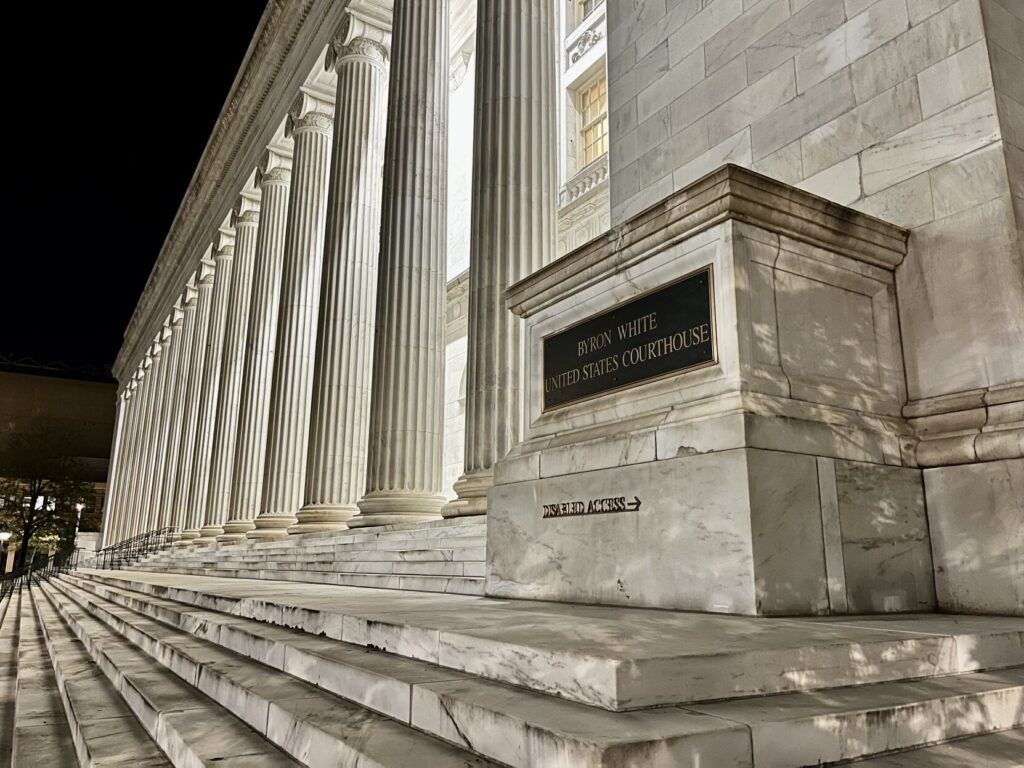
The Denver-based federal appeals court ruled on Wednesday that responding officers from Manitou Springs and El Paso County cannot be held constitutionally liable for shooting and killing a man after a 20-minute standoff. Wilford Deweese allegedly pulled out a gun...
10th Circuit rejects invitation for full-court review of tax-avoidance case
Michael Karlik
michael.karlik@coloradopolitics.com
Updated 1 hour ago
The Denver-based federal appeals court declined to reconsider the standards for holding entities liable for their tax-avoidance schemes, with a majority of judges voting against full-court review on Monday. In April, a three-judge panel of the U.S. Court of Appeals...
GOP gubernatorial candidate Victor Marx pushes aggressive water-storage expansion at Colorado Water Congress
Marianne Goodland
marianne.goodland@coloradopolitics.com
Updated 4 hours ago
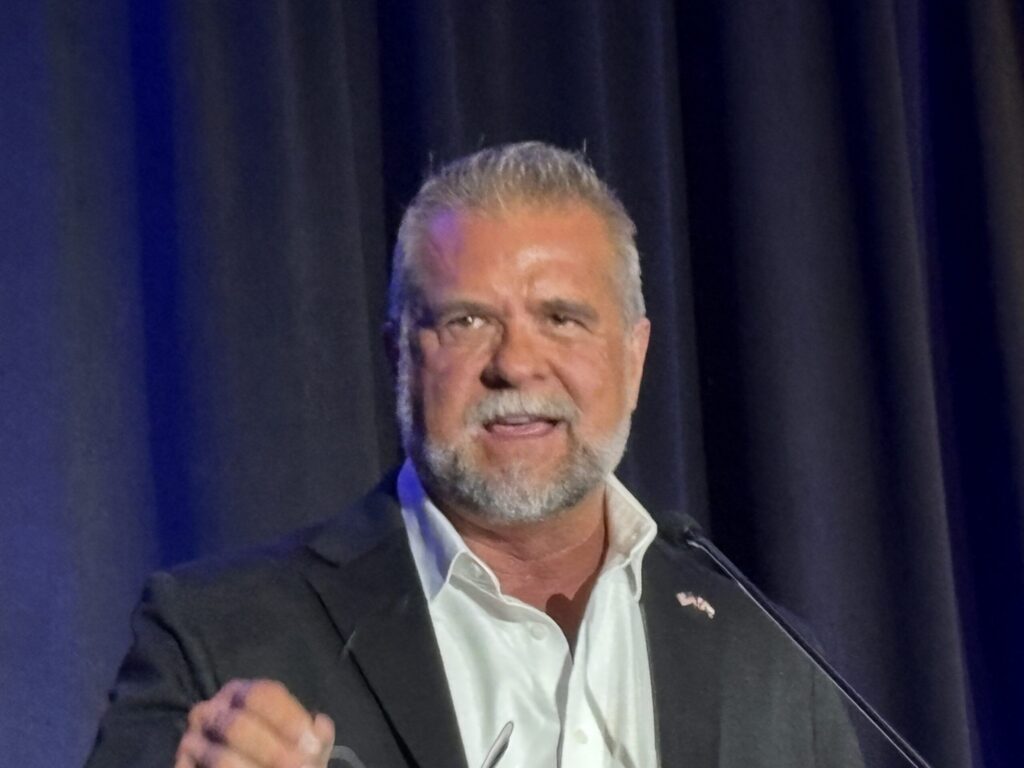
Victor Marx, the Republican nominee for governor, took the spotlight Wednesday during the opening day of the Colorado Water Congress, laying out how he says the state should approach its water future. Marx told the standing-room-only audience in Steamboat Springs...
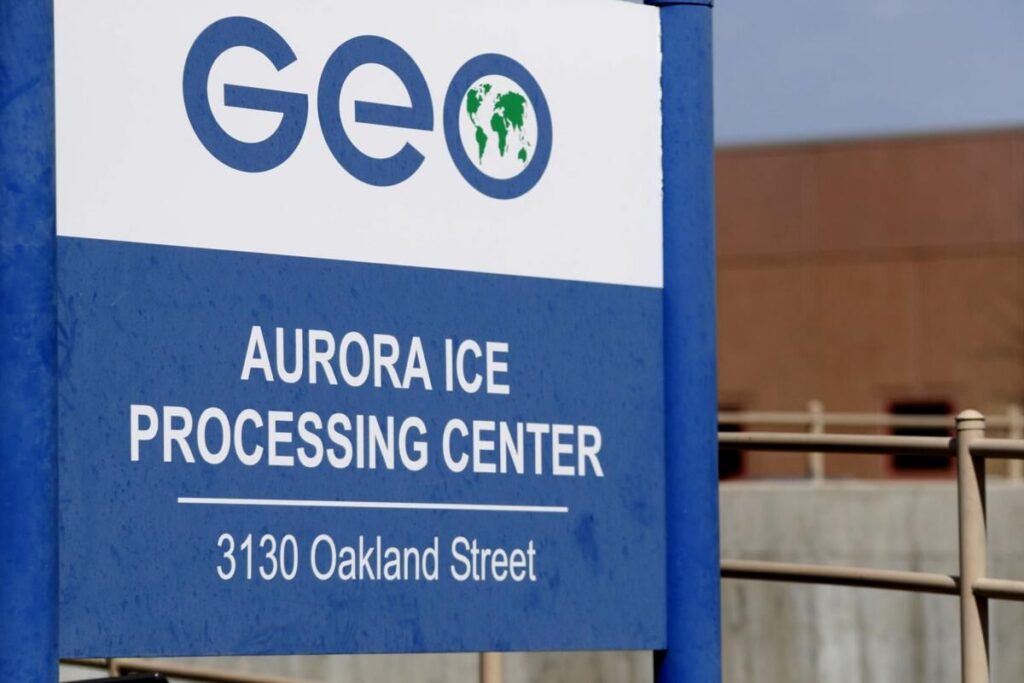
Colorado AG sues GEO Group over noncompliance with tuberculosis investigation
Kyla Pearce
kyla.pearce@gazette.com
Updated 3 hours ago
The Colorado Attorney General’s Office on Wednesday filed a lawsuit against GEO Group, which operates the Aurora ICE Processing Center, alleging the company failed to comply with a state tuberculosis investigation. Weiser’s lawsuit demands that GEO provide “critical information” needed...
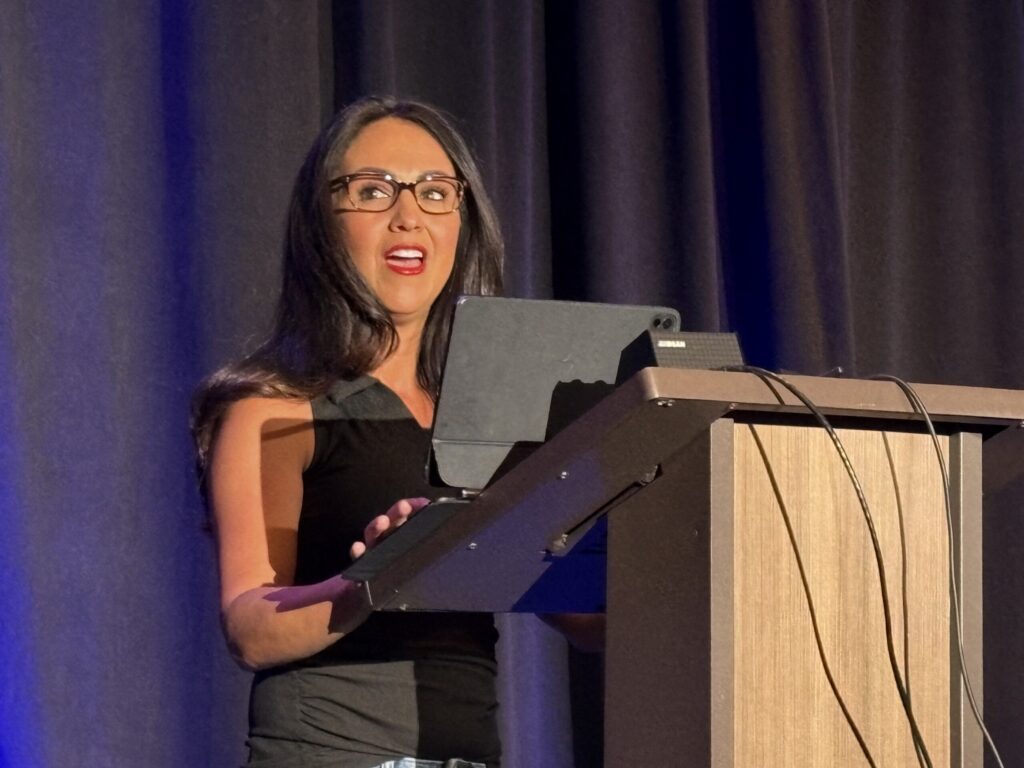
U.S. Rep. Lauren Boebert stresses storage, forest health and Upper Basin rights at Colorado Water Congress
Marianne Goodland
marianne.goodland@coloradopolitics.com
Updated 4 hours ago
Republican U.S. Rep. Lauren Boebert used her brief Wednesday appearance at Colorado Water Congress to tout her record on delivering water projects for the state and her district. Boebert, who is running for her second term representing Colorado’s 4th Congressional...

Trump has a 96% endorsement success rate. Here are the Republicans he’s backed who have lost
Mabinty Quarshie
mabinty-quarshie@coloradopolitics.com
Updated 7 hours ago
President Donald Trump’s 2026 primary endorsement success rate remains staggeringly high, but the president has seen a growing number of losses stack up in recent weeks. According to Ballotpedia, Trump has endorsed in 313 U.S. Senate, U.S. House, and state...
Colorado judge blasts state forensics lab in dismissing child sex case
Jenny Deam
jenny.deam@gazette.com
Updated 1 hour ago
In a potentially widely consequential action, a Weld County district judge dismissed a child sexual assault case, citing the ongoing scandal at the Colorado Bureau of Investigation’s forensic lab that “has left a dark mark on the history of Colorado...

Colorado officials urge stronger water safety after 8 drownings and multiple Front Range rescues
Elizabeth Pond
elizabeth.pond@denvergazette.com
Updated 1 hour ago
At least eight people have drowned in Front Range waters since mid-March, including two at Eleven Mile Reservoir, three at Cherry Creek Reservoir, one at Rockbridge Lake and two at Lake Pueblo State Park. In the wake of these deaths,...

Vehicle registration crackdown across Front Range starts next week
Nick Smith
nick-smith@coloradopolitics.com
Updated 8 hours ago
Colorado drivers with expired tags or unregistered vehicles still have time to get registered before a scheduled enforcement crackdown starts next week. According to an announcement from the Colorado Springs Police Department, a multi-agency enforcement effort will happen across the...

Aurora grapples with affordable housing needs, deficits
Kyla Pearce
kyla.pearce@gazette.com
Updated 9 hours ago
Aurora is grappling with affordable housing needs as demand for project funding increases and the state cuts grant money. Currently, the city needs about 12,000 affordable housing units, Martin Petrov at Aurora Housing Authority told members of the Housing, Neighborhood...
PREV
PREVIOUS

Griswold voices opposition to King Soopers merger with Safeway
A second Colorado elected official has raised concerns regarding the potential merger between Kroger and Albertsons, which own and operate King Soopers and Safeway stores in the state respectively. Kroger announced the potential merger with Albertsons in October. The acquisition by Kroger carries a $24.6 billion price tag. Colorado Secretary of State Jena Griswold and a […]

Denver asks nonprofits to bid on operating micro-community sites, city can't provide cost estimates
Denver is asking small organizations to bid on contracts to operate or provide supportive services at the “micro-communities” that Mayor Mike Johnston’s plans to open as part of his homelessness reduction strategy, although the city can’t provide estimates on costs or where micro-communities will exactly be located. Johnston and his senior homelessness adviser, Cole Chandler, […]