

Maui wildfires could be triggering for Coloradans who have endured wildfire trauma, professor says
Images of the Maui wildfires could trigger intense feelings for Coloradans who have lived through a similar trauma, a health expert said Thursday.
“Repeatedly viewing events like Maui’s fires online and on television may trigger feelings, such as anger, fear and hopelessness,” Ian Stanley, PhD, an assistant professor at the University of Colorado School of Medicine, said in a news release. “For Coloradans who have experienced the physical and psychological toll of wildfires locally, these feelings may be even stronger.”
The wind-whipped Maui wildfires had killed 36 people and destroyed nearly 300 structures as of Thursday morning, making it the deadliest U.S. fire since the 2018 Camp fire in California. Destructive wildfires have also been all too common in Colorado in recent years.
Stanley said Coloradans who were among the more than 1,000 families who lost a home in the Marshall fire or were affected by another recent blaze can do certain to minimize these intense feelings.
“Consider limiting access to online and television reports,” Stanley said. “Use the time instead to keep up with daily routines, stay connected with loved ones, and process emotions through talking with professionals or journaling.”
Stanley, who is the psychological health lead for the CU Anschutz Center for Combat Medicine and Battlefield Research and has treated both victims and first responders following natural disasters, said post-traumatic stress disorder can develop for some people after a wildfire. Studies show it’s the most common mental health disorder following a natural disaster.
“Following a traumatic event, it is normal to have upsetting memories, feel sad or on edge, feel the world is unsafe, and have difficulty sleeping,” Stanley said. “However, if these symptoms persist for at least a month, it is possible that PTSD has developed.”
PTSD can lead to depression, anxiety, lower quality of life and increases in alcohol or substance use, Stanley said, so it’s important to seek treatment if symptoms continue.
“In the immediate post-wildfire period, social support is incredibly important: Check in on one another; send messages of support; and, offer to plan an enjoyable activity,” Stanley said. “For kids, it is important to emphasize that what happened is not their fault and to express hope for the future.”
People can check out National Center for PTSD, call or text 988 or chat online at 988lifeline.org, Stanley said.
Micki Trost, the strategic communications director for the Colorado Division of Homeland Security and Emergency Management, said states often share resources during emergencies through the Emergency Management Assistance Compact, and Colorado is preparing for that possibility.
Colorado’s emergency assistance coordinator on Thursday began putting together information on the resources that would be available to assist Hawaii in its wildfire response, she said, but had not yet received a request.
“We often help other states. We just sent someone in the last month to Vermont to help with flooding there,” Trost said.
Colorado has sent resources to Alaska, California, Kentucky and New Mexico within the last 12 months as well.
Travis Hartsburg, center manager for the Rocky Mountain Area Coordination Center, said that, as of Thursday, Colorado had not received any requests from Hawaii to send firefighters to assist in fighting the wildfires.
“At this point,” Trost said, “really the best way to help survivors of this fire is by making financial donations on the links shared by Hawaii’s governor, going through those official accounts that have been set up.”
Hawaii’s governor late Wednesday night requested that donations be made to the Hawai’i Community Foundation, which set up the Maui Strong Fund to support communities affected by the wildfires in Maui.
“The Maui Strong Fund is providing resources that can be deployed quickly, with a focus on rapid response and recovery for the devastating wildfires that are still taking place on Maui,” according to the foundation website.
The foundation said it is working with local elected officials, nonprofit organizations, businesses and philanthropists to understand the community’s needs. Currently, the foundation is prioritizing shelter, food and financial assistance.
The Red Cross is also helping people locate missing loved ones at 1-800-Red-Cross.

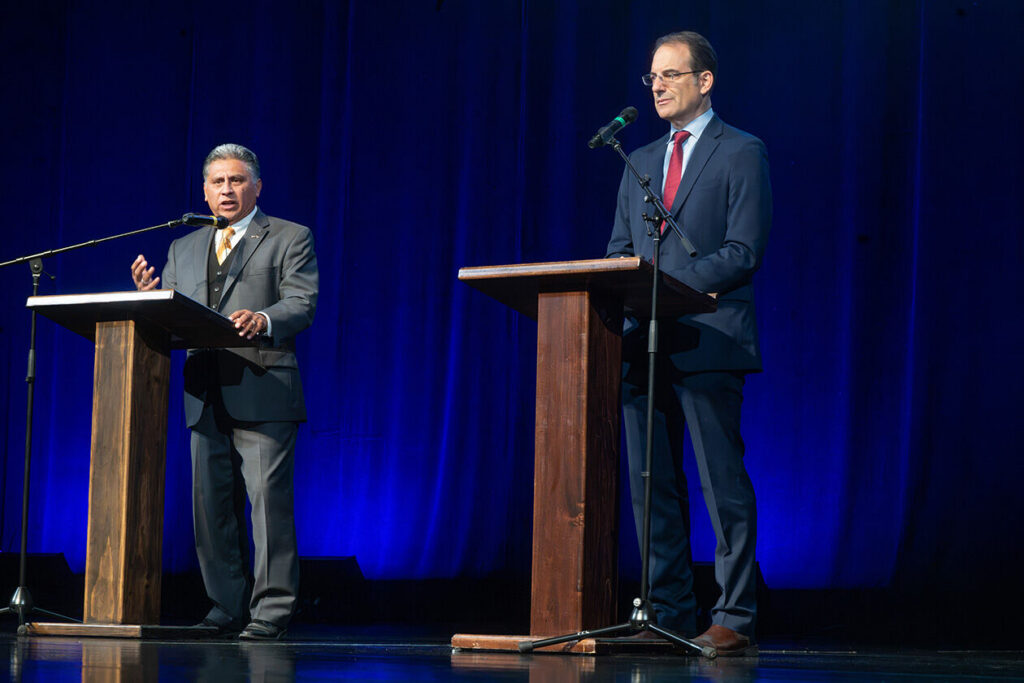
Gubernatorial candidates Phil Weiser, Greg Lopez spar, as Marx skips debate
Deborah Grigsby
deborah.smith@denvergazette.com
Updated 1 hour ago
Two of the candidates for Colorado governor squared off in a televised debate on Thursday night, when Attorney General Phil Weiser, the Democratic nominee, and former U.S. Rep. Greg Lopez, an unaffiliated candidate, delved into issues of affordability, data center...

Troops, taxes, war dominate Colorado’s 5th CD debate between Jeff Crank, Jessica Killin
Deborah Grigsby
deborah.smith@denvergazette.com
Updated 3 hours ago
Republican U.S. Rep. Jeff Crank and Democratic challenger Jessica Killin on Thursday night clashed over the war in Iran, the federal budget and healthcare when they took the stage in Colorado Springs for a sold-out debate in the race to...

WATCH: Colorado gubernatorial candidates Phil Weiser, Greg Lopez face off Thursday in televised debate
Ernest Luning
ernest.luning@coloradopolitics.com
Updated 4 hours ago
Two of the candidates for governor of Colorado are set to square off in a televised debate for the first time Thursday night, when Attorney General Phil Weiser, the Democratic nominee, and former U.S. Rep. Greg Lopez, an unaffiliated candidate,...
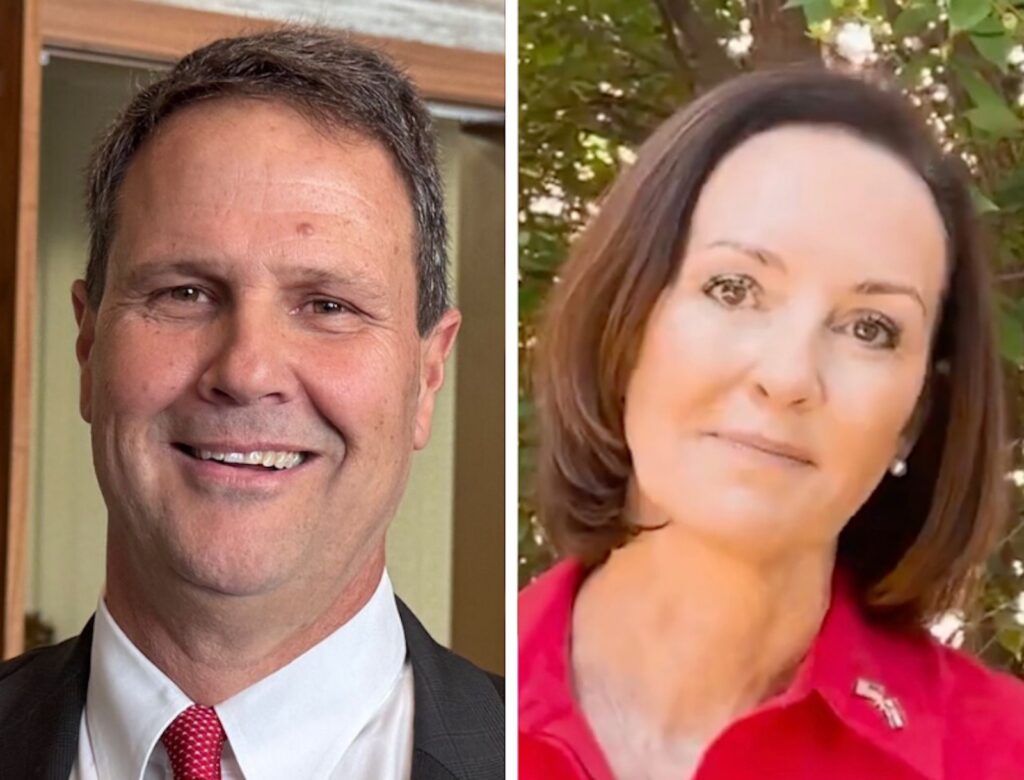
WATCH: Republican US Rep. Jeff Crank, Democratic challenger Jessica Killin debate in Colorado’s 5th CD
Ernest Luning
ernest.luning@coloradopolitics.com
Updated 5 hours ago
Republican U.S. Rep. Jeff Crank and Jessica Killin, his Democratic challenger, are scheduled to meet for a televised debate in the race to represent Colorado’s 5th Congressional District on Thursday night. The candidates are set to take the stage at...

Colorado officials warn of e-bike safety amid increase in serious youth injuries
Matt Kyle
matt.kyle@denvergazette.com
Updated 48 minutes ago
Serious injuries involving e-bikes, e-scooters and children have risen significantly in Colorado over the past year and a half. Traumatic injuries involving e-bikes have risen 184%, according to Alicia Melven, Colorado injury prevention and outreach specialist for Children’s Hospital Colorado’s...

Colorado State Fair youth golf tournament celebrates 11 years
Marianne Goodland
marianne.goodland@coloradopolitics.com
Updated 7 hours ago
Twenty-eight teams tee off Friday at Walking Stick Golf Course in Pueblo for a tournament supporting 4-H, Future Farmers of America and capital improvements at the Colorado State Fair. Now in its 11th year, the Partners of Youth in Ag...

Controversial two-bag furbearer limit heads to CPW meeting under legal threat
Marianne Goodland
marianne.goodland@coloradopolitics.com
Updated 7 hours ago
Next week’s Colorado Parks and Wildlife Commission meeting in La Junta is likely to open under the cloud of threatened legal action. Safari Club International and the Sportsmen’s Alliance Foundation warned the commission this month that its July vote imposing...
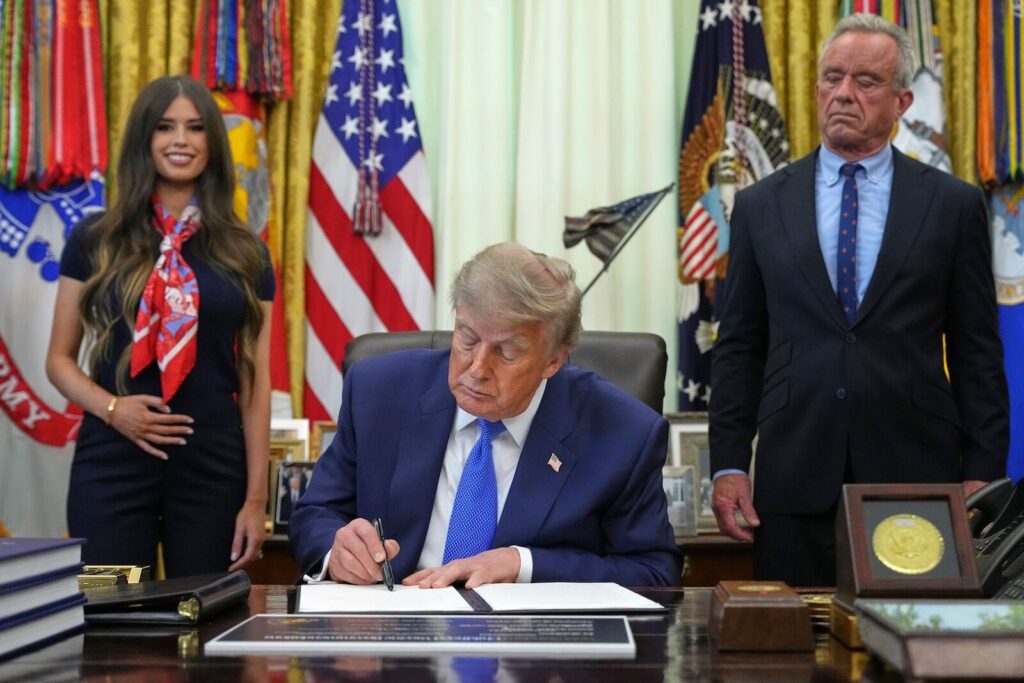
Democratic-aligned poll shows big majority of swing-seat voters support routine childhood vaccines
Ernest Luning
ernest.luning@coloradopolitics.com
Updated 10 hours ago
A new poll conducted by Democratic-aligned groups found that voters in competitive U.S. House districts — including a battleground seat in Colorado — support routine childhood vaccinations by a wide margin and oppose a recent order by President Donald Trump...
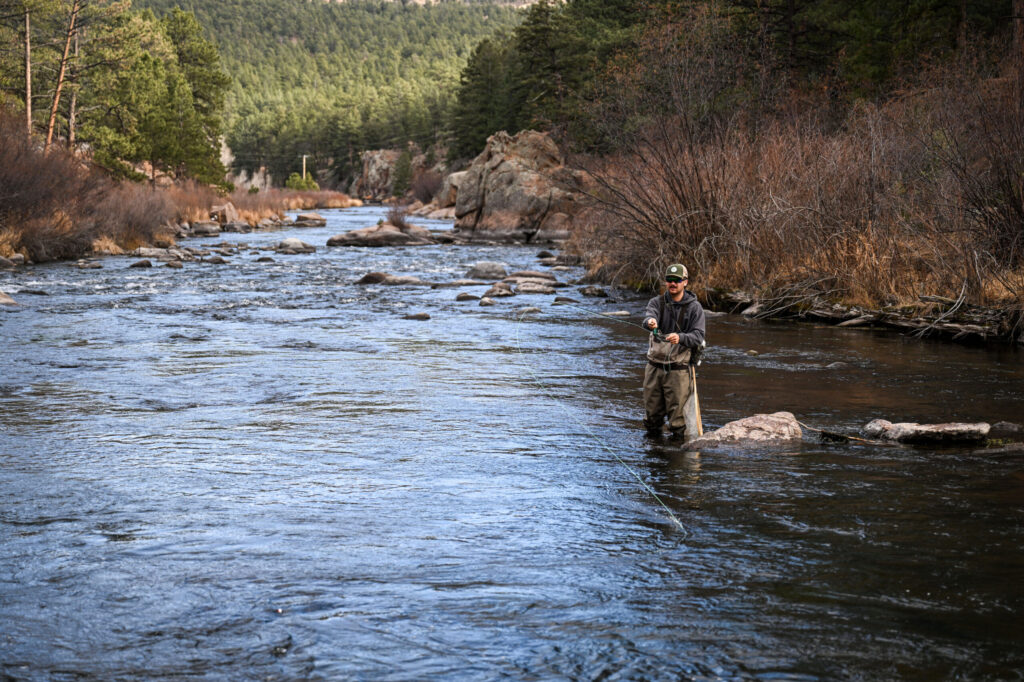
Some Colorado hunters oppose measure establishing constitutional right to hunt, fish proposal, group says
Marissa Ventrelli
marissa.ventrelli@coloradopolitics.com
Updated 4 hours ago
A group that says it represents hunters and anglers from across Colorado announced its opposition to a ballot measure that would establish the right to hunt and fish in Colorado’s constitution, saying it could result in the overturning of bans...
Coalition drops Colorado transportation ballot measure after securing deal
Marissa Ventrelli
marissa.ventrelli@coloradopolitics.com
Updated 5 hours ago
The proposed constitutional amendment seeking to dedicate all transportation-related revenue to Colorado’s roads and bridges will no longer appear in this November’s ballot after its proponents reached an agreement with lawmakers following months of negotiations. Initiative No. 175, backed by...
PREV
PREVIOUS

'High school of the future': State and national leaders want to reimagine secondary education
What if in between math and English classes, high schoolers learned how to weld or code or perform first aid? That’s the vision state and national leaders shared Thursday during the Unlocking Pathways Summit at the Community College of Aurora. This latest in a national series of events saw educators, Colorado politicians and members of President […]

Liability claim against Denver in excessive force case for tasing incident dismissed by federal judge
A federal judge on Thursday dismissed a claim against the City and County of Denver in an excessive force lawsuit against a former Denver police officer who tased a man four times in a hotel lobby last year. Attorneys for Nicholas Munden claimed the use of force “should not have come as a surprise” to […]