

How to help Colorado vitiligo patients | OPINION
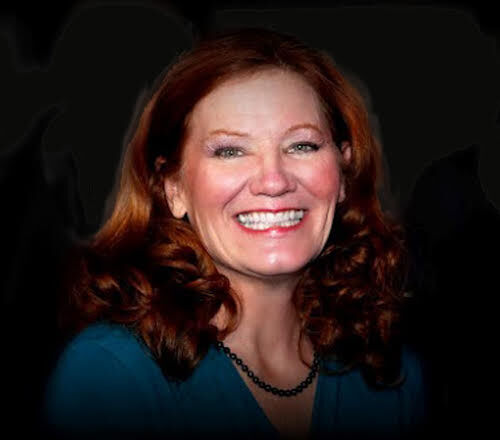
As an advocate for patients with type 1 diabetes, and as a patient myself, I know how important it is to have access to treatment for my condition. Over the past few decades, I have witnessed the invention of glucose meters, insulin pumps, improved insulin, continuous glucose monitors (CGMs) and many other new and advancing treatment options for type 1 diabetics.
The development of these treatments have not only made it easier for people to live with diabetes, but has also saved countless lives. Patients everywhere, regardless of their condition, should have access to treatments that make their conditions more manageable. This is particularly important in people who have vitiligo.
Vitiligo has taken a huge toll on how individuals are able to live their own lives because of the discoloration of their skin. This disease impacts more than 3.5 million Americans and occurs when the patient’s immune system attacks their own pigment-producing skin cells, leaving them with white blotches. Moreover, vitiligo patients are more prone to other autoimmune illnesses, such as type 1 diabetes and thyroid disease, both of which are serious conditions.
Stay up to speed: Sign-up for daily opinion in your inbox Monday-Friday
Vitiligo has reshaped every facet of these patient’s lives but has continued to be dismissed by many as a cosmetic condition. Rather than continuing to work behind this outdated belief, we must recognize vitiligo as the medical disease that it is to ensure patients can afford the necessary medications.
Not only does vitiligo lead to skin blemishes and other potentially life-threatening diseases, it also causes patients to often face social discrimination and stigmatization due to the discolored areas around their bodies. It has meant they have often been overlooked when it comes to personal and communal opportunities.
This can include missing out on career advancement opportunities, as studies show a high percentage of employers were unwilling to hire individuals with vitiligo from fear of turning away potential clients. These decisions have led vitiligo patients to develop self-esteem issues and depression, with Clinical Epidemiology and Global Health displaying the prevalence of suicidal ideation to be as high as 25% among those with the disease. It is clear vitiligo has left patients feeling powerless as they live with a disease that dictates nearly every part of their life.
The current list of available vitiligo treatments has looked to help patients manage their condition. However, lotions, creams, light treatments and even surgeries have only limited the impact of vitiligo. Now, the industry has recently welcomed the arrival of an FDA-approved treatment, which has displayed significant pigmentation regeneration and could be a game-changer in the lives of vitiligo patients.
Nevertheless, vitiligo patients continue to face an uphill battle in treating their condition. Some private and public health care coverage plans have spurned the idea of covering proven treatments. This also comes due to their long-held belief that vitiligo is a cosmetic condition. This could not be further from the truth, especially when the National Institutes of Health, the American Academy of Dermatology and other organizations have explicitly stated that vitiligo is a real disease that needs to be treated. By continuing to hold this outdated point of view on vitiligo, we are wasting away the opportunity to provide necessary treatments to individuals trying to manage the impact of vitiligo.
Colorado Medicaid and health care decision-makers must listen to these recommendations and acknowledge vitiligo is an auto-immune disease, not cosmetic. The federal Medicare handbook already recognizes this change. Colorado’s Medicaid programs must now include federally-approved treatment options in order for those with vitiligo to receive new and appropriate treatments.
Gail DeVore has had Type 1 Diabetes for more than 50 years. She has been a patient advocate for many years working to make insulin affordable for all through Colorado state legislation. She has been an activist for many years, including testifying to Congress on the high price of insulin, and meeting with President Joe Biden one-on-one to discuss the $35 cap on insulin for Medicare recipients. Gail is also a member of the Colorado Prescription Drug Affordability Advisory Council.

Colorado must continue finding common ground on wildfire policy | GUEST COLUMN
Colorado Politics
colorado-politics@coloradopolitics.com
Updated 23 hours ago
By John Herrick Colorado has never lacked for opinions about wildfire policy. We debate forest management, climate change, prescribed burns, land use, air quality and budgets. Those debates are familiar territory, but a new discussion is beginning to happen around...

Proposition NN is the best investment for Colorado’s students and schools | GUEST COLUMN
Colorado Politics
colorado-politics@coloradopolitics.com
Updated 23 hours ago
By Justin Ogden Colorado families know what it means to make difficult budget decisions. Inflation has driven up the cost of groceries, housing, utilities and just about everything else. Families like mine work hard to stretch every dollar while still...
Were the primaries a preview for consequential general election? | Paula Noonan
Paula Noonan
paula-noonan@coloradopolitics.com
Updated 2 days ago
Colorado’s political future will go the way of this election. Historically, the state has not had both chambers controlled by a supermajority. This election may change that. The primaries suggest how the general election may play out. Democrats had solid...
Disagreement doesn’t have to mean disrespect | GUEST COLUMN
Colorado Politics
colorado-politics@coloradopolitics.com
Updated 2 days ago
By Vincent Atchity These days, it doesn’t take long to feel overwhelmed by politics. Turn on the news, scroll through social media or read the comments on almost any political post and you’ll find anger, outrage and personal attacks. For...
Keeping Colorado’s kids’ trust online | PODIUM
Colorado Politics
colorado-politics@coloradopolitics.com
Updated 3 days ago
By Stuart Jenkins Almost every day, the kids and teens we serve across Colorado are introduced to new generative artificial intelligence and other emerging technology, including conversational AI systems designed to simulate human conversation. These tools are no longer a...

Marx’s ‘through line’ predates Trump, connects to Maes | FEEDBACK
Colorado Politics
colorado-politics@coloradopolitics.com
Updated 3 days ago
Eric Sondermann is of course correct Victor Marx is an unserious, unelectable, embarrassing Republican nominee for governor of Colorado. But I respectfully submit that the “through line,” as Mr. Sondermann describes it, is not from Trump to Marx, despite their...

Cedric Pride’s blueprint for opportunity through the trades | The OpEdge Podcast
Tony Olivero
tony.olivero@gazette.com
Updated 3 days ago
Cedric Pride, CEO of the nonprofit Pride Initiative in Denver, joins The OpEdge with a blueprint for workforce development, skilled trades, and economic opportunity. Pride tells host and investigative columnist Jimmy Sengenberger why he believes the trades offer a path...
Colorado’s No. 1 education ranking should raise our ambition | GUEST COLUMN
Colorado Politics
colorado-politics@coloradopolitics.com
Updated 3 days ago
By Scott Laband Colorado has earned the right to celebrate its new No. 1 ranking in education from U.S. News & World Report. Gov. Jared Polis called it “one of the proudest moments” of his time in office and shared the...

Colorado’s No. 1 education ranking reflects the power of school choice | GUEST COLUMN
Colorado Politics
colorado-politics@coloradopolitics.com
Updated 4 days ago
By Peter Mason Colorado is now the No. 1 state in the nation for education, according to the 2026 U.S. News & World Report Best States rankings. That is a distinction worth celebrating. It is also a distinction worth understanding....

Courageous Colorado bucks Trump’s federal stupidity | Miller Hudson
Miller Hudson
miller-hudson@coloradopolitics.com
Updated 4 days ago
There are several theories regarding the rhythm of American politics. The most frequently cited is the pendulum hypothesis — positing that episodes of liberal dominance are then interrupted by spans of conservative control. Since Ronald Reagan’s presidential election in 1980,...
PREV
PREVIOUS

Investment in state workers will pay off | OPINION
Hilary Glasgow As executive director of Colorado WINS, the union representing more than 24,000 state employees, I’ve seen firsthand how passionate and hard working Colorado employees are. Despite the many challenges they face, they love their jobs and they’re proud to go to work every day to serve their communities and keep Coloradans healthy and […]

Costly Colorado energy regs loom anew | Colorado Springs Gazette
The Gazette first reported in April that a proposed, multibillion-dollar state mandate to cut energy use at thousands of Colorado buildings, including many offices and apartments, has drawn an outcry from affected property owners. Among the many concerns they raised was the unprecedented speed with which the state government wanted to proceed toward implementation – […]