

Citizen initiative seeks ‘strong mayor’ system for Aurora
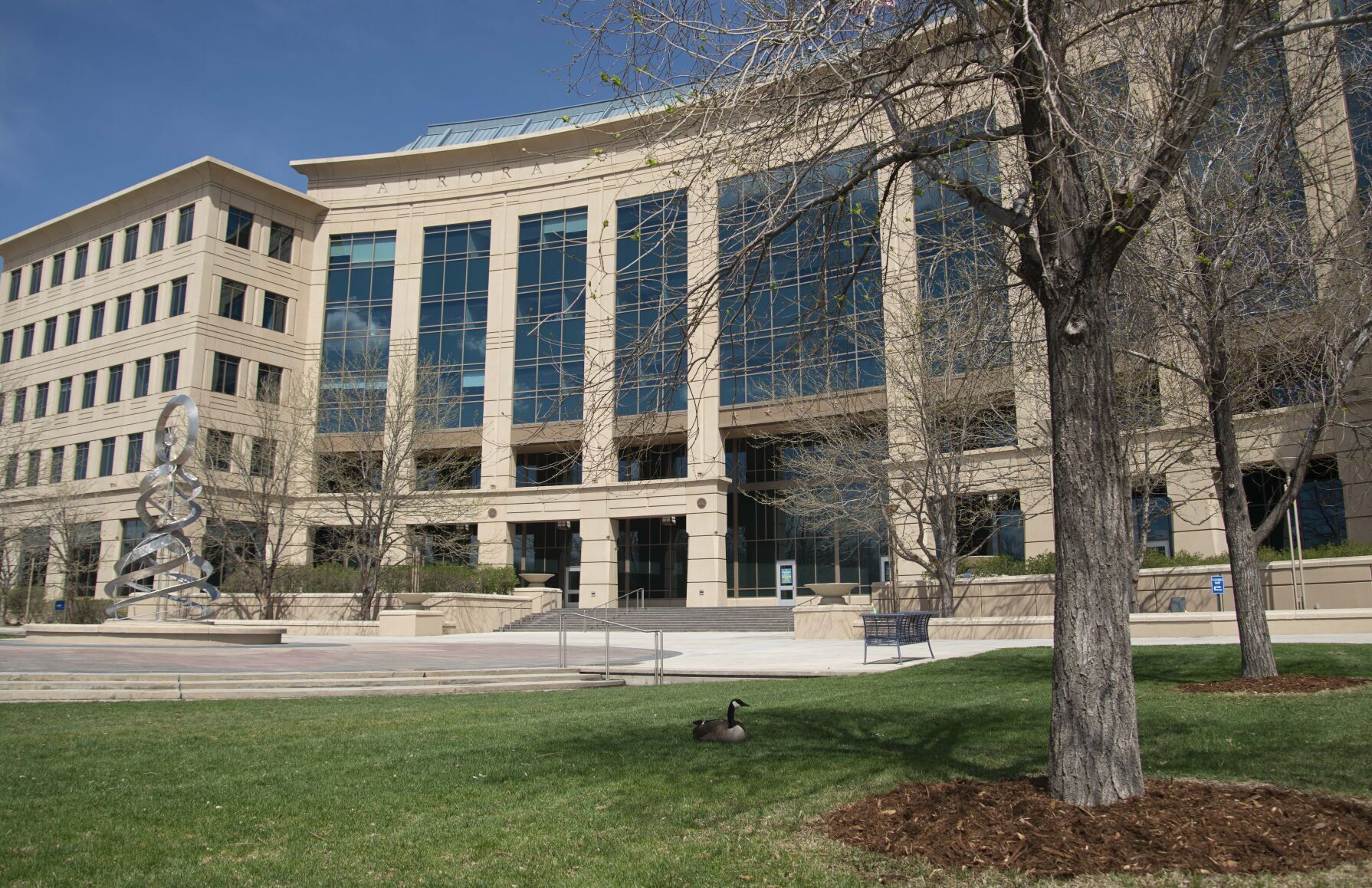
The push for a “strong mayor” system in Aurora is back, and proponents hope it would end up on the November ballot.
If they succeed, residents would not just be deciding on whether to usher in a new form of government at a time when the city manager position has not been permanently filled, but also picking their next mayor.
Proponents want to put a question on the ballot to ask voters to approve three main charter amendments: Reduce term limits for Aurora elected officials from three to two consecutive four-year terms; change the city’s form of government to a mayor-council system – commonly called a “strong mayor” structure – which eliminates the city manager role; and, add one at-large seat to the city council.
Proponents filed a “notice of intent” with the city in May and have received city clerk approval to begin circulating petitions. They must gather at least 12,017 valid signatures by June 6 to place the issue on the November ballot. The city clerk will then begin a 30-day process to verify signatures, a decision that could be challenged in court. The ordinance containing the proposed charter amendments must also go before city council twice before it could be added to the ballot.
“Most people in Aurora think that the mayor is the leader of the city, and right now, the mayor is not,” said Garret Walls, who is helping lead the initiative. “I think it’s time now that we have a mayor who is empowered to be a leader in the city.”
Pros and cons
The city has operated under a manager-council form of government since at least 1951. So, while the city council is the legislative body setting local policy and law, a professional city manager is responsible for running the city administratively.
In a “strong mayor” system, the city manager role is eliminated, and the mayor serves as the executive in charge of running the city administratively and operationally. A strong mayor also drafts the city budget and presents it to the council for approval, and they possess hiring and firing authority within city hall, appointing key department heads. A strong mayor also often wields veto power, backed by a chief of staff who oversees the office.
Former Aurora city manager Jim Twombly retired last month. His deputy, Jason Batchelor, is now the acting city manager. A timeline to find a permanent city manager has not been set, and the city has not engaged a search firm to find a replacement for Twombly, a city spokesman said.
Colorado Municipal League Executive Director Kevin Bommer said that among communities the size of Aurora, strong mayor systems can be found in Pueblo, Colorado Springs and Denver. Pueblo is the most recent community to switch to a strong mayor system, although it has been controversial.
“It’s rare that you would see a strong mayor form of government in small municipalities,” he said, clarifying that doesn’t necessarily mean strong mayor systems are not well-suited for small communities or that they are better suited for larger communities.
Council-manager systems became commonplace throughout the nation with a movement in the 19th century to move toward professionalizing the day-to-day management of municipalities, Bommer said. That was largely in response to graft and corruption in the 1800s. The council-manager system became widely popular in Colorado as more communities grew and formed.
People might find pros and cons with each system, he said.
In a strong mayor system, if residents do not like how a city is being managed, they can hold the mayor directly accountable through elections. In a council-manager system, the mayor’s role is typically ceremonial, and the mayor’s voting powers might be restricted to breaking ties among councilmembers.
“The better question is do people think whatever the issue that they are concerned about is going to be better served or solved if they change the form of government,” he said.
Restructuring and some turnover can be expected after moving to a strong mayor system, he said. When Colorado Springs made the transition more than a decade ago, the mayor and council did not always see eye-to-eye at first, he said. At one point, the council considered hiring its own counsel instead of using the city attorney hired by the mayor. The Denver City Council has its own staff, as well.
A strong mayor system approved on election day might take some refining too, he said.
“Sometimes, not everyone thinks of everything and they either have to come back and propose further charter amendments” or adopt additional ordinances to implement the new form of government, he said.
“If nothing else, the takeaway is that just because you do it doesn’t mean that all of the questions are answered or people believe all of the problems are solved,” he said.
Why, and why now
Walls, who is Mayor Mike Coffman’s appointee to the city council’s business advisory board, said the idea sparked from conversations he has held with Coffman as part of that work. Coffman was instrumental in shaping Walls’ views on pursuing a strong mayor system and supports his effort, Walls said.
Coffman declined to comment on the ballot initiative at this time.
Walls said many community members are confused about how much power the mayor in Aurora holds, and that they do not realize the mayor is mostly a ceremonial figure. Business owners are frustrated with bureaucracy at the city level, too, Walls said, an issue the mayoral position as it is today is limited in its ability to address. Walls is also board president of the Havana Business Improvement District.
The pandemic played a role, as well, Walls said. He called city staff the “true stars” in helping respond to the crisis by stepping into new roles and managing grant programs. But he also said there was a disconnect between the public and the people instituting programs. The city executive was not directly tied to the “voice of the people.”
Proponents’ calls for a strong mayor system is not commentary on city staff, Walls said, praising Aurora’s employees, but “more commentary on the structure of our government.”
Walls is critical of the council-manager form of government for a city of Aurora’s size – the city is home to roughly 400,000 people – because it allows a person who is not elected to oversee city administration. In a strong mayor system, “the voice of the people is actually creating and establishing and managing how the city government kind of functions,” he said.
“There is no louder megaphone than the ballot box,” he said.
Walls’ group would have pursued the charter amendment this year or next, he said, but Twombly’s retirement made this year seem “like the perfect opportunity.”
As for the other charter amendments he’s proposing, Walls said term limits will keep council more in touch with a quickly growing city. He called three consecutive four-year terms “a really long time” and added that “the taxpayers and voting members of the City of Aurora deserve a council that is changing with them.”
Adding an at-large councilmember seat once the mayor is removed from council is a logistical requirement, he said.
Proponents are still in the early phases of preparing for a campaign and petition effort, Walls said. He will be working with the city attorney’s office to better understand what the process of enacting a strong mayor system would entail.
The new system would become effective in December, when the mayor is sworn in if voters were to pass the measure. He also understands some people might have concerns about how much time Aurora would be given to prepare for the transition, he said.
“I absolutely think it’s possible,” he said.
In response to critics who believe strong mayors hold too much power, Walls said: “What is your critique of our federal system?”
The checks and balances in a strong mayor system are more efficient in his view, Walls argued, noting mayors are also subject to recall, while city managers are not.
Aurora needs leadership in the mayor’s office in the form of an elected official who is “more than just a ceremonial figurehead.”
“It’s time,” he said. “Aurora is a big city now,”
Critics leery
Councilmember Juan Marcano, who is running for mayor, said he opposes a strong mayor system “for a number of reasons.”
“I think it’s way too much power for one person to have,” he said.
During committee meetings, it became clear that Colorado Springs spent a couple of years preparing for a strong mayor system – the costs and new government structure – before asking voters to approve it, he said.
The city does not have a cost estimate for transitioning to a strong mayor system, a city spokesman said, and likely will not unless voters pass the measure. Marcano noted the proposal would raise the mayor’s base salary from $80,000 to $92,000 in 2024.
Approving a strong mayor system on the November ballot would be costly and disruptive for Aurora, he said, adding it does not give the city enough time to set up the new government structure or transition smoothly.
It’s not just the timeline that has Marcano concerned.
A strong mayor system “is a breeding ground for cronyism and nepotism,” he said.
It makes council subordinate to the mayor, he said, who under the proponents’ drafted proposal would appear to have unilateral hiring and firing power outside of civil service employees. The mayor would also receive veto powers, which eight councilmembers could override.
Strong mayor systems can lead to significant disruptions in staffing every four years, he said, as each mayor has the power to bring in their own people. The strong mayor form of government can be “inherently combative and adversarial,” he said, creating rifts between the mayor and council.
Other specifics within the proponents’ strong mayor proposal worry him, too. The proposal would allow the mayor’s chief of staff to step in as mayor if the office became vacant, a person who is not elected and would not be required to live in the city of Aurora.
“That is extremely troubling to me,” Marcano said.
If another disaster, such as the pandemic occurred, the strong mayor being proposed would have unilateral power in managing the emergency, which “is extremely dangerous potentially, if you get the wrong person in office.”
Although Marcano supports the proponents’ idea to cut term limits from three to two terms, he opposes their suggestion to create another at-large councilmember seat. The city should be moving toward more ward representation, he said, explaining at-large positions can lead to multiple representatives on council hailing from the same ward.
“I think this (initiative) would be a recipe for disaster,” he said.
What’s the process?
In recent weeks, the issue came up for discussion at the council’s Charter Review Ad Hoc Committee meetings. Geoff Wilson, previously general counsel for the Colorado Municipal League, offered the committee an overview of the procedural steps needed to pursue a strong-mayor form of government.
“This is huge. This is changing your style of government,” he said during April meetings.
Wilson stressed the proposal put before voters has to be vigorously drafted and prepared, so that the new system is operationally functional if voters approve making the switch.
If approved, the next step would be amending city code to align with the new strong mayor system. City attorneys would likely have a suite of ordinances teed up to accomplish that if a ballot measure comes before voters and they approved a strong mayor system, he said.
“If the people approve this charter amendment, this substantial charter amendment, you’re just getting started,” he said.

Judge grants partial injunction to GEO in fight against state health inspection law
Kyla Pearce
kyla.pearce@gazette.com
Updated 7 hours ago
A judge ruled Thursday that The GEO Group does not have to follow parts of a new state law requiring more frequent health and safety inspections at the U.S. Immigration and Customs Enforcement processing center in Aurora. Under the order...
Parker man faces 20 years to life for serial sexual assaults
Nicholas Fogleman
nicholas.fogleman@denvergazette.com
Updated 10 hours ago
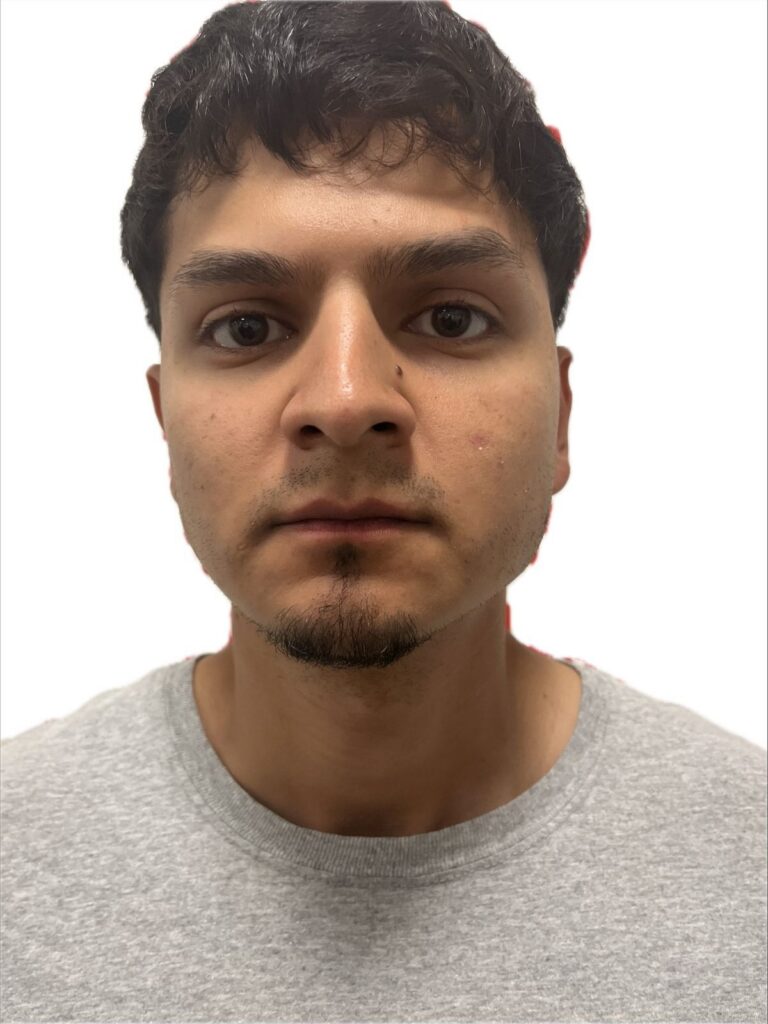
A 25-year-old Parker man who sexually assaulted three women in 2025 pleaded guilty Wednesday and will serve 20 years to life in prison. Javier Rodriguez-Andrade pleaded guilty to charges stemming from three sexual assaults involving women ages 19 to 24. ...
Buttigieg performs best among Democrats against Rubio or Vance in possible 2028 contest: Poll
David Zimmermann
david-zimmermann@coloradopolitics.com
Updated 12 hours ago
Former Transportation Secretary Pete Buttigieg appears to be the Democratic Party’s best chance at winning the presidency against Secretary of State Marco Rubio or Vice President JD Vance in 2028, according to a poll released on Thursday. In hypothetical matchups...

Douglas County moves to Stage 1 fire restrictions following recent rain
Nicholas Fogleman
nicholas.fogleman@denvergazette.com
Updated 10 hours ago
Douglas County has downgraded its fire restrictions from Stage 2 to Stage 1 on Thursday following recent rainfall and moderate fire conditions, according to the Douglas County Sheriff’s Office. The change applies to unincorporated Douglas County, as well as the...
Divided appeals court upholds warrantless DNA collection in Colorado cold case, cautions of government overreach
Michael Karlik
michael.karlik@coloradopolitics.com
Updated 8 hours ago
Colorado’s second-highest court upheld the warrantless collection of a suspect’s DNA from a discarded soda can as constitutional on Thursday, while warning about potential abuse of DNA privacy in the absence of further guardrails. By 2-1, a three-judge Court of...
Democratic gubernatorial candidate Phil Weiser promises to appoint rural outreach director, water adviser
Marianne Goodland
marianne.goodland@coloradopolitics.com
Updated 8 hours ago
Democratic gubernatorial candidate and current Attorney General Phil Weiser told the Colorado Water Congress Thursday he intends to appoint a rural outreach director and a water policy adviser should he win the election in November. Weiser’s speech at the Steamboat...
Man charged in Northglenn homicide of wife
Matt Kyle
matt.kyle@denvergazette.com
Updated 10 hours ago
A man has been formally charged with murder and burglary relating to a homicide last week in Northglenn. Alexei Munive-Rodriguez, 48, was arrested Sunday after he was at large following the homicide, which occurred Friday. Police were dispatched around 10:30...
Attorney General candidates present priorities at Colorado Water Congress
Marianne Goodland
marianne.goodland@coloradopolitics.com
Updated 9 hours ago
The two major-party candidates for attorney general — Republican Michael Allen, the district attorney for Teller and El Paso counties, and Democratic Secretary of State Jena Griswold — on Thursday outlined their priorities at the Colorado Water Congress. Griswold attended...

US aircraft carrier arrives in Middle East, relieving long-deployed USS Lincoln
The Associated Press
the-associated-press@coloradopolitics.com
Updated 13 hours ago
WASHINGTON (AP) — The Asia-based USS George Washington aircraft carrier is now operating in the Middle East, the U.S. military said Thursday, relieving a long-deployed carrier following reports of mental health challenges and supply shortages aboard while it was supporting...
Denver named finalist for 2028 Democratic Convention site
Thelma Grimes
thelma.grimes@coloradopolitics.com
Updated 8 hours ago
The Mile High City competes with Boston and Philadelphia The list of cities being considered to host the 2028 Democratic National Convention has narrowed even further, with Denver making the cut as one of the final three, along with Boston...
PREV
PREVIOUS

Yemi Mobolade: How Colorado Springs' next mayor plans to address crime
Yemi Mobolade, who was elected Tuesday night as the next mayor of Colorado Springs based on unofficial results from the City Clerk’s Office, will inherit opportunity and challenge when he steps into the role June 6. Mobolade, a political newcomer and an immigrant from Nigeria, collected 57.47% of the 115,886 counted votes as of late […]

Colorado officer receives highest national recognition for bravery
A Littleton police officer grinned like a child as President Joe Biden secured a gleaming Public Safety Officer Medal of Valor around his neck. Cpl. Jeff Farmer traveled to Washington D.C. to accept the award – considered the highest decoration for bravery a service officer can receive. The official ceremony, presented by Biden and U.S. Attorney […]