

Colorado’s agriculture kids are alright | GABEL
Spring on ranches and farms around the state, despite a long winter, is filled with potential. There is a new calf crop hitting the ground and fields and pastures are beginning to turn green. On our operation, we’re not only calving, but we’re preparing for our prospect goat sale because it’s hard to make a living in agriculture without being diversified. A slew of 4-H aged kids and their families have visited in the past couple of weeks to look at the future show goats that we’ll sell in a live and online auction here at the farm.
One of the kids who came to evaluate the goats was one of our very first goat customers. She was a little girl with a big, strong goat and they pushed each other around the showring. She won a division at the Weld County Fair with that goat and, because the Weld County Junior Market Livestock Sale is well supported by the community, she was able to pay for her feed and save funds to purchase the next year’s project. This year, she’s a senior and has been looking at colleges this spring. When she goes to school in the fall, she’ll do so with some money in her bank account. Because she came through the 4-H and FFA programs, she’s also going to college with the ability to quickly evaluate choices before her, make a decision, and defend that decision. She’s also able to look people in the eye, introduce herself, and shake hands. She can balance a checkbook, budget her money, and back a trailer.
Another young showman who came to look at goats is about to show livestock in her first year in 4-H. She has been tagging along with her older siblings as they prepare for the show, compete, and sell their livestock at the fair. Now it’s her turn, and she’s ready. She looked through the goats like an experienced livestock buyer. She had a budget, and she made a list of her five favorites in order of preference so when she attends the live auction, if she’s outbid on one, she has a backup. She told me she would be the one doing the bidding because she’ll be the one writing the check. I like that kid.
Another showman from out of state stopped in. He’s nearing the end of his 4-H and FFA showing career, but he’s actively preparing for his future in livestock production. He knows goat bloodlines and can look at his own females at home critically enough to acknowledge their weaknesses to select new breeding stock that complement and improve them. He knows his margins are thin, but he also realizes he has to invest in quality to produce quality results. I’ll probably be buying stock from him in the coming years and I am looking forward to it.
Another young lady came to preview the sale. She is young and she exhibits in a county where the junior market livestock sale brings more than market value but lacks the oil and ag money of the counties in the northeastern part of the state. She knows about what her market goat will fetch at the county fair and she has called her local feed store and priced the feed she’ll need. It is, like everything else, significantly higher than last summer. She wrote down a few goat numbers that she thinks she might be able to afford to make it pencil. The thing I admire about her is she took advantage of having my husband, who paid his way through college on a livestock judging scholarship and is an expert evaluator of stock, there at the pen. She asked him to describe goats, compare pairs of goats, and explain what he looks for when he makes selection decisions. I don’t know if she’ll return for the sale given the historical sale prices, but I do know she got her money’s worth in feedback and input.
When the auctioneer drops the gavel on the last goat in our sale, these young people will carefully write their checks and load their purchases. The coming months will be filled with training and feeding and exercising and practicing with the goals of winning shows and selling completed projects to community members who, many times, were 4-H kids themselves. They will shake hands and thank the buyers. They will put some of their proceeds back into their communities, a little in the bank, and the cycle will begin again.
These kids and these goats and calves and hogs and lambs beginning their summer together have all the potential they’re willing to work for. There will be hard lessons, expensive lessons and repeat lessons – but they will be better kids for it and we’re better livestock producers because they depend upon us to help them reach their goals.
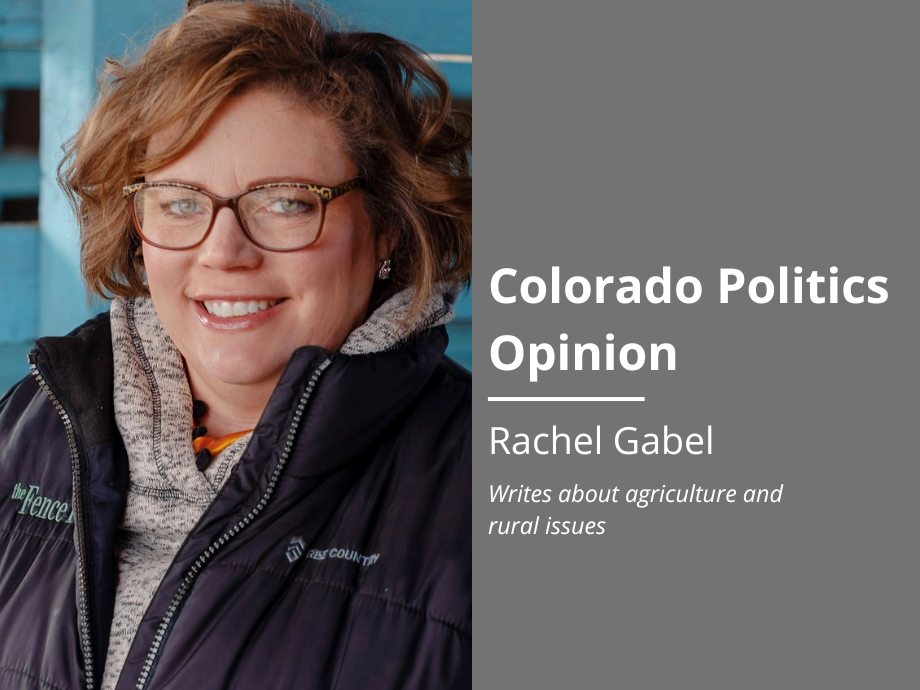
Rachel Gabel writes about agriculture and rural issues. She is assistant editor of The Fence Post Magazine, the region’s preeminent agriculture publication. Gabel is a daughter of the state’s oil and gas industry and a member of one of the state’s 12,000 cattle-raising families, and she has authored children’s books used in hundreds of classrooms to teach students about agriculture.

Colorado must continue finding common ground on wildfire policy | GUEST COLUMN
Colorado Politics
colorado-politics@coloradopolitics.com
Updated 1 day ago
By John Herrick Colorado has never lacked for opinions about wildfire policy. We debate forest management, climate change, prescribed burns, land use, air quality and budgets. Those debates are familiar territory, but a new discussion is beginning to happen around...
Proposition NN is the best investment for Colorado’s students and schools | GUEST COLUMN
Colorado Politics
colorado-politics@coloradopolitics.com
Updated 1 day ago
By Justin Ogden Colorado families know what it means to make difficult budget decisions. Inflation has driven up the cost of groceries, housing, utilities and just about everything else. Families like mine work hard to stretch every dollar while still...
Were the primaries a preview for consequential general election? | Paula Noonan
Paula Noonan
paula-noonan@coloradopolitics.com
Updated 2 days ago
Colorado’s political future will go the way of this election. Historically, the state has not had both chambers controlled by a supermajority. This election may change that. The primaries suggest how the general election may play out. Democrats had solid...
Disagreement doesn’t have to mean disrespect | GUEST COLUMN
Colorado Politics
colorado-politics@coloradopolitics.com
Updated 2 days ago
By Vincent Atchity These days, it doesn’t take long to feel overwhelmed by politics. Turn on the news, scroll through social media or read the comments on almost any political post and you’ll find anger, outrage and personal attacks. For...
Keeping Colorado’s kids’ trust online | PODIUM
Colorado Politics
colorado-politics@coloradopolitics.com
Updated 3 days ago
By Stuart Jenkins Almost every day, the kids and teens we serve across Colorado are introduced to new generative artificial intelligence and other emerging technology, including conversational AI systems designed to simulate human conversation. These tools are no longer a...
Marx’s ‘through line’ predates Trump, connects to Maes | FEEDBACK
Colorado Politics
colorado-politics@coloradopolitics.com
Updated 3 days ago
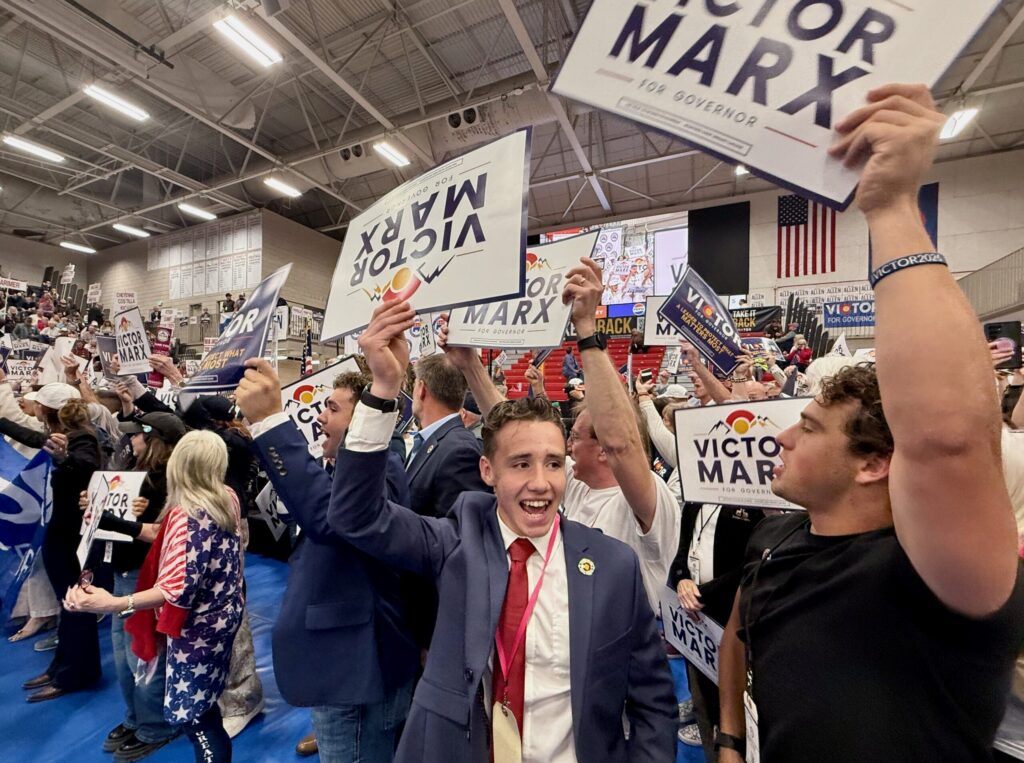
Eric Sondermann is of course correct Victor Marx is an unserious, unelectable, embarrassing Republican nominee for governor of Colorado. But I respectfully submit that the “through line,” as Mr. Sondermann describes it, is not from Trump to Marx, despite their...

Cedric Pride’s blueprint for opportunity through the trades | The OpEdge Podcast
Tony Olivero
tony.olivero@gazette.com
Updated 3 days ago
Cedric Pride, CEO of the nonprofit Pride Initiative in Denver, joins The OpEdge with a blueprint for workforce development, skilled trades, and economic opportunity. Pride tells host and investigative columnist Jimmy Sengenberger why he believes the trades offer a path...
Colorado’s No. 1 education ranking should raise our ambition | GUEST COLUMN
Colorado Politics
colorado-politics@coloradopolitics.com
Updated 3 days ago
By Scott Laband Colorado has earned the right to celebrate its new No. 1 ranking in education from U.S. News & World Report. Gov. Jared Polis called it “one of the proudest moments” of his time in office and shared the...
Colorado’s No. 1 education ranking reflects the power of school choice | GUEST COLUMN
Colorado Politics
colorado-politics@coloradopolitics.com
Updated 4 days ago
By Peter Mason Colorado is now the No. 1 state in the nation for education, according to the 2026 U.S. News & World Report Best States rankings. That is a distinction worth celebrating. It is also a distinction worth understanding....
Courageous Colorado bucks Trump’s federal stupidity | Miller Hudson
Miller Hudson
miller-hudson@coloradopolitics.com
Updated 4 days ago
There are several theories regarding the rhythm of American politics. The most frequently cited is the pendulum hypothesis — positing that episodes of liberal dominance are then interrupted by spans of conservative control. Since Ronald Reagan’s presidential election in 1980,...
PREV
PREVIOUS
Time to rein in hospital facility fees | OPINION
Nicholas G. Nonas It’s no secret health care is completely unaffordable for many as families face surprise, hidden fees from hospitals. further pushing health care out of reach. One particular kind of hidden fee, often referred to as a “facility fee,” is appearing on more and more Coloradans’ medical bills. Families are charged hundreds and […]
Pondering past, present of public utilities | HUDSON
Miller Hudson Forty years ago, Denver lawyer Bryant O’Donnell departed his private firm to serve as general counsel for the Public Service Company of Colorado. An Arab oil embargo and long lines to reach gas pumps in the 1970s remained fresh in voters’ minds. The Republican majority at the legislature was responsive enough to this […]