

Second federal judge in Colorado adopts plain English summaries in decisions
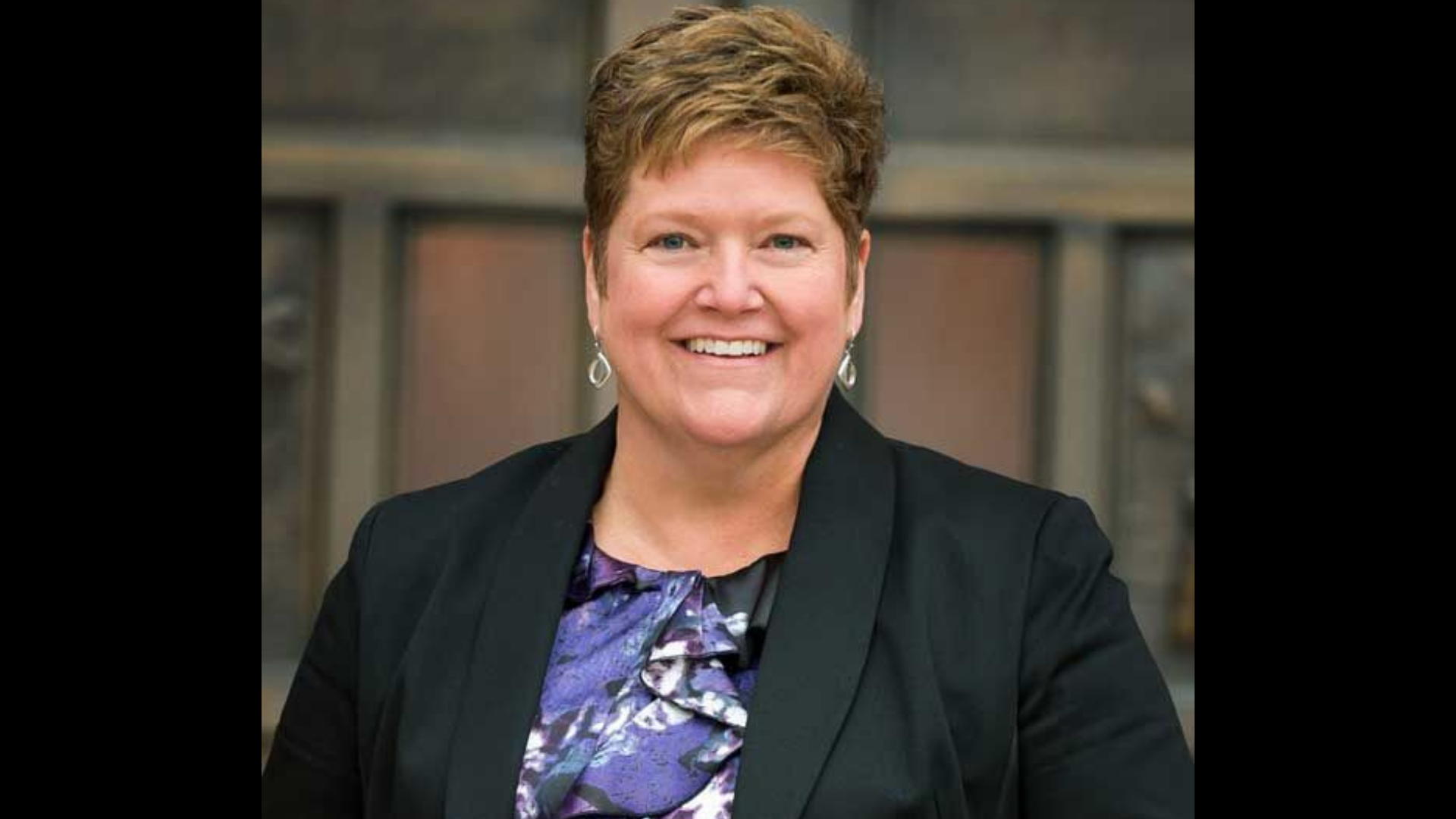
A second federal judge in Colorado appears to have adopted the practice of summarizing her decisions in plain English for people who represent themselves before the court.
U.S. District Court Judge Charlotte N. Sweeney, a 2022 appointee of President Joe Biden, recently issued multiple written orders in cases where the plaintiffs are “pro se,” meaning without an attorney.
In a departure from usual protocols, Sweeney added a separate section explaining what she was doing using non-legal language.
“The Court said that if you did not explain why you had not served these Defendants that it would also dismiss your claims against them with prejudice, meaning that it would permanently close your claims against them in this lawsuit,” Sweeney wrote on Feb. 17, describing why she was throwing out an incarcerated man’s lawsuit against medical personnel who allegedly deprived him of adequate care.
Colorado Politics previously reported on the adoption of pro se summaries by another member of the federal bench, U.S. Magistrate Judge Maritza Dominguez Braswell. She also joined Colorado’s federal trial court last year, although unlike Sweeney, who was appointed by the president and confirmed by the U.S. Senate, Dominguez Braswell was appointed by the district judges to assist with the court’s workload.
Magistrate judges tend to focus on preliminary and administrative matters in cases and frequently interact with self-represented litigants.
“If I give them information in terms that are simple and straightforward, it helps them better understand the ‘what’ and the ‘why,’ and it moves things along,” Dominguez Braswell said earlier this year.
While Dominguez Braswell was the first to adopt plain English summaries in Colorado, a small number of other federal magistrate judges have been using the technique for years. U.S. Magistrate Judge Allison Claire, based in Sacramento, suggests the use of pro se summaries to the magistrate judges she trains.
“It takes more time to be concise than to be verbose,” Claire told Colorado Politics. “I think it’s worth it.”
Colorado Politics did not discover any federal district judges besides Sweeney who have incorporated the plain English summaries into their decisions. In response to emailed questions, neither Sweeney’s staff nor the clerk’s office for the U.S. District Court indicated what prompted her to adopt the practice or whether she will continue to use the summaries.


10th Circuit dismisses woman’s lawsuit following 10-year attempt to undo restraining order
Michael Karlik
michael.karlik@coloradopolitics.com
Updated 24 hours ago
The Denver-based federal appeals court rejected a woman’s challenge on Friday to a restraining order imposed on her more than a decade ago, finding that she cannot credibly claim she will be prosecuted for violating the restraining order through her...
10th Circuit dismisses woman’s lawsuit following 10-year attempt to undo restraining order
Michael Karlik
michael.karlik@coloradopolitics.com
Updated 1 day ago
The Denver-based federal appeals court rejected a woman’s challenge on Friday to a restraining order imposed on her more than a decade ago, finding that she cannot credibly claim she will be prosecuted for violating the restraining order through her...
Colorado equal pay law does not require plaintiffs to allege gender-based retaliation, appeals court finds
Michael Karlik
michael.karlik@coloradopolitics.com
Updated 4 hours ago
The 2019 Colorado law aimed at rooting out pay discrimination on the basis of sex does not require a plaintiff to allege their employer retaliated against them for sex- or gender-related reasons, the state’s second-highest court decided on Thursday. Lawmakers...
Hudson faces lawsuit over ICE detention facility
Nicole C. Brambila
nicole-c-brambila@coloradopolitics.com
Updated 1 day ago
A nonprofit organization filed a lawsuit against the Town of Hudson Wednesday, challenging plans to reopen a former federal prison in the town as a U.S. Immigration and Customs Enforcement detention facility. Together Colorado, along with Janet E. Carlson, filed...
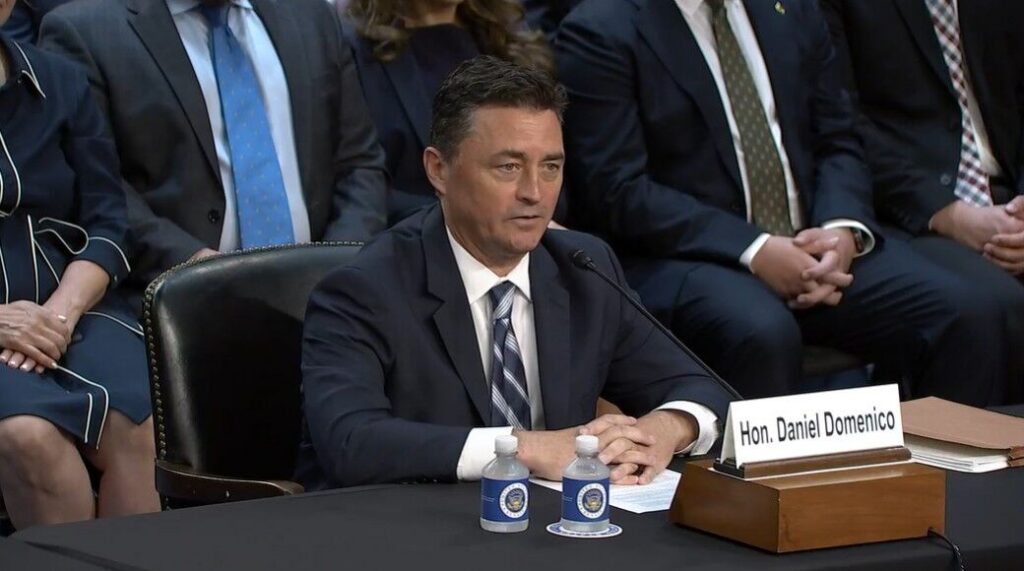
Senate committee advances Trump’s 10th Circuit nominee, as Domenico responds to questions about delays
Michael Karlik
michael.karlik@coloradopolitics.com
Updated 1 day ago
The U.S. Senate Judiciary Committee advanced President Donald Trump’s nominee to the Denver-based federal appeals court on Thursday by a party-line vote of 12-10. U.S. District Court Judge Daniel D. Domenico, who was Trump’s first-term appointee to Colorado’s federal trial...
Colorado justices to hear embryonic donation dispute
Michael Karlik
michael.karlik@coloradopolitics.com
Updated 2 days ago
The Colorado Supreme Court announced on Monday that it will decide whether lower court judges properly applied its framework for adjudicating disputes over the fate of pre-embryos, in which one person wants to use them to become a parent and...
Isolation, emotion, persona: Colorado judicial programming prepares people for life on the bench
Michael Karlik
michael.karlik@coloradopolitics.com
Updated 2 days ago
As a trial judge and now as a member of the Colorado Supreme Court, Justice Carlos A. Samour Jr. has heard the view that being a judge is isolating. “In neither court have I felt isolated. I’ve always interacted a...

Federal judge dismisses Colorado county sheriff’s challenge to law limiting immigration cooperation
Michael Karlik
michael.karlik@coloradopolitics.com
Updated 4 hours ago
A federal judge dismissed a challenge from Mesa County Sheriff’s Office leaders last week to a Colorado law limiting public employees’ cooperation with immigration authorities, concluding that the plaintiffs did not allege they engage in any conduct that the law...
10th Circuit raises bar for fraud victims to sue debt collectors over inaccurate information
Michael Karlik
michael.karlik@coloradopolitics.com
Updated 12 minutes ago
The Denver-based federal appeals court wiped away a jury’s $500,000 award to a fraud victim on Monday and made it more difficult for consumers to hold companies liable for disseminating inaccurate credit information. The Fair Credit Reporting Act regulates credit...
Montezuma County judge’s censure, suspension approved by discipline panel
Michael Karlik
michael.karlik@coloradopolitics.com
Updated 3 days ago
A three-member disciplinary panel accepted, on Monday, an agreement between a Montezuma County judge and the Colorado Commission on Judicial Discipline that specifies he will receive a censure, a suspension, and additional education for his admitted instances of misconduct. Under...
PREV
PREVIOUS
LinkedIn cofounder, former DaVita CEO pour money into Denver mayor's race
Outside groups with well-oiled money machines have begun flexing their muscles in the Denver mayor’s contest, shaking up the top spots in the money race with less than a month to go before Election Day and as ballots begin arriving in voter’s mailboxes next week. As if on cue, outside spending began to pile […]

House Republicans' filibuster produces Saturday workday, GOP scheduling conflicts
Lawmakers in the Colorado state House Spent Thursday afternoon, evening and early Friday morning debating a proposal to establish a three-day waiting period for purchasing firearms and a bill on safe injection sites. But most of the talking was done by Republicans, who engaged in a lengthy filibuster as an attempt to persuade Democrats to […]