

Appeals court rebuffs prosecutor’s claim that jury must disbelieve victim to acquit defendant
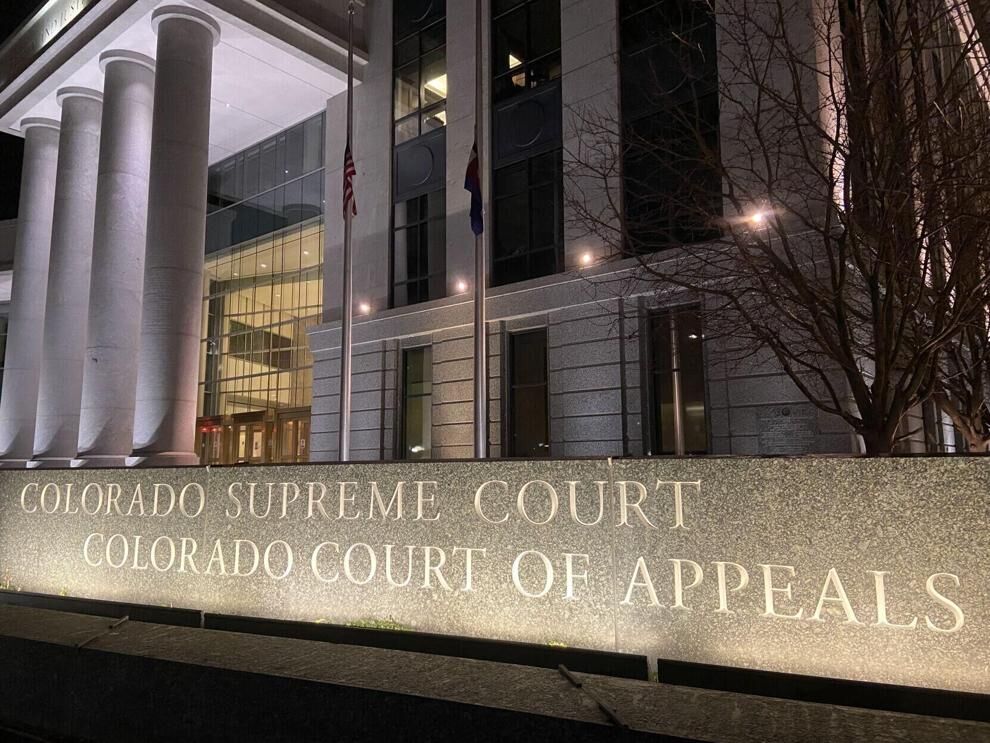
A Gilpin County prosecutor committed misconduct when he told jurors they would have to believe the victim “fabricated this whole entire thing” in order to acquit a defendant of sexual assault, Colorado’s second-highest court ruled on Thursday.
Nonetheless, a three-judge panel for the Court of Appeals found the prosecutor’s misrepresentation of the law did not merit reversing the conviction of Joshua James Cuellar because the evidence against him was “overwhelming,” and the stray remarks did not harm the defense.
Until now, wrote Judge Lino S. Lipinsky de Orlov in the March 2 opinion, “no reported Colorado case has addressed whether it is proper argument for a prosecutor to advise the jury that it may acquit the defendant only if it disbelieves everything one of the prosecution’s witnesses said while testifying.”
Cuellar stood trial in March 2020 for sexually assaulting a woman, identified as B.W., forcibly in a Black Hawk hotel room. Cuellar invited B.W. to join him at a casino late one night in January 2018 and the two of them got a room. They were in the room for approximately 45 minutes, after which Cuellar left to continue gambling. B.W. called the front desk to report an assault and police arrested Cuellar.
Cuellar initially denied having sex with B.W., and subsequently changed his story about what happened in the room. At trial, Cuellar argued B.W. had consensual sex, but she became upset with him. A jury found Cuellar guilty and he received 20 years to life of intensive, supervised probation plus 90 days in jail.
On appeal, Cuellar alleged several errors at his trial, including statements made during closing arguments.
“In order for you to find the defendant not guilty,” the unnamed prosecutor told jurors, “you have to believe a number of things. You have to believe that the victim fabricated this whole entire thing, that she lied about this whole – “
Cuellar’s lawyer interrupted with an objection. District Court Judge Todd L. Vriesman cautioned the jury it needed to “follow the instructions that are given in this particular case as to what the law is,” and permitted the prosecutor to continue.
“You have to believe that the victim fabricated this whole entire thing. That she was able to fabricate an elaborate story and get the defendant falsely accused,” the prosecutor added.
The prosecutor also addressed the argument from Cuellar’s attorney that B.W.’s actions leading up to the rape suggested she intended for the sex to be consensual.
“What he’s insinuating to you is that you should find the defendant not guilty because the victim invited this upon herself,” the prosecutor said. “That’s what he’s insinuating. This society, our laws didn’t tolerate that.”
Cuellar argued to the Court of Appeals panel that his attorney did not say B.W. had “invited this upon herself,” and the prosecutor mischaracterized the argument about consent. Further, the jury did not have to find B.W. “fabricated this whole entire thing” in order to believe her testimony did not support the legal elements of sexual assault.
The appellate panel agreed on both fronts. The prosecutor’s comment about disbelieving the victim potentially made it easier to convict Cuellar.
The prosecutor “unequivocally told the jury that it must disbelieve the prosecution’s witness before it could acquit the defendant,” Lipinsky wrote. “Moreover, here, the prosecutor argued that the jury had to believe that B.W. lied about the entire incident before it could acquit Cuellar. That was a misstatement of the law.”
Likewise, the defense attorney’s attempt to show B.W. consented to sex did not equate to a claim that she “invited” a violent assault upon herself.
“The prosecutor who made the statements exceeded the wide latitude afforded to him by improperly characterizing the theory of defense,” Lipinsky explained.
However, the panel declined to overturn Cuellar’s conviction. The prosecutor’s comments were brief, the evidence was strong and Vriesman had properly instructed the jury about the prosecution’s obligation to prove the charge beyond a reasonable doubt, the panel reasoned.
The Court of Appeals also determined the prosecution and a law enforcement witness improperly raised the fact that Cuellar invoked his constitutional right against self-incrimination after his arrest. However, the mistake did not harm Cuellar’s defense because the panel concluded the prosecution had not used Cuellar’s silence to imply he was guilty – a move that would, in fact, require reversal of the conviction.
The case is People v. Cuellar.

10th Circuit dismisses woman’s lawsuit following 10-year attempt to undo restraining order
Michael Karlik
michael.karlik@coloradopolitics.com
Updated 2 days ago
The Denver-based federal appeals court rejected a woman’s challenge on Friday to a restraining order imposed on her more than a decade ago, finding that she cannot credibly claim she will be prosecuted for violating the restraining order through her...
10th Circuit dismisses woman’s lawsuit following 10-year attempt to undo restraining order
Michael Karlik
michael.karlik@coloradopolitics.com
Updated 2 days ago
The Denver-based federal appeals court rejected a woman’s challenge on Friday to a restraining order imposed on her more than a decade ago, finding that she cannot credibly claim she will be prosecuted for violating the restraining order through her...
Colorado equal pay law does not require plaintiffs to allege gender-based retaliation, appeals court finds
Michael Karlik
michael.karlik@coloradopolitics.com
Updated 2 days ago
The 2019 Colorado law aimed at rooting out pay discrimination on the basis of sex does not require a plaintiff to allege their employer retaliated against them for sex- or gender-related reasons, the state’s second-highest court decided on Thursday. Lawmakers...
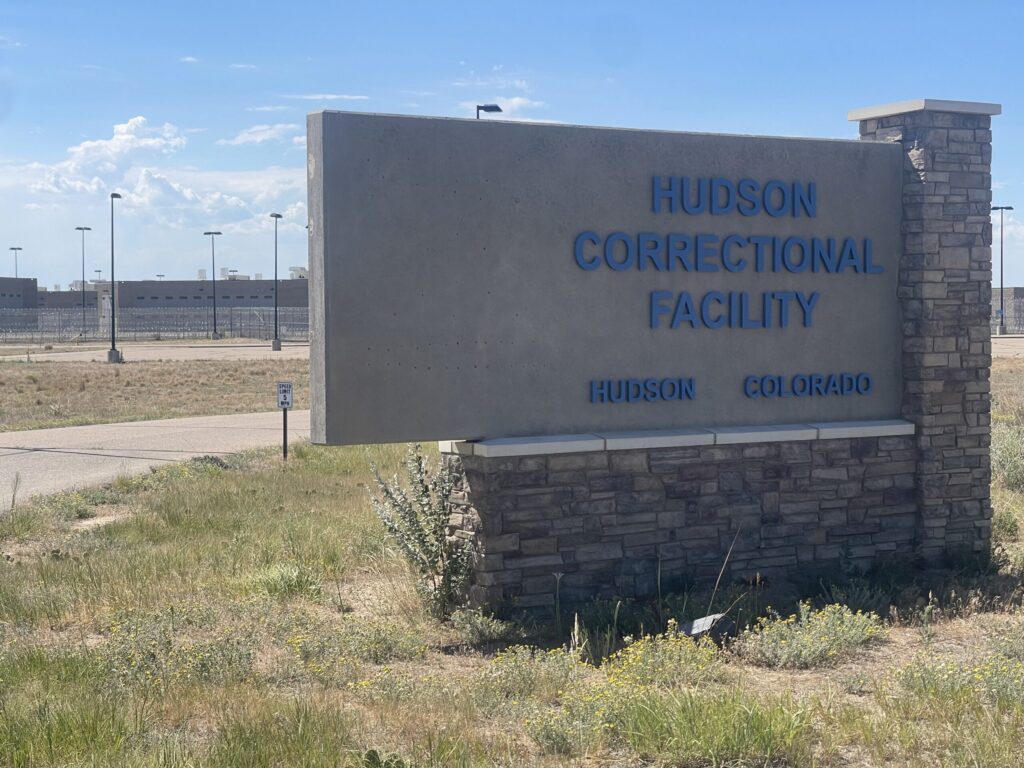
Hudson faces lawsuit over ICE detention facility
Nicole C. Brambila
nicole-c-brambila@coloradopolitics.com
Updated 3 days ago
A nonprofit organization filed a lawsuit against the Town of Hudson Wednesday, challenging plans to reopen a former federal prison in the town as a U.S. Immigration and Customs Enforcement detention facility. Together Colorado, along with Janet E. Carlson, filed...
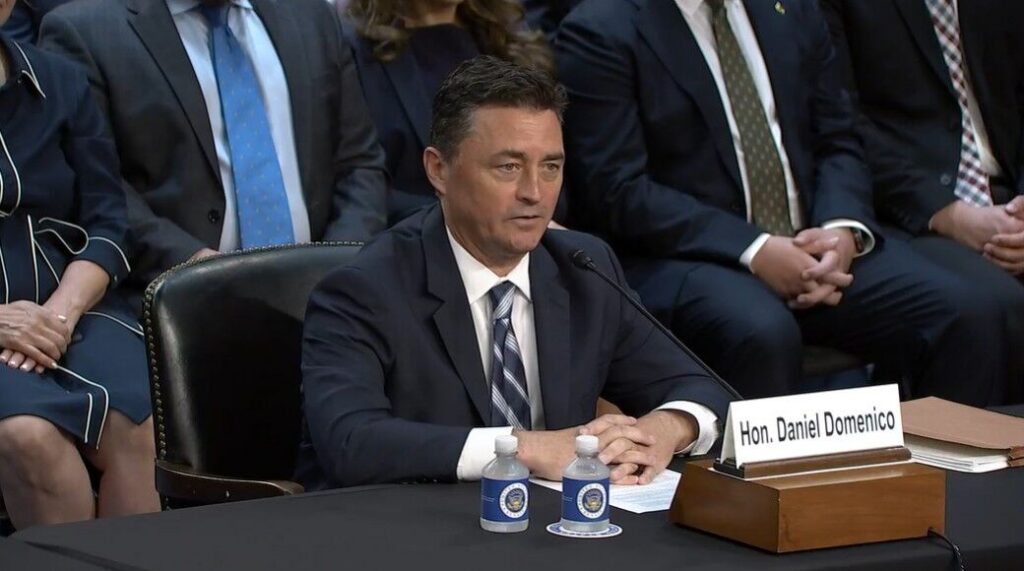
Senate committee advances Trump’s 10th Circuit nominee, as Domenico responds to questions about delays
Michael Karlik
michael.karlik@coloradopolitics.com
Updated 3 days ago
The U.S. Senate Judiciary Committee advanced President Donald Trump’s nominee to the Denver-based federal appeals court on Thursday by a party-line vote of 12-10. U.S. District Court Judge Daniel D. Domenico, who was Trump’s first-term appointee to Colorado’s federal trial...
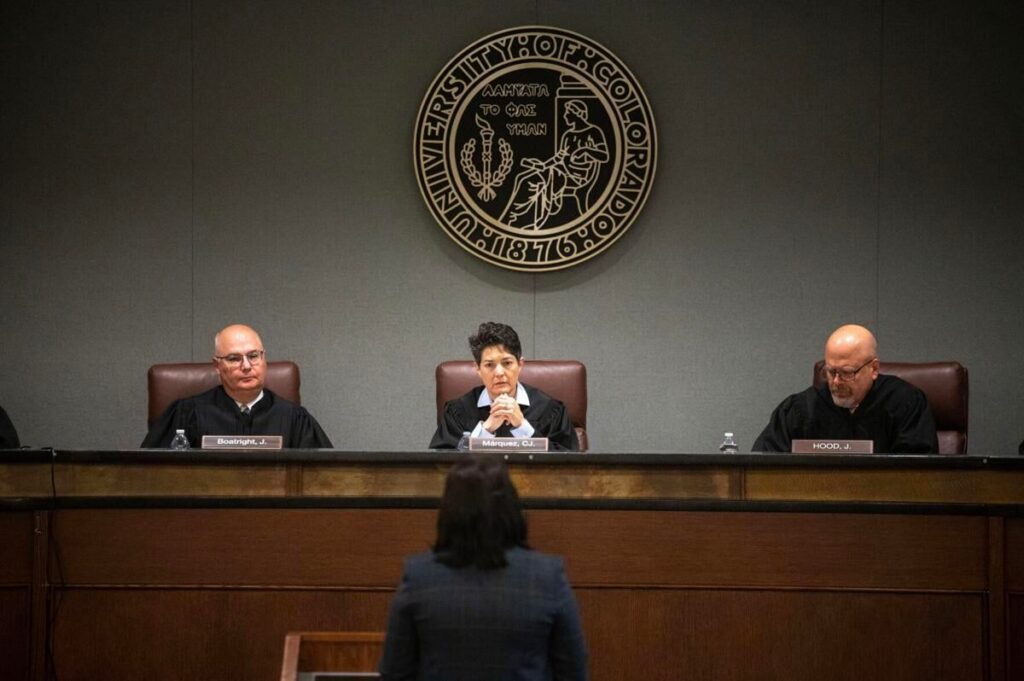
Colorado justices to hear embryonic donation dispute
Michael Karlik
michael.karlik@coloradopolitics.com
Updated 3 days ago
The Colorado Supreme Court announced on Monday that it will decide whether lower court judges properly applied its framework for adjudicating disputes over the fate of pre-embryos, in which one person wants to use them to become a parent and...
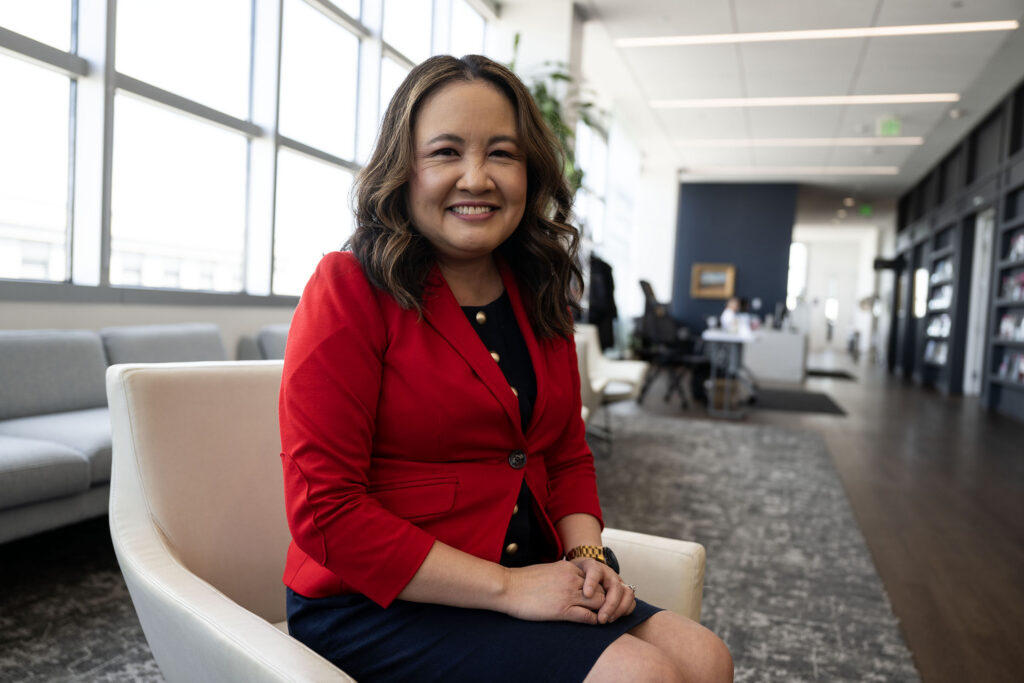
Isolation, emotion, persona: Colorado judicial programming prepares people for life on the bench
Michael Karlik
michael.karlik@coloradopolitics.com
Updated 3 days ago
As a trial judge and now as a member of the Colorado Supreme Court, Justice Carlos A. Samour Jr. has heard the view that being a judge is isolating. “In neither court have I felt isolated. I’ve always interacted a...

Federal judge dismisses Colorado county sheriff’s challenge to law limiting immigration cooperation
Michael Karlik
michael.karlik@coloradopolitics.com
Updated 2 days ago
A federal judge dismissed a challenge from Mesa County Sheriff’s Office leaders last week to a Colorado law limiting public employees’ cooperation with immigration authorities, concluding that the plaintiffs did not allege they engage in any conduct that the law...
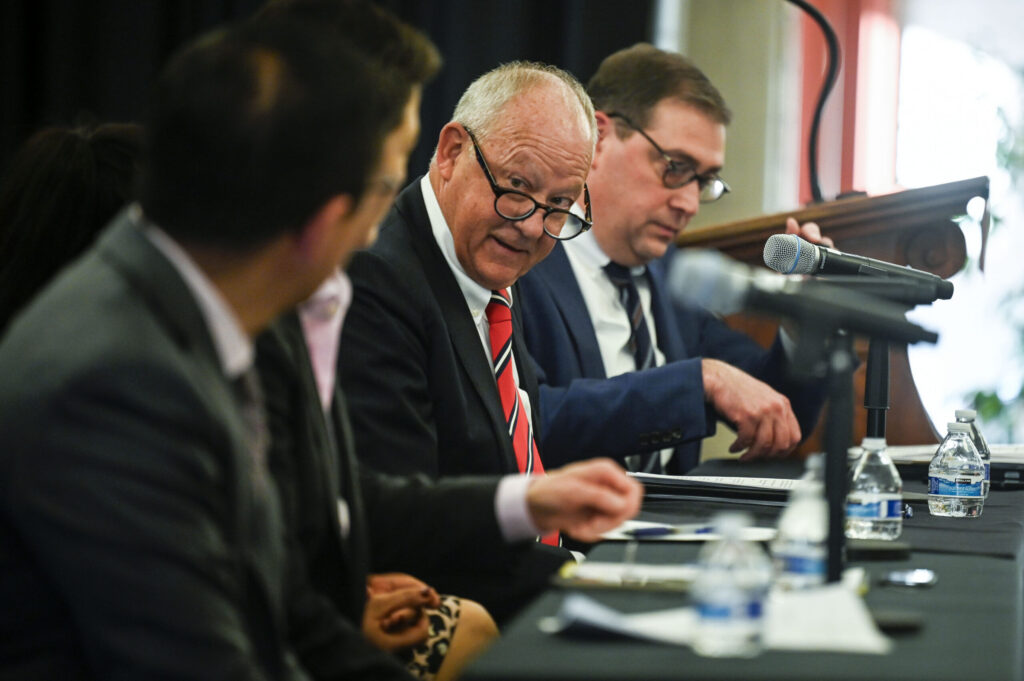
10th Circuit raises bar for fraud victims to sue debt collectors over inaccurate information
Michael Karlik
michael.karlik@coloradopolitics.com
Updated 1 day ago
The Denver-based federal appeals court wiped away a jury’s $500,000 award to a fraud victim on Monday and made it more difficult for consumers to hold companies liable for disseminating inaccurate credit information. The Fair Credit Reporting Act regulates credit...
Montezuma County judge’s censure, suspension approved by discipline panel
Michael Karlik
michael.karlik@coloradopolitics.com
Updated 4 days ago
A three-member disciplinary panel accepted, on Monday, an agreement between a Montezuma County judge and the Colorado Commission on Judicial Discipline that specifies he will receive a censure, a suspension, and additional education for his admitted instances of misconduct. Under...
PREV
PREVIOUS

Polis, Democrats roll out health care package they say will reduce costs for Coloradans
Gov. Jared Polis, joined by 14 Democratic lawmakers, announced a package of five new bills intended to reduce the cost of health care for Coloradans. The package also includes four measures already moving through the legislative process. As first reported by Colorado Politics early Thursday, a bill to modify the state’s prescription drug affordability board, […]

Denver’s push for electric vehicle charging, EV adoption, far behind goals
Denver will have to step up its vehicle electrification plans by a lot to meet its greenhouse gas reduction goals. The magnitude of the plan to electrify all vehicles statewide by 2050, set by Gov. Jared Polis, poses a formidable challenge to the city. Denver residents and businesses are not purchasing EVs at a rate […]