

Judge tosses lawsuit against Colorado treasurer over unclaimed property program

A federal judge has dismissed a lawsuit by two Colorado residents against Treasurer Dave Young that alleged the state is failing to provide adequate notice to potential owners of unclaimed property totaling roughly $1 billion.
Although plaintiffs David Knellinger and Robert Storey filed a proposed class action lawsuit, which would cover an estimated 1.6 million people with property in the custody of the state, there was a glaring flaw with their complaint: They did not show Colorado was actually holding onto unclaimed property that belongs to them, the judge determined.
“Plaintiffs have neither filed an administrative claim to establish ownership over the property nor informed the Court about the type of property that is in dispute at this time,” wrote U.S. District Court Judge Charlotte N. Sweeney in a Jan. 6 order.
Colorado’s legislature passed the Unclaimed Property Act in 1987, replacing it with the Revised Uniform Unclaimed Property Act in 2020. UPA and RUUPA, as administered through the treasurer’s office, aim to reunite people with lost or forgotten-about property. The law allows holders of unclaimed property, including banks or utility companies, to transfer checks, gift cards, stocks and other items to state custody.
RUUPA requires holders and the state to provide notice to the suspected property owner, which can now take place over email. The treasurer’s office also maintains a website where people can search for and claim their property.
Since its inception, the program – which is nicknamed the Great Colorado Payback – returned property worth $622.5 million to its owners. Last year through the program, a man was reunited with baseball cards missing after 24 years.
In their complaint, Knellinger, of Fremont County, reportedly typed his name into the unclaimed property database and saw he had an unknown item, held by Verizon, with an estimated worth between $50 and $249. Storey, who is an El Paso County resident, discovered he had unclaimed property worth less than $50.
Neither man proceeded to claim his property. They accused Young’s office of seizing the property without each plaintiff’s “notice, his knowledge, or his consent.”
“Defendants in many instances unlawfully sell Plaintiffs’ property and deposit the proceeds into the General Revenue Fund, again in violation of the procedural requirements of the RUUPA,” their lawyers wrote, adding that the website was “constitutionally deficient” at providing notice.
Knellinger and Storey proposed to sue on behalf of all people who did not receive notice of their unclaimed property since May 2016, which they estimated to be 1.6 million people. They sought, among other things, restitution and a court declaration that the lack of notice violated their constitutional right to due process under the law.
In August, the state moved to dismiss the lawsuit. The plaintiffs did not have standing to sue because they had not suffered an injury, the Colorado Attorney General’s Office argued.
“Absent having filed administrative claims seeking to collect those properties from Defendants,” wrote First Assistant Attorney General LeeAnn Morrill, “at most they allege that they might be the owners of the properties.”
She added that unclaimed property does not “revert to the general fund” under the law.
The plaintiffs responded by pointing to a 2019 report from the Colorado Office of the State Auditor, before the enactment of RUUPA, which found the notices to suspected owners of unclaimed property ceased in 2005. As a result, the program was “out of statutory compliance.”
In addition to alleging the “failures and unlawful practices” mentioned in the audit are ongoing, the plaintiffs further explained they “are not required to establish ownership with certainty at this stage in the proceedings” for their own unclaimed property.
But Sweeney felt otherwise. It is the plaintiff’s responsibility, she wrote, to ensure they have a “sufficient personal stake” in the dispute. All they had done to date was allege their names appear in the unclaimed property database, without following through to show ownership.
“Plaintiffs fail to specify or identify what type of property was allegedly improperly seized and whether the property was actually owned by them,” Sweeney concluded.
Attorneys for the plaintiffs did not immediately respond to a request for comment, nor did a spokesperson for Young.
The case is Knellinger et al. v. Young et al.


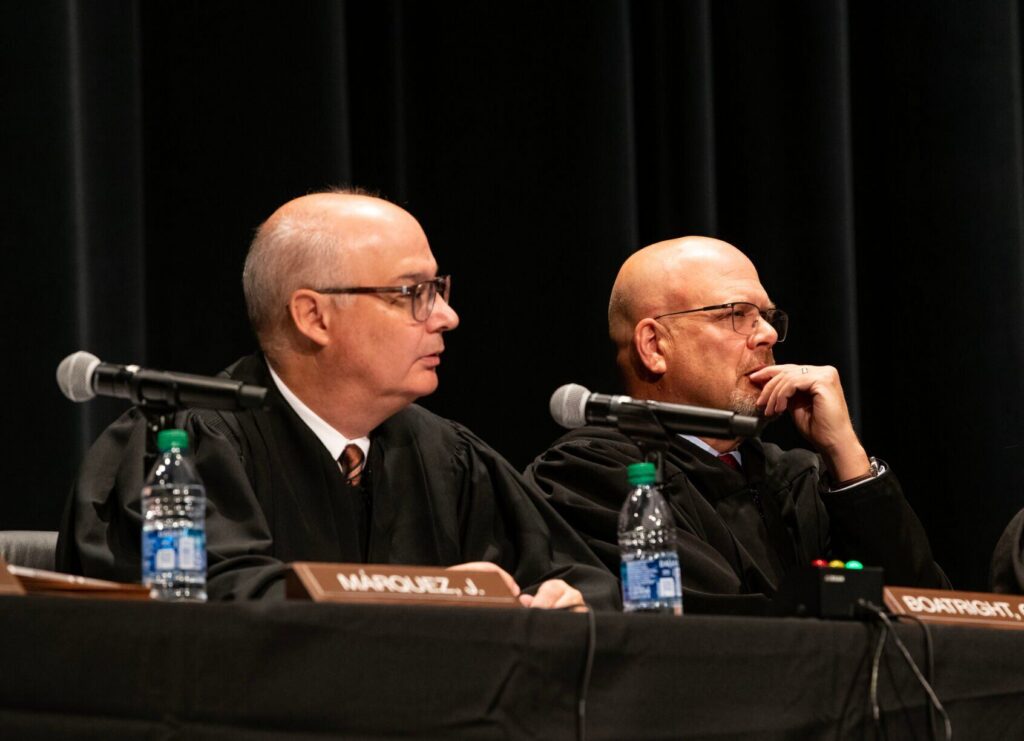
Colorado justices suggest father entitled to appeal of custody decision
Michael Karlik
michael.karlik@coloradopolitics.com
Updated 14 hours ago
Members of the Colorado Supreme Court signaled strongly on Tuesday that a father deserved some avenue for challenging a temporary child custody order that no lower court believed it could review due to the unusual circumstances of the case. Because...
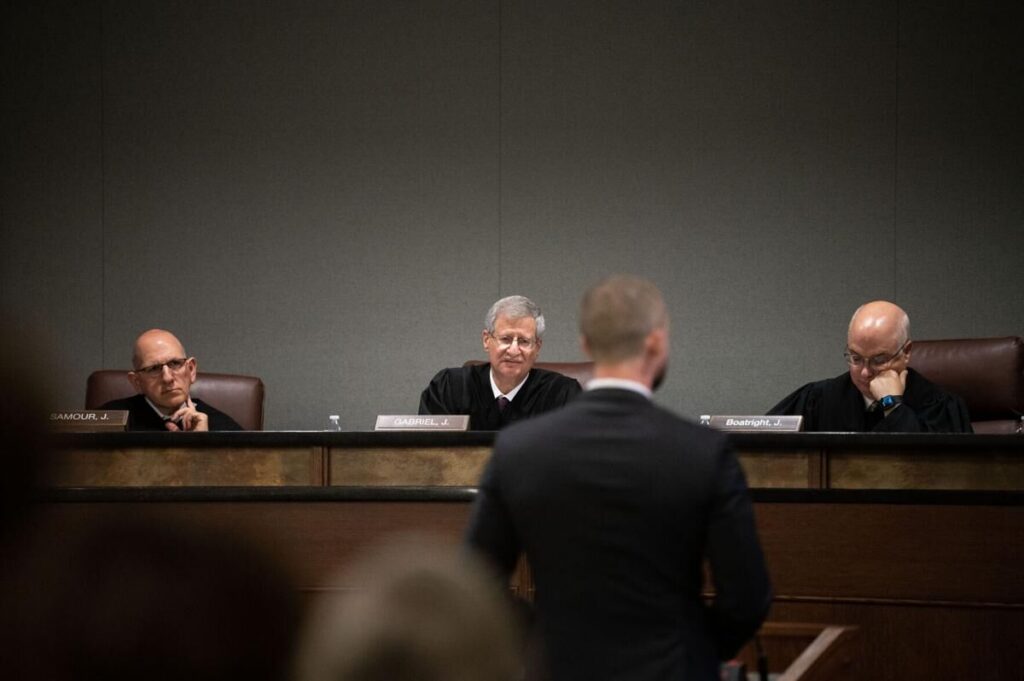
Colorado justices agree fraud claims belong in corporate dispute
Michael Karlik
michael.karlik@coloradopolitics.com
Updated 15 hours ago
The Colorado Supreme Court decided on Tuesday that a corporate plaintiff validly pursued fraud claims over conduct that was not covered by a contract or by a set of interrelated business agreements leading up to the contract. Previously, the Court...
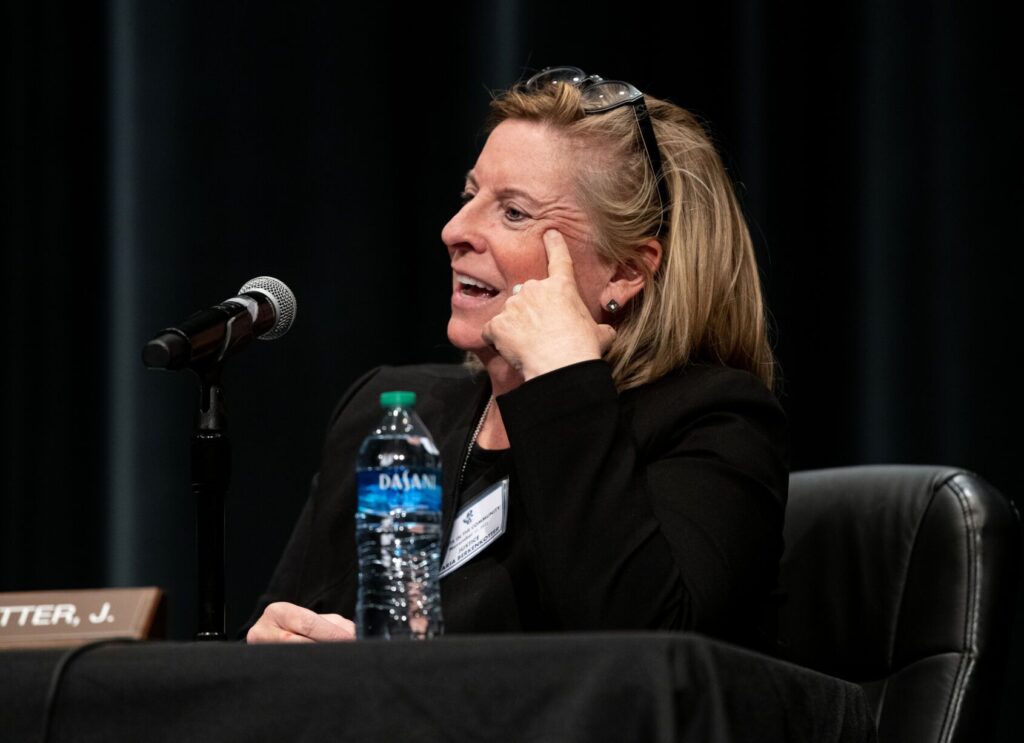
Colorado Supreme Court says intimate messages irrelevant to assault case
Michael Karlik
michael.karlik@coloradopolitics.com
Updated 17 hours ago
The Colorado Supreme Court decided on Tuesday that a Douglas County judge acted reasonably by blocking evidence of a defendant’s BDSM-related conversations with the victim in his trial for assault and false imprisonment. While the Court of Appeals believed that...
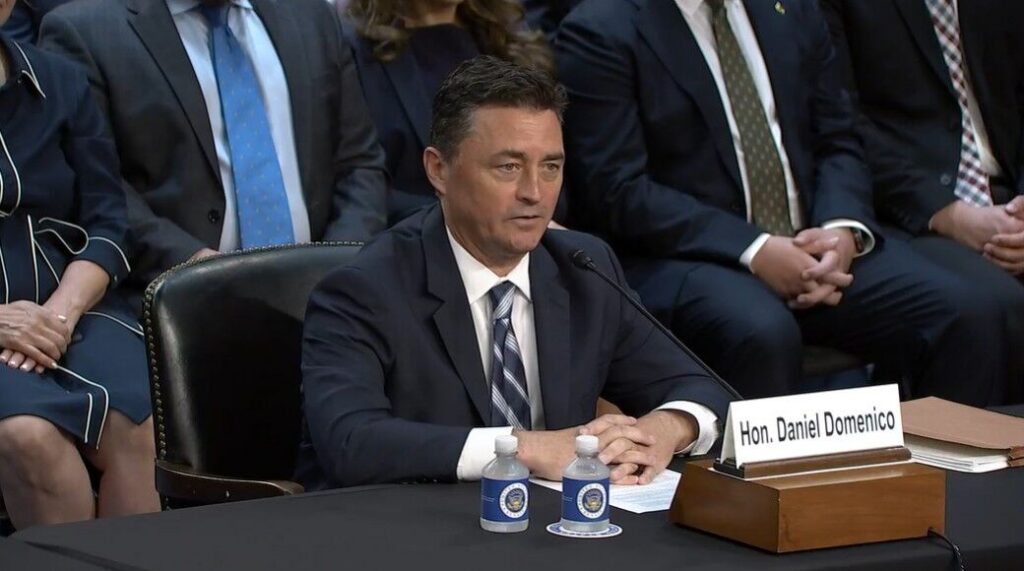
Trump’s 10th Circuit nominee declines to name 2020 election winner, defends immigration decisions
Michael Karlik
michael.karlik@coloradopolitics.com
Updated 18 hours ago
President Donald Trump’s nominee to the Denver-based federal appeals court declined to say who won the 2020 presidential election during his appearance before the U.S. Senate Judiciary Committee on Wednesday, and defended his recent rulings in immigration detention cases. U.S....

Colorado law allowing lawsuits against ‘conversion therapy’ providers takes effect July 1
Marissa Ventrelli
marissa.ventrelli@coloradopolitics.com
Updated 10 hours ago
With a new law taking effect July 1, Colorado is creating a legal pathway for people to sue licensed providers of “conversion therapy,” even as debate over the practice’s constitutionality continues in the wake of a recent U.S. Supreme Court...
Colorado justices expand ability for civil defendants to avoid participating, win after trial
Michael Karlik
michael.karlik@coloradopolitics.com
Updated 21 hours ago
The Colorado Supreme Court decided on Tuesday that a civil defendant, whose non-participation in the case meant that he legally admitted to the sexual assault allegations against him, could nonetheless prevail after he showed up to testify at trial. A...
Colorado justices find ability to extend appeal deadline applies equally to prosecutors, defendants
Michael Karlik
michael.karlik@coloradopolitics.com
Updated 1 day ago
The Colorado Supreme Court decided on Tuesday that prosecutors have the same ability as criminal defendants to freeze their deadline to appeal a trial judge’s ruling when they ask for reconsideration, even though the rules do not explicitly say so....
Colorado justices confirm leaving-the-scene prosecutions require no proof of driver’s knowledge
Michael Karlik
michael.karlik@coloradopolitics.com
Updated 9 hours ago
The Colorado Supreme Court confirmed on Tuesday that its 20-year-old decision involving drivers who leave the scene of an accident remains good law and prosecutors do not have to prove that such defendants knew they were involved in an accident....

Judge blocks Colorado’s proposed ban on using SNAP benefits for soda
Marissa Ventrelli
marissa.ventrelli@coloradopolitics.com
Updated 15 hours ago
A federal judge has temporarily blocked Colorado and several other states from enforcing a proposed “Healthy Choice Waiver” that would have barred Supplemental Nutrition Assistance Program (SNAP) recipients from using their benefits to buy soda and other sugary drinks. Under...
Boulder police overreached in interrogating suspect, Colorado Supreme Court finds
Michael Karlik
michael.karlik@coloradopolitics.com
Updated 2 days ago
Two Boulder detectives violated a man’s constitutional rights by interrogating him at his home using a court order that solely authorized the collection of his DNA evidence, the Colorado Supreme Court concluded on Tuesday. The ruling curtailed the ability of...
PREV
PREVIOUS

Democrats want to eliminate TABOR refunds in order to divert money to fund K-12 education
Two Democratic lawmakers plan to ask voters this November to divert TABOR refunds to primarily help pay, attract and retain teachers, making it third in line for TABOR surplus revenues. The measure, if approved by voters, would take all remaining surplus TABOR revenues, once property tax exemptions and the affordable housing initiatives voters approved in […]

Denver approves 'wage theft' protection bill
Orange flooded the Denver City Council chambers Monday during a public hearing on a “wage theft” protection bill. The orange did not belong to fans of Denver Broncos, Clemson Tigers or Tennessee Volunteers, but to Carpenters Local 555 – a labor union in Denver. “Wage theft” is pervasive in Denver, according to District 11 Councilwoman Stacie […]