

SCOTUS must surgically protect freedom of expression | Colorado Springs Gazette
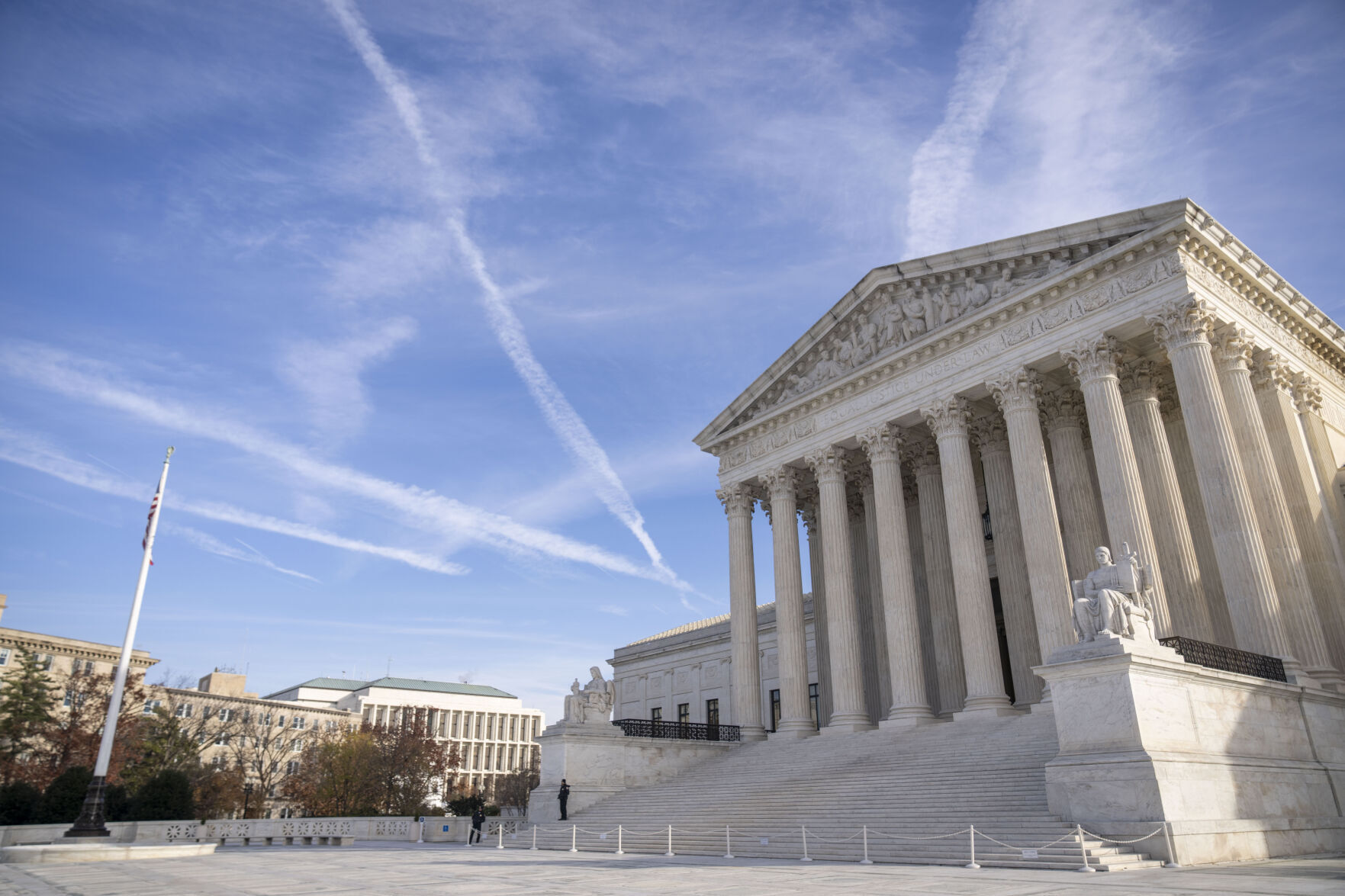
Colorado graphic designer Lori Smith wants to design special-order websites for weddings, but not for same-sex couples. The U.S. Supreme Court debated the conflict Monday in a hearing that went long past the allotted 70 minutes.
All individuals deserve equal protection of the law, as explained in the 14th Amendment. This law has played a primary role in protecting members of the LGBTQIA-plus community from discrimination and hate crimes. The law views heterosexuals and non-heterosexuals the same.
Equal protection means a landlord cannot refuse leasing to a tenant based on the applicant’s sexual orientation. A restaurant may not refuse service based on sexual orientation. No one trading in the public marketplace may deprive an individual of basic goods and services based on objections to a person’s sexual orientation or any other immutable trait.
That’s the way kind and rational people want it. The era of turning blacks away from whites-only businesses has long passed and we don’t want anything like it. Simultaneously, it seems reasonable for publishers to refuse printing and selling books they find offensive.
Freedom of speech requires the freedom not to speak, just as freedom to love requires freedom to hate.
Smith wants liberation from Colorado’s anti-discrimination law, which would otherwise force her to design unique websites for same-sex weddings if she provides creative websites for heterosexual weddings. On the surface, a ruling against Smith – one that says she must design on demand any website any customer wants – may sound like a good thing for same-sex couples.
Conflicts are not always what they appear on the surface.
Smith does not propose depriving anyone of basic goods and services. She should not and cannot. She proposes picking and choosing what she will and will not communicate using her creative talents. Her websites would celebrate marriages. That’s quite different than selling gasoline, snow cones, rental space, photos with Santa or any other good or commodity.
If the state forces her to design celebratory websites for same-sex couples, it also must force her to design websites with other messages that violate her beliefs.
Because of free speech and equal protection, the state cannot make value judgments that favor a popular message over a meanspirited one. The state may no more give imprimatur to a private message than it may to a church. If it does, we have no free speech, freedom of religion or freedom of expression. We neuter the First Amendment.
The Supreme Court has made this point in multiple rulings. The most relevant to this case comes from a passage in the Masterpiece Cakeshop v. Civil Rights Commission ruling of 2017. That’s the case brought against the Commission after it punished Colorado cake designer Jack Phillips for refusing a custom-order cake to celebrate a same-sex marriage. Phillips sells baked goods to same-sex couples, as he should and must. Those products require no expression-on-demand from the customer. He won’t use his artistic skills to celebrate marriages that counter his beliefs.
The ruling sided with Phillips and admonished the commission for abusing him, while leaving open the big question: may the state force artists to express that which violates their values? If it dodges the merits in the Smith case, there was no point in taking it. In the Phillips ruling, the court explained the problem with forcing expressions on anyone – a point that should weigh heavily in Smith’s case.
“The (Civil Rights) Division did not address this point in any of the cases involving requests for cakes depicting anti-gay marriage symbolism.” In the latter cases, the Commission sided with cake designers who refused messages they objected to.
The court made clear the commission erred in favoring messages celebrating same-sex marriages over those that discourage them. The state must remain neutral on the content of speech. If that weren’t the case, we could outlaw Klan rallies and funeral pickets – a popular but illegal proposition.
“Phillips’ religious objection was not considered with the neutrality required by the Free Exercise Clause,” the ruling says.
The commission, the court argued, failed in its “solemn responsibility of fair and neutral enforcement of Colorado’s antidiscrimination law – a law that protects discrimination on the basis of religion as well as sexual orientation.”
Freedom of expression requires the right to express nothing. That freedom and the freedom to associate require the law to remain neutral when an artist accepts or rejects a contract for any reason. The state cannot and should not force a cat artist to paint dogs. It should not force Jewish artists to portray Jesus.
The court got it right with its 2015 ruling in Obergefell v. Hodges, which says states have no authority to prevent same-sex marriages or decline to recognize them. That’s because the Constitution favors individual values and decisions, whether any region favors or objects to them at any given time. The law respects the right of professionals – whether artists or attorneys – to accept or reject contracts at will.
This case may be among the modern court’s most difficult. We don’t want a ruling that allows businesses to discriminate against individuals because of their personal traits. A ruling of surgical precision will define the difference between discrimination against customers versus discrimination against customized messages. We don’t envy Supreme Court justices.
In a world of conflict, we favor decisions based on love and acceptance in all transactions. Yet, these actions mean nothing if the law makes futile attempts to require them at the cost of free expression.
Federal law and most Supreme Court rulings enhance the rights of individuals by restricting the authority of states. Without regard to public sentiment, the state cannot and should not force the hands of artists, authors, publishers and others who offer special-order contracts.
Colorado Springs Gazette Editorial Board


Will one unqualified AG replace another? | George Brauchler
George Brauchler
george-brauchler@gazette.com
Updated 1 day ago
Colorado Democrats are poised to nominate another attorney general candidate with de minimis relevant credentials or experience. Far from disqualifying, Colorado’s recent voting history mirrors that of America in favoring biography over experience, partisanship over policy, and emphasizing what divides...
Pueblo’s mayor keeps stirring the pot | Dennis Maes
Dennis Maes
dennis-maes@coloradopolitics.com
Updated 1 day ago
Pueblo Mayor, Heather Graham, has clearly proven to be a disciple of the Donald Trump school of governance. And, like her mentor, she is experiencing the same catastrophic results. The format is to ignore what the electorate approved and expects...
The perils of Colorado’s unregulated abortions | GUEST COLUMN
Colorado Politics
colorado-politics@coloradopolitics.com
Updated 1 day ago
By Tom Perille How did the movement which grew out of a genuine concern for the health and safety of women become the same movement that undermines women’s health and safety today? Despite good intentions, it was a long route...
Sans seniors, what does Colorado’s uninterested early turnout say about our disengaged electorate? | Paula Noonan
Paula Noonan
paula-noonan@coloradopolitics.com
Updated 2 days ago
This primary election is poorly attended. Evidence is in the numbers. About 10% of active registered voters are deciding this year’s primaries with seven days to go. If that number triples by June 30, only 30% of voters will decide...

Who gets to decide Colorado’s economic future? | GUEST COLUMN
Colorado Politics
colorado-politics@coloradopolitics.com
Updated 2 days ago
By Sarah Blackhurst Colorado’s prosperity depends on industries that grow our food, build our future and power our homes. But today, these sectors face an invisible threat from 5,000 miles away: the European Union’s Corporate Sustainability Due Diligence Directive (CS3D)....
We have the chance to change Colorado’s cancer outcomes | PODIUM
Colorado Politics
colorado-politics@coloradopolitics.com
Updated 2 days ago
By Erika Hanson Brown Colorado ranks among the healthiest states in the nation by nearly every measure. Yet even here — amid the Rocky Mountains and our deeply rooted culture of health and activity — cancer casts a long and...

Colorado has a playbook for youth mental health — our next governor must use it | GUEST COLUMN
Colorado Politics
colorado-politics@coloradopolitics.com
Updated 4 days ago
By Karen Ron-Li Liaw From the rural communities on the western slope to the eastern plains, to the major urban regions on the Front Range, Colorado families are navigating an all-too-familiar crisis: kids are struggling, and Colorado’s mental health system...

Pigs engineered to fight alpha-gal syndrome | Rachel Gabel
Rachel Gabel
rachel-gabel@coloradopolitics.com
Updated 5 days ago
If I were an evil genius trying to hamstring animal agriculture, I would create a fly that eats livestock alive and a tick whose bite and spit causes some people to have an allergic reaction to meat. (Insert evil laugh...
Registered voters on the eve of the 2026 primaries | Cronin & Loevy
Tom Cronin Bob Loevy
tom-cronin-bob-loevy@coloradopolitics.com
Updated 6 days ago
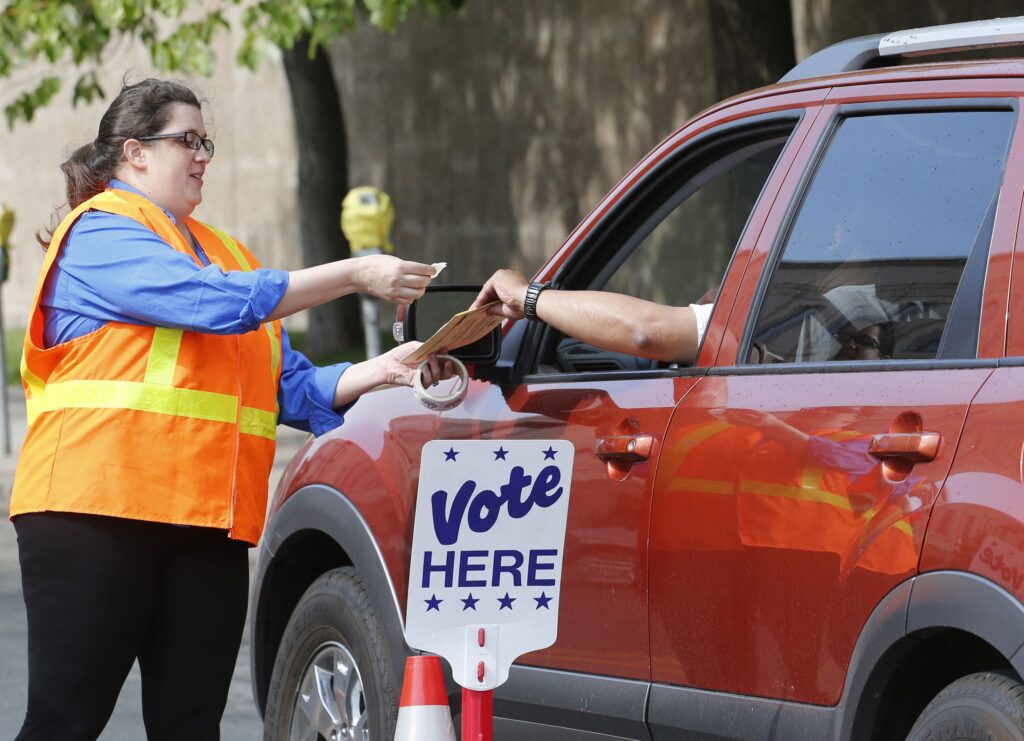
The Colorado Secretary of State’s Office has published the latest voter registration figures for the state and its counties as of June. Colorado ranks among the highest states for independent, or unaffiliated, voters. Only Alaska and Massachusetts have more. New Hampshire, New Jersey, Maine and Oregon also rank highly. So here...
A room for Sundance, a reality check for big-government Boulder | Jon Caldara
Jon Caldara
jon-caldara@coloradopolitics.com
Updated 1 week ago
There are few things more satisfying to watch than socialists getting mugged by reality. The Sundance Film Festival is invading my hometown of Boulder early next year. Sundance drew 85,000 attendees last year in Park City, Utah. Boulder’s hotel room...
PREV
PREVIOUS

Beware the Republican rabble-rousers | SENGENBERGER
Jimmy Sengenberger On Saturday, former President Donald Trump took to his social media platform, Truth Social, to justify “terminat(ing)” the U.S. Constitution. His post should make every constitutional conservative cringe – but it fits with a recent trend among some Colorado Republican “activists.” “Do you throw the Presidential Election Results of 2020 OUT and declare the […]

State, Club Q victims deserve accountability from El Paso County | Sentinel Colorado
Despite marked gains again among Colorado Democrats empowered to run the Legislature and the state, the chances for meaningful gun control, such as banning assault-style weapons and preventing people from hoarding guns and ammunition, are slim. One responsibility, however, state lawmakers cannot overlook next month is a review of Colorado’s nascent so-called Red Flag Law. […]